Downstream

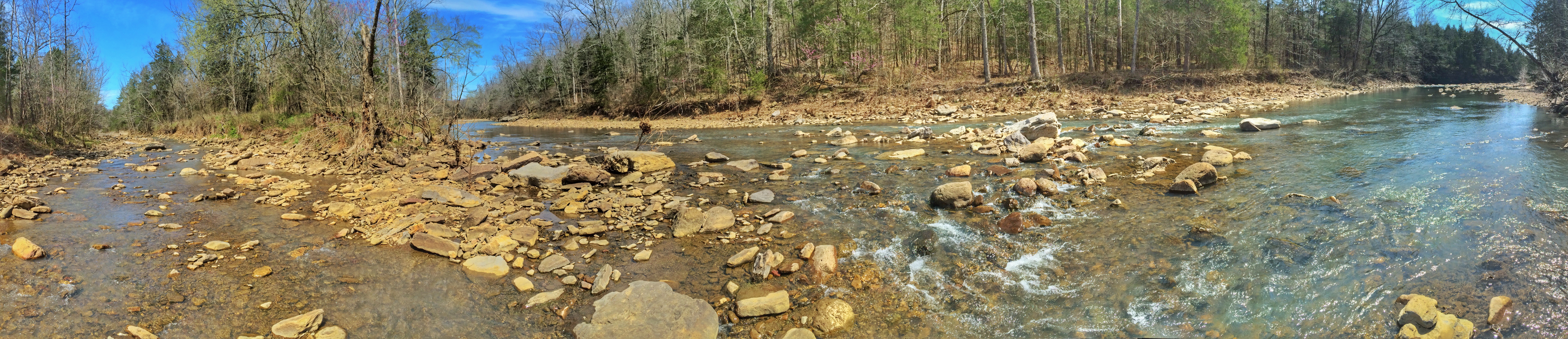
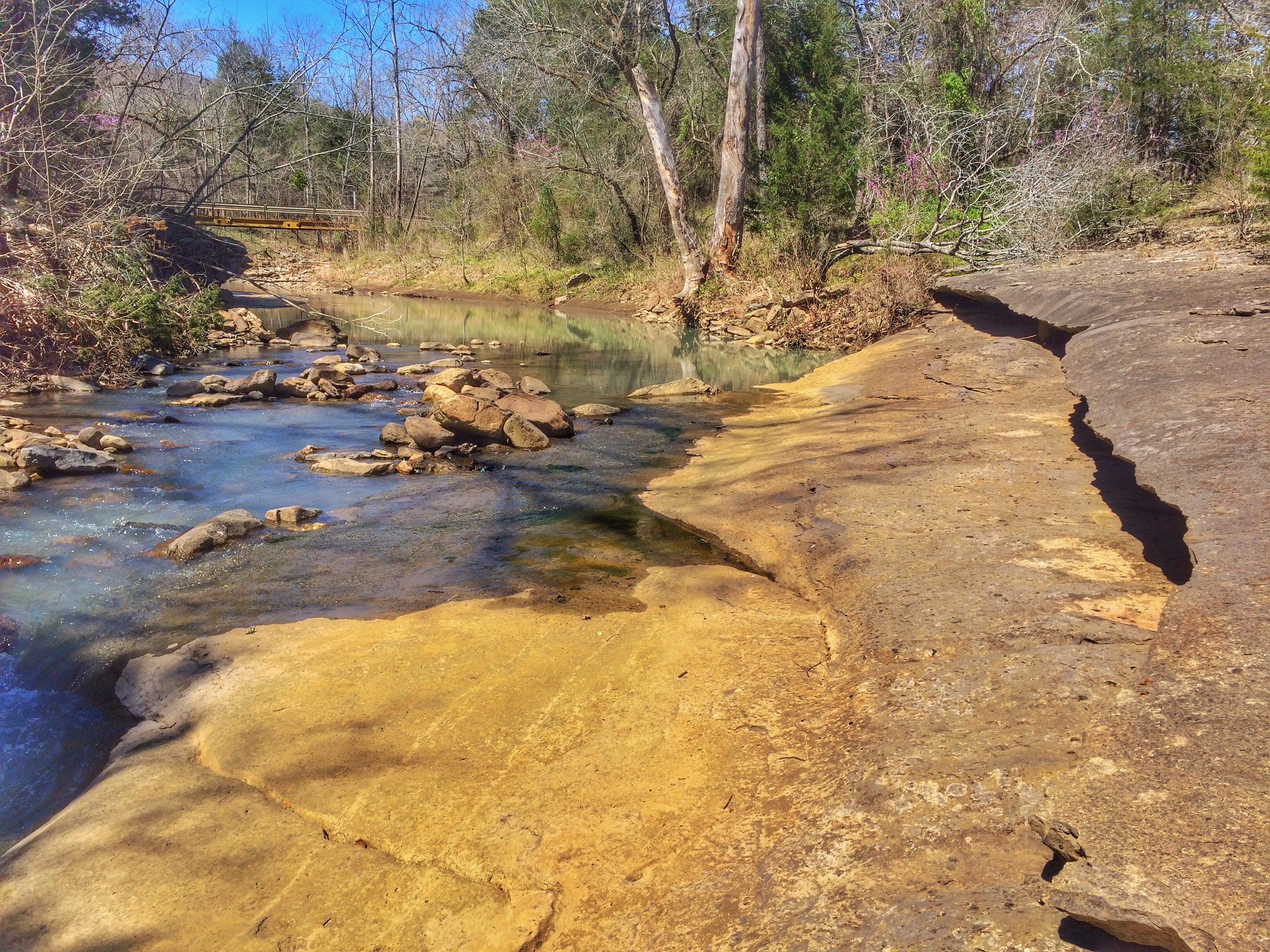
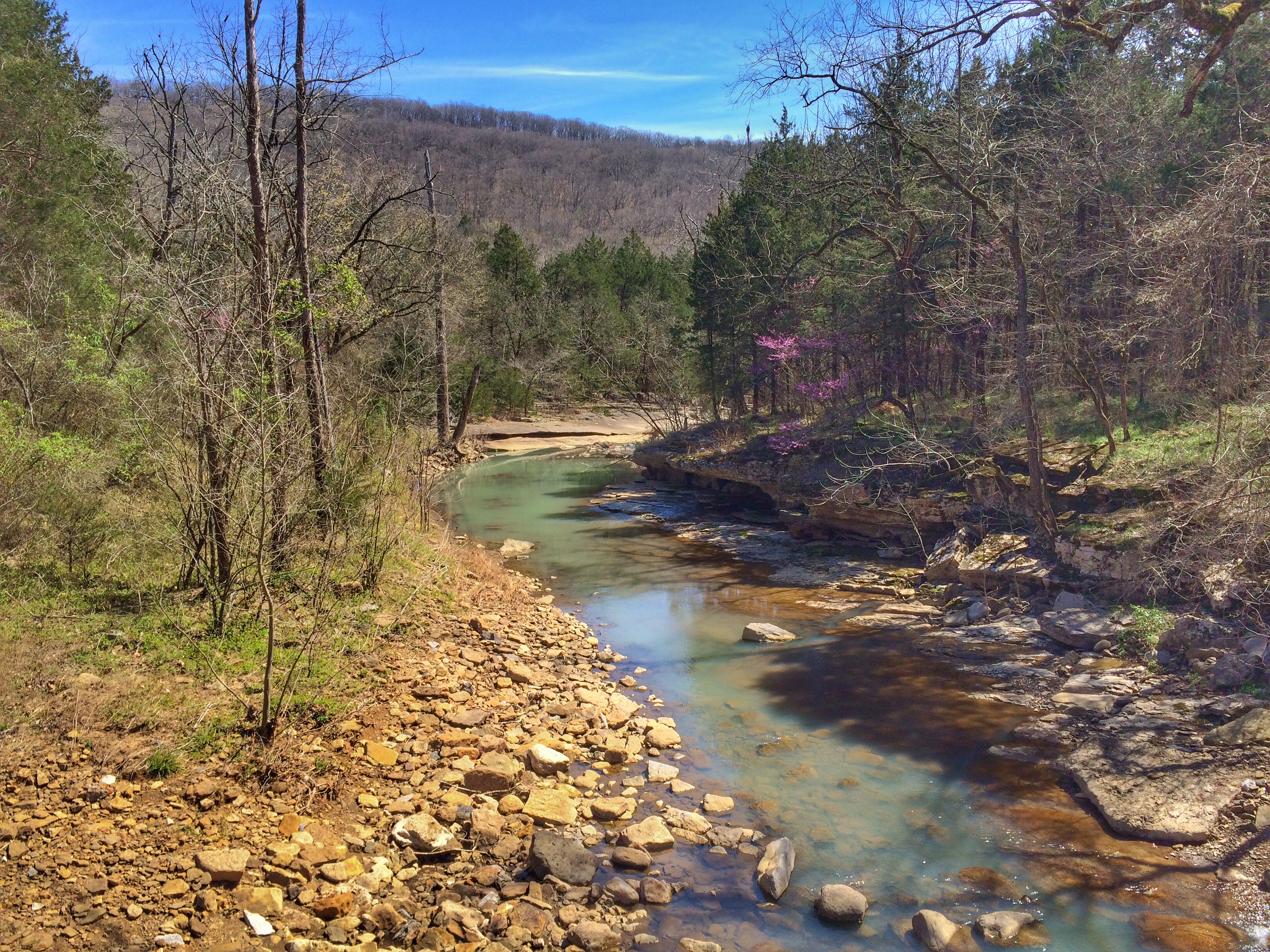
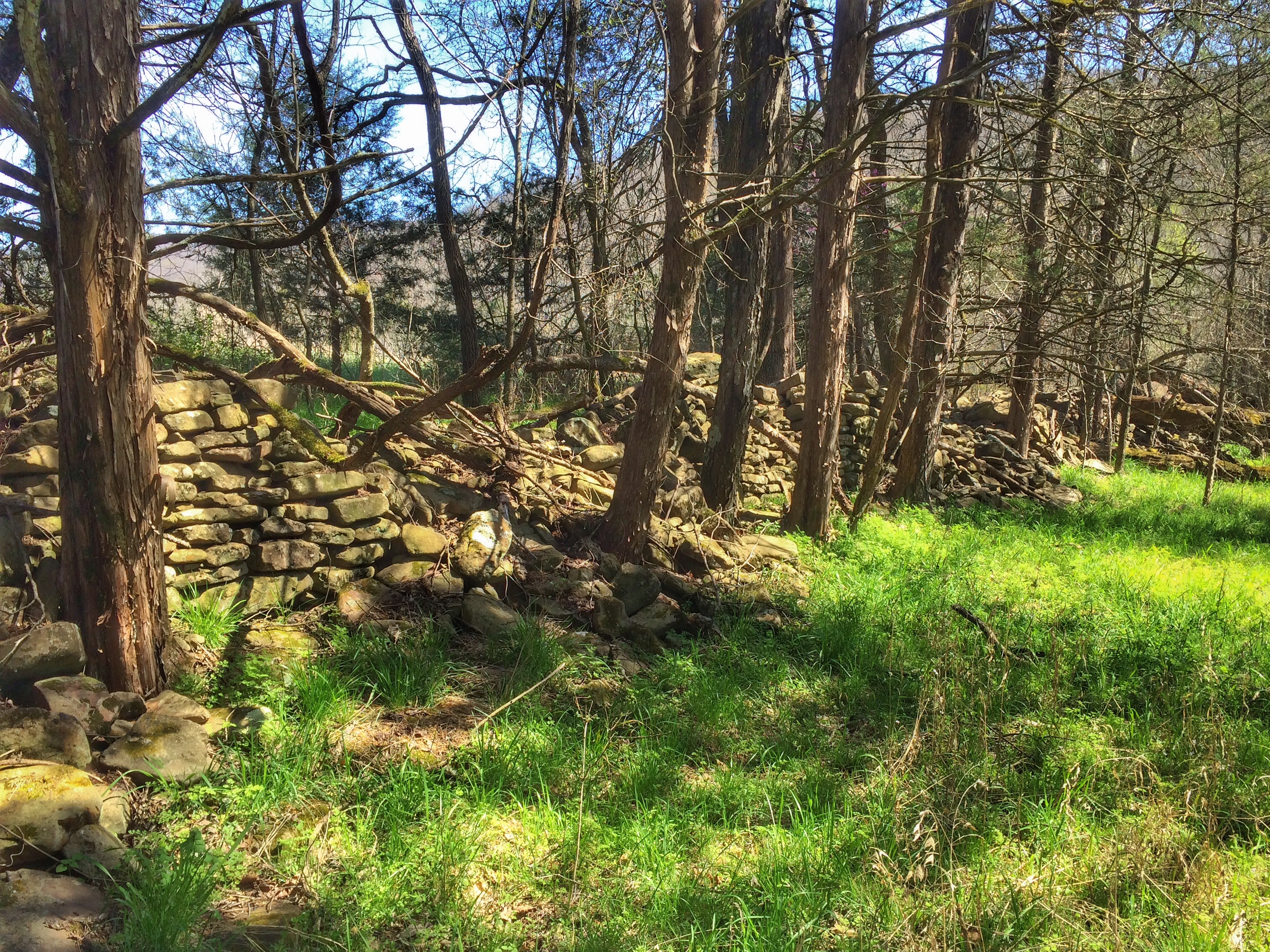
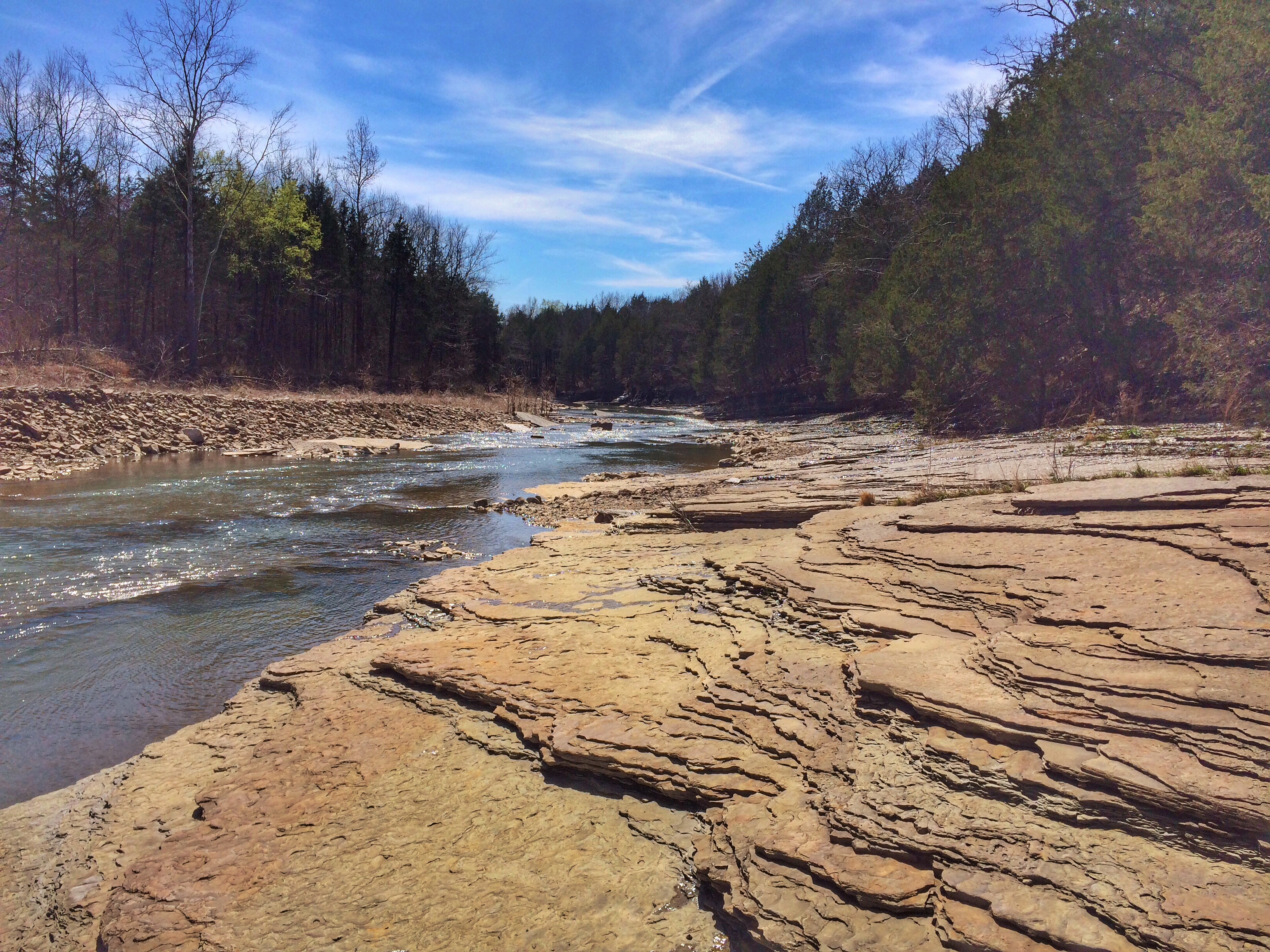
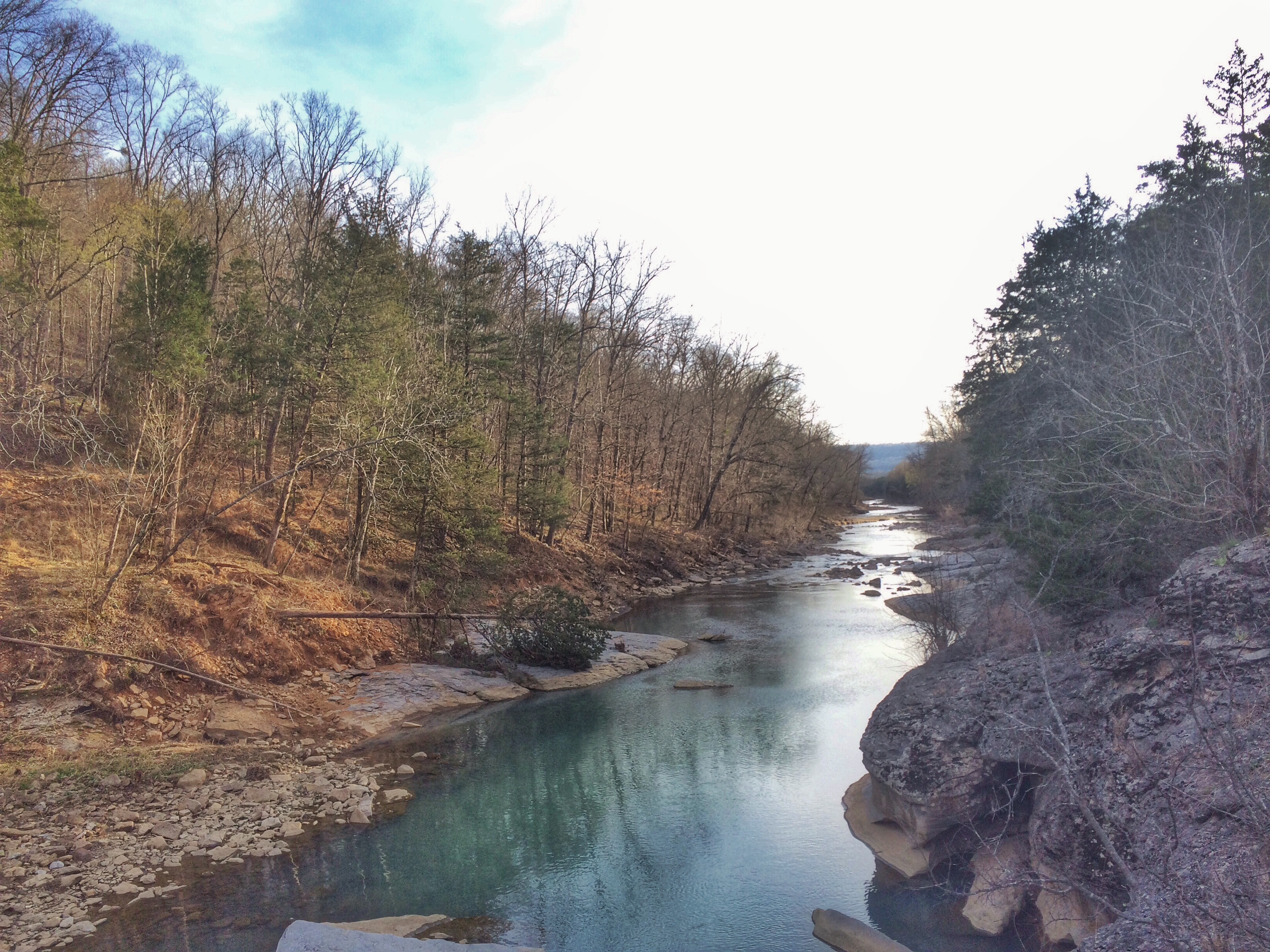
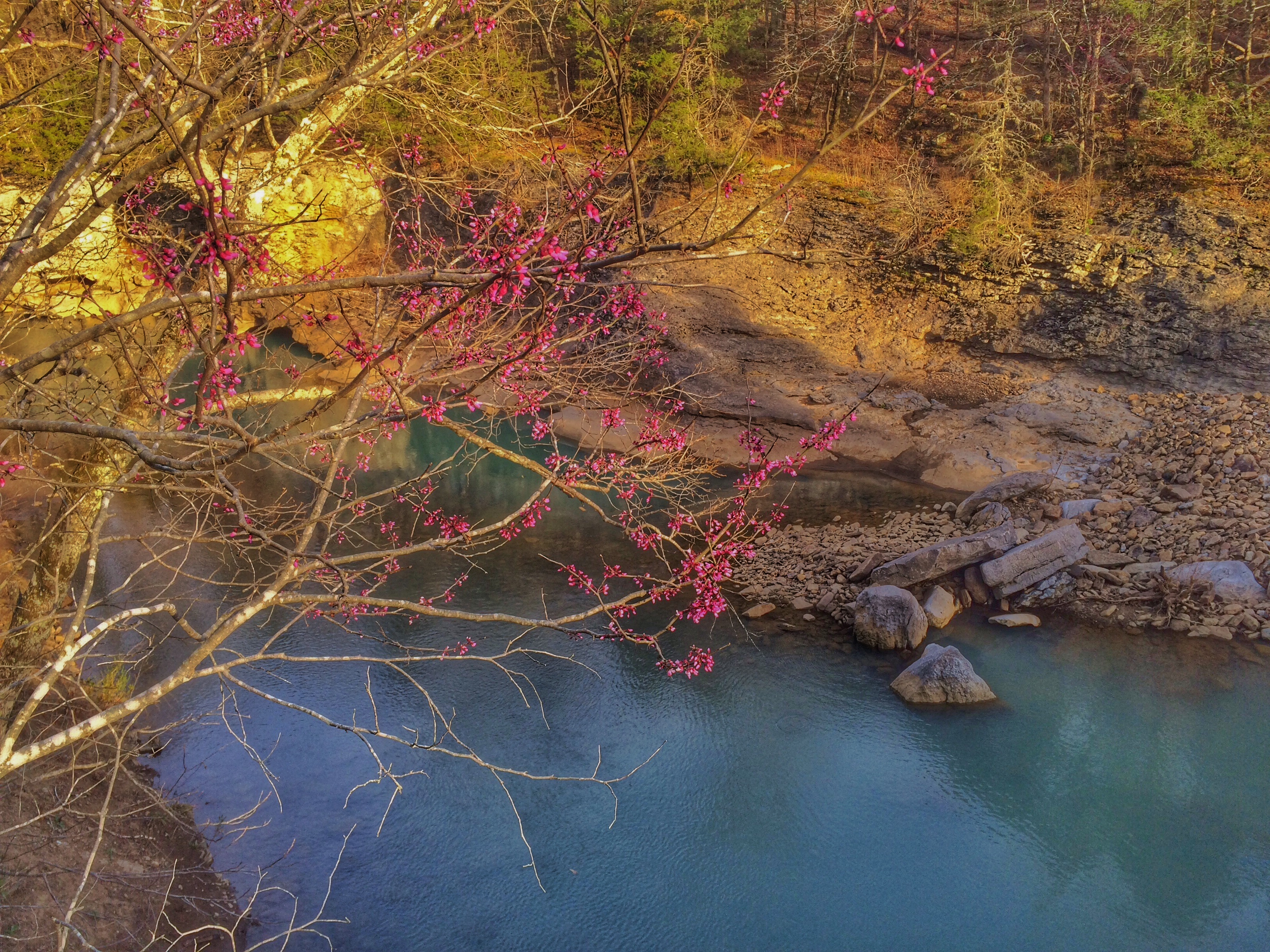
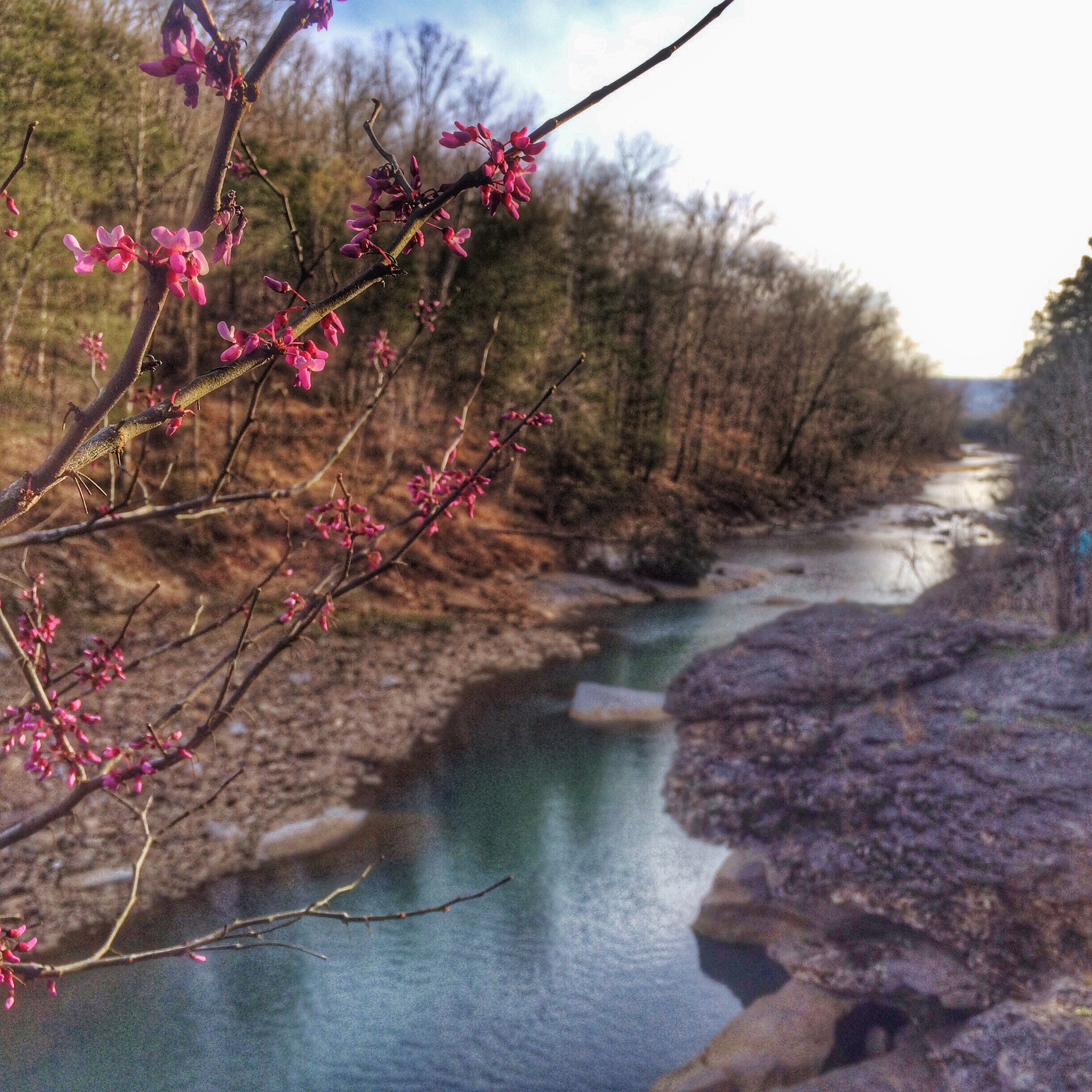
One afternoon I grabbed my binoculars and wandered about two miles downstream from the Bend of the River. At times I felt like I was getting away from the park and people, but then I’d round a corner and find somebody hiking or camping or sunning on a rock in the creek. I happened upon another creek that empties into Lee Creek and explored upstream a ways. I was gone for two or three hours.

IMG_3842

IMG_3805

IMG_3806

IMG_3807

IMG_3839

IMG_3840

IMG_3811

IMG_3812

IMG_3813

Here’s a list of the birds I saw during our entire stay. I also heard, but didn’t see, a Barred Owl on two occasions in the park.

  1. Turkey Vulture
  2. Black Vulture
  3. American Robin
  4. Belted Kingfisher
  5. Carolina Chickadee
  6. Common Grackle
  7. Northern Cardinal
  8. Eastern Phoebe
  9. Tufted Titmouse
  10. Red-tailed Hawk
  11. White-breasted Nuthatch
  12. Fish Crow
  13. Carolina Wren
  14. Eastern Bluebird
  15. Blue Jay
  16. Brown Creeper
  17. Downy Woodpecker
  18. Yellow-rumped Warbler
  19. American Crow
  20. Cedar Waxwing (a large flock of these hung around our campsite all week)
  21. Pileated Woodpecker
  22. Red-bellied Woodpecker
  23. Black-and-white Warbler
  24. American Goldfinch
  25. Canada Goose
  26. Eastern Towhee
  27. White-throated Sparrow
  28. Northern Flicker
  29. Louisiana Waterthrush
  30. Hermit Thrush
  31. Yellow-bellied Sapsucker
  32. Ruby-crowned Kinglet
  33. Blue-winged Teal
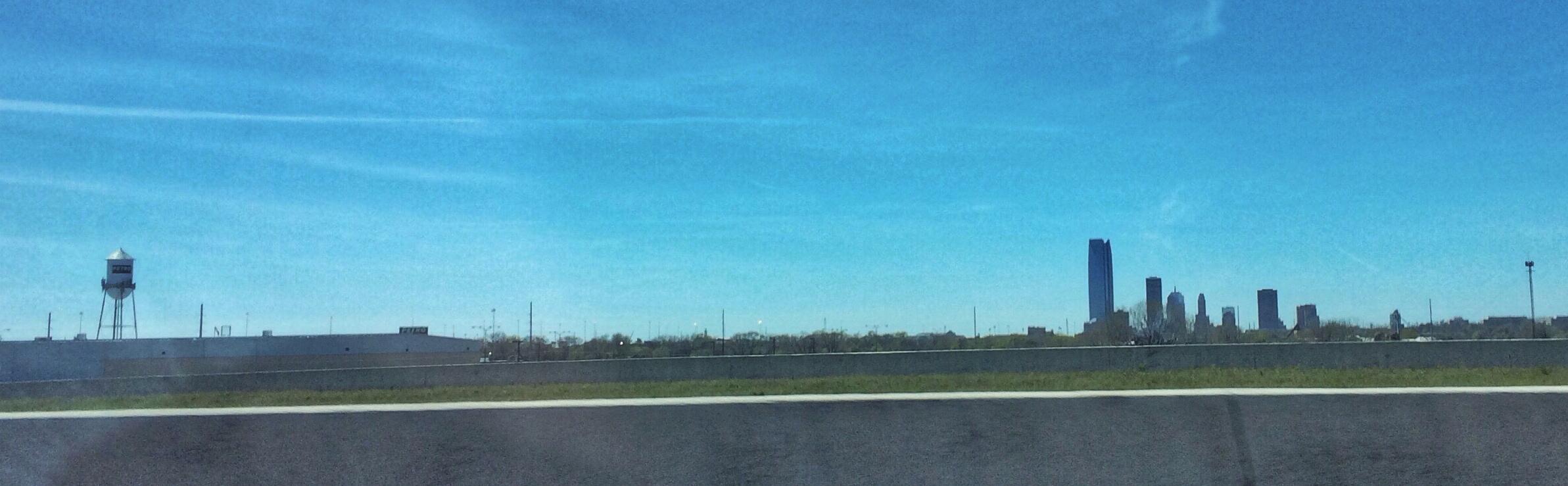
  34. Bald Eagle (flying over Interstate 40 in Oklahoma)
Posted in Uncategorized | Comments Off on Downstream

Butterfly #48 — Falcate Orangetip

anthocharis midea

Friday, March 25, 2016 — 3:07 p.m.

Devil’s Den State Park, Arkansas

Two or three of them were flitting low at the edge of a clearing near Lee Creek, occasionally stopping on flowers. I only had my cell phone, so I couldn’t get a very good photo.

aIMG_7781

Posted in Wildlife | Comments Off on Butterfly #48 — Falcate Orangetip

Swartz Covered Bridge

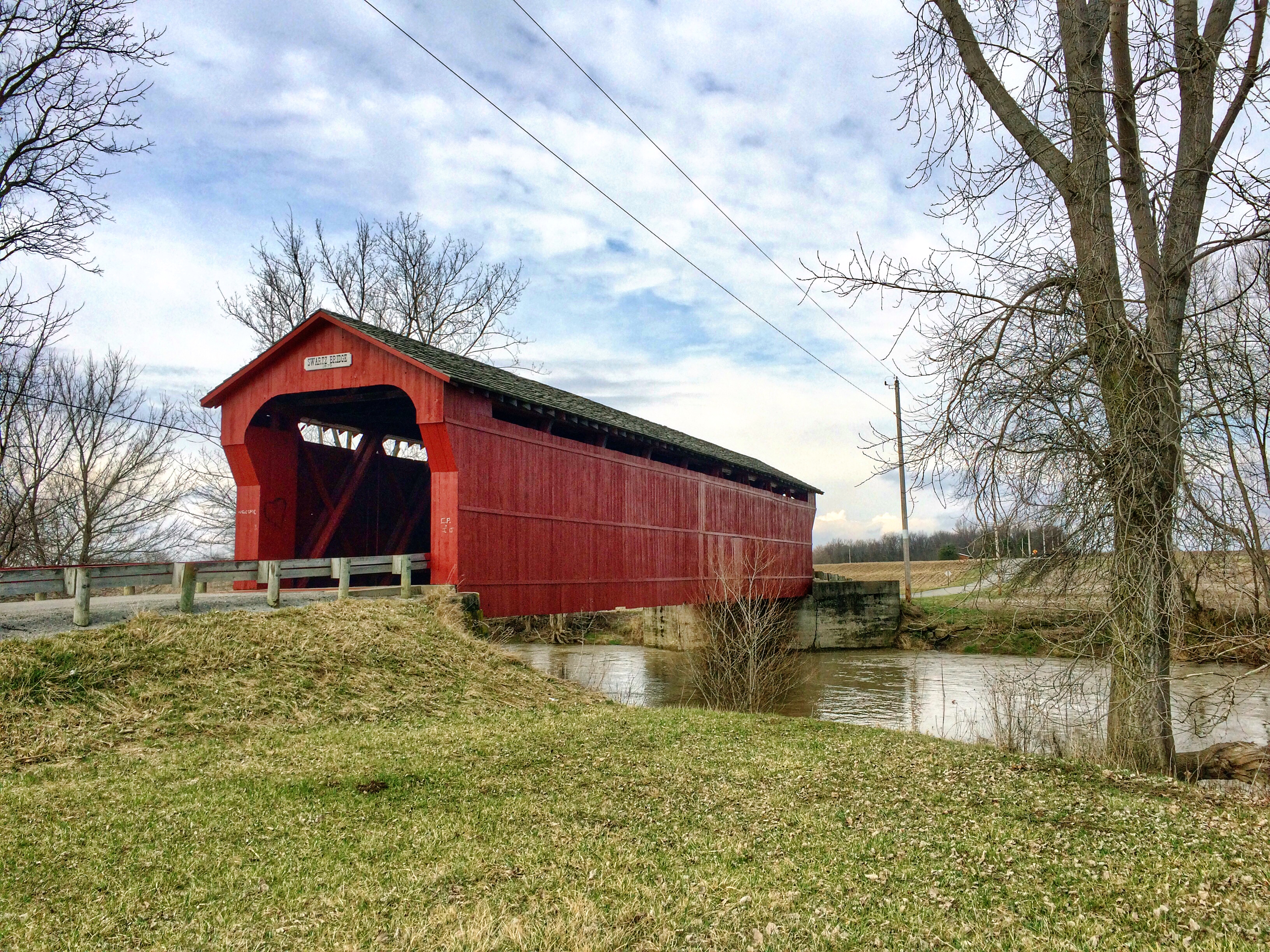
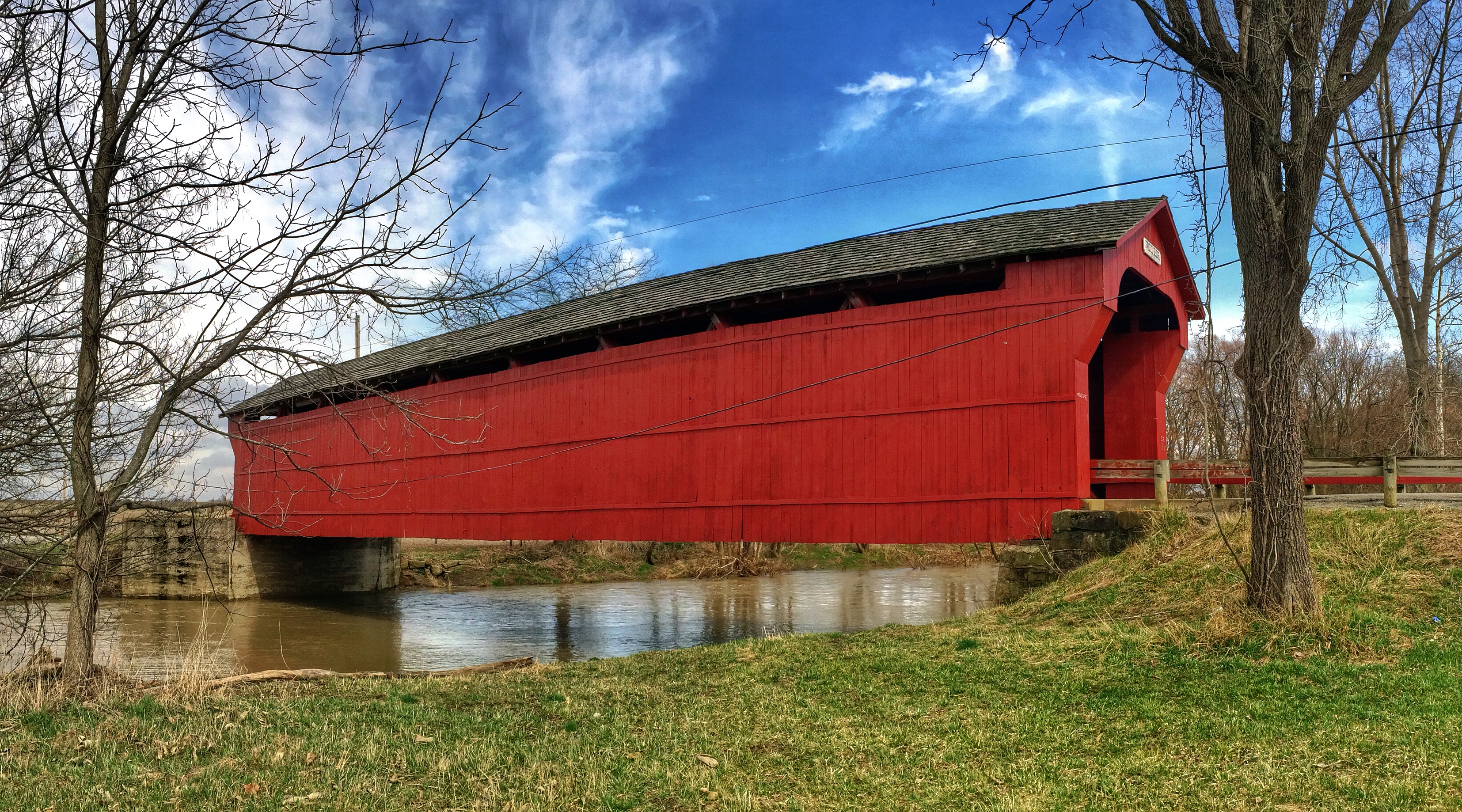
We were heading toward Marion, Ohio to eat at The Warehouse, but we had plenty of time to spare. South of Upper Sandusky, I saw a sign that read “Swartz Covered Bridge” with an arrow pointing to a side road through fields of mud. I made a quick decision and even quicker turn, to my wife’s surprise, and headed east toward I knew not what. A couple miles later, we came upon the bridge. I pulled over and we got out and walked around for maybe ten minutes.

It had been a gray, drizzly day, and not long after we left the bridge it began raining again. But for the few minutes we were there, the sun came out and it was a beautiful spring afternoon.

image

The bridge across the Sandusky River was built in 1878. It’s 101 feet long and 12.8 feet wide.

image

image

image

image

image

Posted in Uncategorized | Comments Off on Swartz Covered Bridge

National Auto & Truck Museum

We had this museum, in Auburn, Indiana, all to ourselves on a rainy Monday morning. In fact, the guy who took our $8 admissions was genuinely surprised that we were there. We saw him and two other volunteers during the two hours it took us to see what there was to see. The buildings were once the production plant of the Auburn Automobile Company.

IMG_3764

IMG_3767

The tour began with a large room filled with cases that were, in turn, filled with model and toy cars and other vehicles. There were additional cases of model cars all around the museum. There was very little signage to inform us about these, but the sheer volume was impressive.

Another room was filled with classic cars much like the ones in the Auburn, Cord, Duesenberg Museum next door — I suspect it might even be overflow from that museum. There was also a restored gas station and diner.

IMG_3738

My primary interest was the antique trucks, and we finally came upon some of these in a second room.

A 1925 Mack. Trucks like this were used by the British Army in World War I, and it was the British troops that gave Mack the nickname “Bulldog.”

IMG_3739

On the left is a 1926 Hendrickson. On the right, a 1918 Oneida.

IMG_3740

A 1933 Indiana Model 85A, built in Marion, Indiana. The plant where it was built was later used to manufacture Corvette body parts.

IMG_3742

A 1927 Klauer Snogo, built in Dubuque, Iowa.

IMG_3741

Toy pedal cars. Some of these were amazingly detailed — I couldn’t help wondering if they were built by an enthusiast and never intended as toys. Note the boat and trailer in the second photo.

IMG_3766

IMG_3768

The highlight of the museum for me was the restored Futurliner No. 10. General Motors built 12 of these and toured the country during the 1940’s and 50’s. They would pull into a town, lift the sides and give the townsfolk a demonstration of modern advances in science and technology, such as jet engines, stereophonic sound, microwave ovens, television, etc. This one was set up with a display that encouraged kids to create their own model cars. The tour was cancelled during World War II but resumed from 1952 to 1956 when television replaced the novelty of the idea.

IMG_3750

IMG_3751

IMG_3748

On the left, a 1910 Buick Model 2, the company’s first commercial truck. On the right is a 1931 Twin Coach, manufactured in Kent, Ohio and frequently used as a mobile bakery.

IMG_3749

1911 McIntyre Bus built in Auburn, Indiana. Along the side of the seats, it says “Slap the Japs.” I’m guessing it was used in a War Bonds parade during World War II.

IMG_3752

1909 McIntyre. Note the phone number.

IMG_3756

I thought this was interesting — a horse-drawn gasoline truck.

IMG_3757

1917 IHC Model F, built in Akron, Ohio.

IMG_3758

1939 Kenworth used as an Emergency Rescue Car by the Portland, Oregon Fire Department.

IMG_3769

IMG_3765

My wife liked this one the best. She said it looked like a ghost truck. I thought it looked rather cartoony. There was no information about it, although we could make out the word “storage” on the side.

IMG_3763

IMG_3762

1946 Dodge Airflow Tanker

IMG_3760

Probably my favorite, although I’d like to see it restored. A 1932 Studebaker Bookmobile used by the Los Angeles Public Library.

IMG_3761

On the left, a 1909 IHC Auto Wagon Model A. The second and third ones are 1922 models.

IMG_3754

The colorful truck on the left is a 1947 KB produced by International Harvester.

IMG_3753

That’s only a small percentage of the vehicles in the museum, but I’m guessing you’ve had enough.

Posted in Uncategorized | Comments Off on National Auto & Truck Museum

Extreme Classics

In 2001, National Geographic Adventure Magazine published a list they called Extreme Classics: The 100 Greatest Adventure Books of All Time. Oddly, the list contained 106 books. I’d read and enjoyed a handful of them, so I decided to make it my goal to read the rest.

I just finished the final book on the list and thought I’d celebrate the occasion with a blog post.

There were some very good books on the list. There were also a lot of books I could have done without.

There were the polar exploration books. One or two of the best of these would have been fine. But they all sounded very much alike after a while — there are only so many things to say about walking on ice. The list even included multiple books about individual expeditions, written by different people. In any case, they were hard to keep separate since they all followed this basic outline.

  1. It was dark.
  2. We were cold.
  3. We ate the dogs.

Then there were the books of about exploring the desert regions of the Middle East and North Africa. They were very different from the polar exploration books. Their outlines could be summed up like this:

  1. It was dry.
  2. We were hot.
  3. We ate the camels.

By far the biggest category was mountain climbing. I have never climbed a mountain. I have never wanted to climb a mountain. I can’t quite figure out why anybody would want to climb a mountain. OK, I can understand why it would be sorta cool to be the very first person to ever stand on the top of a given mountain, but after that … (Update: When I lived in Colorado, I climbed two mountains. I still can’t figure out why anyone would want to.)

Many of these books weren’t even about first ascents. They were about expeditions on mountains that had already been climbed — just not by that particular route or at that particular season of the year. Is it really worth the expense and effort to be the first person to ascend up the previously-considered-unclimbable north face during the month of January only to stand where others had already stood? I don’t see it. And I certainly don’t think it makes a climber any kind of hero. I may be the first person to circle my block hopping on one snowshoe while wearing a Darth Vader costume and leading a llama, but that doesn’t necessarily make it a journey worth the telling. And all these books sounded alike too. The outline goes like this:

  1. It was icy.
  2. We were cold.
  3. We ate our shoes.
  4. Somebody died.
  5. You might think we’re stupid, but we’re proud of ourselves.

By this point, you’re probably wondering why I bothered reading the entire list. There were some excellent reads here, books in which the author told more about what he or she saw and less about what they felt; books written by authors who actually seemed to enjoy what they were doing and didn’t whine about it; books that had — and this is the sine qua non of good travel books — maps that showed all, or almost all, the places mentioned in the text.

If you think you might want to read some adventure classics, but don’t want to tackle this entire list, here are 10 of my favorites.

  • A Lady’s Life in the Rocky Mountains, by Isabella L. Bird — The author, an Englishwoman in her 40s, borrowed a horse and wandered about the American West in 1873 (three years before Custer’s last stand), dealing with hardship and finding adventures with understated aplomb.
  • Carrying the Fire, by Michael Collins — Collins’ story of his astronaut training and two trips into space — on Gemini 10 with John Young; and on Apollo 11 with Neil Armstrong and Buzz Aldrin during which Collins orbited in the command module during the first landing on the moon.
  • Cooper’s Creek, by Alan Moorehead — A failed and tragic attempt to explore the interior of Australia in 1860.
  • Desert Solitaire, by Edward Abbey — Abbey’s account of his two seasons as a park ranger in Utah’s Arches National Monument in the 1950s, before it was “improved.” I disagree with him on almost every subject, but he’s an excellent writer and funny too.
  • The Long Walk, by Slavomir Rawicz — Seven men escaped from prison in Siberia during World War II. Four thousand miles later, some of them made it to India.
  • No Picnic on Mount Kenya, by Felice Benuzzi — Three Italians, stuck in a British prison in Africa during World War II, escaped for the sole purpose of climbing the nearby Mount Kenya. They left a note that said, “Don’t bother coming to look for us. We’ll be back in two weeks.” And they were.
  • The Royal Road to Romance, by Richard Halliburton — The author decided he’d had enough of college and took off on a trip around the world with no money. A great read, and some of it might even be true.
  • Sailing Alone Around the World, by Joshua Slocum — Perhaps the best book on the list. Slocum built his own boat and then took three years to sail it around the world by himself, stopping whenever the mood struck him. Exciting and hilarious at times.
  • The Spirit of St. Louis, by Charles Lindbergh — Lindbergh’s own account of his solo flight across the Atlantic.
  • The Worst Journey in the World, by Apsley Cherry-Garrard — The best of the polar exploration books. The author accompanied Robert Falcon Scott on his famous attempt to reach the South Pole. It’s well-written and occasionally funny. In short, it tells the same story as the other polar exploration books, but does it better.

The entire list can be found here.

Posted in Reading | 1 Comment