Highlights from Recent Reading

“Miss Minnie,” Tol said, “the boy can drive. He can take us to the Fair.”

And Miss Minnie said, “Oh, why didn’t we think of that before?”

She thought and then added, “But, Mr. Proudfoot, won’t it be too expensive?” They were then in the very pit of the Depression and, though she and Tol owed nothing and had savings, she felt that it was appropriate to worry.

“Well,” Tol said, “we ain’t going probably but this once. If we average in all the times we haven’t gone and all the times we ain’t going to go, it’ll come out pretty cheap.”

As always his hat was set far back on his head as if that was just the place he kept it in case he might want to put it on.

from That Distant Land, by Wendell Berry

__________

Nothing in human record suggests that there was ever another bird like the Passenger Pigeon. At the time the Europeans first arrived in North America, Passenger Pigeons likely numbered anywhere from three to five billion. It was the most abundant bird on the continent, if not the planet, and may well have comprised 25 to 40 percent of North America’s bird life. When the flocks moved for migration or foraging, the earth below would be darkened by shadows for hours: famed naturalist John James Audubon recorded a pigeon flight along the Ohio River that eclipsed the sun for three days.

Only the firmament itself could absorb the legions of pigeons without being marked. When the birds descended to nest, feed or roost, hundreds of millions of birds would sprawl across the landscape. The largest nesting on record took up 850 square miles. The birds congregated in numbers large enough to literally destroy the trees on which they gathered. Whether a site offered stately old oaks or scrubby willows, observers described the devastation as similar to that of tornadoes or hurricanes.

One of the largest flights of Passenger Pigeons ever described in detail occurred at Fort Mississauga, Ontario, in May of what was probably 1860. Major W. Ross King was an English hunter and naturalist who spent three years traveling through Canada in pursuit of its “picturesque solitudes” and the wildlife that thrived within these prairies, forests and waters so thinly settled by humans. He had hoped to see one of those vast movements of Passenger Pigeons about which he had read so much, and he was not to be disappointed:

Early in the morning I was appraised by my servant that an extraordinary flock of birds was passing over, such as he had never seen before. Hurrying out and ascending the grassy ramparts, I was perfectly amazed to behold the air filled, the sun obscured by millions of pigeons, not hovering about but darting onwards in a straight line with arrowy flight, in a vast mass a mile or more in breadth, and stretching before and behind as far as the eye could reach.

Swiftly and steadily the column passed over with a rushing sound, and for hours continued in undiminished myriads advancing over the American forests in the eastern horizon, as the myriads that had passed were lost in the western sky.

It was late in the afternoon before any decrease in the mass was perceptible, but they became gradually less dense as the day drew to a close … The duration of the flight being about fourteen hours, viz. from four a.m. to six p.m., the column (allowing a probably velocity of sixty miles an hour) could not have been less than three hundred miles in length, with an average breadth, as before stated of one mile.

During the following day and for several days afterwards, they still continued flying over in immense, though greatly diminished numbers, broken up into flocks and keeping much lower, possibly being weaker or younger birds.

King never offered a numerical estimate, but Schorger, assigning two birds per square yard and a speed of sixty miles an hour, concludes that the flight involved an amazing 3,717,120,000 pigeons.

Forty years later the species was almost extinct, and by late afternoon on September 1, 1914, it was completely extinct when Martha, the last of her species, died in the Cincinnati Zoo.

from A Feathered River Across the Sky, by Joel Greenberg

__________

Perhaps, in the end, we are all removed from the lives we would like to lead, emigrants and exiles to a man. [When I read this, I thought of Romans 8:18-25.]

from Seamanship: A Voyage Along the Wild Coasts of the British Isles, by Adam Nicolson

Posted in Reading | Comments Off on Highlights from Recent Reading

Extinct

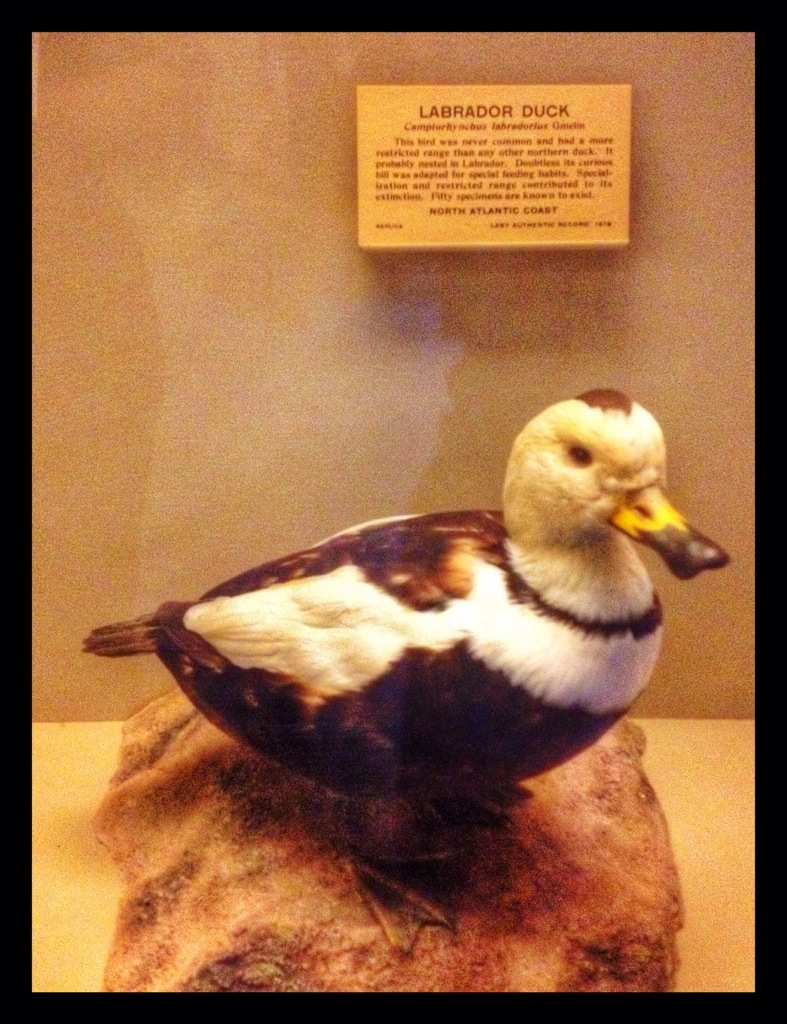
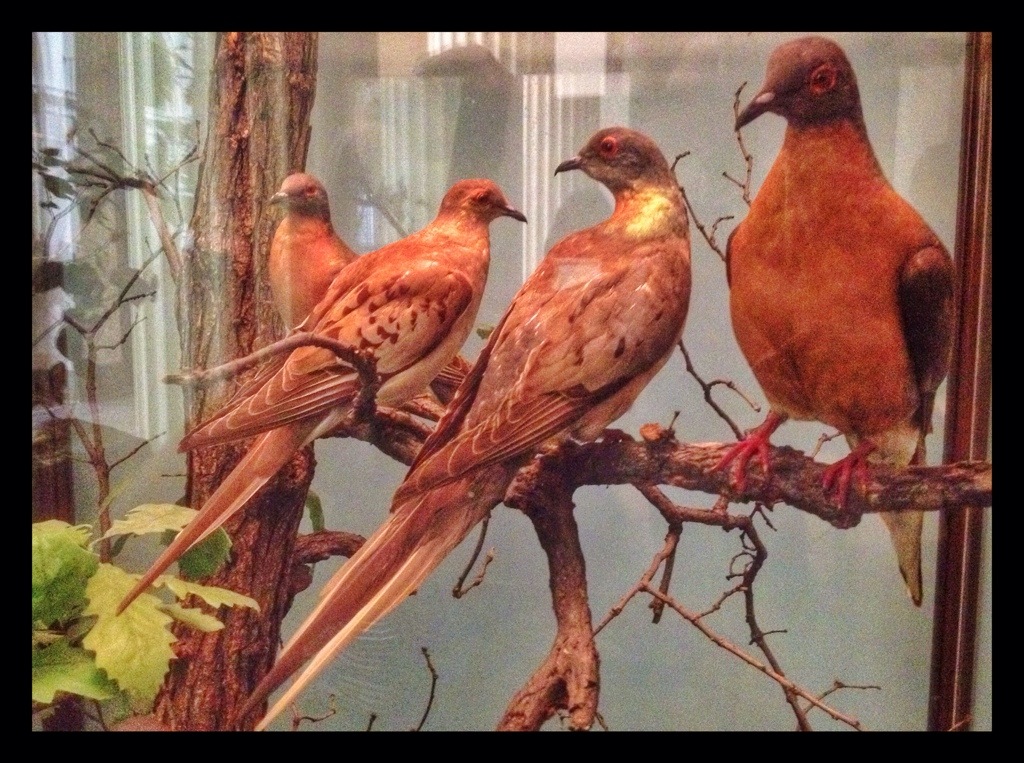
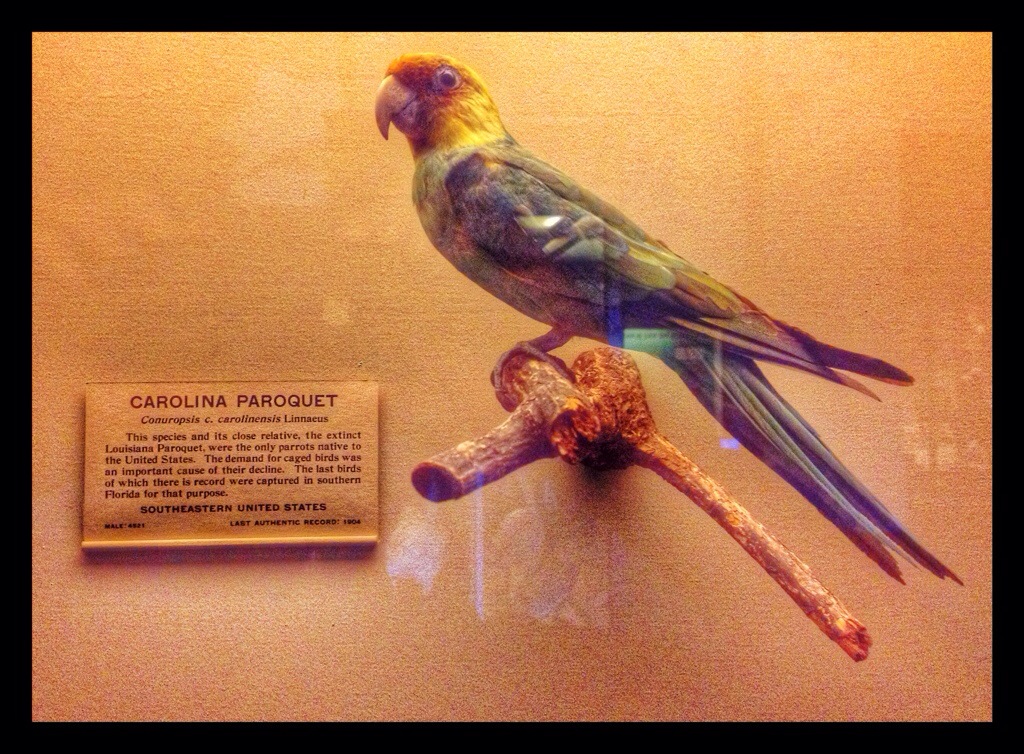
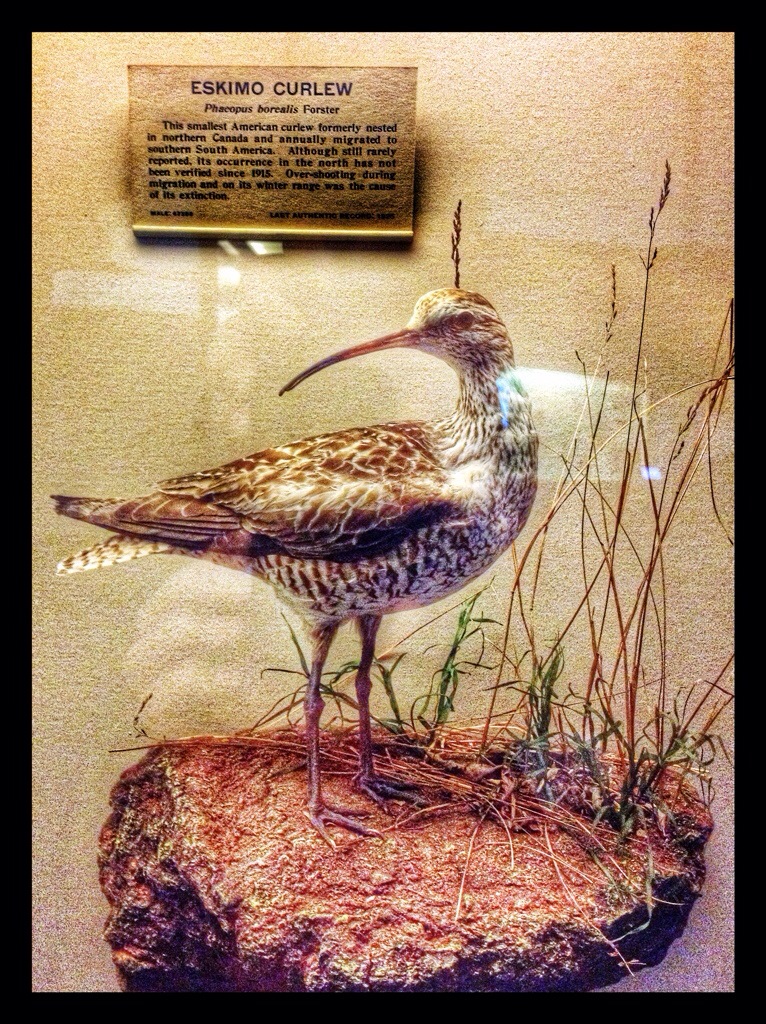
The Field Museum hall of birds is as close as I will ever come to seeing several species of North American birds that have become extinct relatively recently.

Great Auk, last seen in 1852. (The bird in the background is a Razorbill, a closely-related species).

20140726-155603-57363548.jpg

Labrador Duck, last seen in 1878.

20140726-155609-57369583.jpg

Passenger Pigeon. It is thought to have once numbered 5 billion individuals and to have made up, on its own, up to 40% of the North American bird population. The last one died in the Cincinnati Zoo in 1914.

20140726-161555-58555286.jpg

Carolina Parakeet. The last one died in a zoo in 1918.

20140726-155604-57364968.jpg

Ivory-billed Woodpecker. The last positive sighting was in 1944. People have claimed to have seen them as recently as 2006, but have presented no solid evidence. My guess is that, at best, it was just wishful thinking by people who saw what they wanted to see.

20140726-155608-57368166.jpg

20140726-155606-57366493.jpg

Eskimo Curlew, last seen in 1962.

20140726-155604-57364287.jpg

The other bird on the list is the Bachman’s Warbler. It was last seen in 1988, nine years after I started birding! I didn’t see a specimen in the Field Museum.

Posted in Wildlife | Comments Off on Extinct

Field Museum

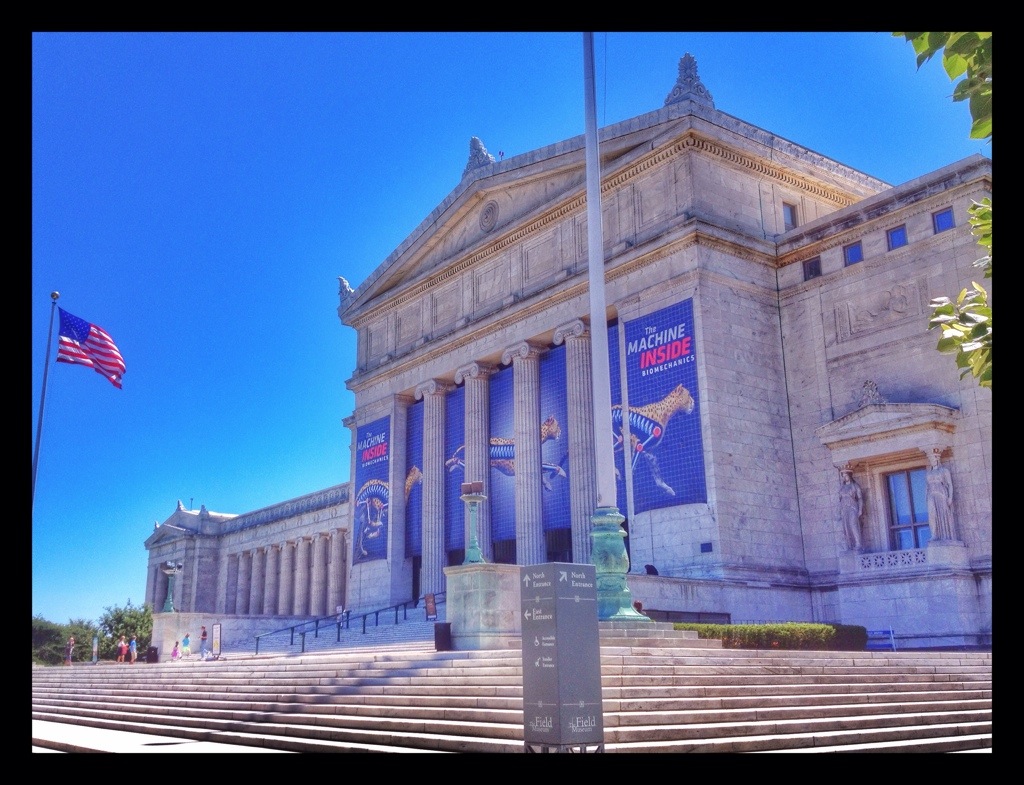
The Field Museum has never been my favorite Chicago museum. The birds and animals are more exciting to see alive at the zoo. I have never found dinosaurs very exciting, especially when draped with all the propaganda about evolution. And the religious trappings of other cultures generally just sadden me.

But family was in town and the Field Museum was one of their objectives. I have never taken photographs during my visits. As you’ve probably figured out by now, that is, to my mind, much like never having been there. So we tagged along. The day was splendid — it was actually a bit chilly (wonderfully so) in the shade.

20140726-161549-58549734.jpg

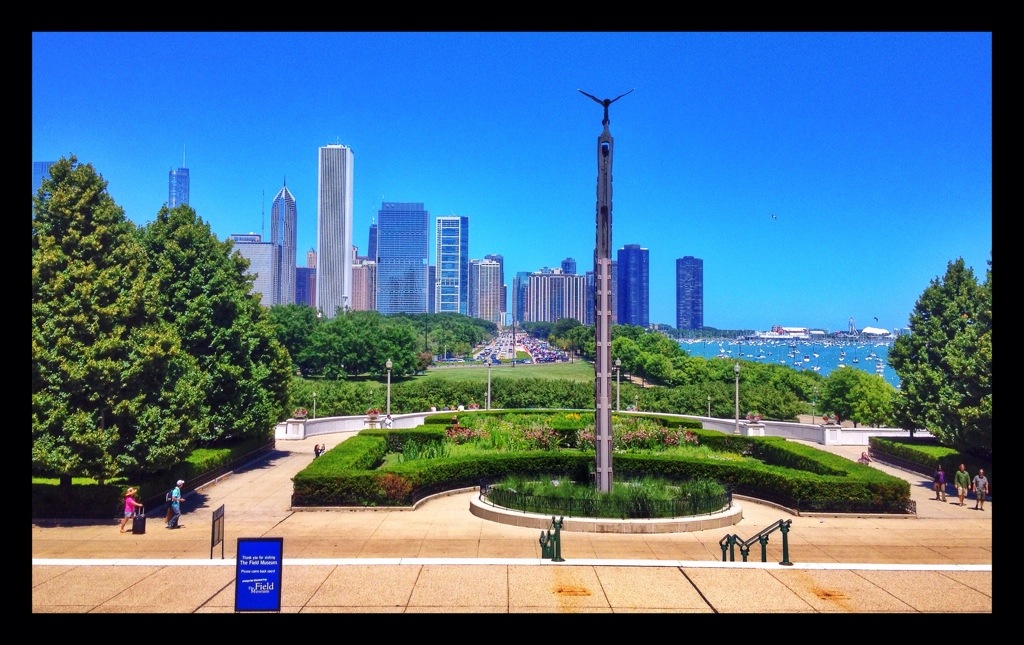
The view north from the front steps.

20140726-161552-58552219.jpg

20140726-155601-57361840.jpg

20140726-155602-57362751.jpg

20140726-161551-58551523.jpg

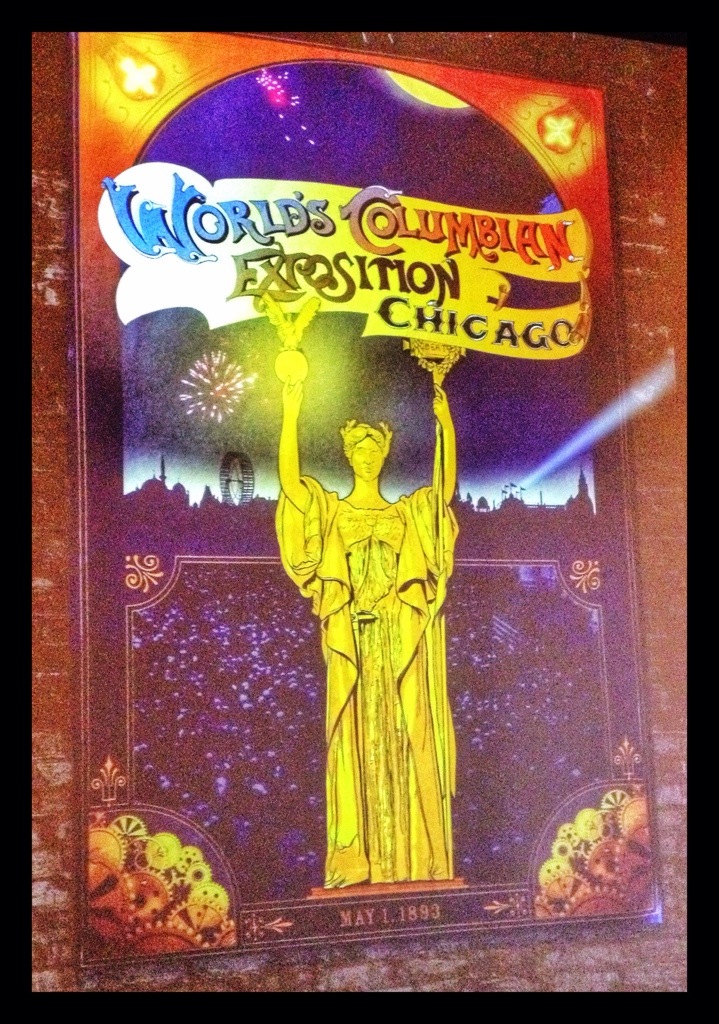
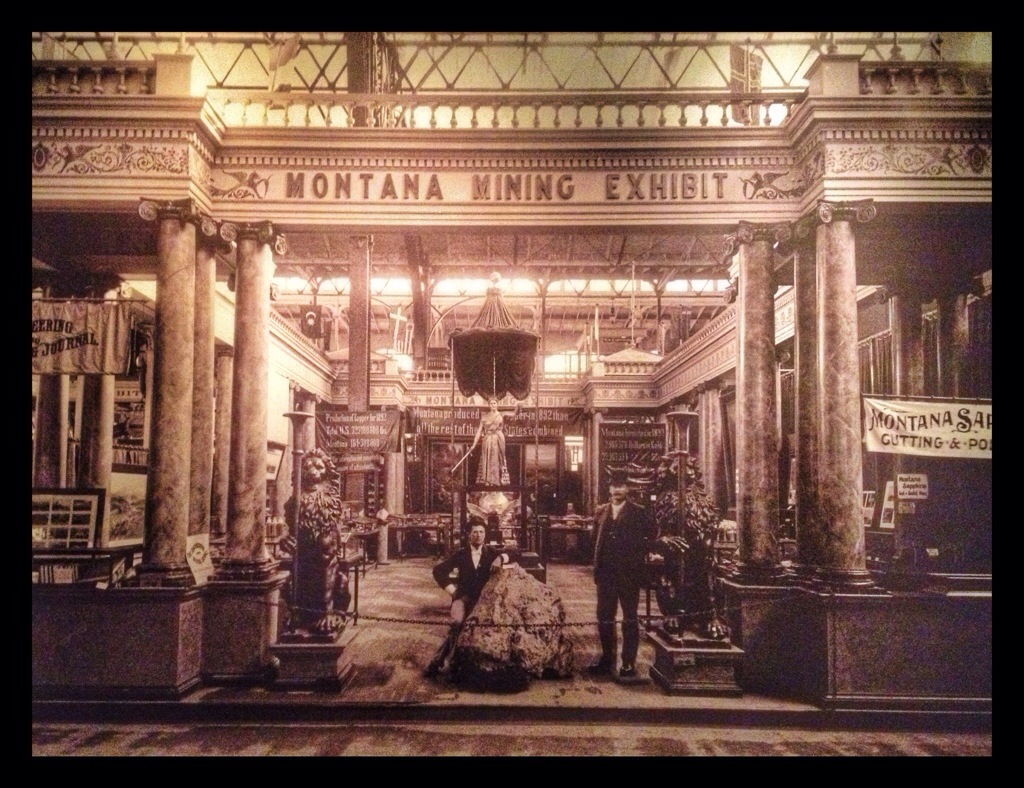
The entrance fee is now $18, which seems extreme. For an extra $7, we could get access to a special exhibit on the 1893 Columbian Exposition. I thought this might be worthwhile.

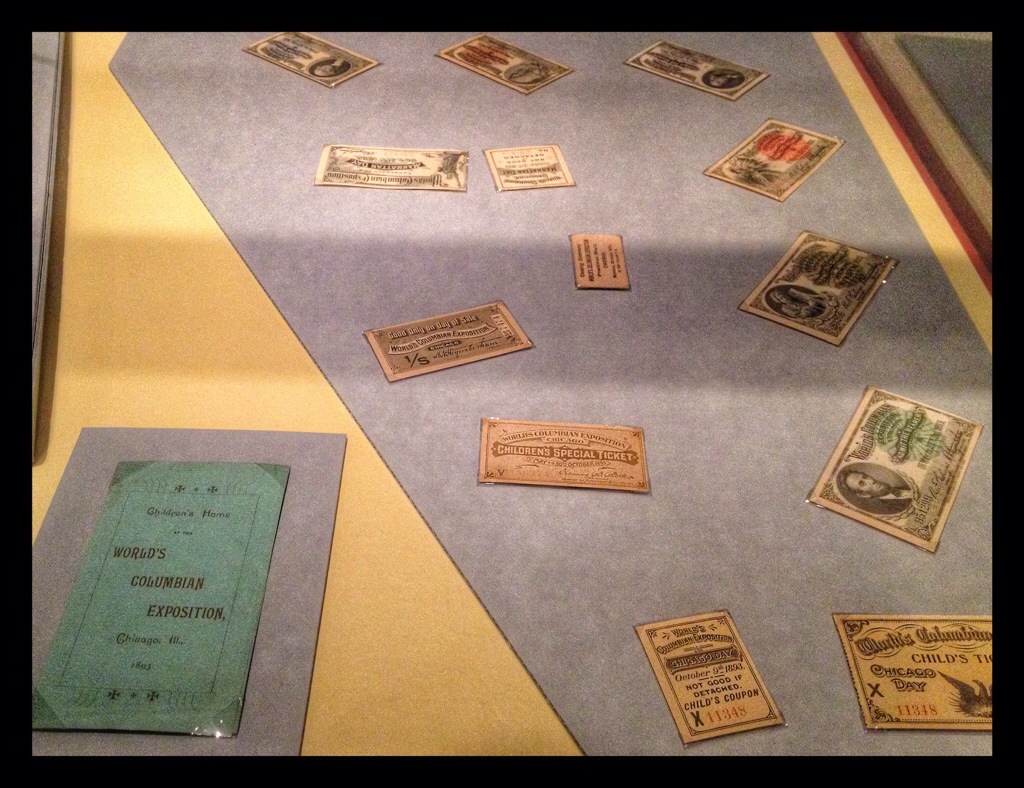
Not so much. One small room had a handful of displays about the fairgrounds and souvenirs.

20140726-161552-58552903.jpg

20140726-161550-58550538.jpg

20140726-161553-58553708.jpg

But the whole rest of the “special” exhibit consisted of items that had been on display at the fair. Like a lion that looked exactly like all the other lions on display in other parts of the museum. Or rocks that looked exactly like all the other rocks on display in other parts of the museum. The whole exhibit filled one room and took about 20 minutes to see thoroughly. Large spaces of the room were empty except for film clips shown on the blank walls. Whether these were actually shot at the fair or are reproductions, I can’t say.


20140726-155605-57365753.jpg

20140726-161548-58548913.jpg

20140726-161547-58547608.jpg

This is a meteorite that could be seen at the fair. It looks exactly like all the other meteorites on display in other parts of the museum.

20140726-161548-58548170.jpg

And that was it.

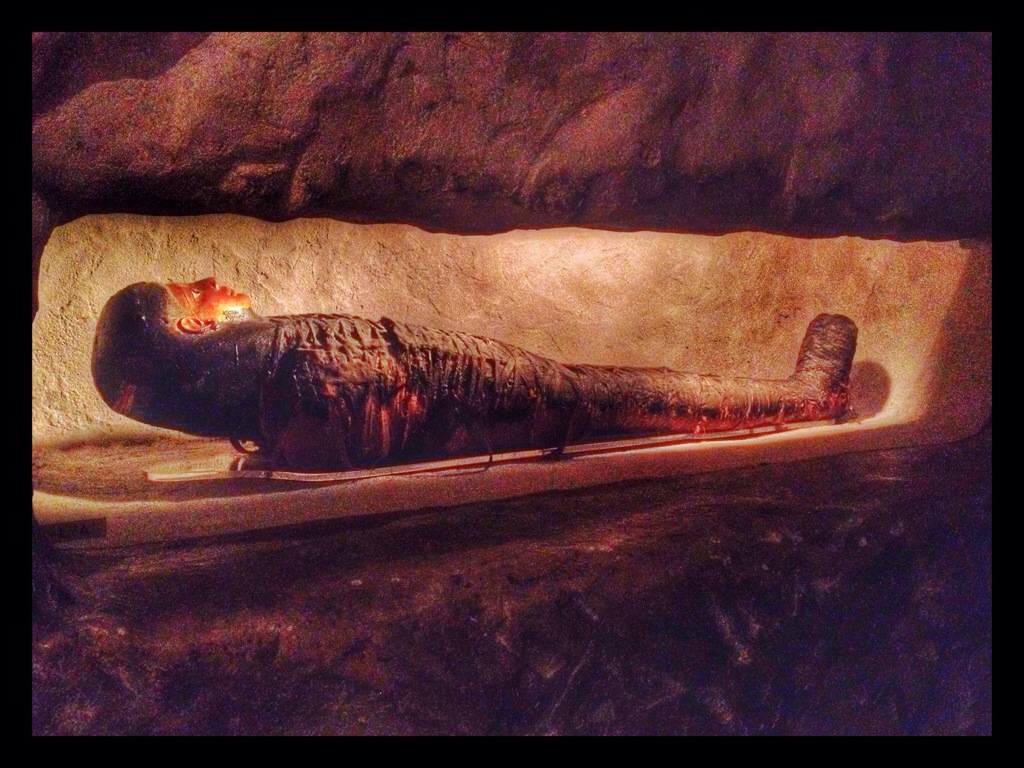
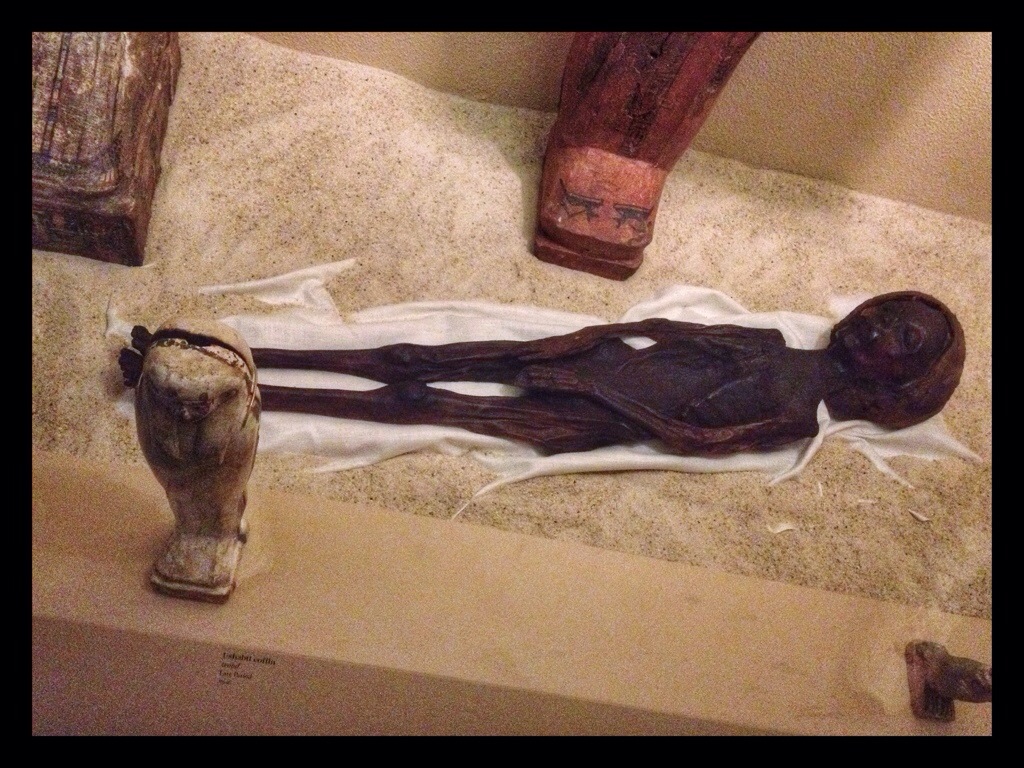
From the fair exhibit, we wandered down to see the mummies in the Egypt room. These were one of the highlights on my childhood visits.

20140726-155610-57370555.jpg

20140726-160543-57943099.jpg

A mummy of a child removed from its wrappings.

20140726-160545-57945621.jpg

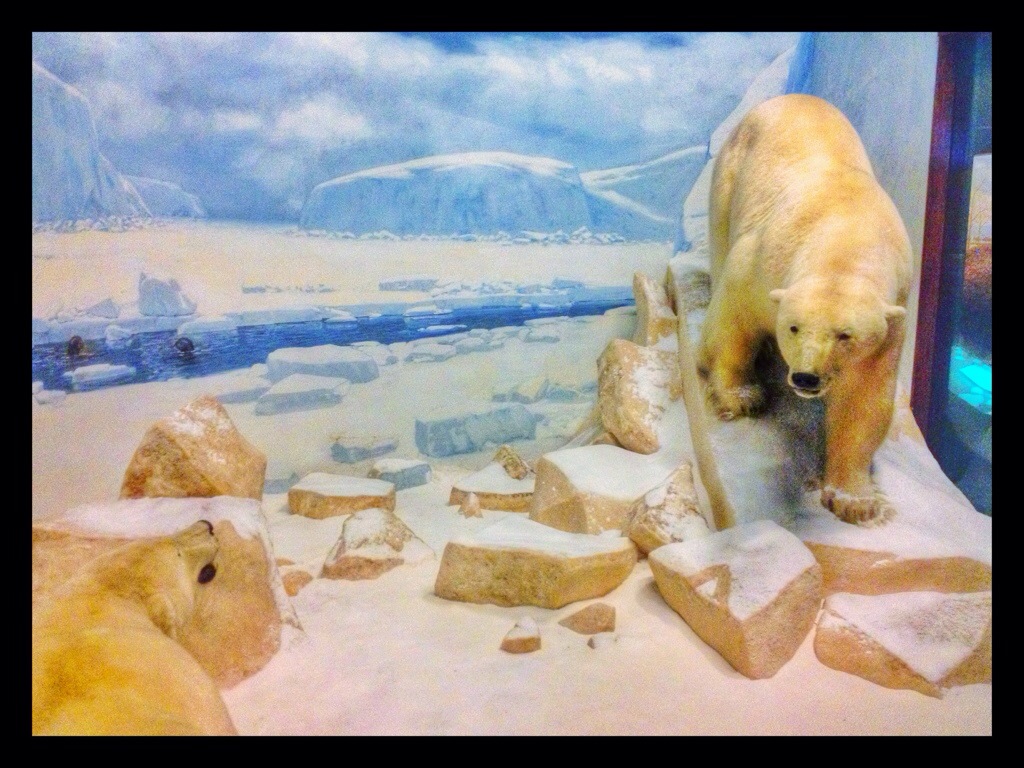
The part I liked best as a kid are the giant dioramas where mounted animals are displayed (although, again, animals are far more interesting in zoos).

20140726-155608-57368892.jpg

20140726-155607-57367391.jpg

Here are the famous man-eating lions of Tsavo, made famous in the movie The Ghost and the Darkness. Col Patterson, of the British army, who eventually killed the lions, claimed they killed 135 workers, although experts think the total was probably closer to 35. Still, if you were one of those 35, it’s a significant number. Male lions in that region of Kenya are, in fact, lacking manes.

20140726-160544-57944012.jpg

We wandered around on our own through various exhibits. We found the gem stones the most enlightening, although I didn’t take any pictures there.

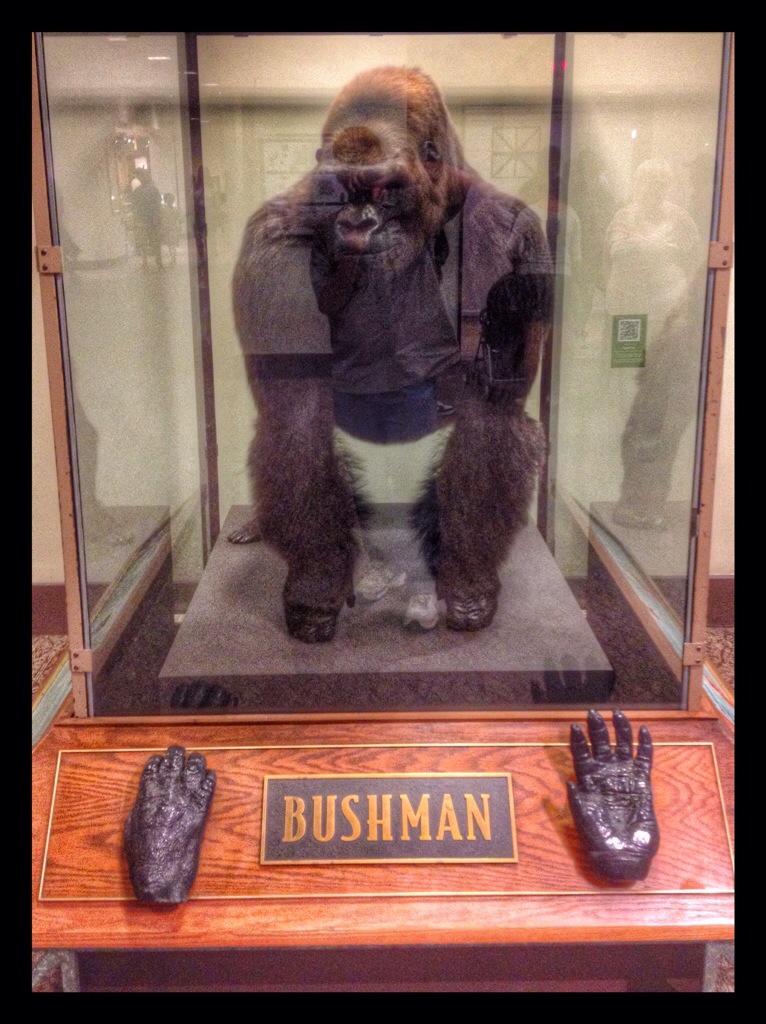
Here’s Bushman, the famous gorilla.

20140726-160544-57944738.jpg

And here’s a display on the lovely bug that killed the ash tree in my yard.

20140726-160546-57946510.jpg

20140726-160547-57947143.jpg

After three hours of thrills we met up in the main lobby by the elephant butts. And now I have proof that I’ve been to the Field Museum and don’t ever have to go again.

Posted in Illinois | Comments Off on Field Museum

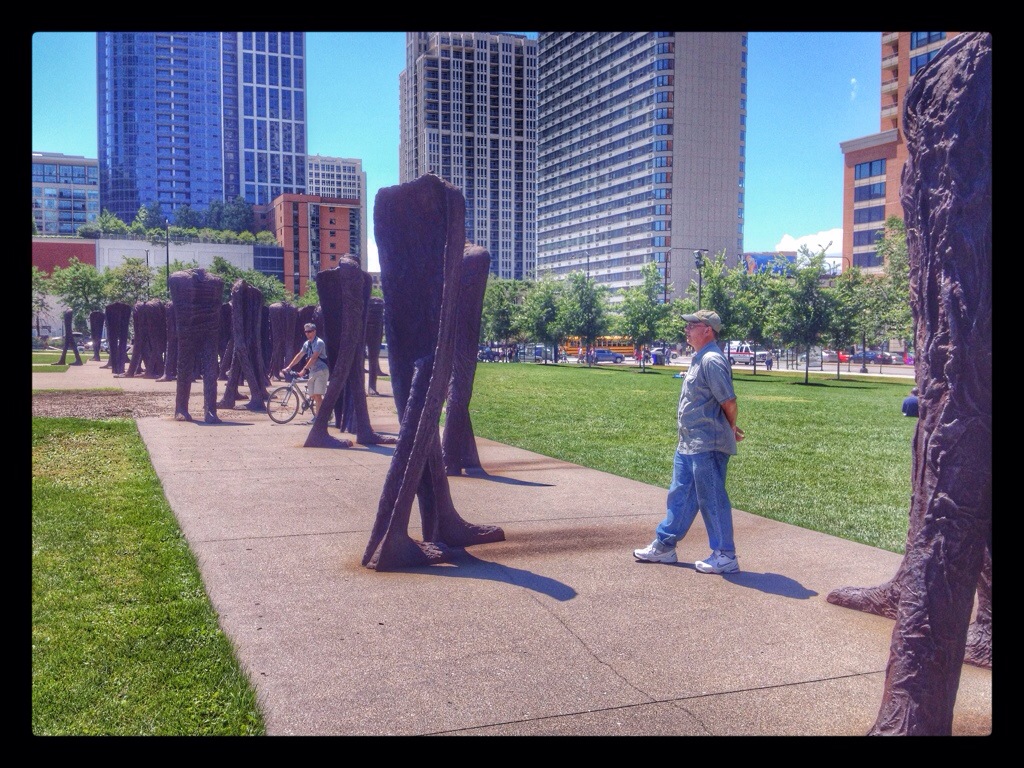
Agora

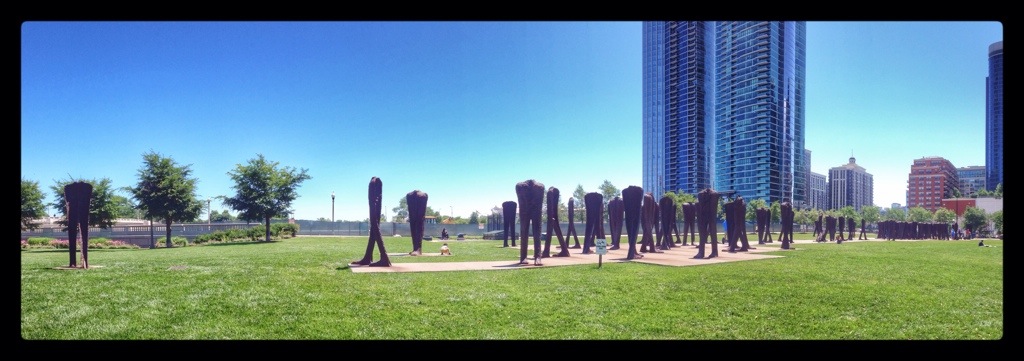
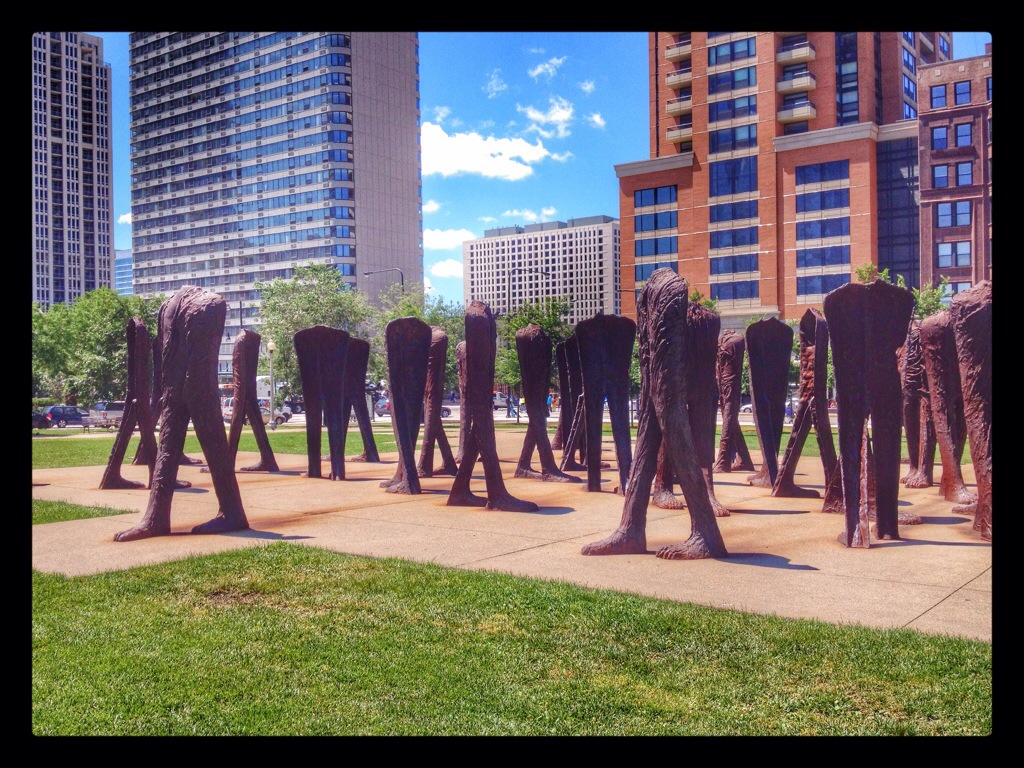
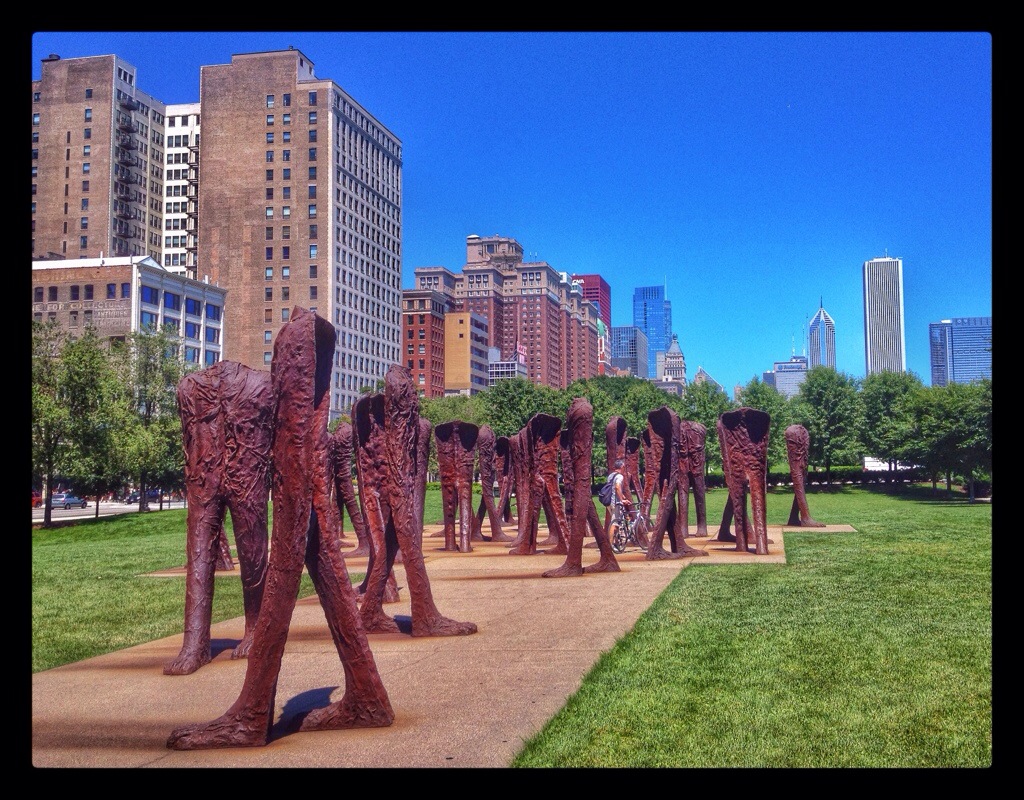
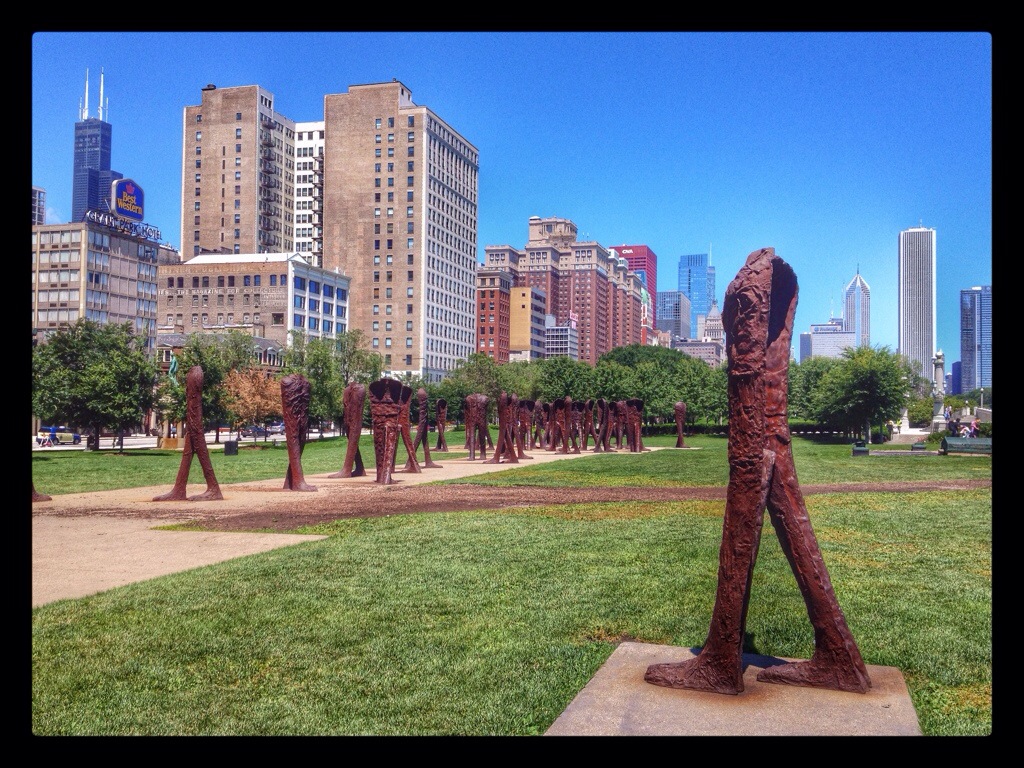
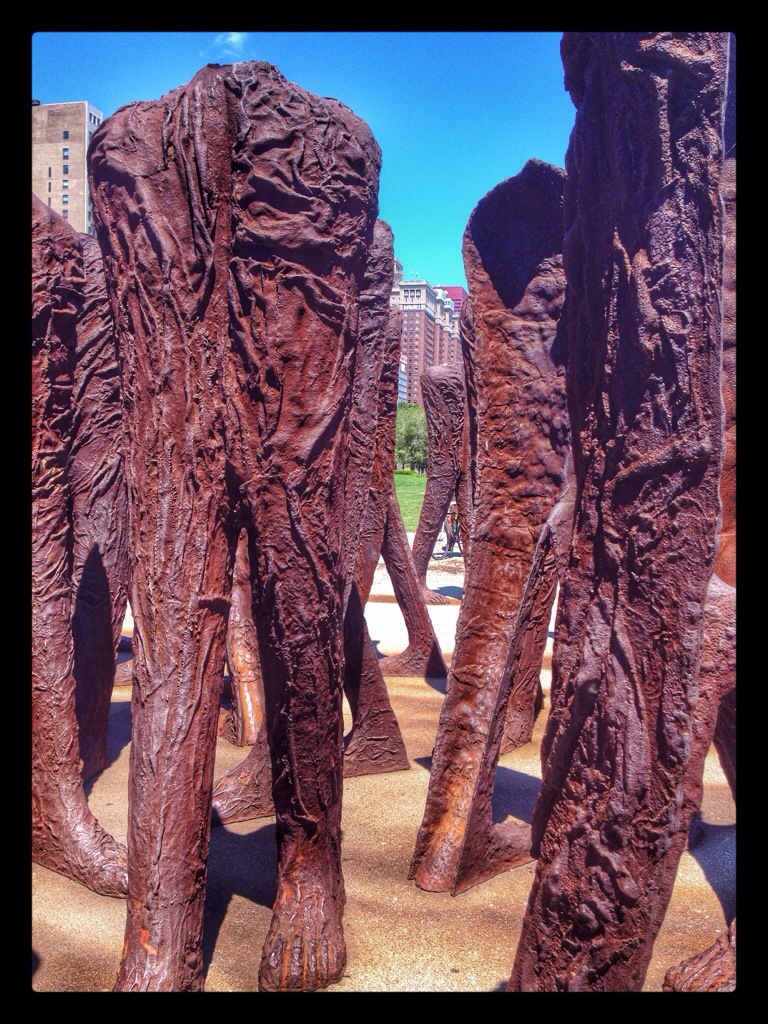
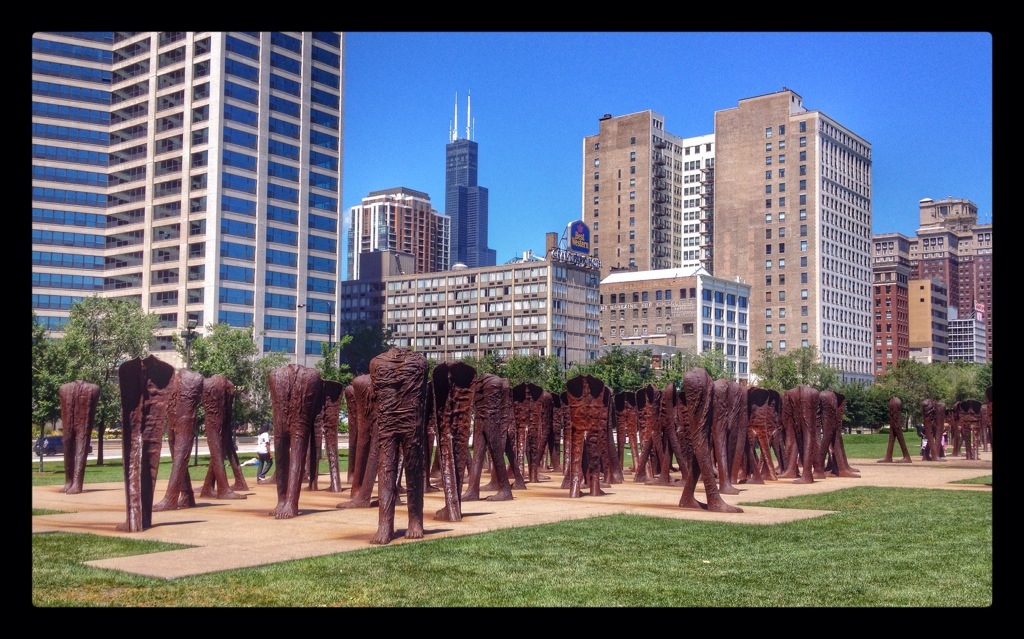
The Agora “sculptural instillation” stands on the south end of Grant Park near the Field Museum. It was created by Magdalena Abakanowicz who, according to the Internet, “was deeply affected by World War II and the forty-five years of Soviet domination that followed. In her journals, she writes that she has lived…  in times which were extraordinary by their various forms of collective hate and collective adulation. Marches and parades worshiped leaders, great and good, who soon turned out to be mass murderers. I was obsessed by the image of the crowd … I suspected that under the human skull, instincts and emotions overpower the intellect without us being aware of it.'”

It’s also on my list of things to do in Chicagoland.

20140726-155233-57153860.jpg

There are 106 headless torso in the group.

20140726-155231-57151939.jpg

20140726-155228-57148283.jpg

20140726-155230-57150135.jpg

20140726-155229-57149179.jpg

20140726-155234-57154524.jpg

Since the actual “thing to do” is to get my photo taken with the sculpture …

20140726-155232-57152749.jpg

Posted in Illinois | Comments Off on Agora

Chicago Architecture Foundation (again)

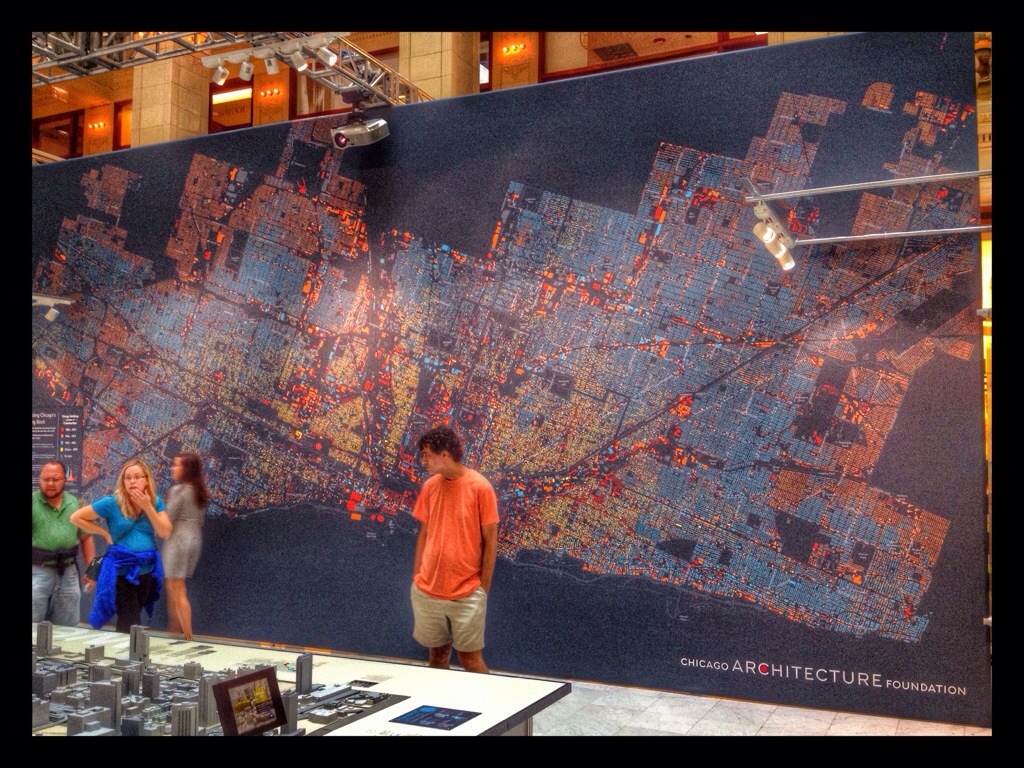
I visited the Chicago Architecture Foundation on Michigan Avenue back in 2009 to see the scale model of the city. Since then, they’ve added colored lights and a map of all the buildings in the city color-coded by age. I foolishly neglected to photograph the key, but I think the yellow buildings are the oldest and the red are the newest.

20140726-155235-57155453.jpg

20140726-155237-57157396.jpg

20140726-155238-57158266.jpg

20140726-155236-57156412.jpg

Posted in Illinois | Comments Off on Chicago Architecture Foundation (again)