Bird #282 — Ash-throated Flycatcher

myiarchus (from myia, fly, and archos, chief) cinerascens (turning ashy)

Sunday, April 1, 1984 — 1:05 pm

Patagonia, Arizona — Patagonia-Sonoita Creek Sanctuary

This Ash-throated Flycatcher was flitting perch to perch in the bushes and small trees at the edge of the woods along the trail on the railway embankment approximately 30 yards from the creek.  It called occasionally.

Posted in Wildlife | Comments Off on Bird #282 — Ash-throated Flycatcher

Bird #281 — Gray Hawk

buteo (hawk) nitidus (bright, shining)

Sunday, April 1, 1984 — 1:00 pm

Patagonia, Arizona — Patagonia-Sonoita Creek Sanctuary

This bird is one of the specialties of the Sanctuary. We first spotted it flying to a perch near the top of a very large, very tall cottonwood in the woods along the creek. We were quite a ways off, but just happened to have a clear view through gaps in the intervening trees. It perched there looking about.

Later on it took off and soared high above. It chased a Red-tailed Hawk, giving a loud “keer-er” call. Still later, we spotted three of them flying high over the woods and surrounding fields.

arizona4269

Posted in Wildlife | Comments Off on Bird #281 — Gray Hawk

Bird #280 — Bewick’s Wren

thryomanes (from thryon, a reed, and manes, cup, refers to nest) bewickii (given by John James Audubon for his friend Thomas Bewick, English artist and wood engraver)

Sunday, April 1, 1984 — 12:50 pm

Patagonia, Arizona — Patagonia-Sonoita Creek Sanctuary

The path curled about 30 yards away from the creek and continued on a railroad causeway. We were passing a small field when we saw this wren hopping about in the scrub and tangle at the edge of the woods.

Posted in Wildlife | Comments Off on Bird #280 — Bewick’s Wren

Bird #279 — Lucy’s Warbler

vermivora (from vermis, worm, and vorare, to devour) luciae (Dr. James Cooper, prominent 19th-century ornithologist, discovered this warbler in 1861 and named it for Lucy Hunter Baird, then 13-year-old daughter of Spencer F. Baird, later secretary of the Smithsonian Institution)

Sunday, April 1, 1984 — 12:30 pm

Patagonia, Arizona — Patagonia-Sonoita Creek Sanctuary

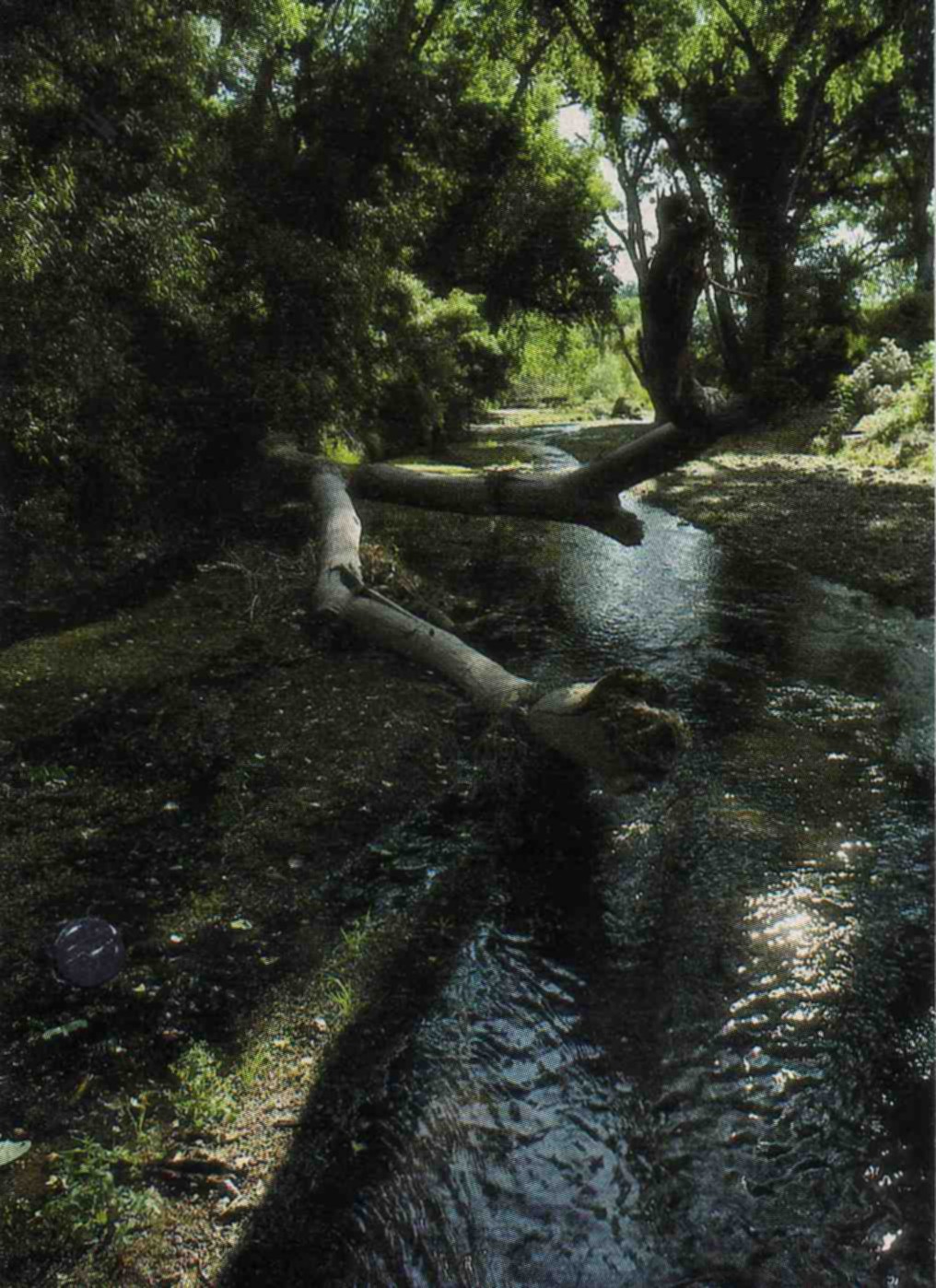
I had a bit of help with this one, and I’ll never know if I needed it. We were wandering along the trail through the woods along the creek when we happened upon a ranger. He told us to watch for the Lucy’s Warblers up ahead, but cautioned us that the chestnut on the crown and rump were not nearly as conspicuous as the field guides lead one to believe and that they could easily be mistaken for kinglets.

Everything was as he said it would be. The Lucy’s Warblers were flitting and foraging through the trees along the creek, occasionally singing their “weeta weeta weeta chee chee chee” song. I did see a few brief flashes of chestnut on a crown or rump, but I had to look hard for it.

Posted in Wildlife | Comments Off on Bird #279 — Lucy’s Warbler

Bird #278 — Black Phoebe

sayornis (for Thomas Say, American entomologist who accompanied Stephen Long on his 19th-century expedition to the Rocky Mountains during which the phoebe was described, and ornis, bird) nigricans (blackish)

Sunday, April 1, 1984 — 12:20 pm

Patagonia, Arizona — Patagonia-Sonoita Creek Sanctuary

The Black Phoebe is what you get if you cross an Eastern Phoebe and a Dark-eyed Junco. Its size, shape, and posture are very similar to the Eastern Phoebe. It is black all over except for a white belly. It was flitting about in the brush and small trees in the woods along the creek. It wagged its tail when it perched.

Posted in Wildlife | Comments Off on Bird #278 — Black Phoebe