Today wasn’t rare because of the number of species I saw (24), the number of lifers I found (0), or even the rarity of the birds I saw (although some of them are pretty rare in Colorado). It was rare because I saw all of the target birds I was hoping to see.
A couple weeks ago, I drove to the community of Alice, high up in the mountains north of Idaho Springs. I saw all three species of Rosy-Finch, which was nice. But I missed Pine Grosbeaks and Cassin’s Finches, which were being seen there regularly. Both species have continued to be seen, so I made another trip.
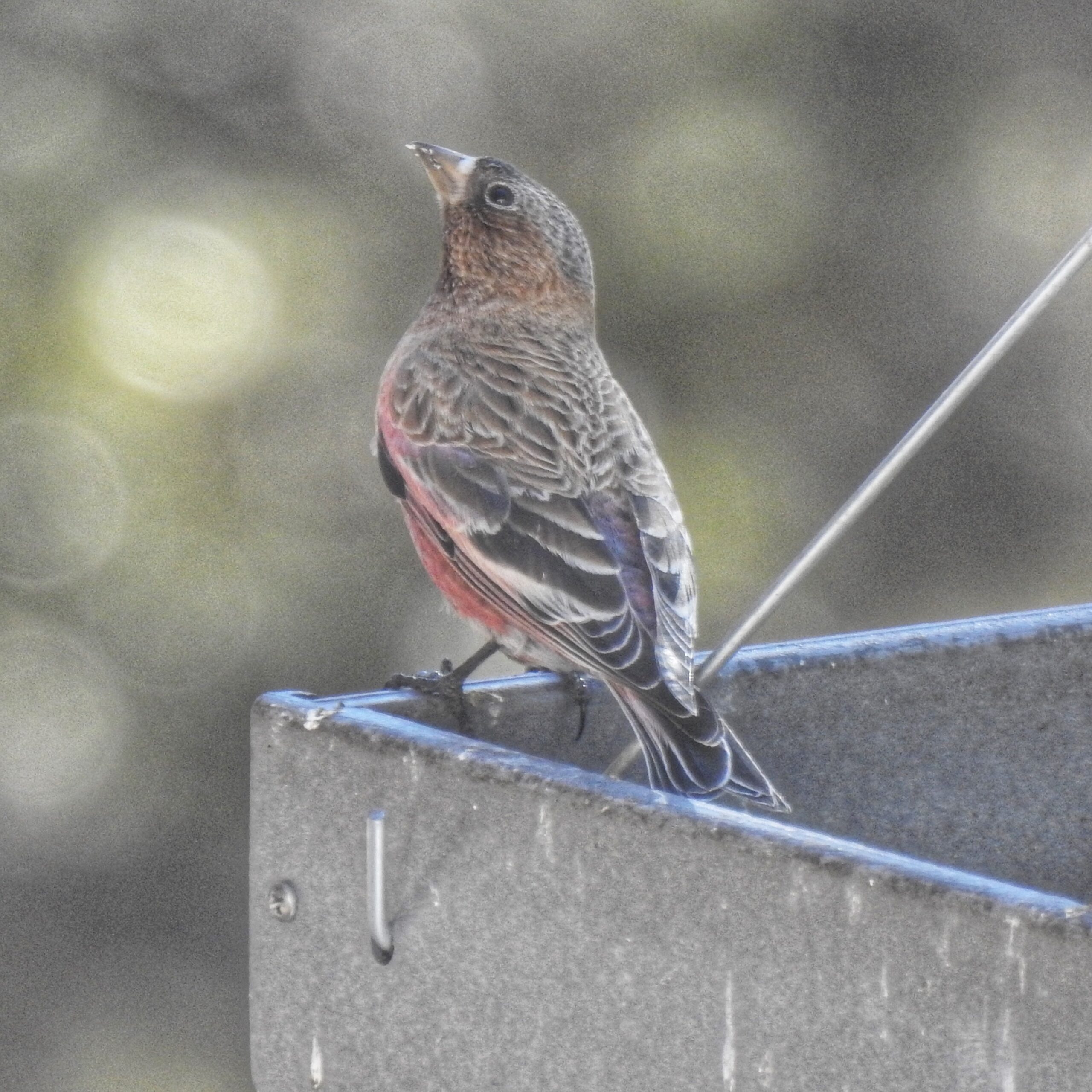
Cassin’s Finch (two males and then a female). There were six or seven that came and went.


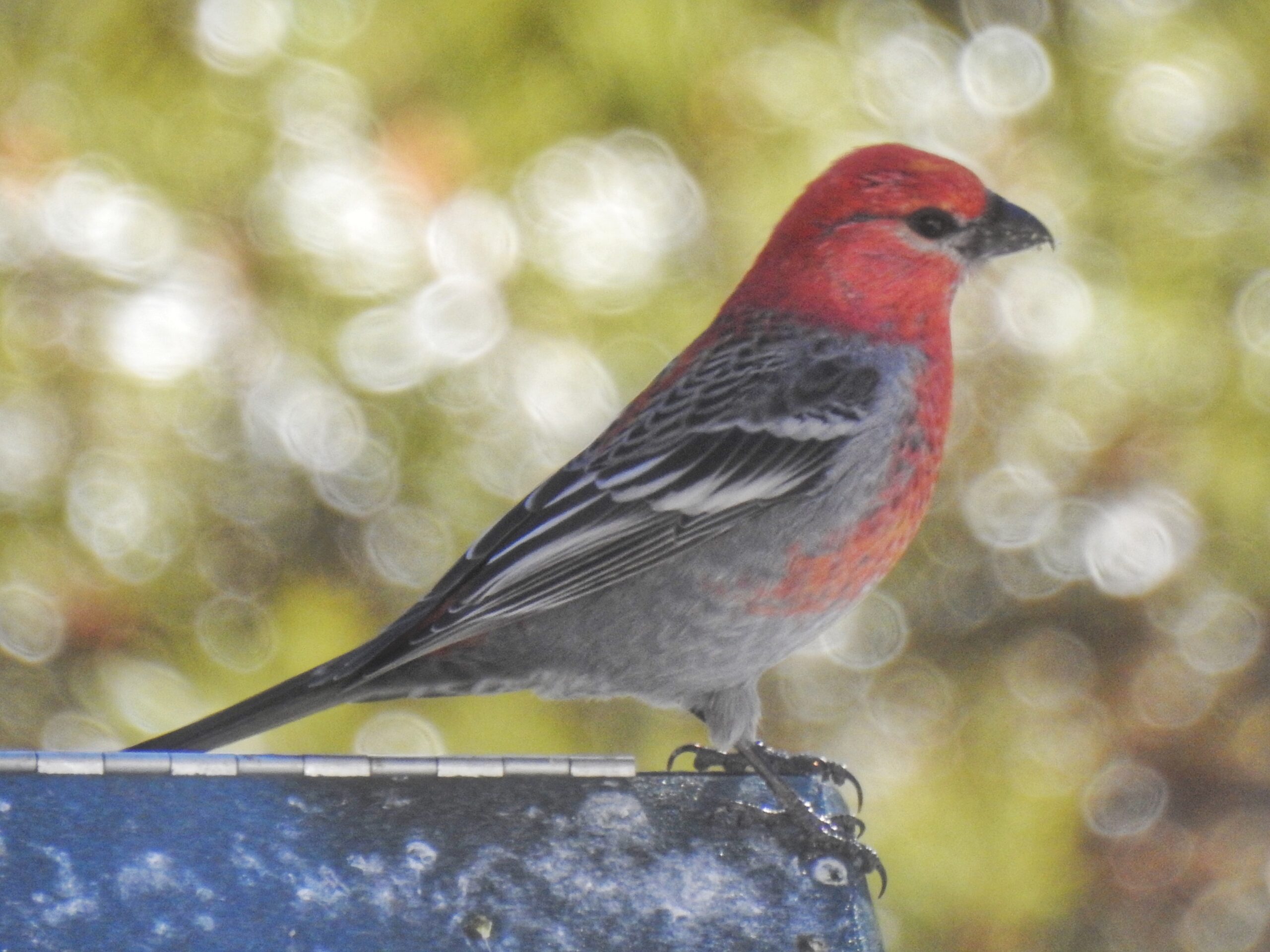
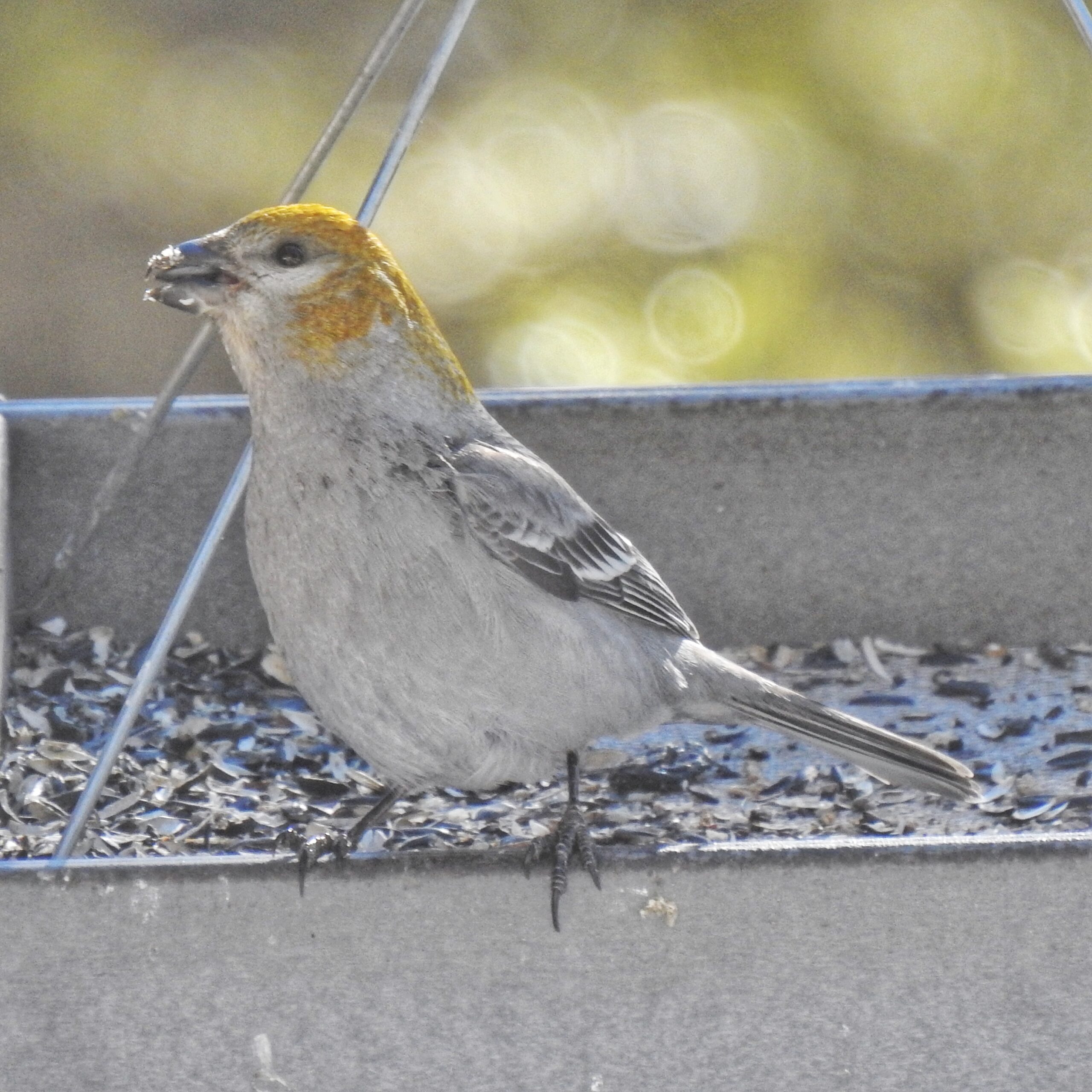
Pine Grosbeak (two photos of a male and two of a female). I only saw the one male, and he didn’t stick around long. I think I saw three females, but I’m not sure.

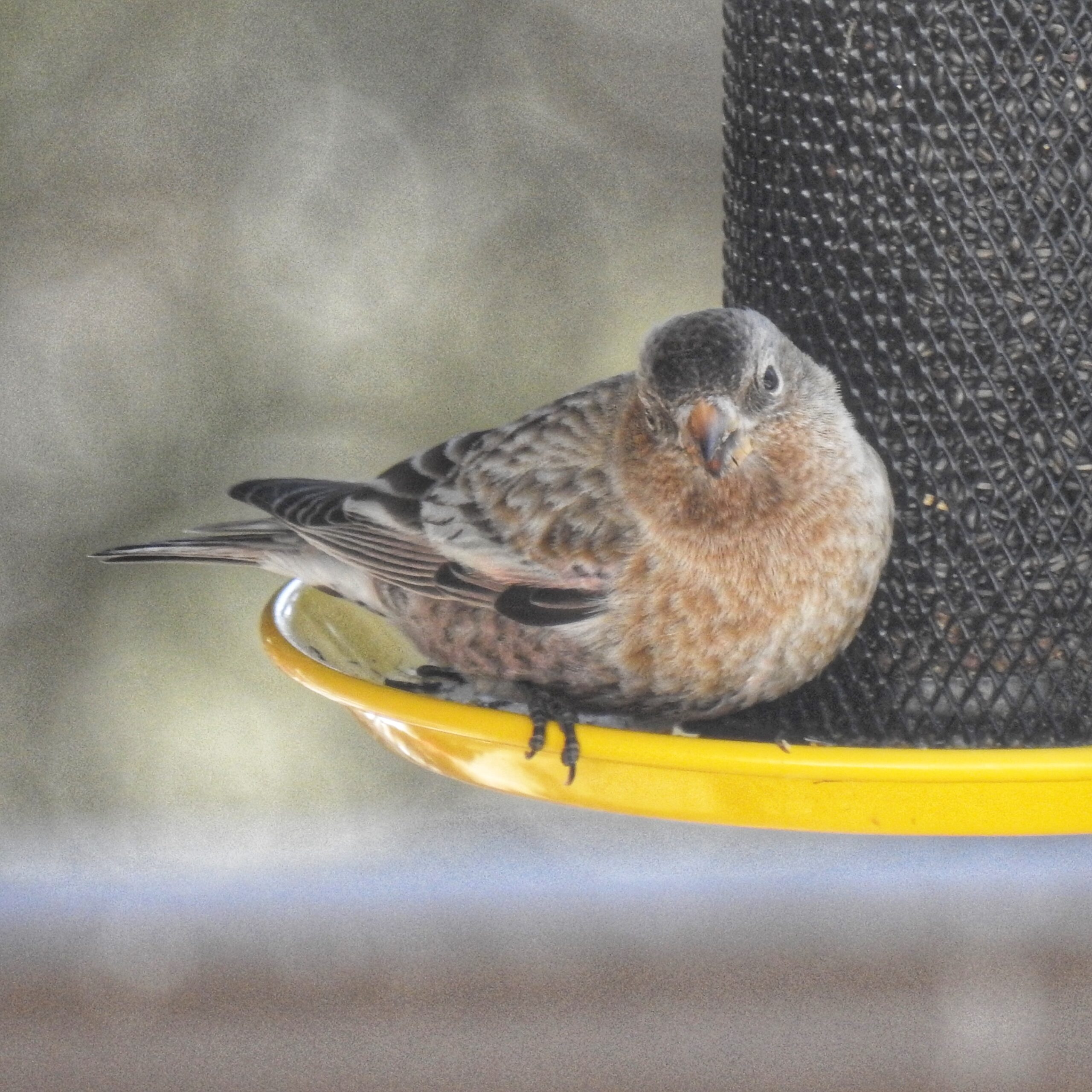
(A Brown-capped Rosy-Finch in the background)

Brown-capped Rosy-Finch
Clark’s Nutcracker

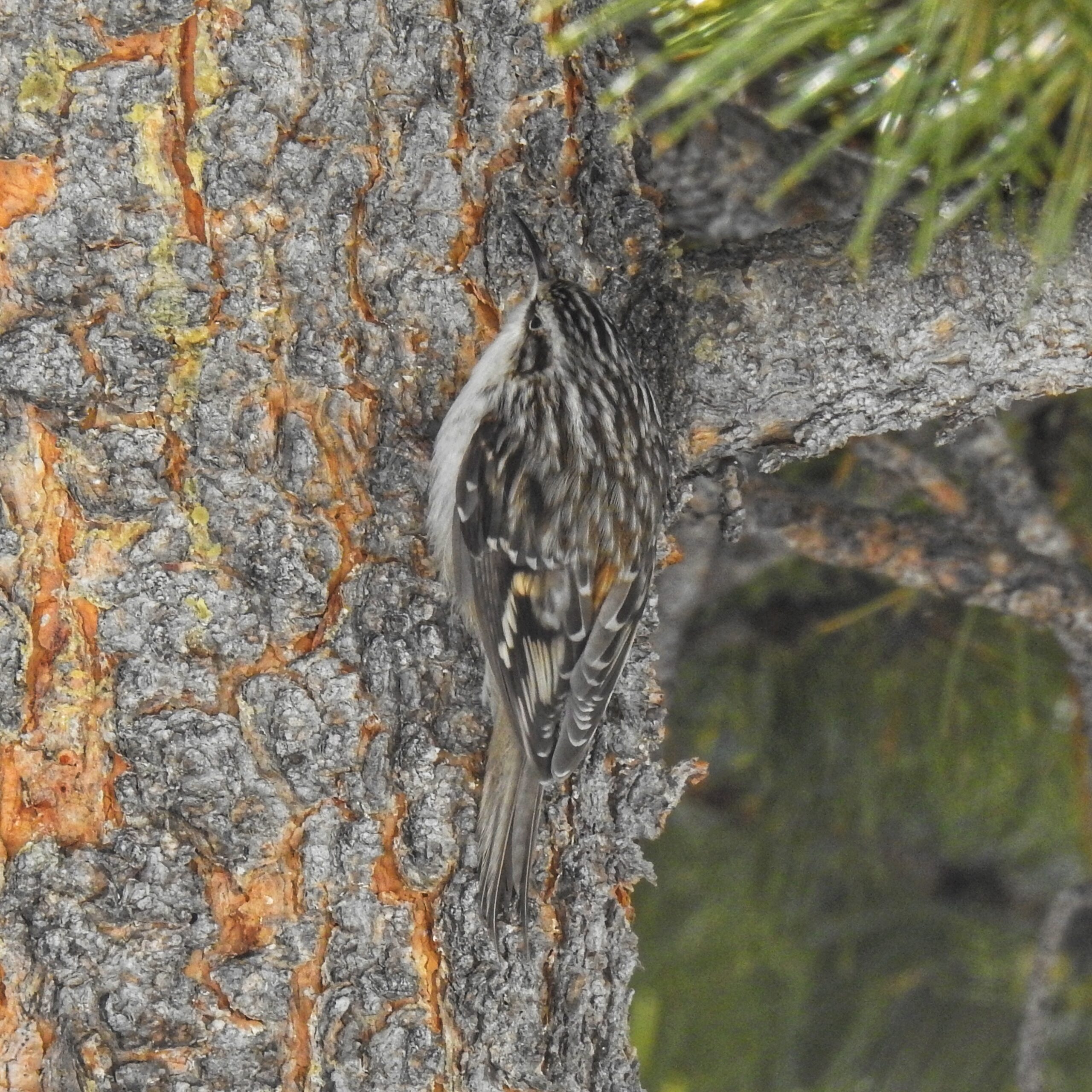
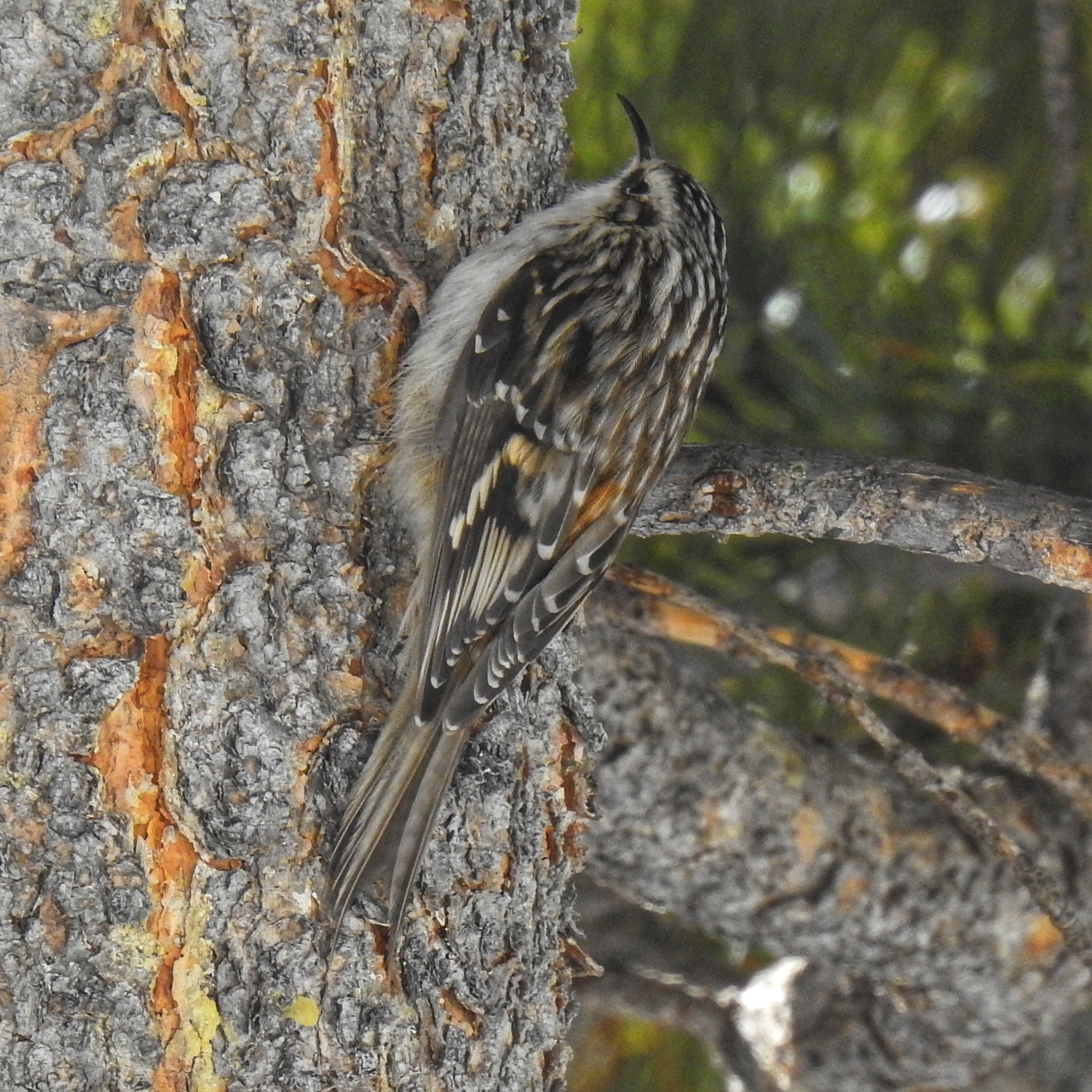
Brown Creeper
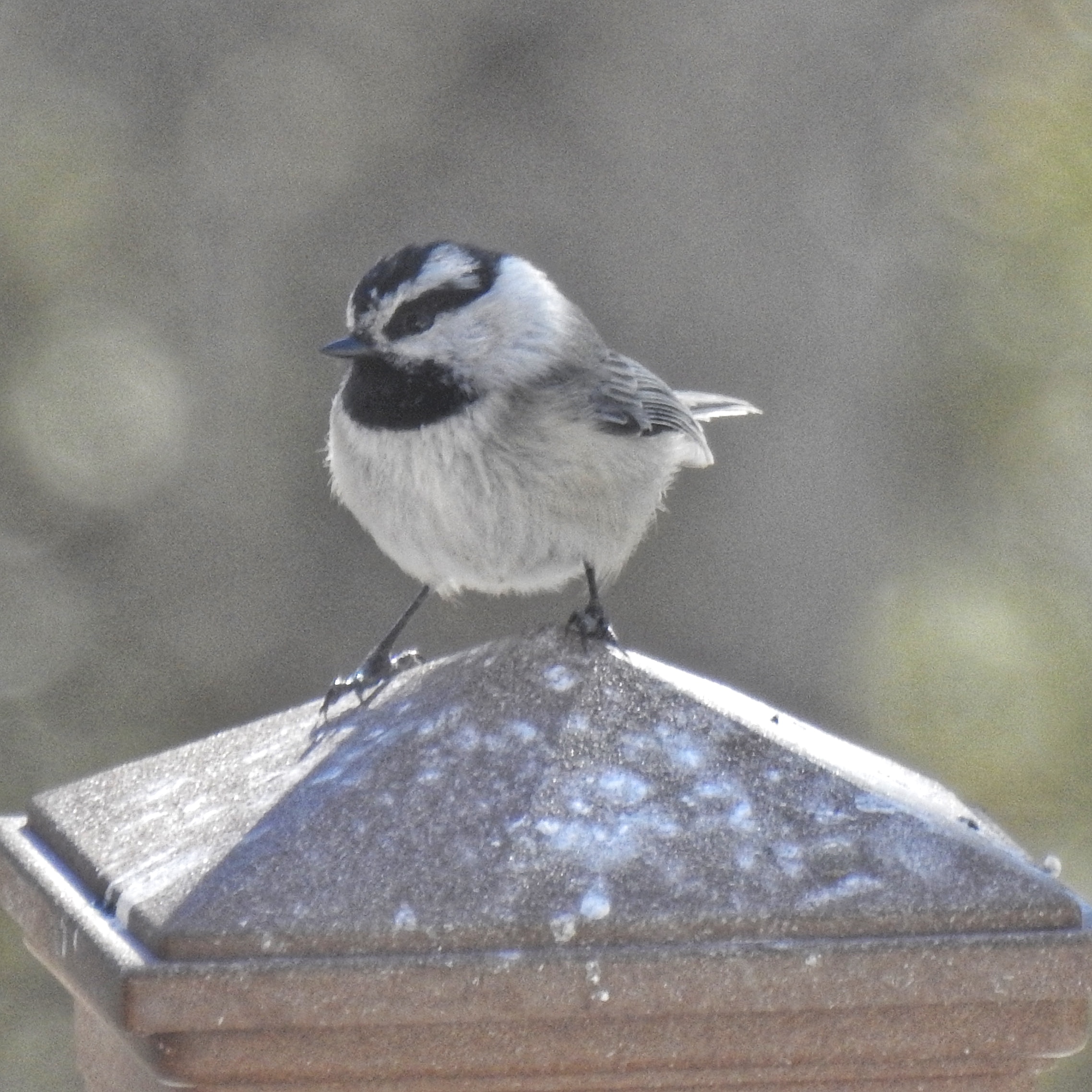
Mountain Chickadee
From there, I drove to Standley Lake in Westminster to look for two Tundra Swans that were seen yesterday. I drove into the park and discovered a fee station. When I expressed surprise, the woman in the booth told me I could park for free just up the road and walk into the park. And so I did. After a long walk through snow and mud and more mud, I got to the lake and discovered the swans sleeping on the ice about half a mile away. With the light behind them. I thought I could get a better view from the other side of the lake, so I drove several miles and hiked a couple more through more snow and mud and more mud, only to find that I could get no closer from that side — maybe not even as close — although the light was better.
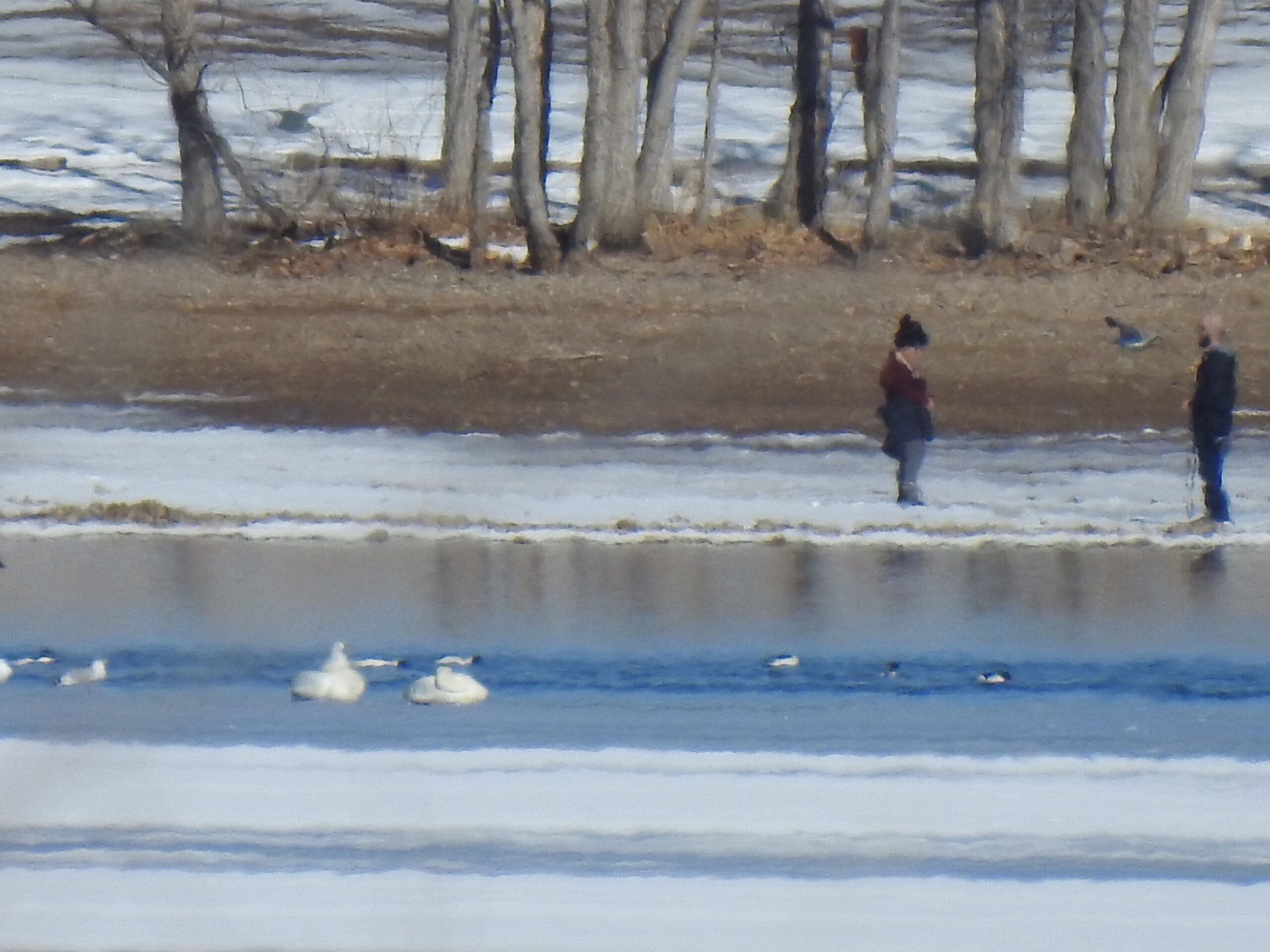
OK, confession. I normally wouldn’t count these, because, although I’m pretty sure they’re swans and not bags of laundry, I certainly can’t tell whether they’re Tundra or Trumpeter Swans from this distance. But I did see some close-up photos of these very birds taken yesterday, so I know what they are, and I did walk through a great deal of mud to see them, and that ought to count for something. I’d never count them for a lifer, but for a year list, why not?
In spite of all the mud-walking, I still hadn’t gotten in my five miles, so on the way home, I stopped at Bear Creek Trail in Lakewood to look for a Pacific Wren that I missed a couple weeks ago. I was standing by the log jam where it’s been seen so frequently when I saw two women with binoculars walk with determination down a nearby path along the creek. They acted like they had a destination in mind, so I followed and came upon one of the women actually looking at the wren. It was in the brush in the woods, about 30 yards from the creek, foraging rapidly through the sticks. The three of us watched it for about 20 minutes, waiting patiently for good photos, and our patience paid off.
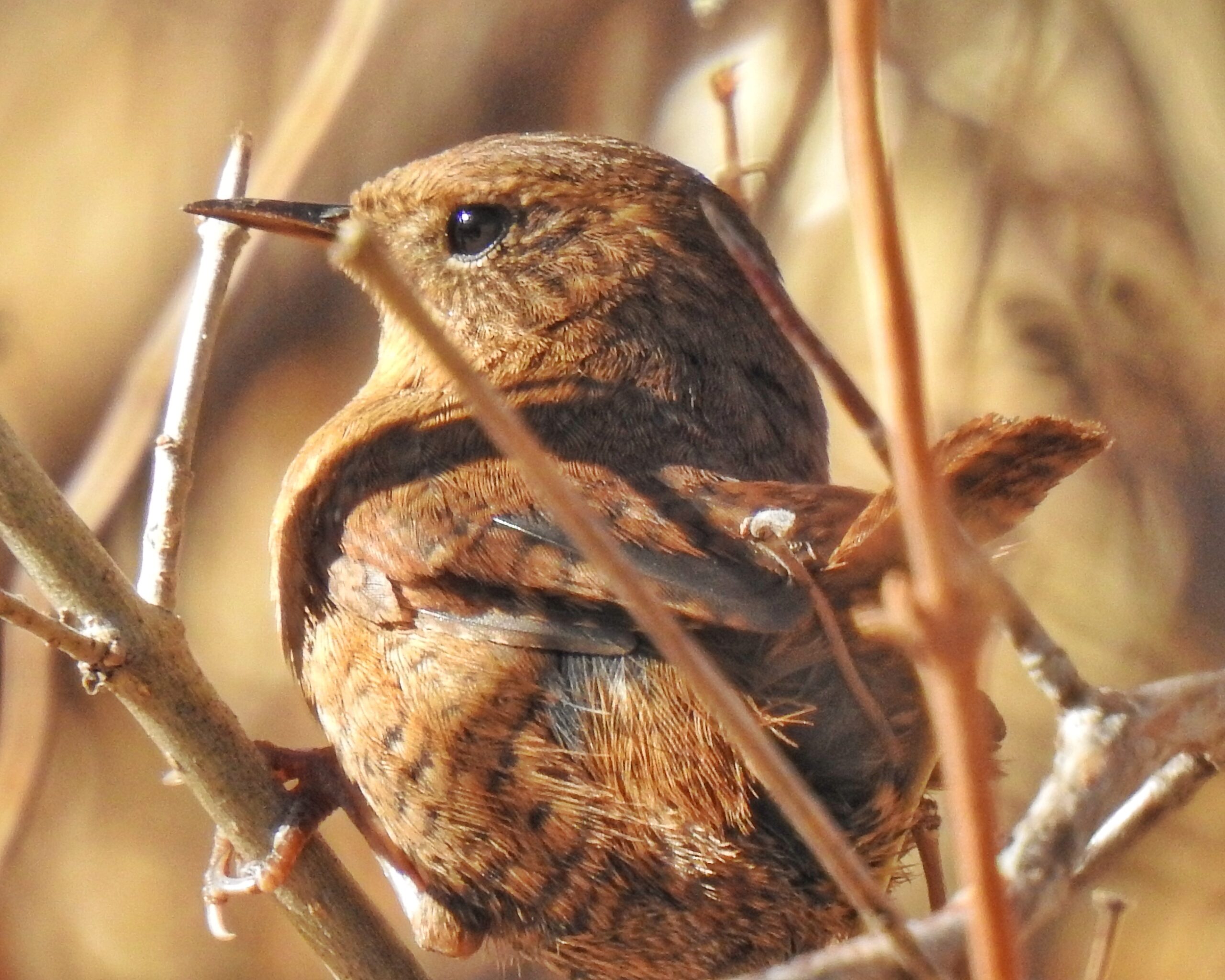
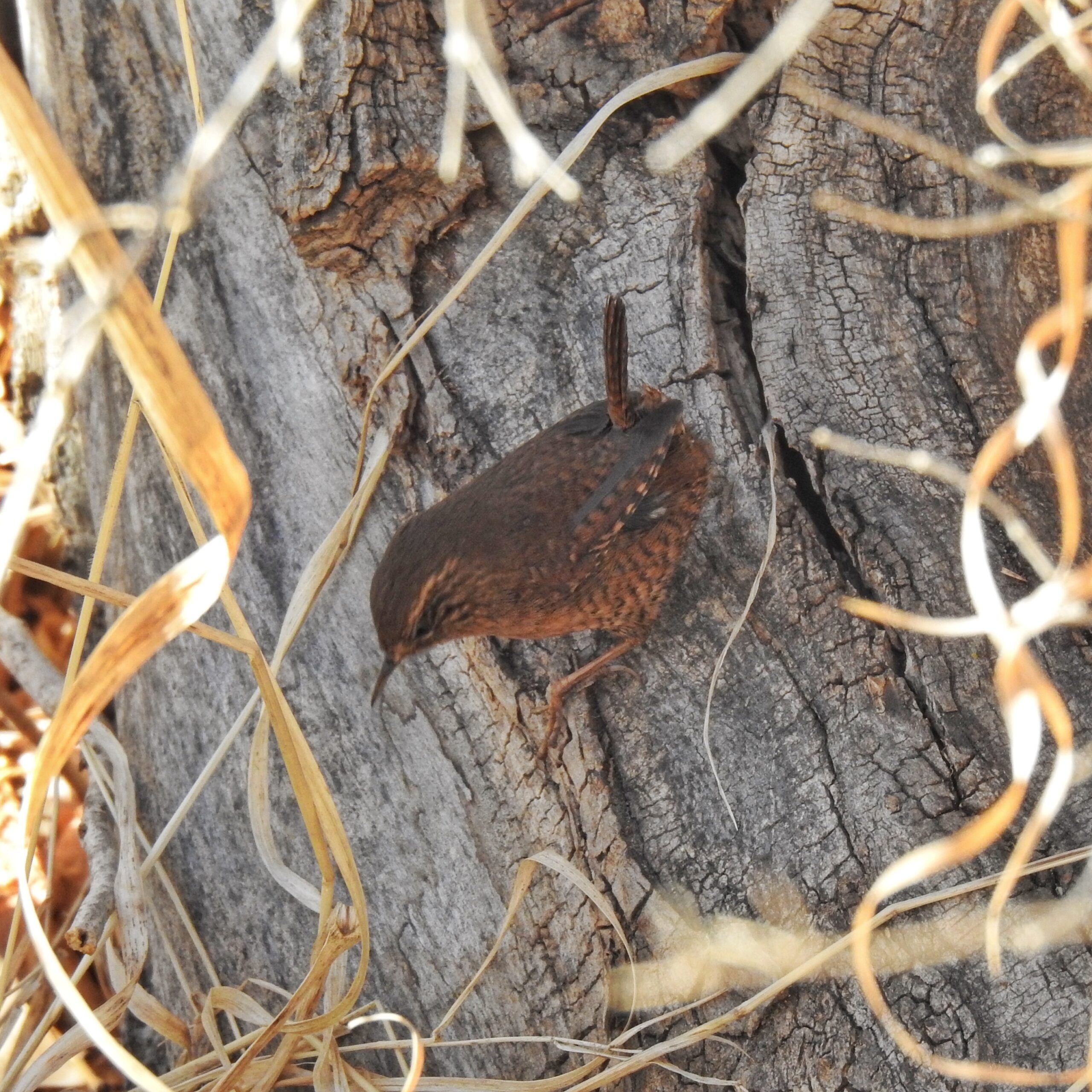
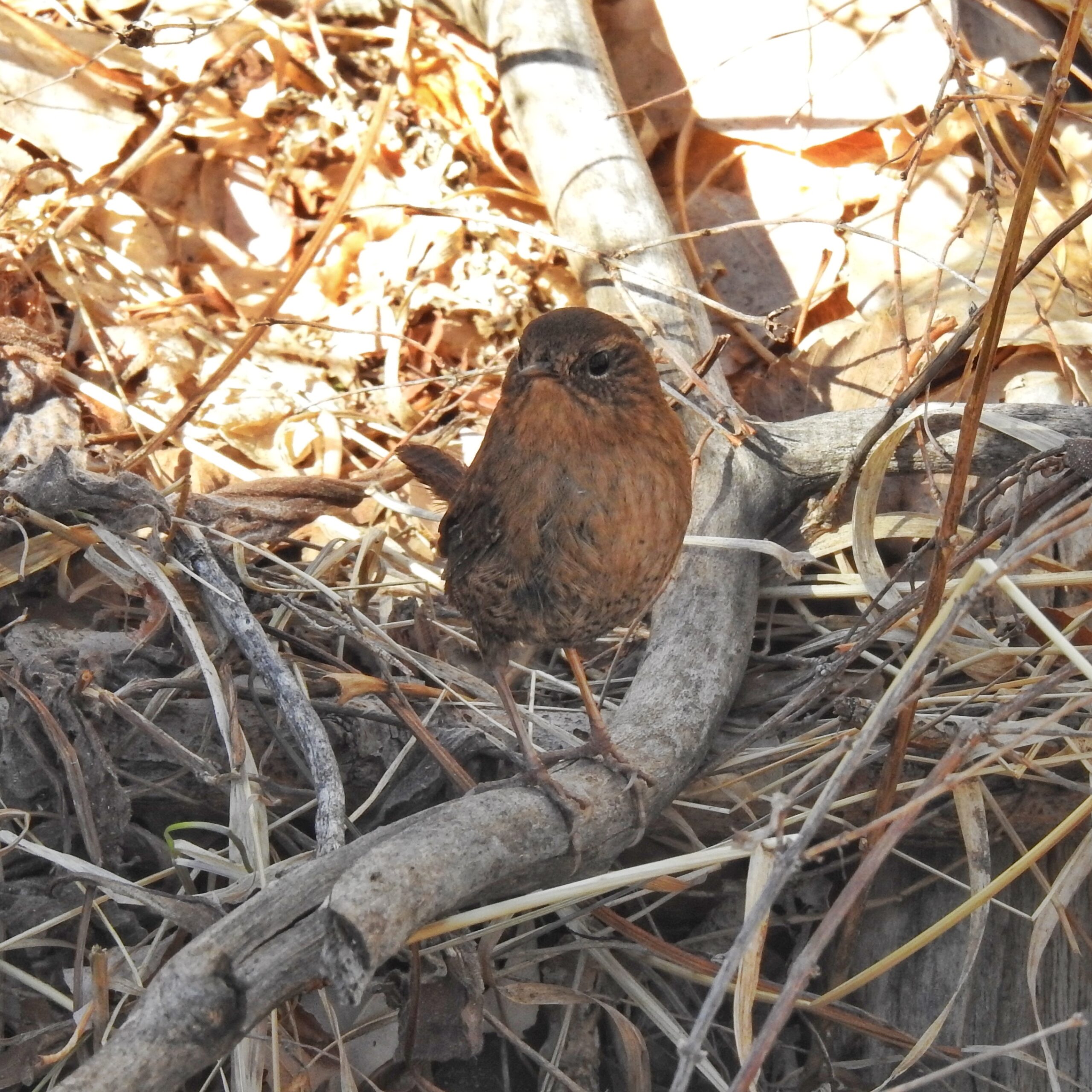
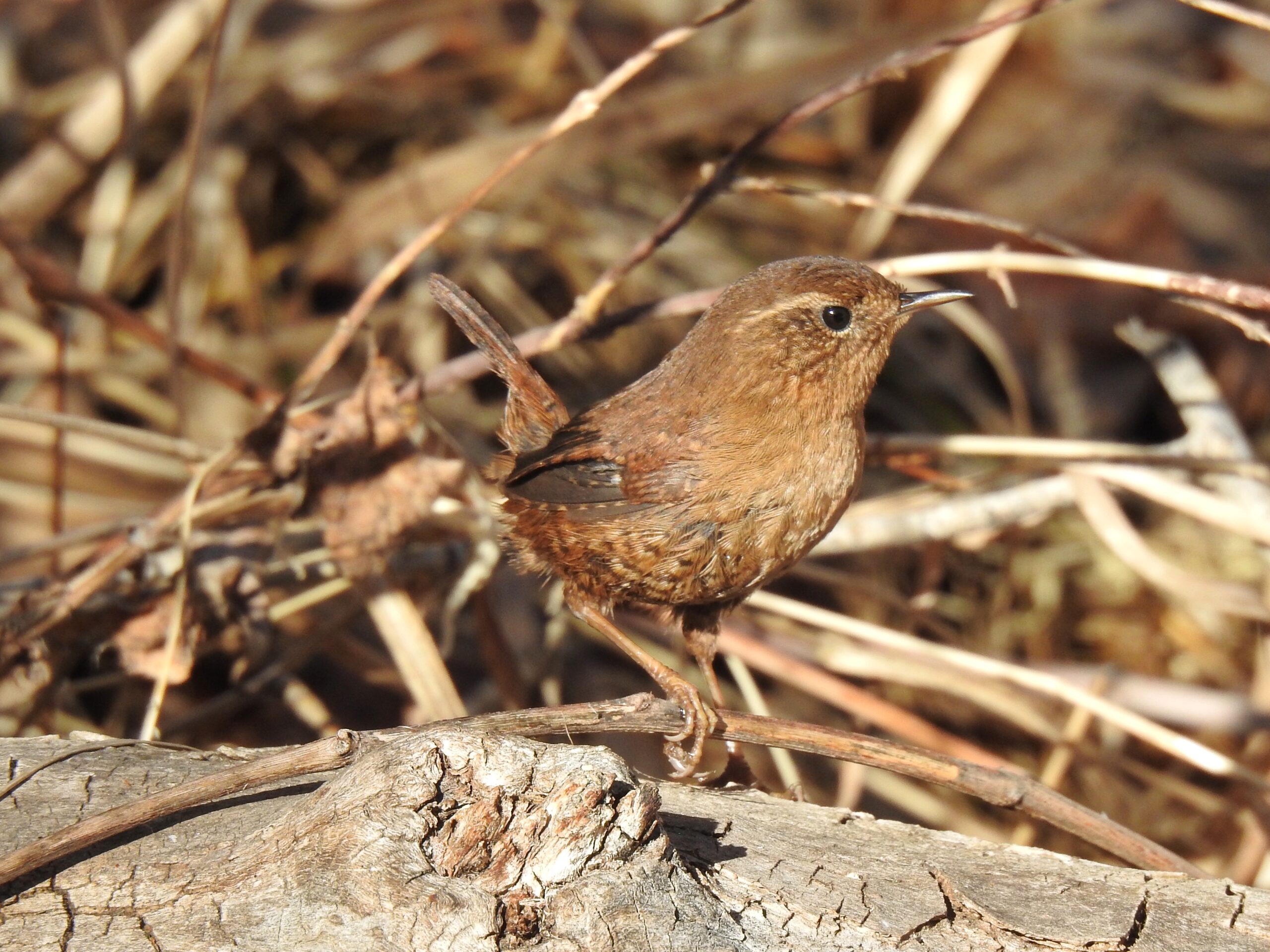
The Pacific Wren looks very like a Winter wren, but with warmer brown tones. I’m familiar with Winter Wrens from Illinois, and this bird definitely had more red-brown coloring. The two species used to be considered one species — in fact, when I saw my first Pacific Wren in Oregon, it was still a Winter Wren. This is actually the second Pacific Wren I’ve seen in Colorado, but it’s my first photo of the species.
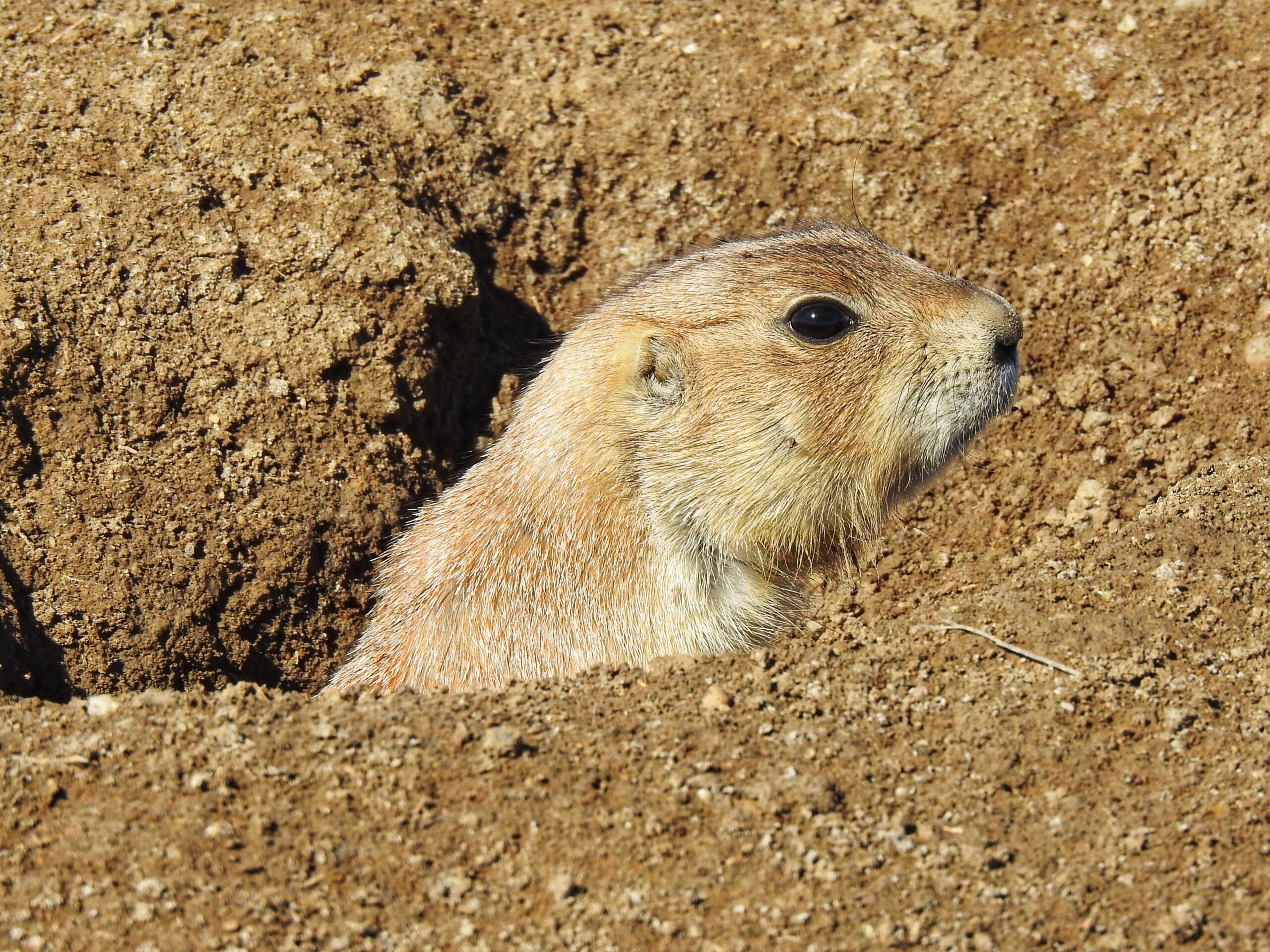
And yes, this isn’t a bird. But it is the tamest Black-tailed Prairie Dog I’ve ever seen. I took this photo while standing on the other side of a post and rail fence, not six feet away.