Wildflower Woods

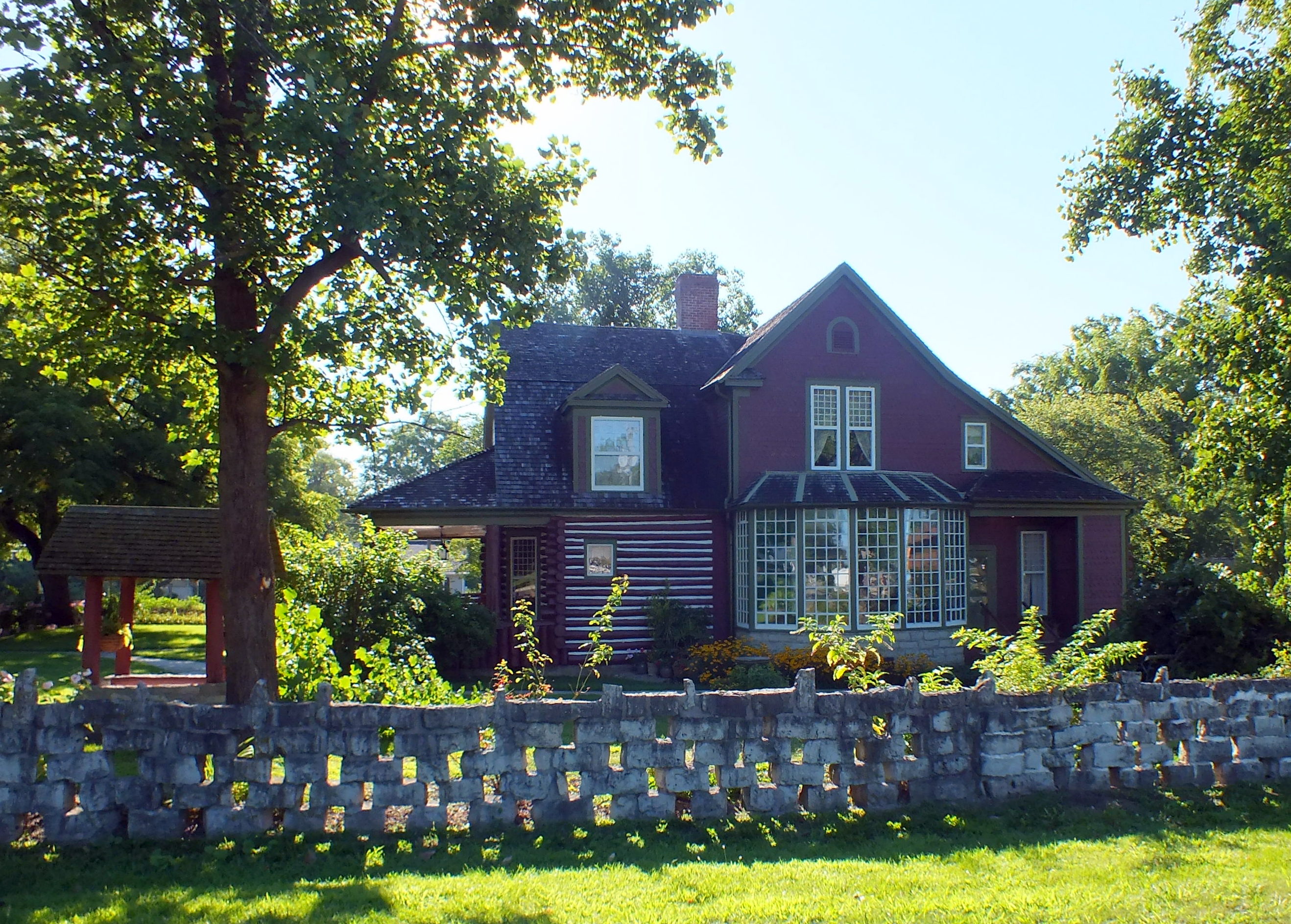
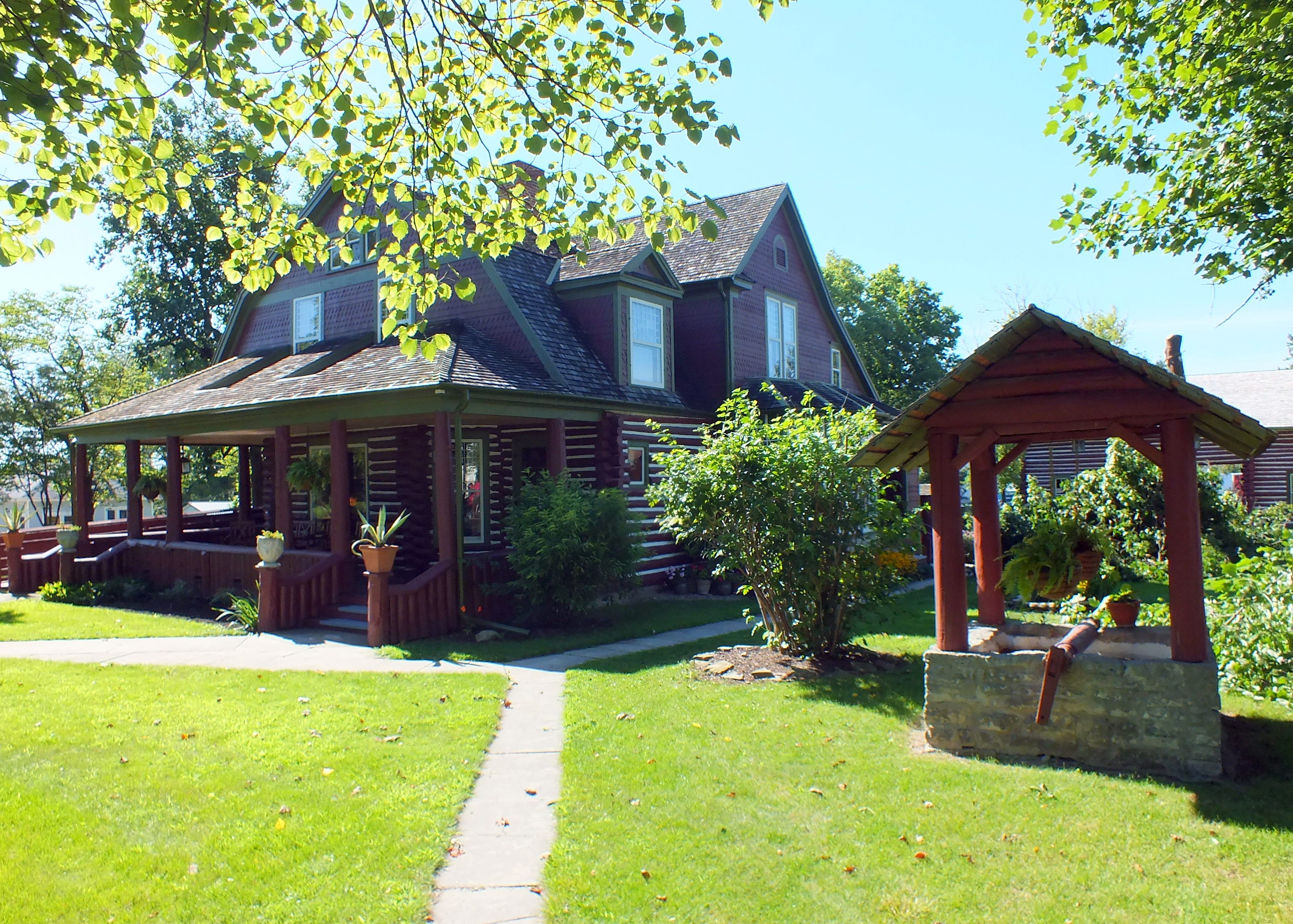
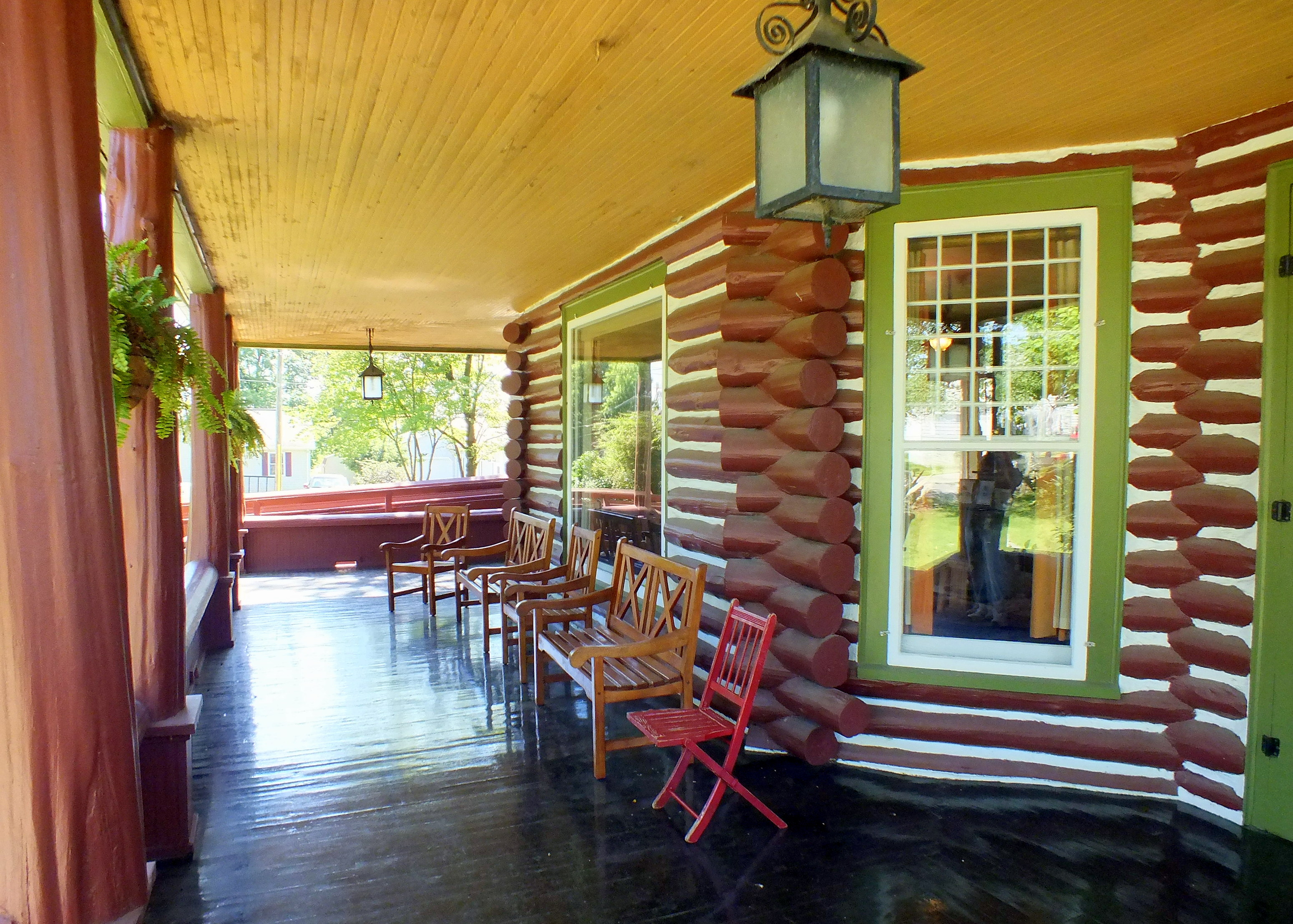
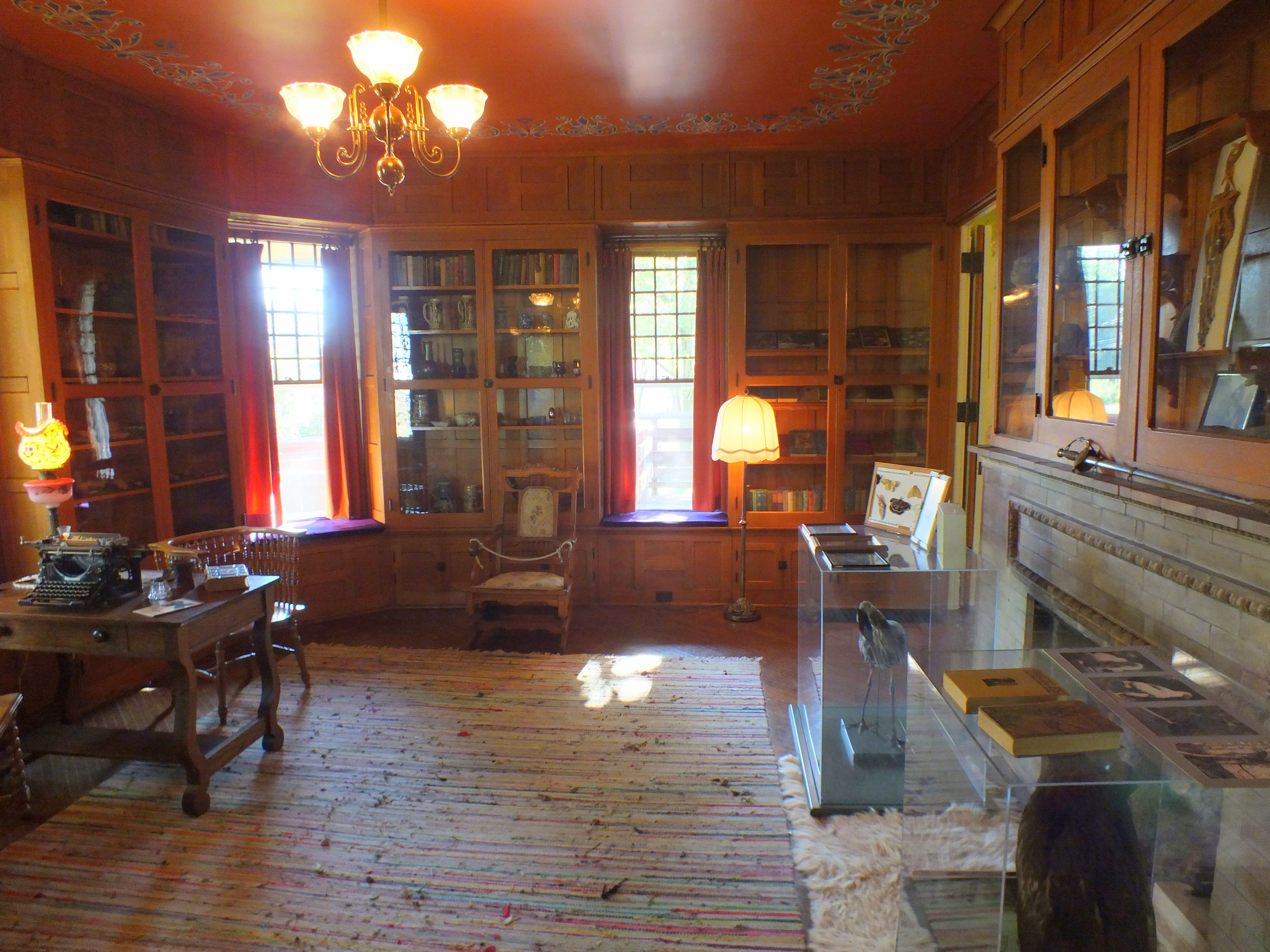
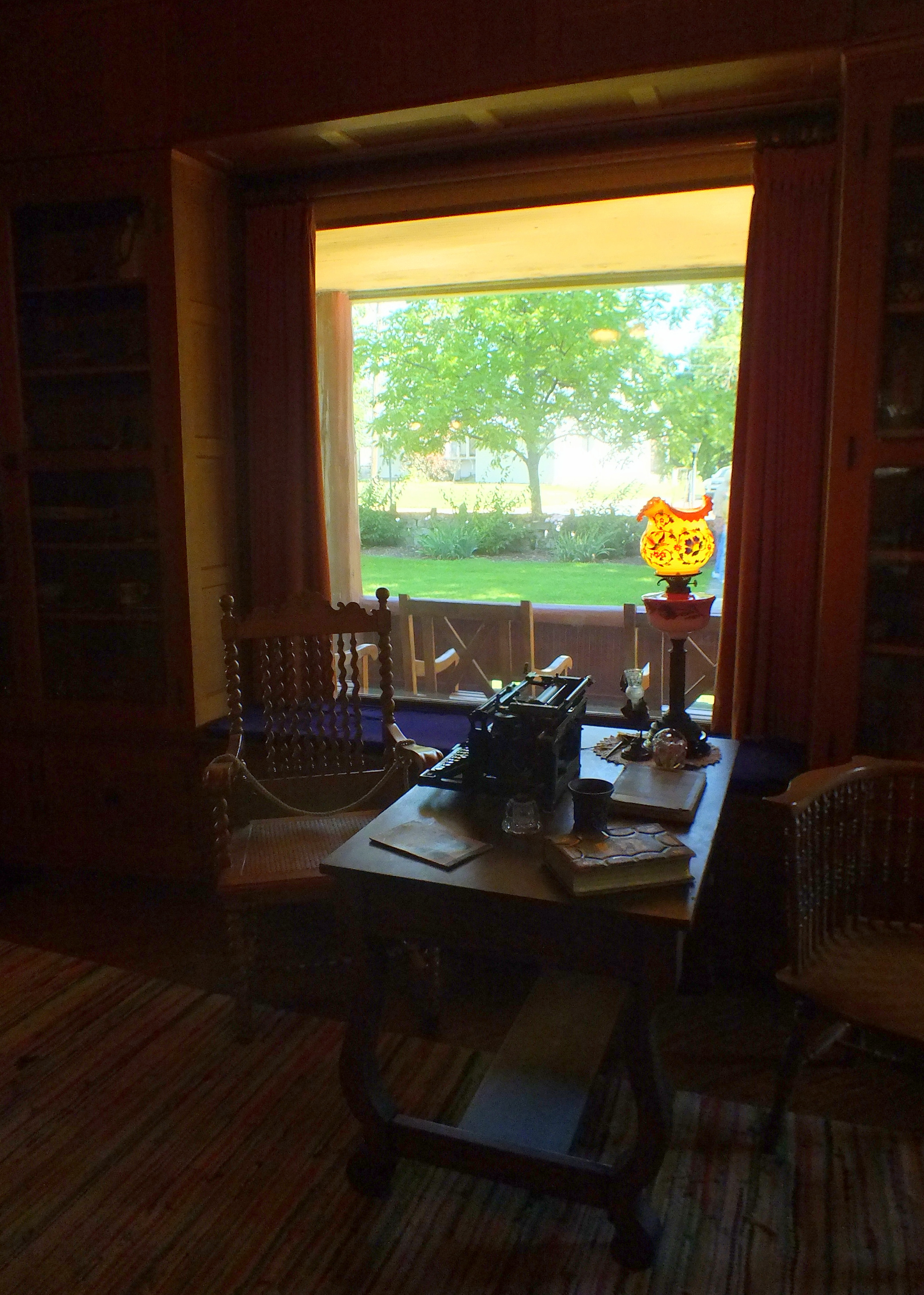
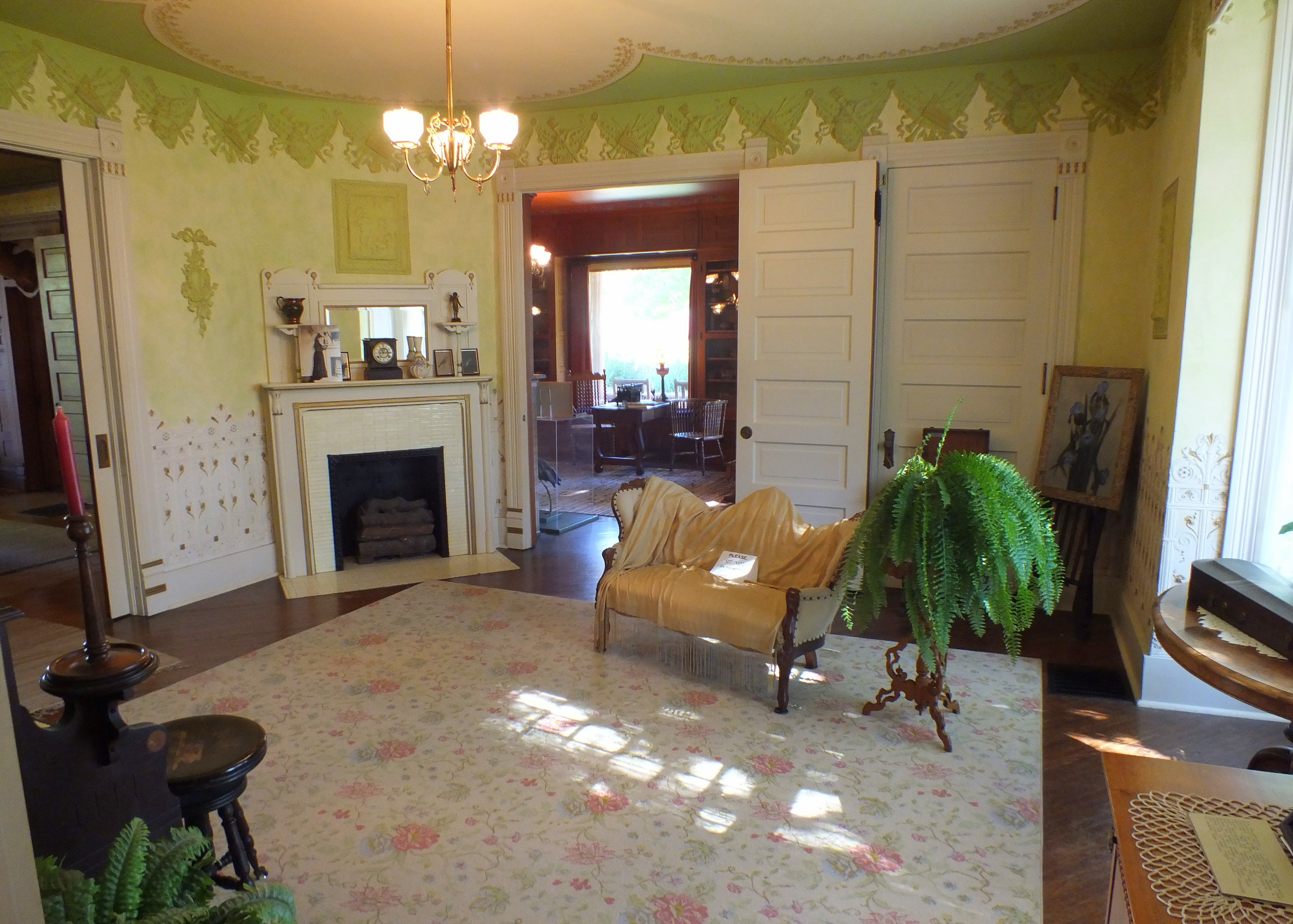
In 1913, Gene Stratton-Porter moved from the cabin in Geneva, Indiana to the shores of Sylvan Lake near Rome City. She designed another cabin, similar to the Limberlost cabin, but larger. She only lived here for five years. She was becoming more famous — every day, people would wander about the grounds and look in the windows — and she wanted more privacy. She also wanted to produce movies based on some of her books, so she moved to California. Again, her husband Charles stayed behind but visited when he could.

We arrived shortly after 1:00 to find the visitor center locked and nobody around. A sign said tours were given on the hour, so we stuck around. We found a bench near the house on the shore of Sylvan Lake and relaxed.

When it got close to 2:00, we wandered back to the visitor center and met another couple and our guide. The tour gave us a lot of the same information we’d gotten in the morning. The house looked similar to the Limberlost cabin in many ways, which makes sense since Gene designed them both herself. She added a lot of clever designs that made living there more practical — a doorway from a bedroom closet into a bathroom so a person wouldn’t have to walk through four rooms to get to the facilities, an ice box with inside and outside doors so the ice man wouldn’t have to walk through the kitchen.

hDSCF3954

hDSCF4015

hDSCF3959

hDSCF3980

hDSCF3975

hDSCF3986

hDSCF3983

hDSCF3984

The stones in the fireplace supposedly form pictures — a butterfly in the center and a Revolutionary War soldier on the right.

hDSCF3990

Our guide, on the right

hDSCF3991

hDSCF3992

hDSCF3993

hDSCF3998

hDSCF4003

hDSCF4006

Gene’s dark room

hDSCF4010

hDSCF3967

hDSCF3962

When Gene moved to California, she lived in a house on Catalina Island (top) and then had the house in the lower photo built (which gives an indication of just how successful she’d become). But she never lived in that house. Just a week before she was planning on moving, her chauffeur pulled out in front of a street car, and Gene was killed.

hDSCF4005

Fairly recently, in the 1990s, I think, Gene and her daughter Jennette were re-interred in a grave along the path leading to the house. The statue, with part of the right arm missing, was donated after it was broken and replaced on another grave.

hDSCF3953

We liked this house better because of the setting, the size and the paneling (cherry), but Gene lived in the first one longer and it probably gives a better insight into her as a person. Either one is interesting. I probably wouldn’t recommend visiting both unless you’re a big fan.

Posted in Indiana | Comments Off on Wildflower Woods

Cindy’s Diner

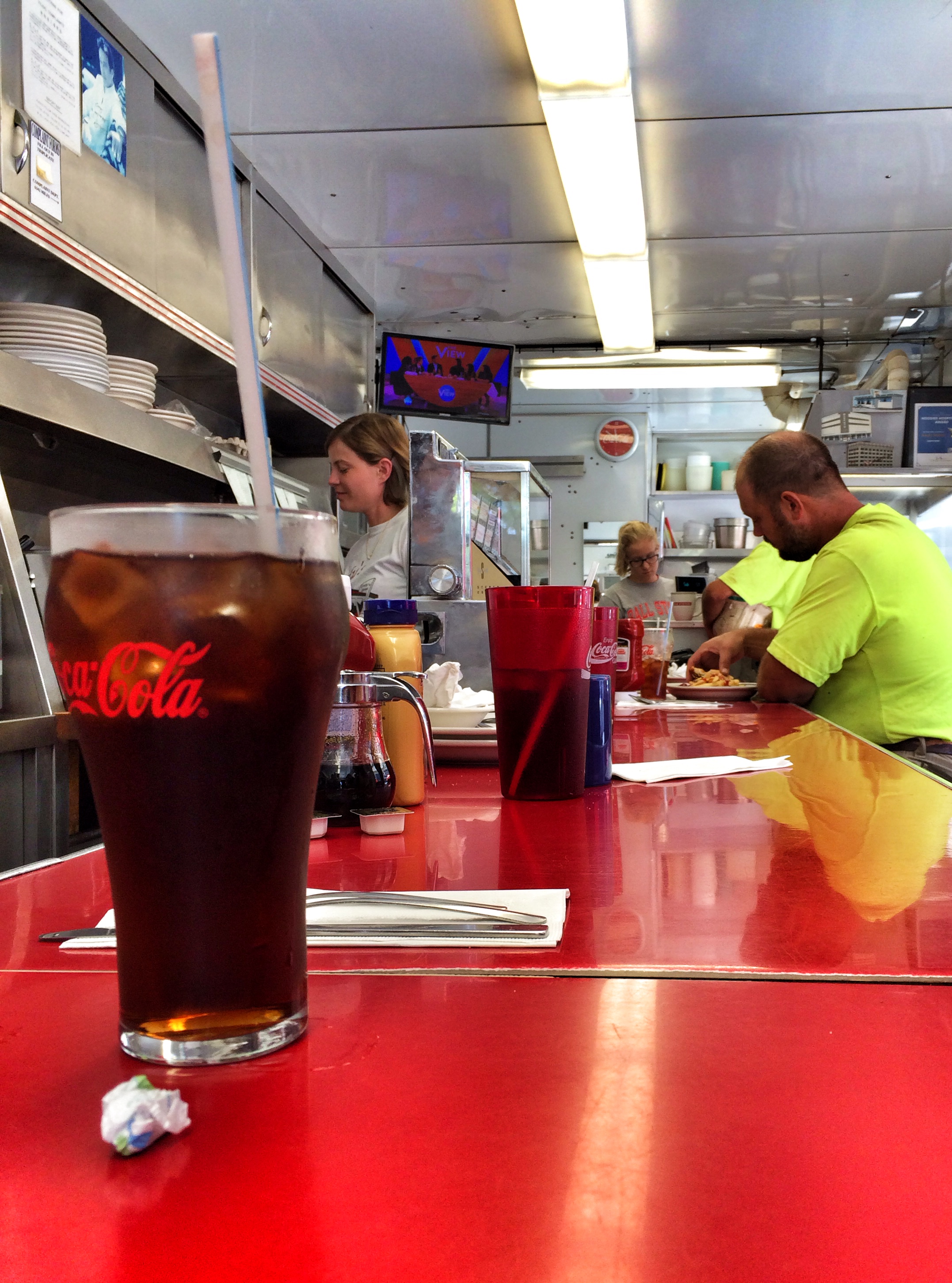
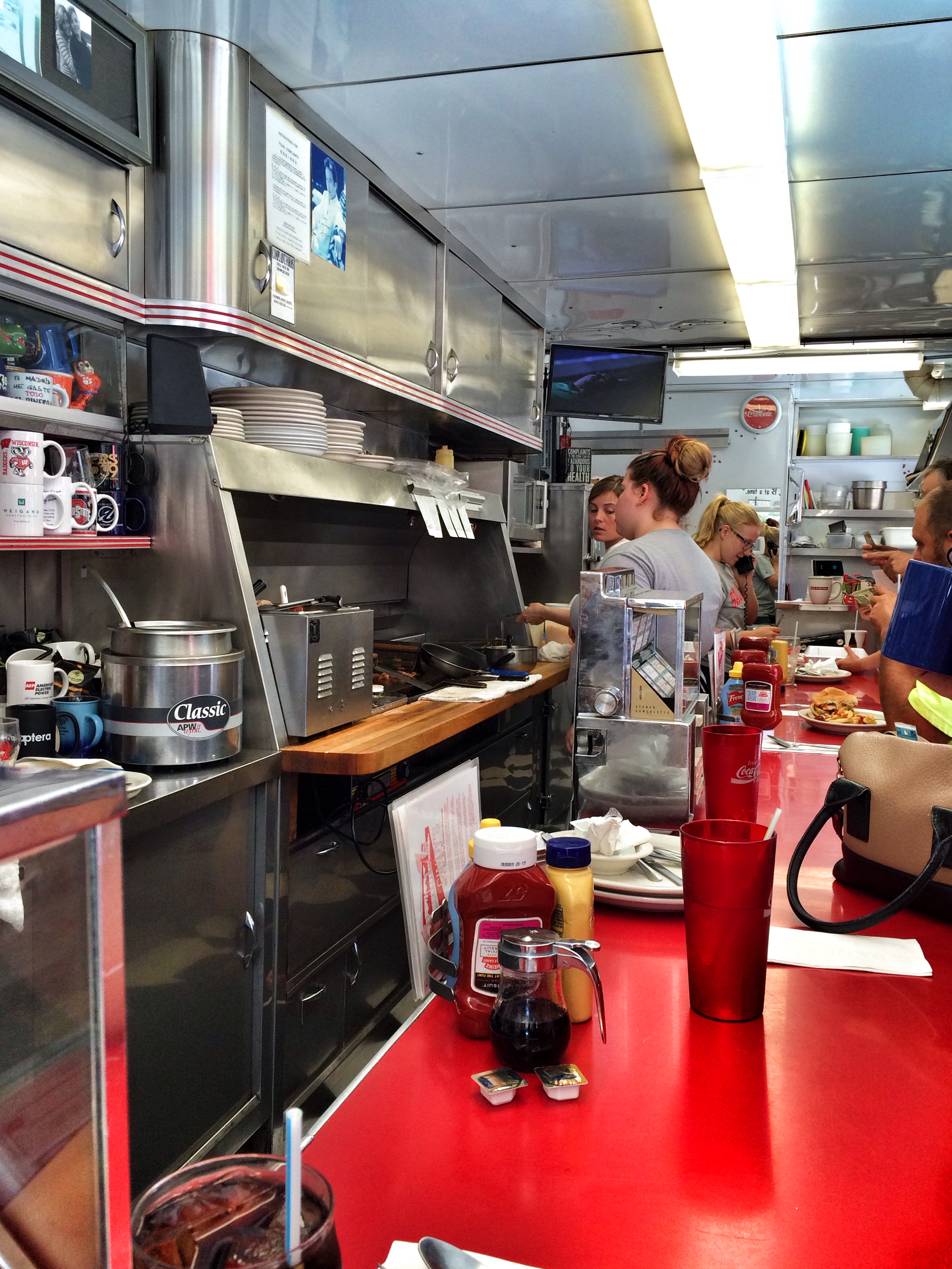
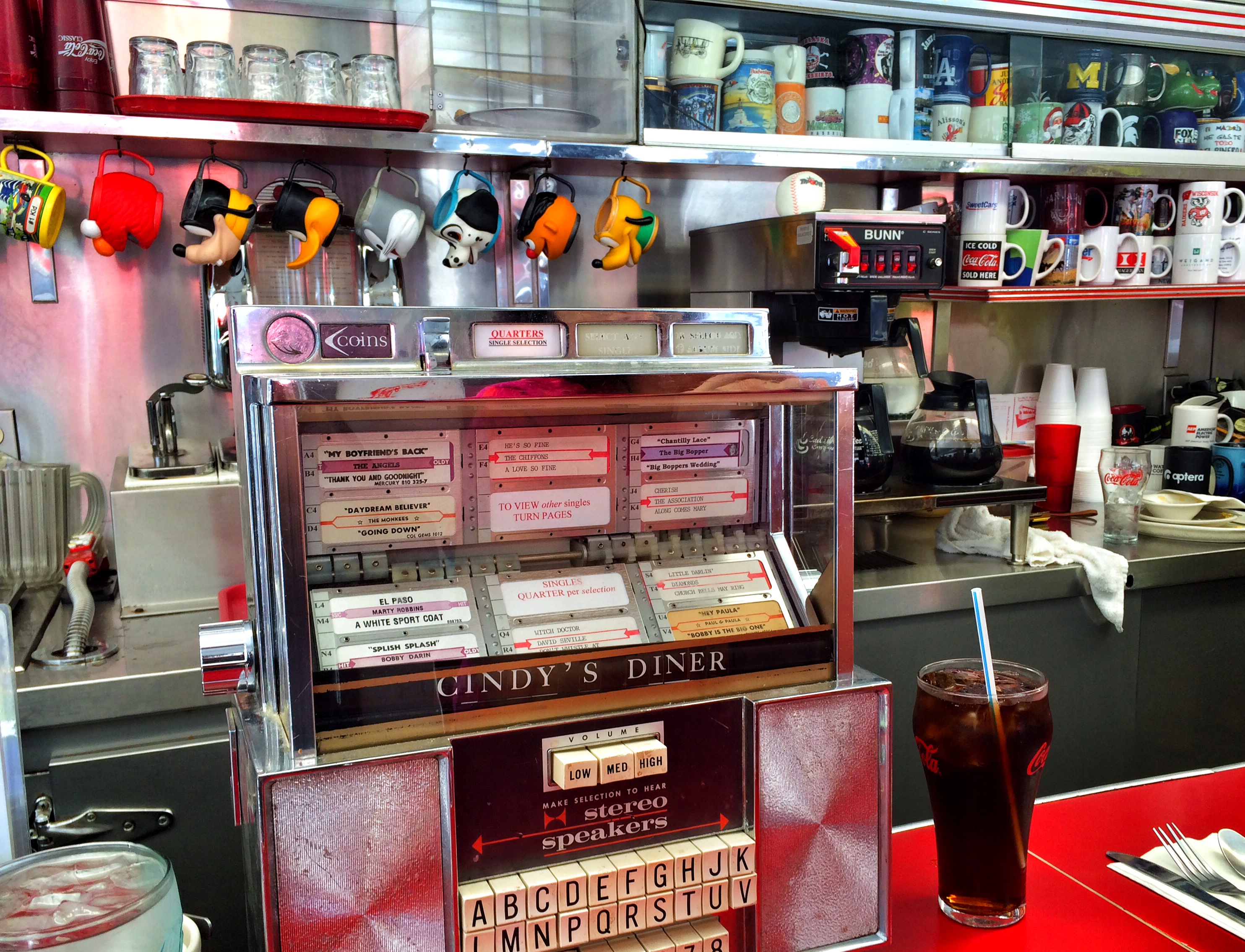
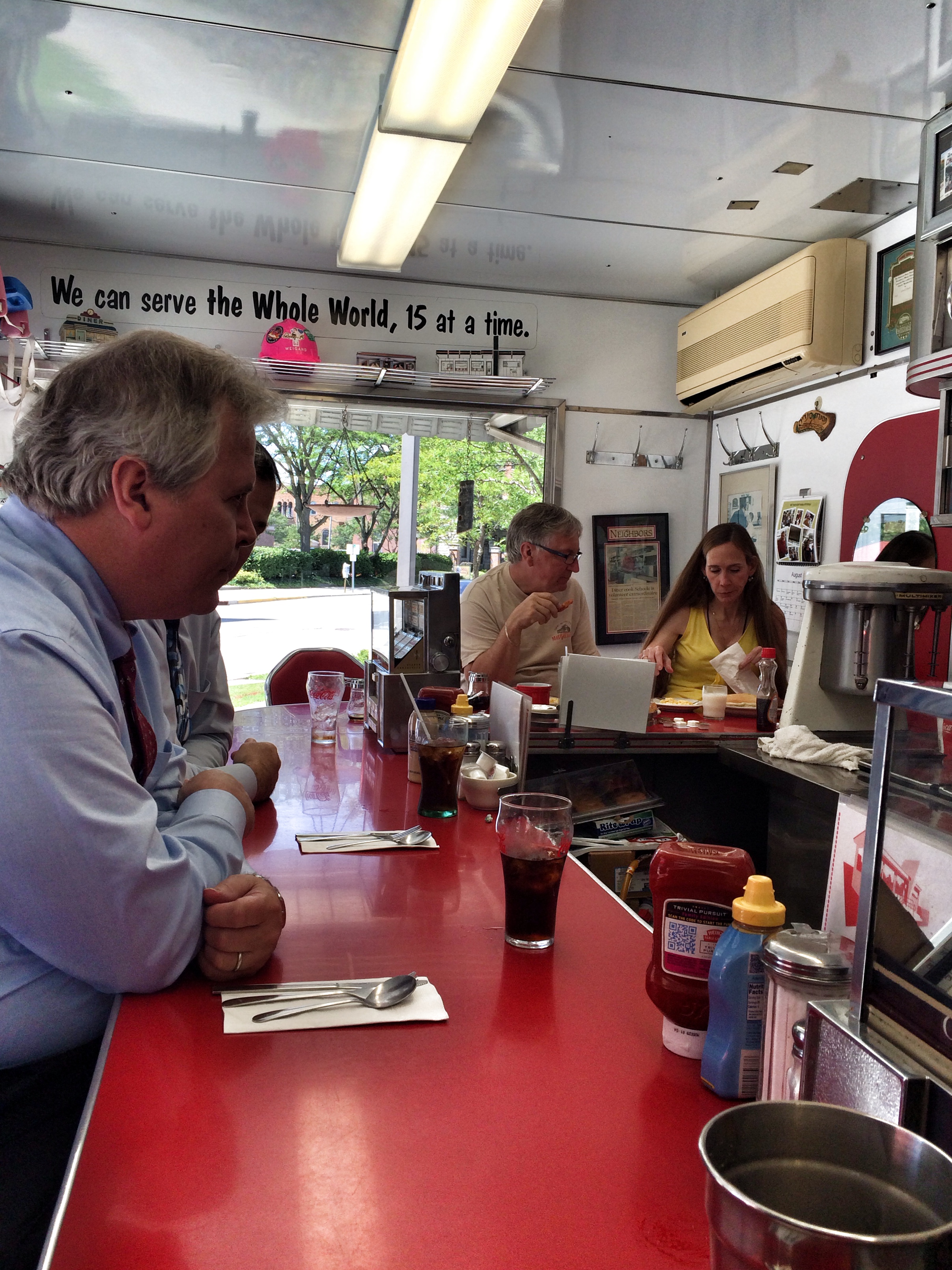
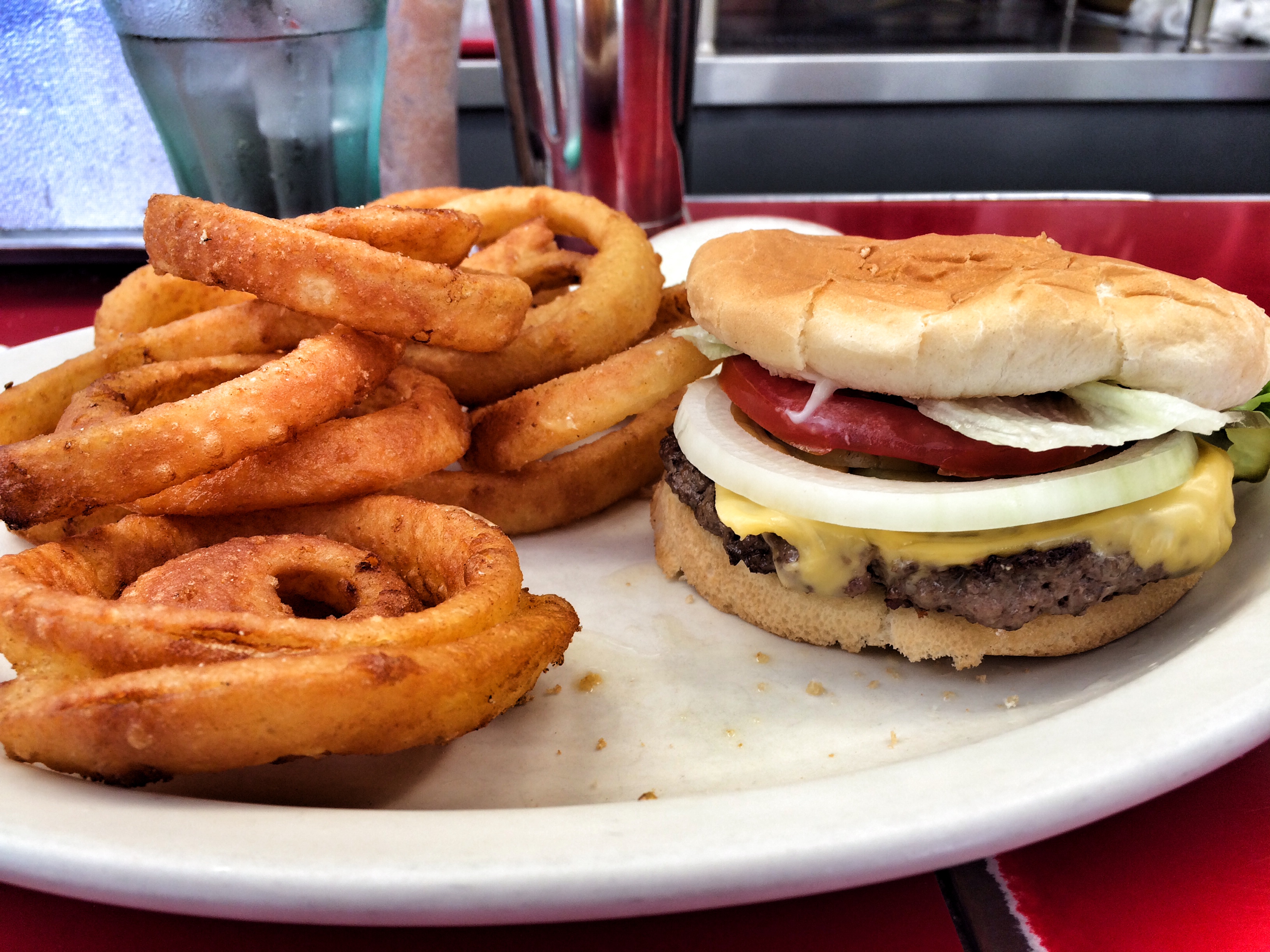
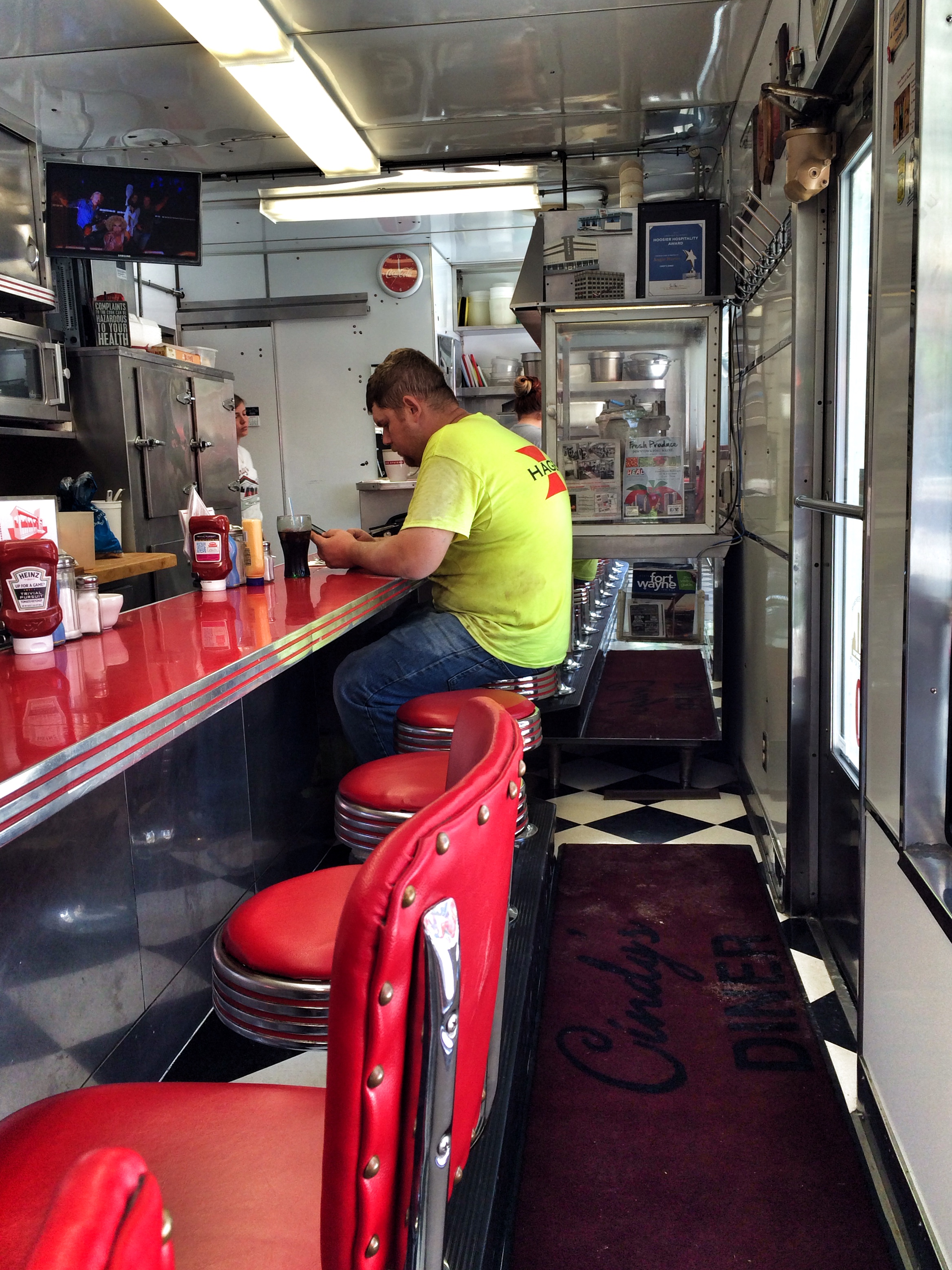
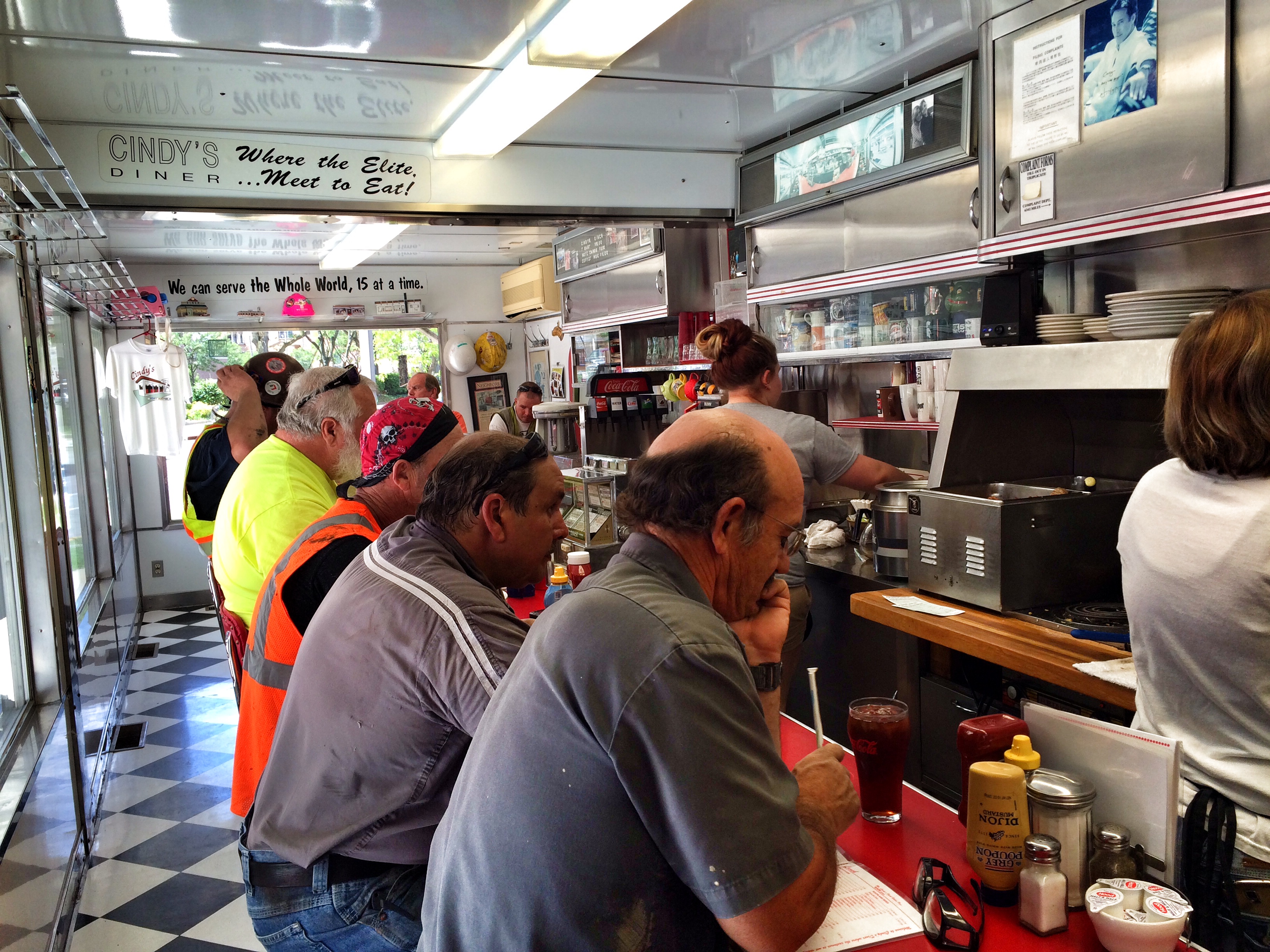
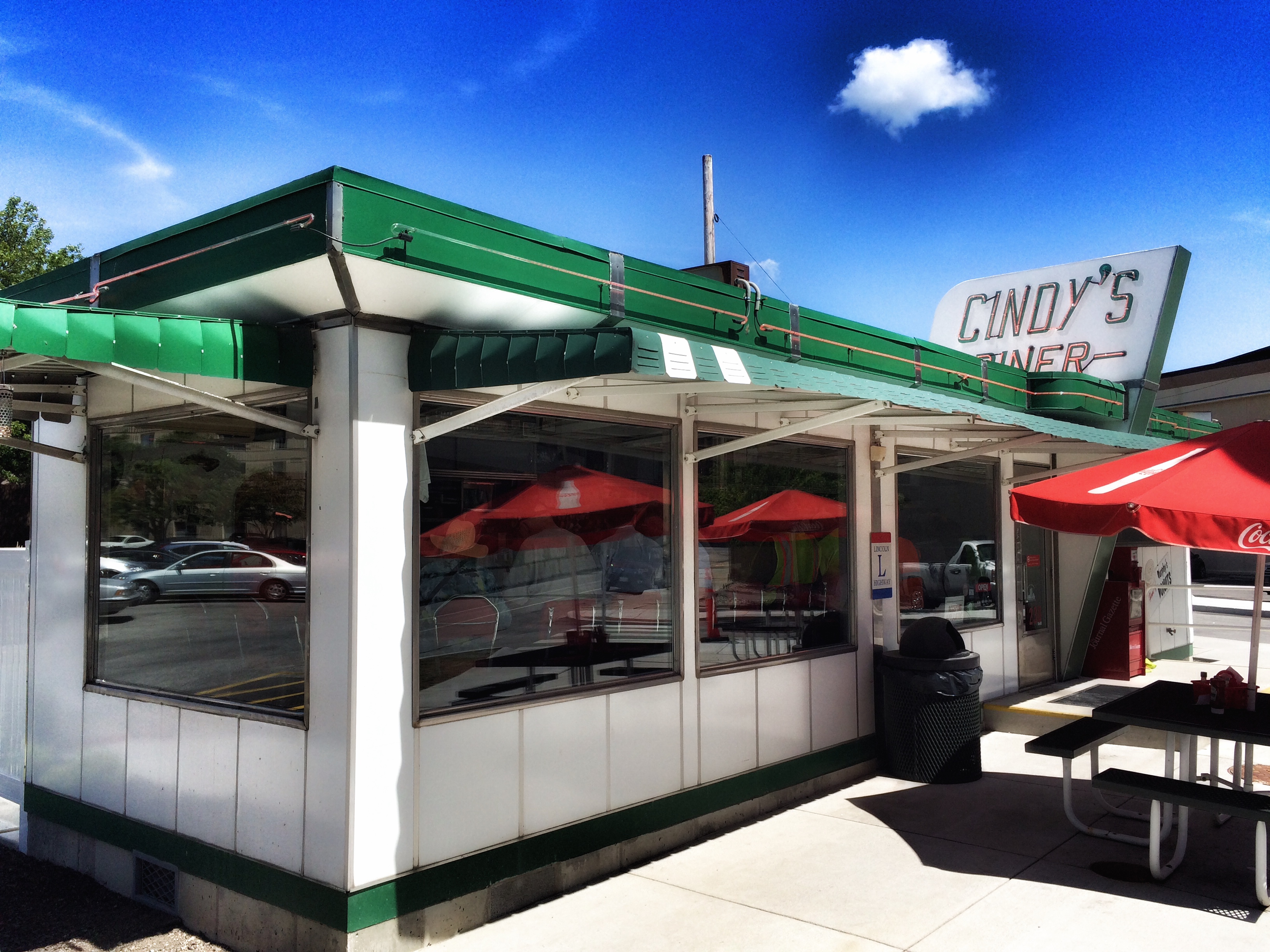
This tiny, 15-seat diner in Fort Wayne was built in 1952. It has changed names and locations several times since then, but has remained an operating restaurant throughout. We arrived during the lunch hour and were fortunate to find stools next to each other. There were two local lawyers on one side of us, talking about personal injury lawsuits, and a steady string of construction workers on the other side, over from the site across the street. We were packed in pretty tightly. The food was good, not exceptional. My wife wasn’t crazy about the close quarters, but I enjoyed it because it gave me a very authentic look at the lunch counter experience of 60 years ago.

IMG_2821

IMG_2820

IMG_2813

IMG_2814

IMG_2815

IMG_2816

IMG_2817

IMG_2818

IMG_2819

Posted in Indiana | Comments Off on Cindy’s Diner

Limberlost

I’ve read two of Gene Stratton-Porter’s novels, A Girl of the Limberlost and Freckles. The setting for both was the Limberlost Swamp in east-central Indiana.

Gene was a novelist, naturalist, photographer and artist. She married George Porter, a businessman who lived in Geneva, Indiana. Gene designed their home, which was completed in 1895. The couple lived here until 1913 when the swamp was drained for farming. At that point, Gene moved about 75 miles north to Rome City and built a house on Sylvan Lake. George stayed in Geneva, near his businesses, but visited Gene and their daughter Jeannette on weekends. The house was loaned out to local schoolteachers for several years before being made into a museum.

The house was featured in a couple of the novels, as was Gene herself, as the “Bird Woman.” We had a private tour by a guy whose chief occupation is naturalist in the restored swamp area.

gDSCF3906

gDSCF3944

gDSCF3951

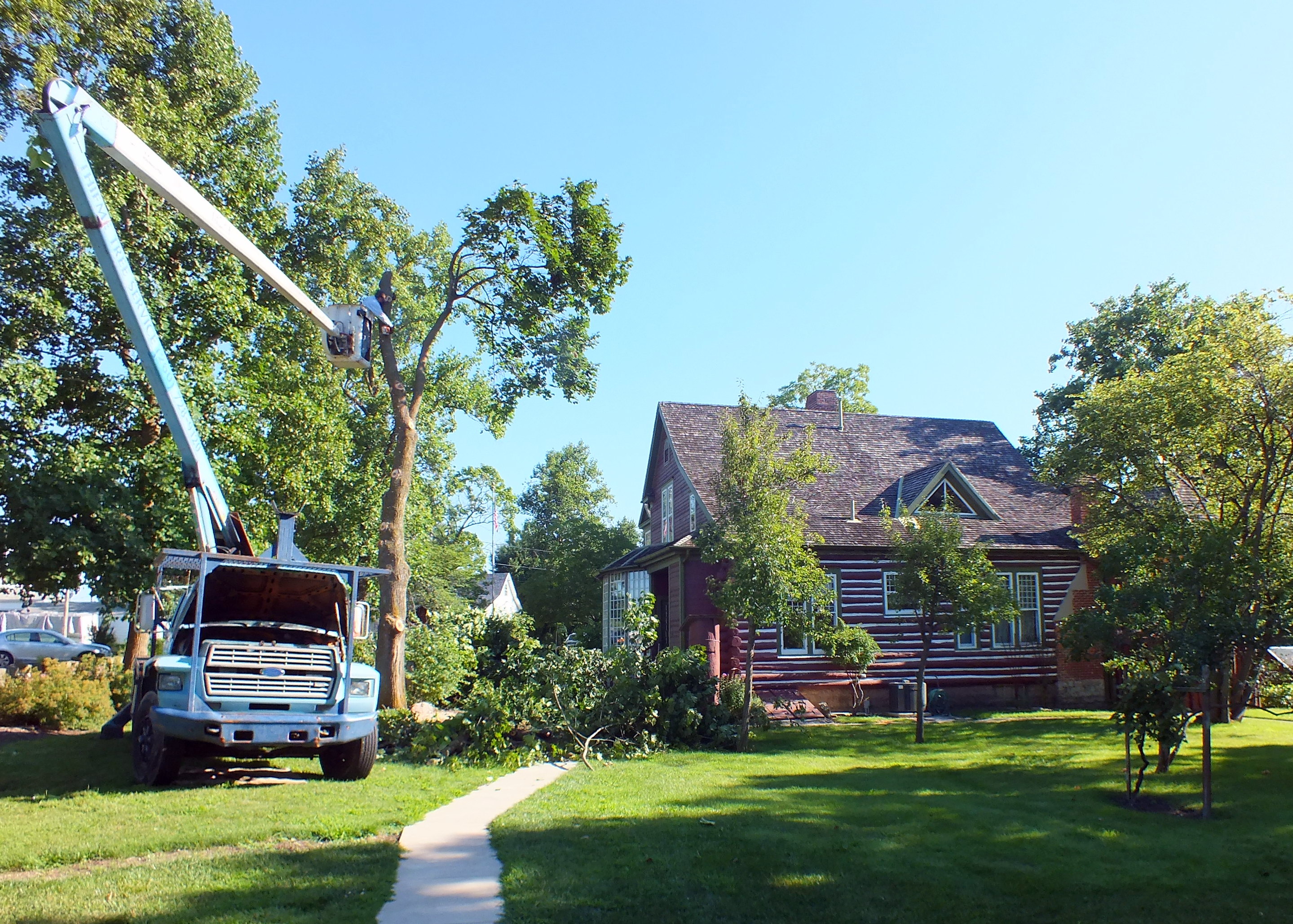
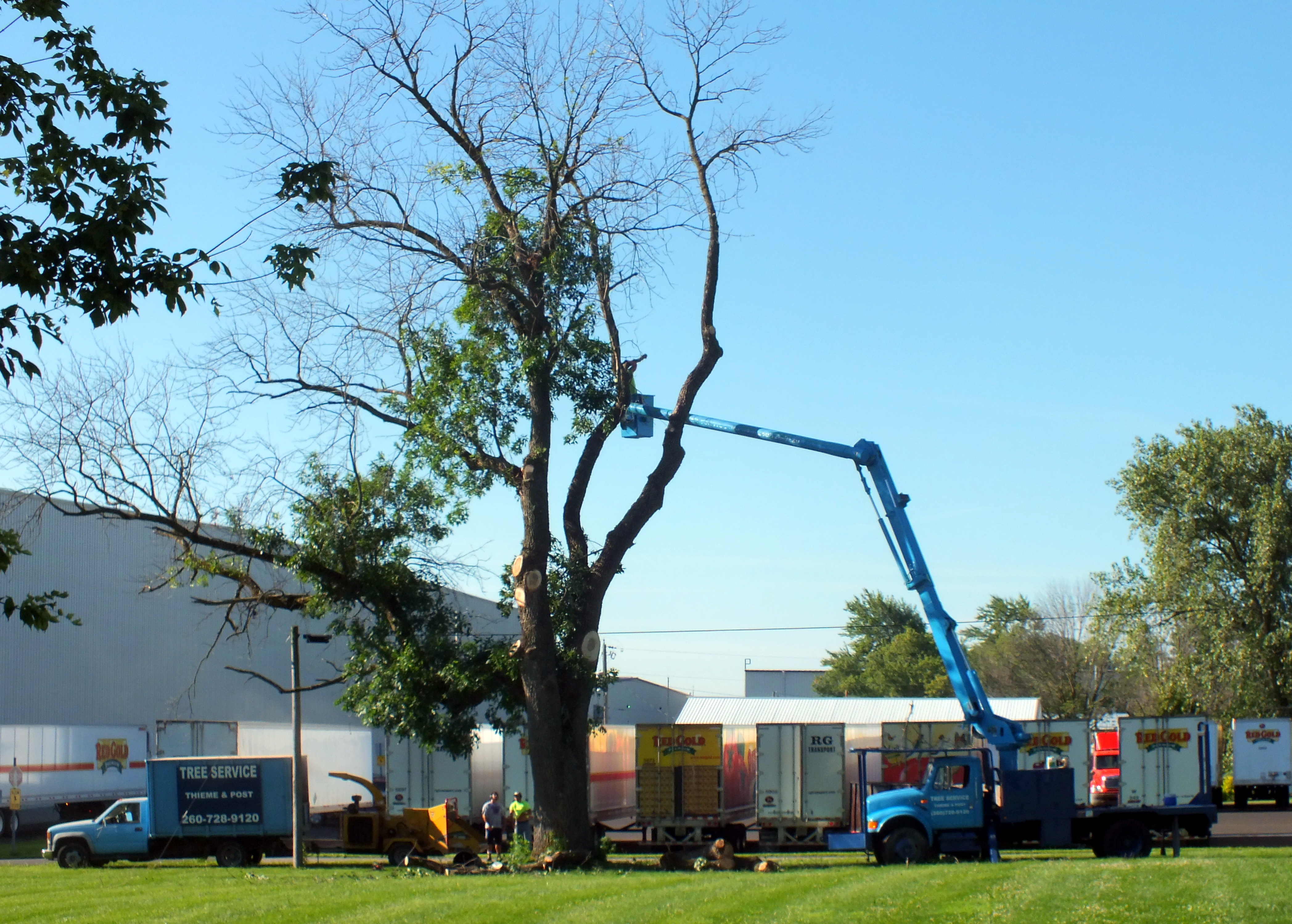
There was a tree service cutting down dead ash trees on the day of our visit. Some of the trees were there when the Porters owned the house.

gDSCF3910

gDSCF3911

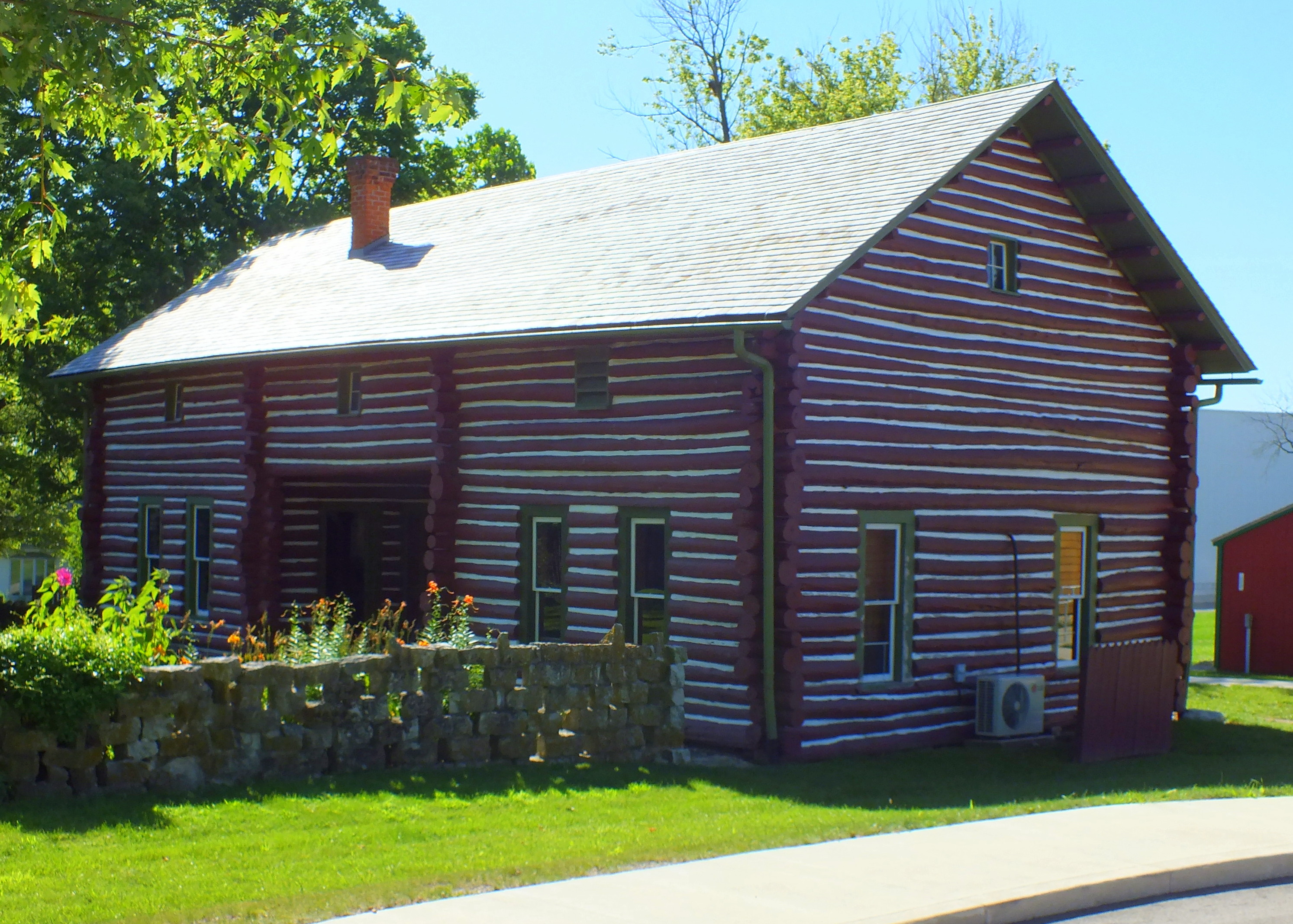
The carriage house

gDSCF3945

gDSCF3949

The library, where Gene wrote. Most of the furnishings were period pieces but there were some original pieces in the house.

gDSCF3916

gDSCF3923

Our guide and a photo of the fireplace behind him. The mounted Golden Eagle in the photo is the one in the case.

gDSCF3920

The music room. The painting in the corner is an original by Gene.

gDSCF3931

gDSCF3927

The guest bedroom. the moths and butterflies are original. The drawing on the wall is Jennette, as drawn by Gene.

gDSCF3933

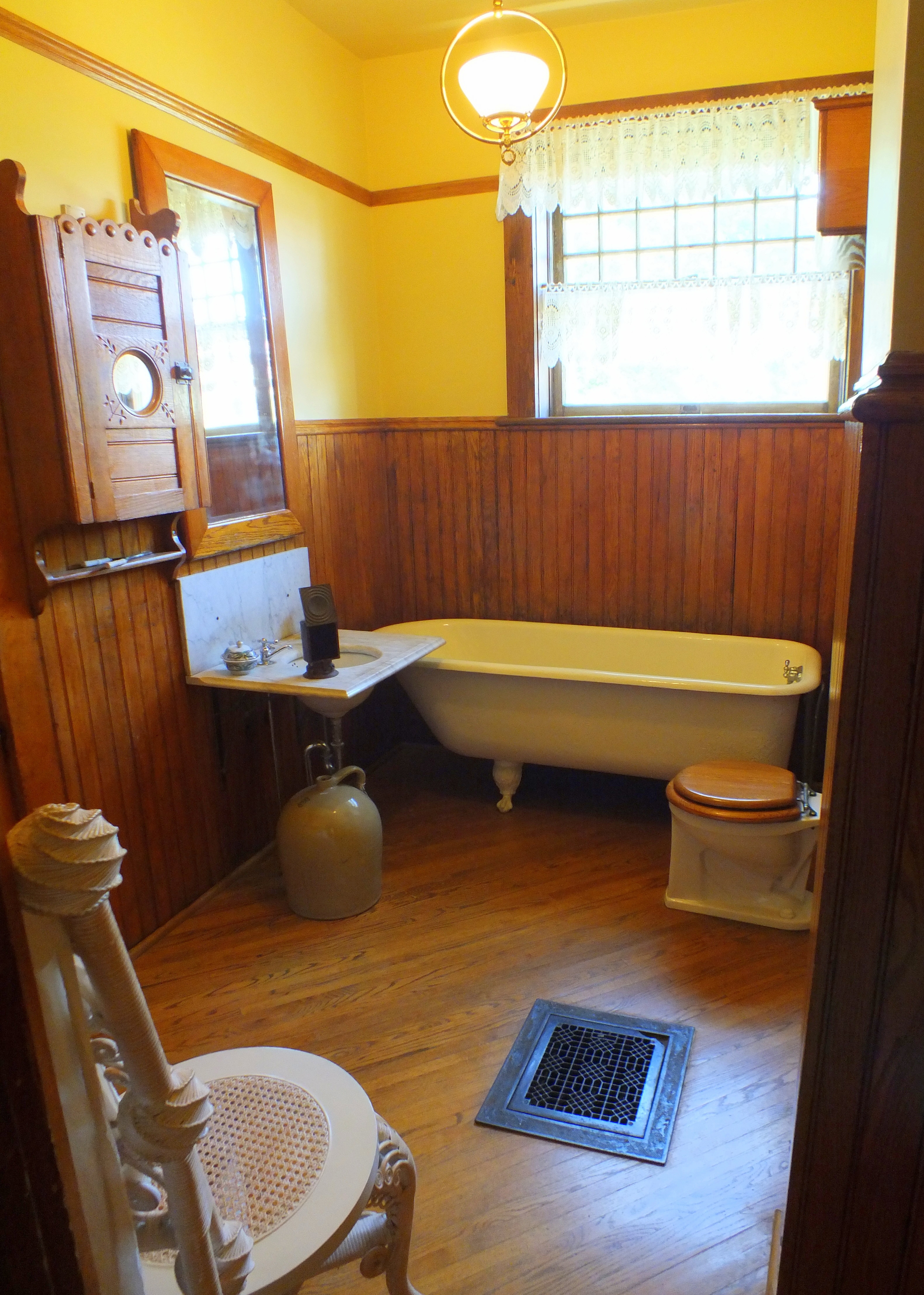
The downstairs bathroom, which Gene used as a darkroom

gDSCF3940

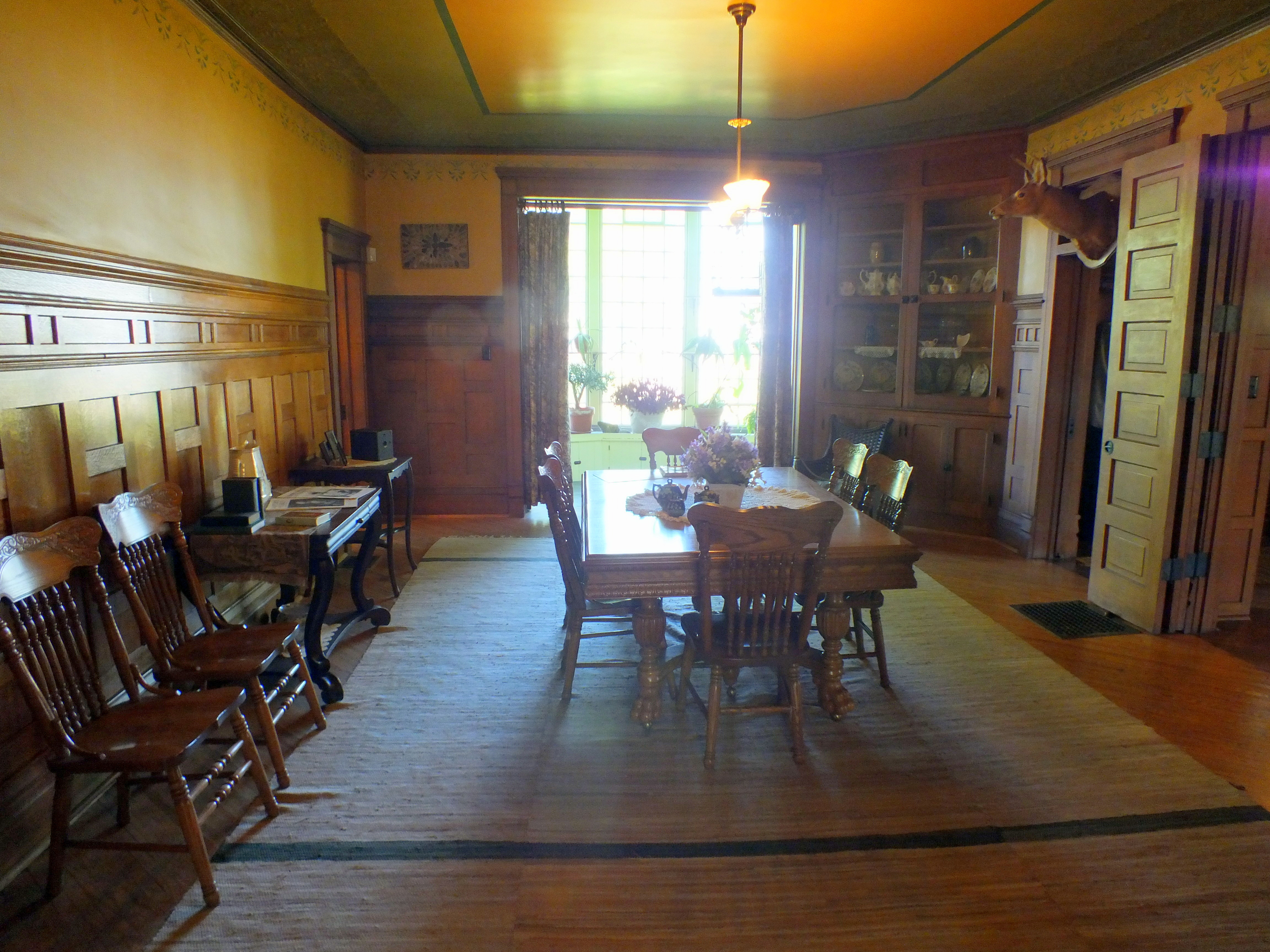
The dining room. The paneling is oak.

gDSCF3938

gDSCF3935

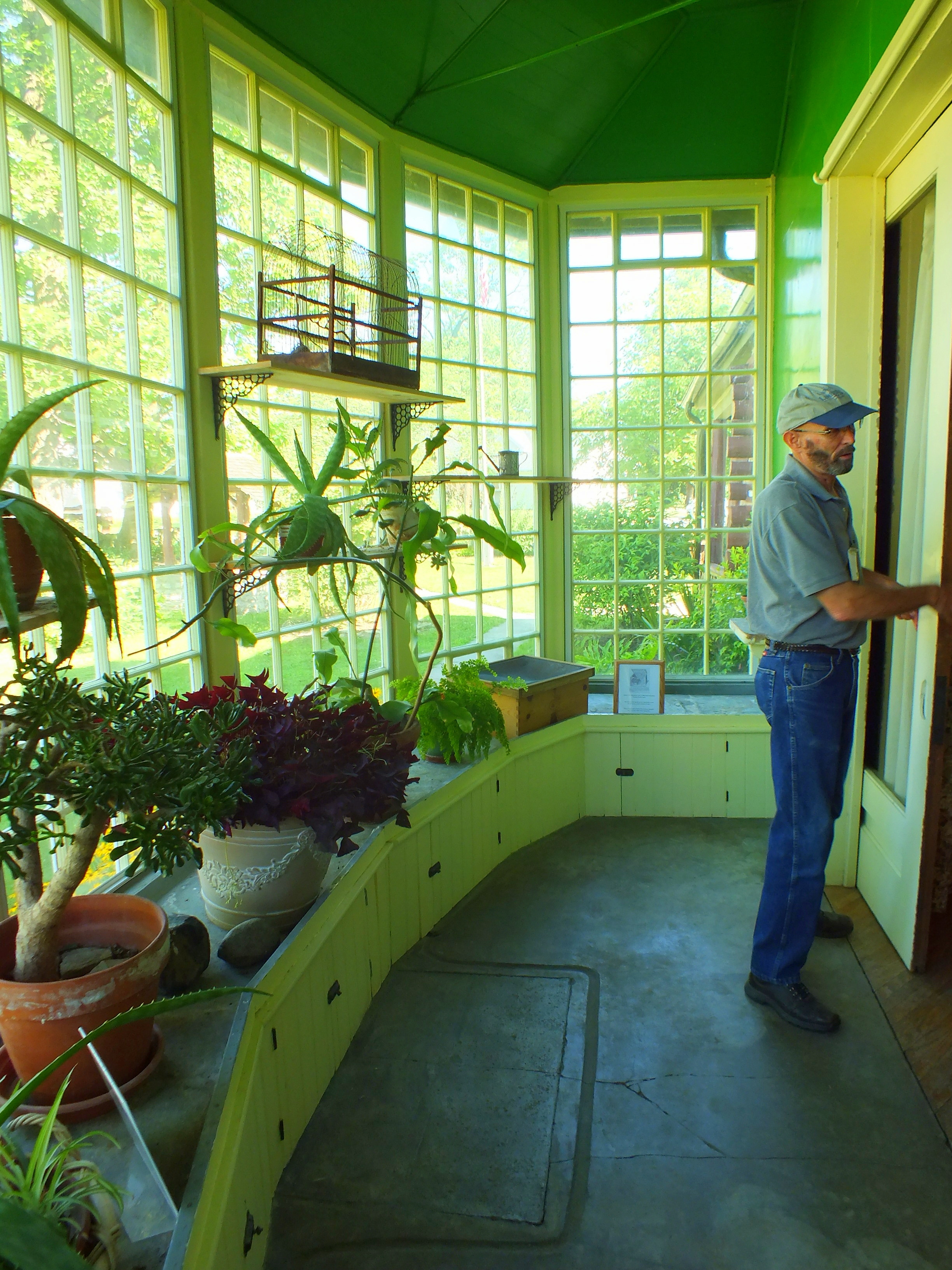
The atrium, which was mentioned in one of the novels.

gDSCF3939

We also saw the upstairs rooms, but they aren’t restored or furnished. We visited, not because we’re huge fans of Stratton-Porter — my wife hasn’t read any of her books — but because we like seeing how people lived in the past. Because her novels have gone out of vogue, Stratton-Porter isn’t well known these days. But for 20 years or so at the beginning of the 20th century, she was very popular and famous. J.K. Rowling, author the Harry Potter series, lists her as one of her favorite writers. But apart from all that, this was an enjoyable tour of a comfortable, practical, attractive house.

Posted in Indiana | Comments Off on Limberlost

Fort Recovery

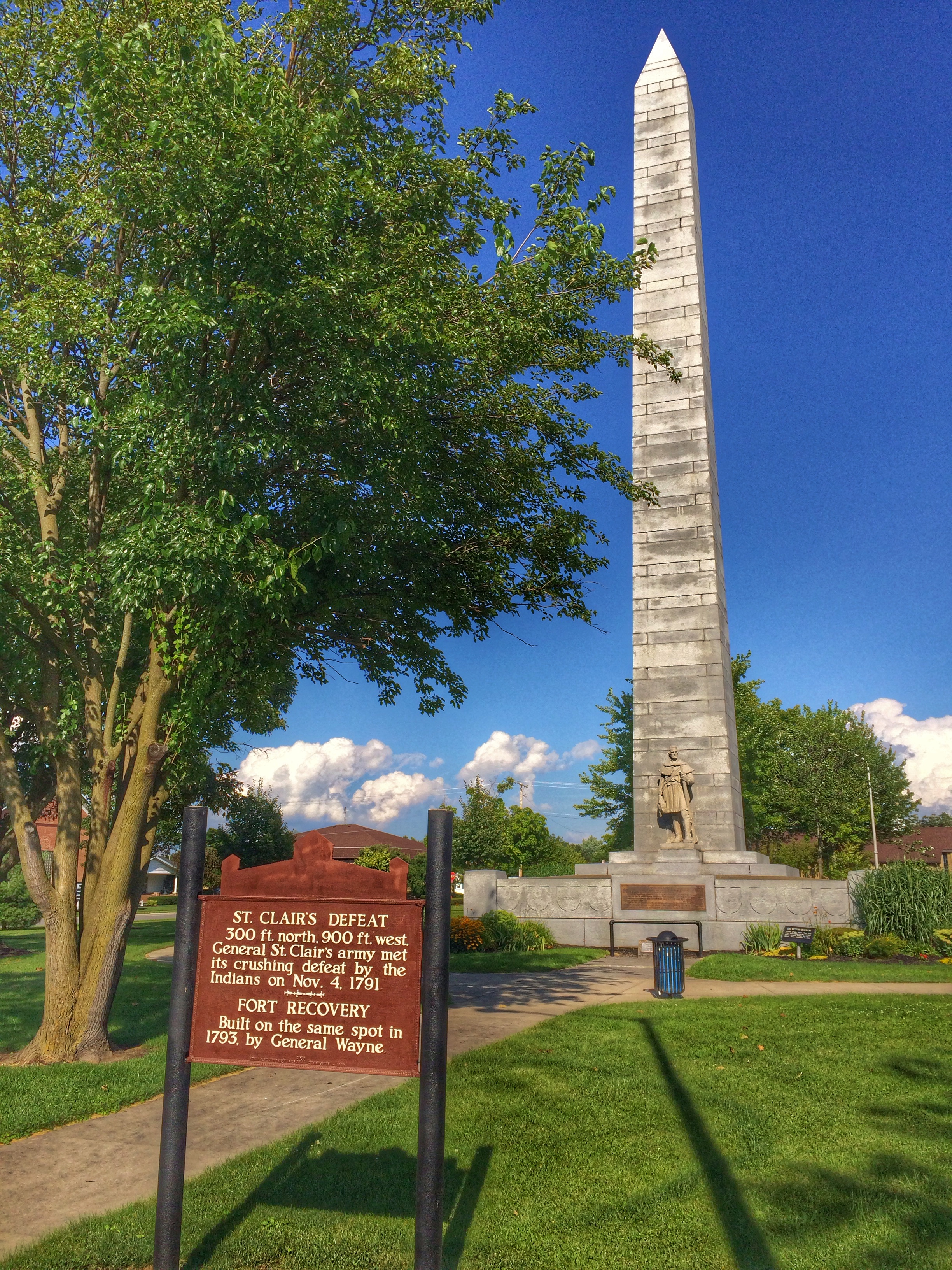
In 1791, a confederacy of Indian tribes, encouraged and supported by the British, attacked settlements in the Northwest Territories. Territorial Governor Arthur St. Clair led a poorly-trained and poorly-equipped army of militia from Fort Washington (now Cincinnati) into the region to confront the Indians. On November 4, St. Clair’s army was camped where the town of Fort Recovery now stands. The Indians, under Little Turtle and Blue Jacket, attacked and soundly defeated the army, killing and wounding more than 800 Americans, about 97% of the army. St. Clair wasn’t a good general, but he fought bravely, receiving several bullet holes in his clothing and losing a lock of hair. The remains of his army fled in a rout, and he was soon forced to resign his commission.

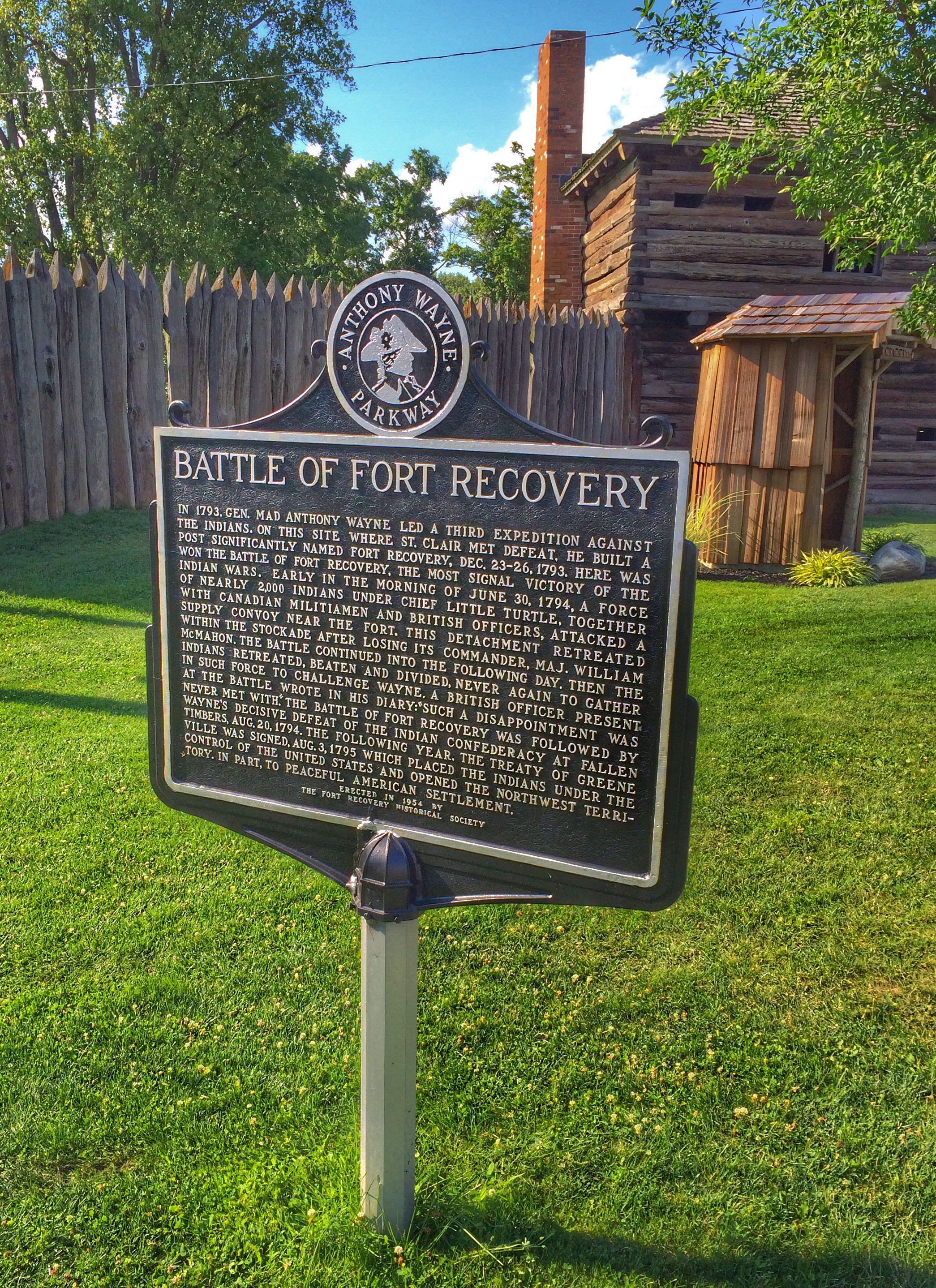
In 1794, Mad Anthony Wayne led another force into the region and built intentionally-named Fort Recovery on the site of the earlier battle. The Indians and British attacked the fort in June but were repulsed. The Indians and Americans signed the Treaty of Greenville, which opened the lands east and south of the fort to settlement.
In 1912, a monument was built over the grave of those who died in the battles. It stands 101 feet tall.

IMG_2802

IMG_2801

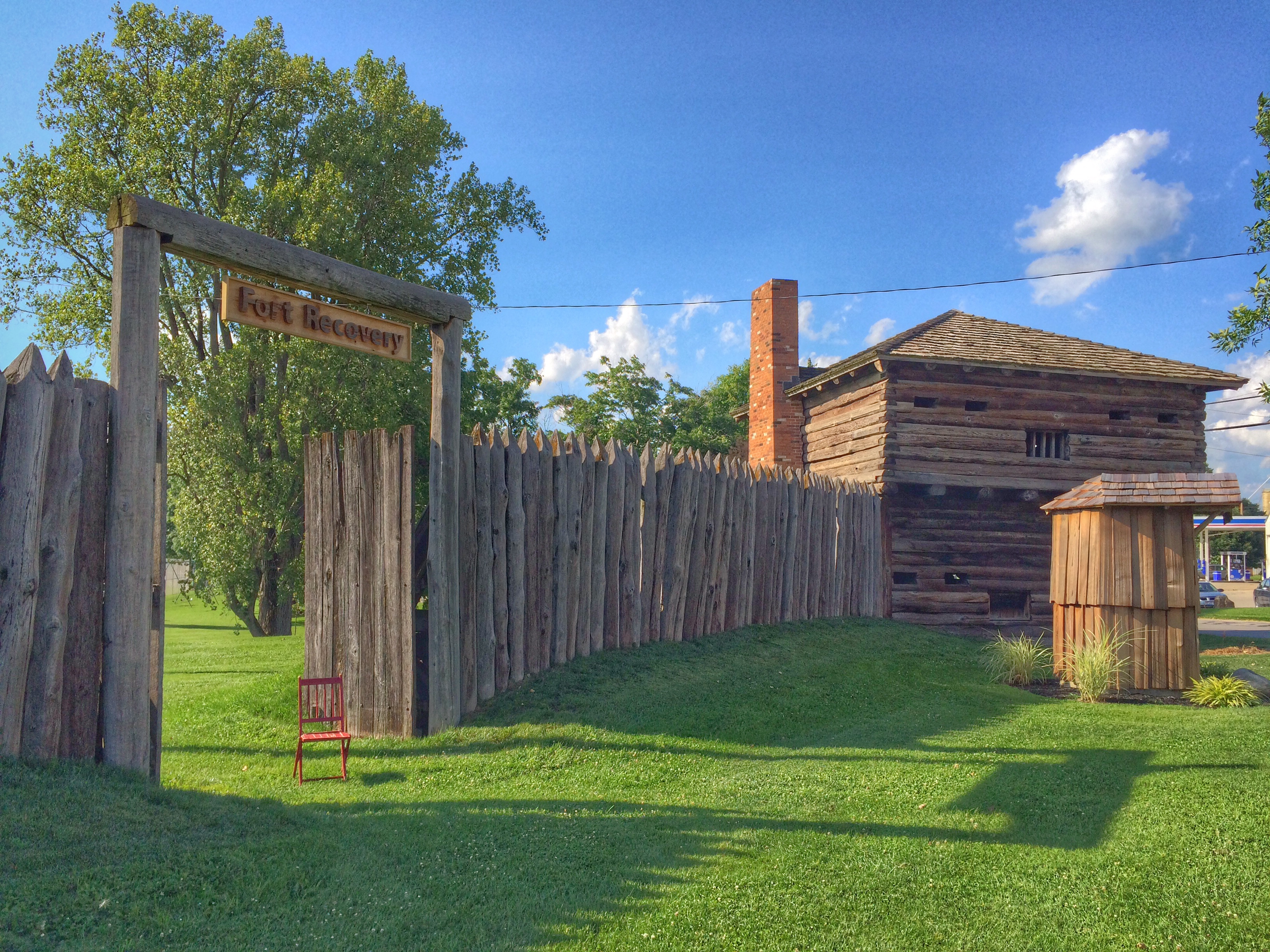
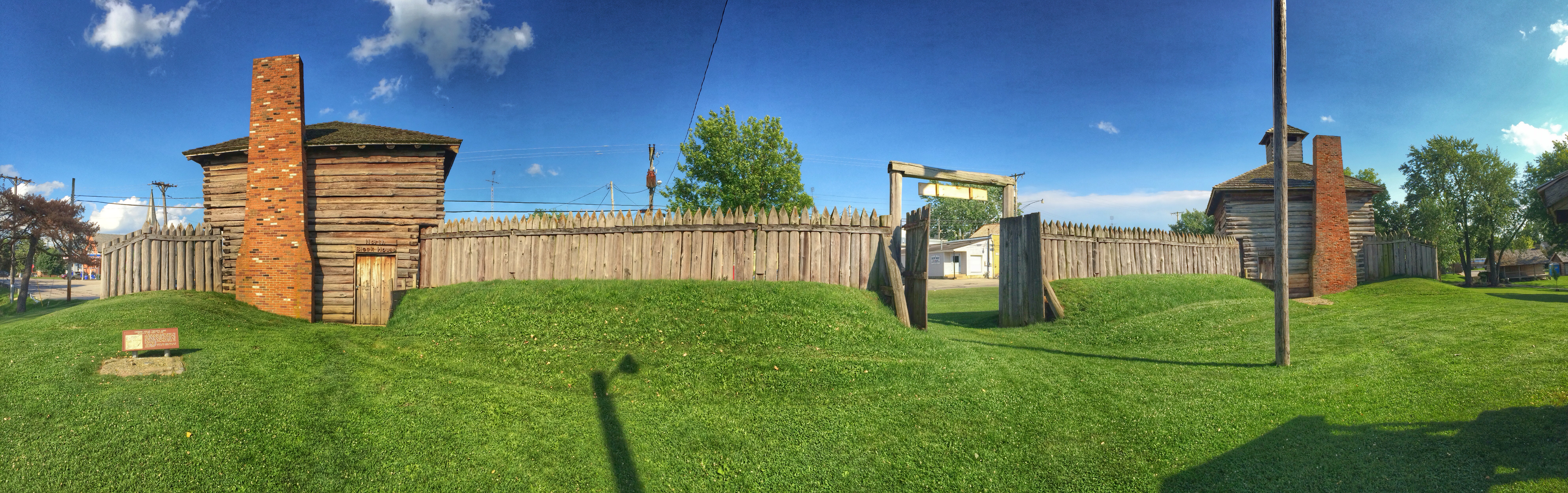
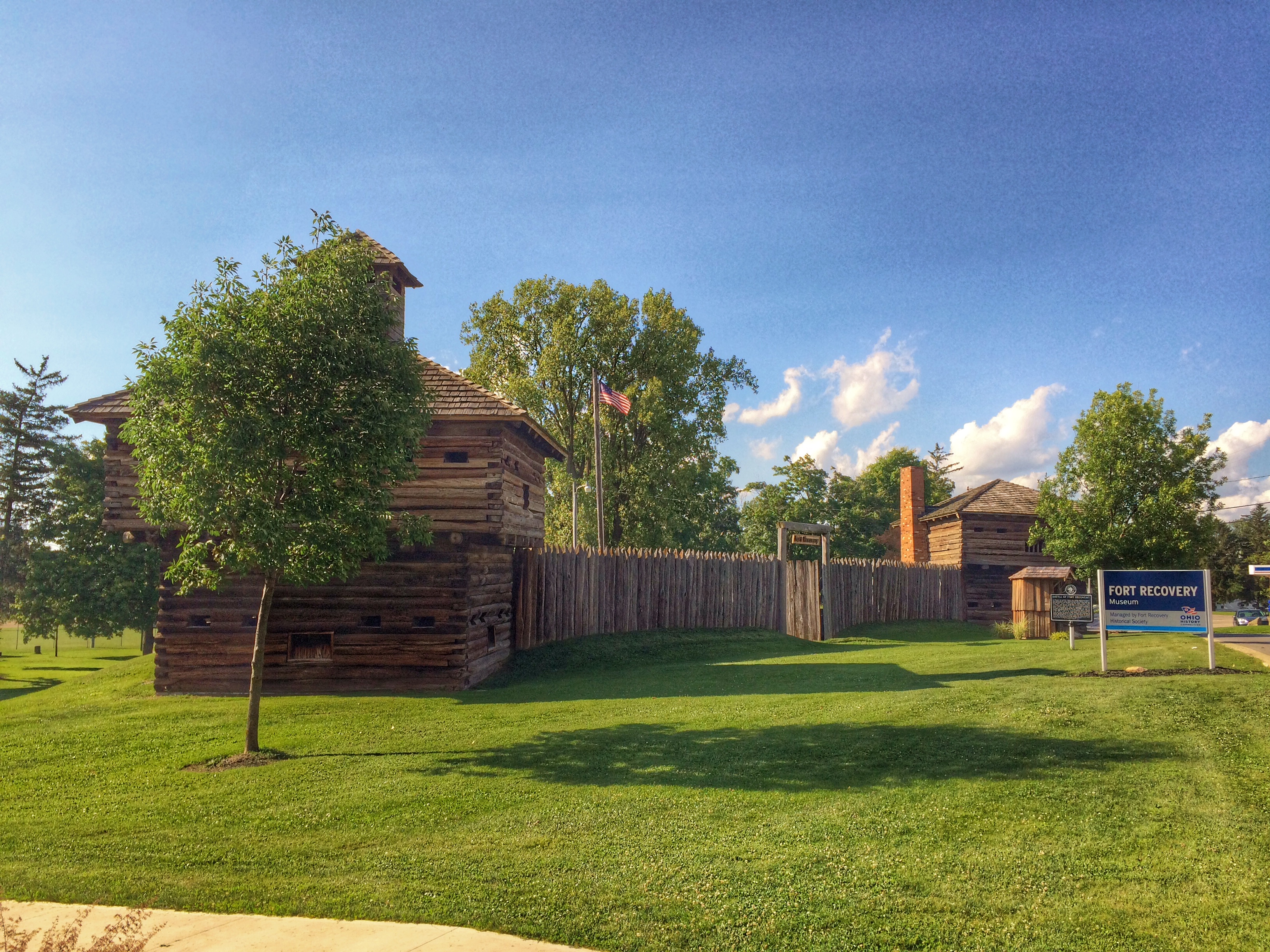
A partial reconstruction of the fort — one wall and two blockhouses — has been built a couple blocks from the memorial. There’s also a museum, but it was closed by the time we arrived. Which is just as well. If it was open, I would have gone in. But it cost $5, isn’t very large and is filled with mannequins dressed in period costumes.

IMG_2808

IMG_2809

IMG_2812

IMG_2807

IMG_2805

IMG_2806

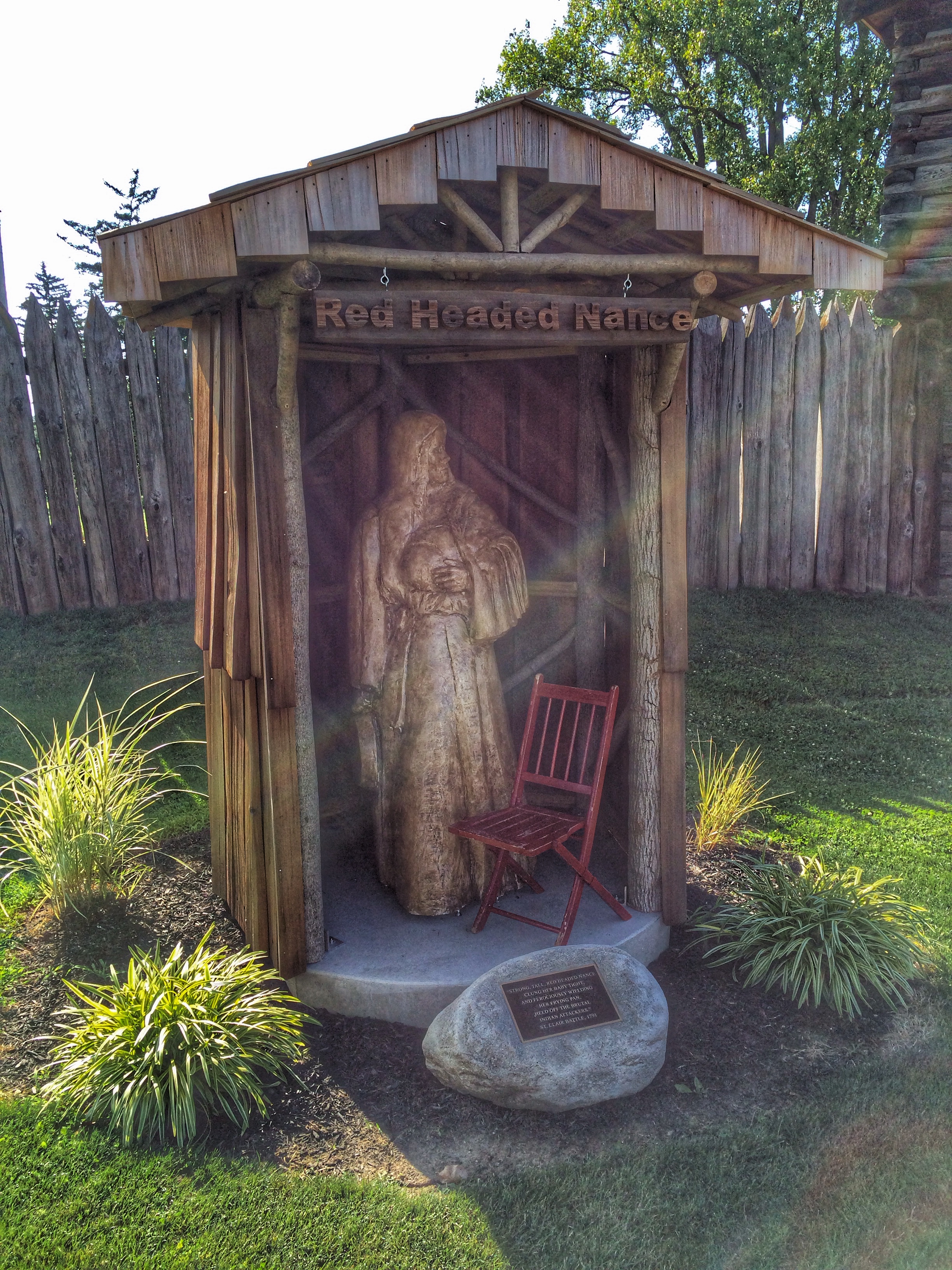
This carved sculpture, called “Red Headed Nance” stands next to the fort. The plaque underneath reads “Strong, tall, Red Headed Nance clung [sic] her baby tight, and ferociously wielding her frying pan, held off the brutal Indian attackers. St. Clair battle, 1791.”

IMG_2810

Posted in Ohio | Comments Off on Fort Recovery

Back Roads — Part Two

For lunch on Monday, we stopped at Skyline Chili. Cincinnati chili is one of those things (like Monty Python and the Holy Grail) about which nobody is ambivalent. People either love it or hate it. We love it.

For dessert, we drove to Henry’s Diner in West Jefferson, Ohio. I found out about this place on roadfood.com, which said the pie was amazing. It also said the outside looked like a dive. So I was prepared for an unassuming setting.

I wasn’t adequately prepared. This place didn’t just look like a dive. It looked abandoned. It looked derelict. It looked like a place where weird murders were likely to occur.

eIMG_5027

eIMG_5026

I’m not sure I would have had the courage to visit after dark. The reviews said it looked better on the inside, and I supposed that is accurate. “Better” was the only direction available. but that’s not to say it looked nice.

eIMG_5022

eIMG_5021

A scrawny woman with black and crooked teeth but a very pleasant personality came by to take our order. I asked about the pie and she informed us that the five people who were leaving as we entered had ordered two pieces each, so the remaining options were somewhat limited. I ordered the final piece of lemon meringue and my wife ordered blackberry. I also asked about the cherry juice. The waitress shook her head and said, “I wouldn’t drink it.”

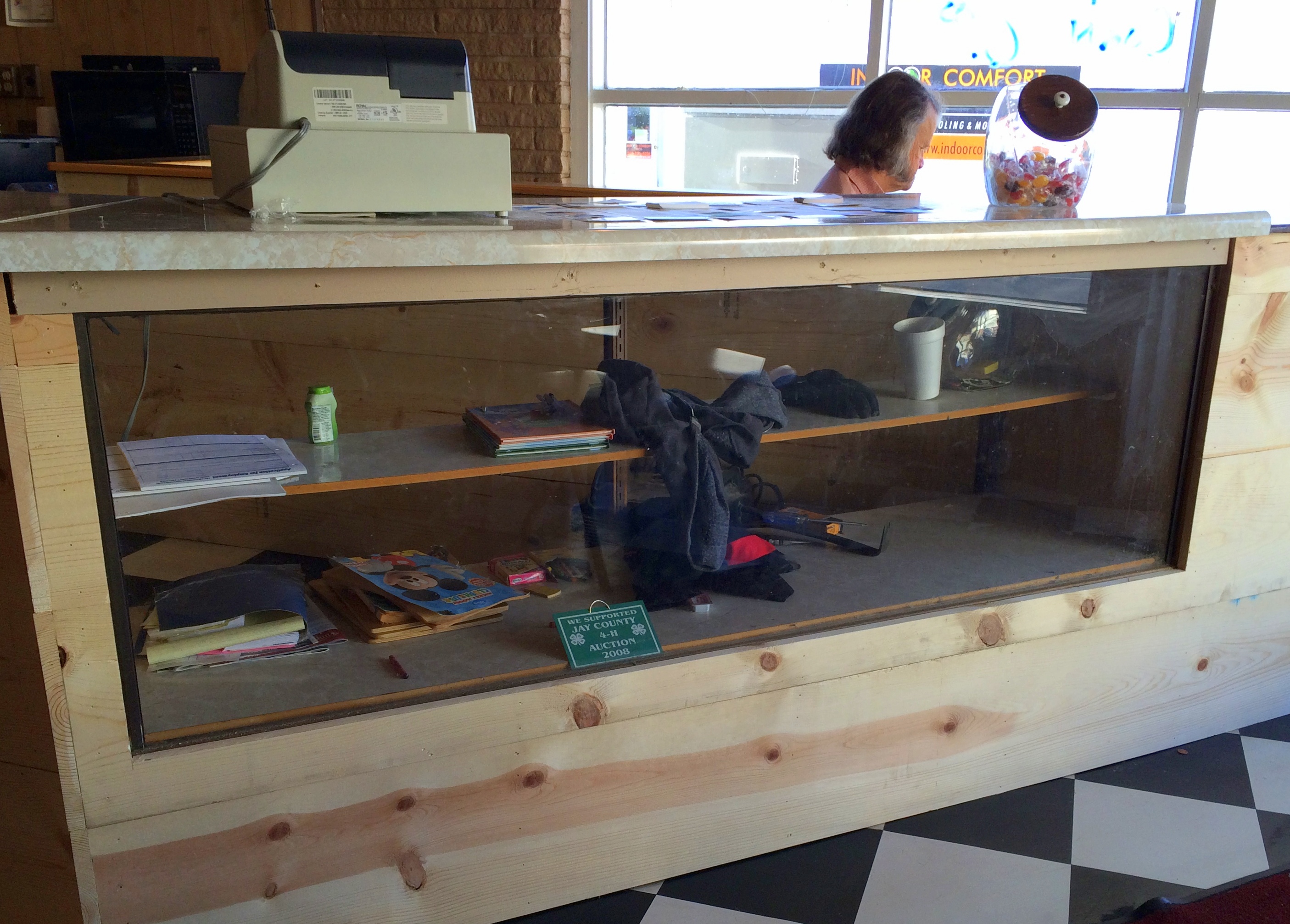
While waiting for our pie, we had a chance to look around. It wasn’t particularly clean or kept up. The area behind the counter looked neglected, the case under the register was cluttered with junk and the edges were dusty. The pie wasn’t bad, but the ambiance was so hard to ignore that we couldn’t really enjoy it. Given the opportunity to return, we would skip it.

The bathrooms were the final straw. They were filthy and malfunctioning. I forget all my wife said about the women’s. The sopping wet newspaper under the urinal in the men’s was unpleasant.

We escaped and headed northwest across rural Ohio.

On our way through the small town of Mutual, I spotted an interesting rock stack along the road.

IMG_2757

I read about this on the Internet but didn’t think it worth a special trip. But since we were right there, I made a quick U-Turn, parked in a nearby cemetery and walked over for a photo. Whoever created this changes it from time to time. It’s been the Iwo Jima monument and a nativity scene in the past.

Our trip took us through Fort Recovery, Ohio and into Portland, Indiana. We stayed at a Holiday Inn Express. I was surprised to find a hotel that nice in a town that small, and when we got there, I was even more surprised to discover how clean and neat it was.

It was still fairly early in the evening. We stopped by Arby’s to buy a salad, but I’d had my fill of small town food. I made a dash into Wal-Mart and bought some fruit, a slice of cheese, and some almonds. We ate back in the room.

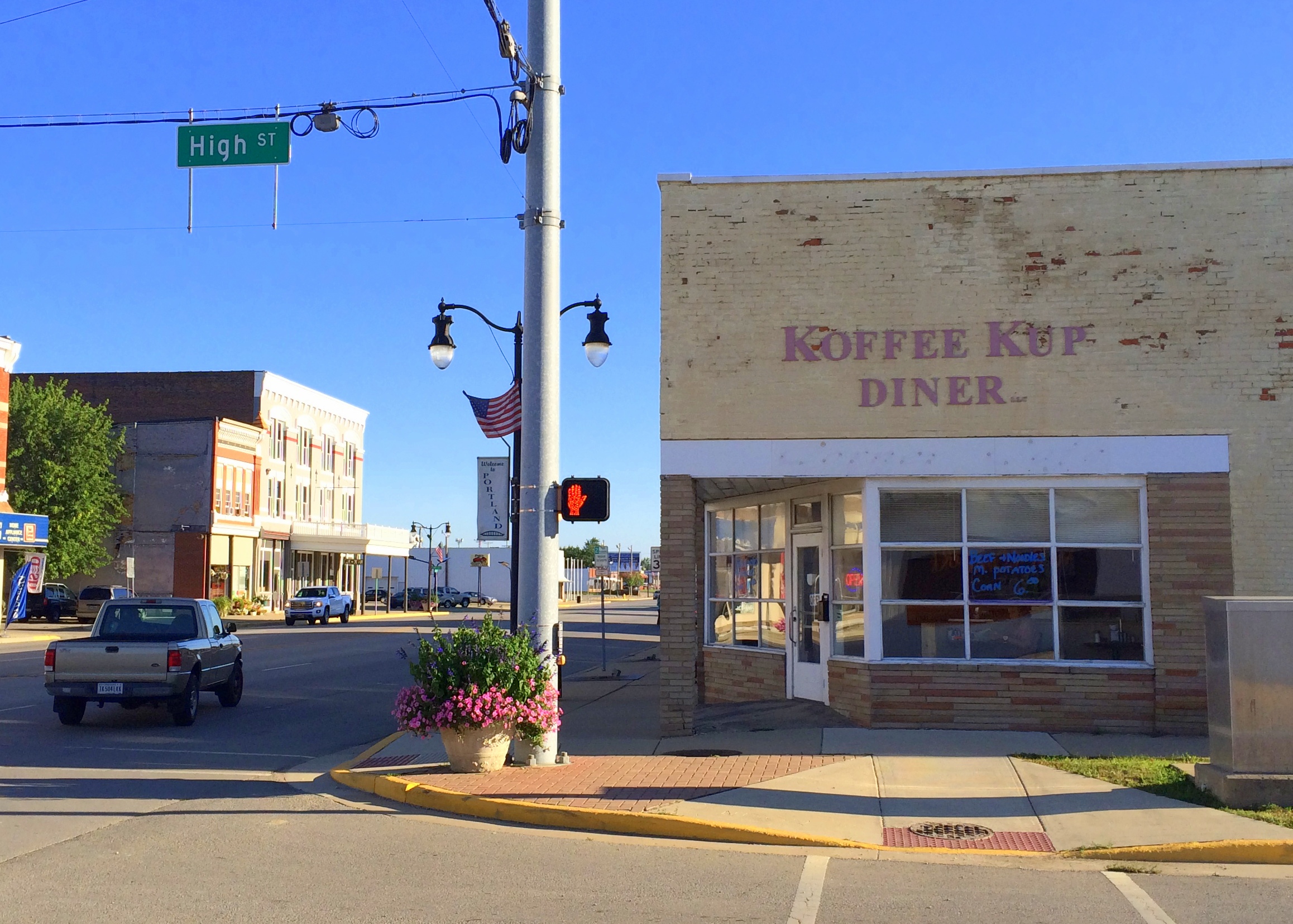
I did some searching for a place to eat breakfast. (Most of the time, we skip motel breakfasts, even when they’re complimentary. They’re never good.) A local place in downtown Portland got fairly good reviews. It was called the Koffee Kup Diner.

eIMG_5058

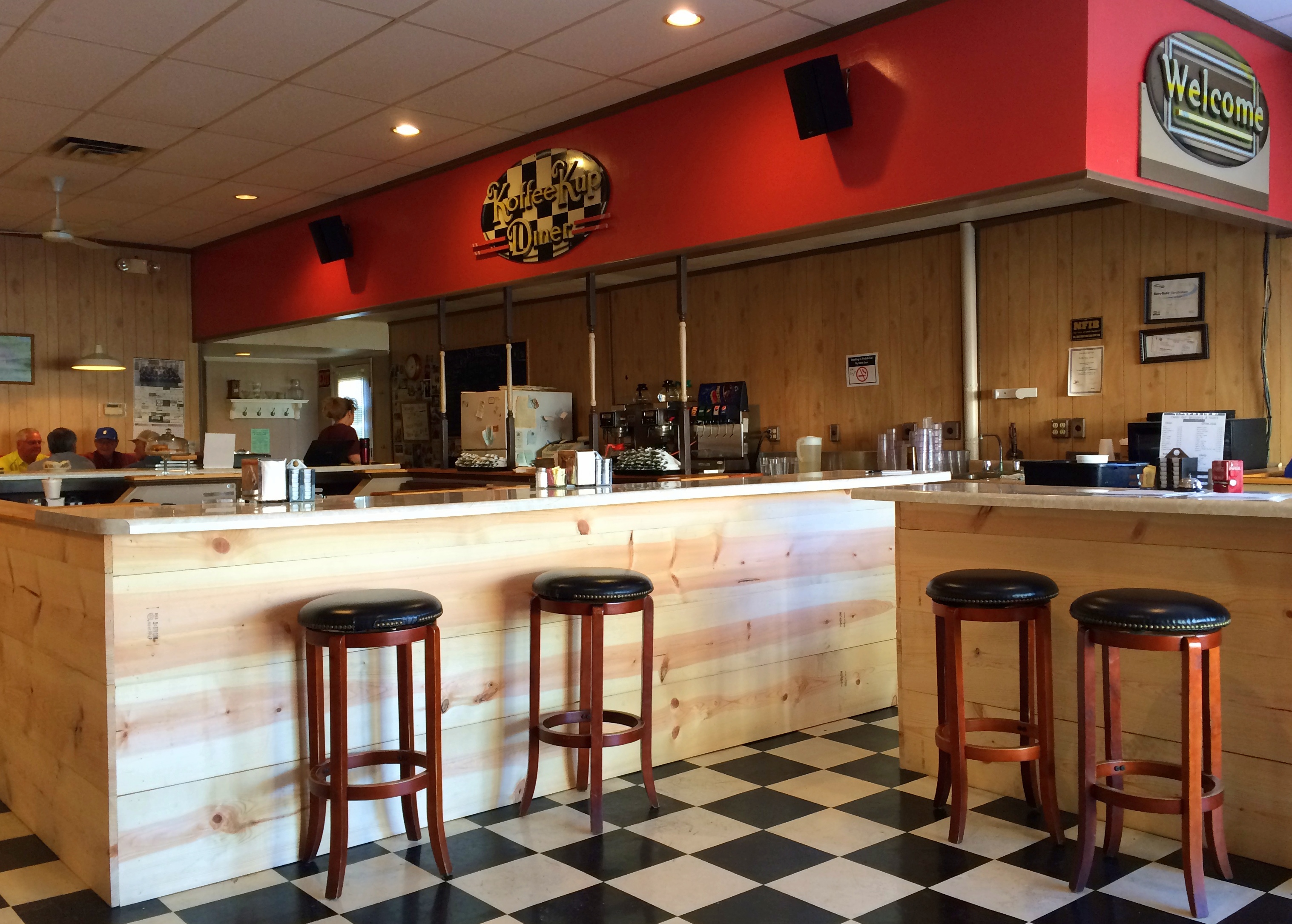
The table in the back was filled with a group of older local men who probably have eaten there every morning for years. We sat in the front and had the rest of the place to ourselves except for a single guy with gray Elvis sideburns who came in shortly before we left.

iIMG_5055

The food was tasty. The decor was pleasant. Unfortunately, it looked like it hadn’t been cleaned in years. It was even worse than Henry’s Diner. The night before, I’d found a review from a year or so ago that mentioned the grubby state of the display case under the register. Nothing had changed. Nothing.

eIMG_5057

After breakfast, we drove north through Indiana, stopping at some spots I’ll cover in future posts. In Berne, a town proud of its Swiss heritage, there was a clock tower modeled after one in Bern, Switzerland.

eIMG_5065

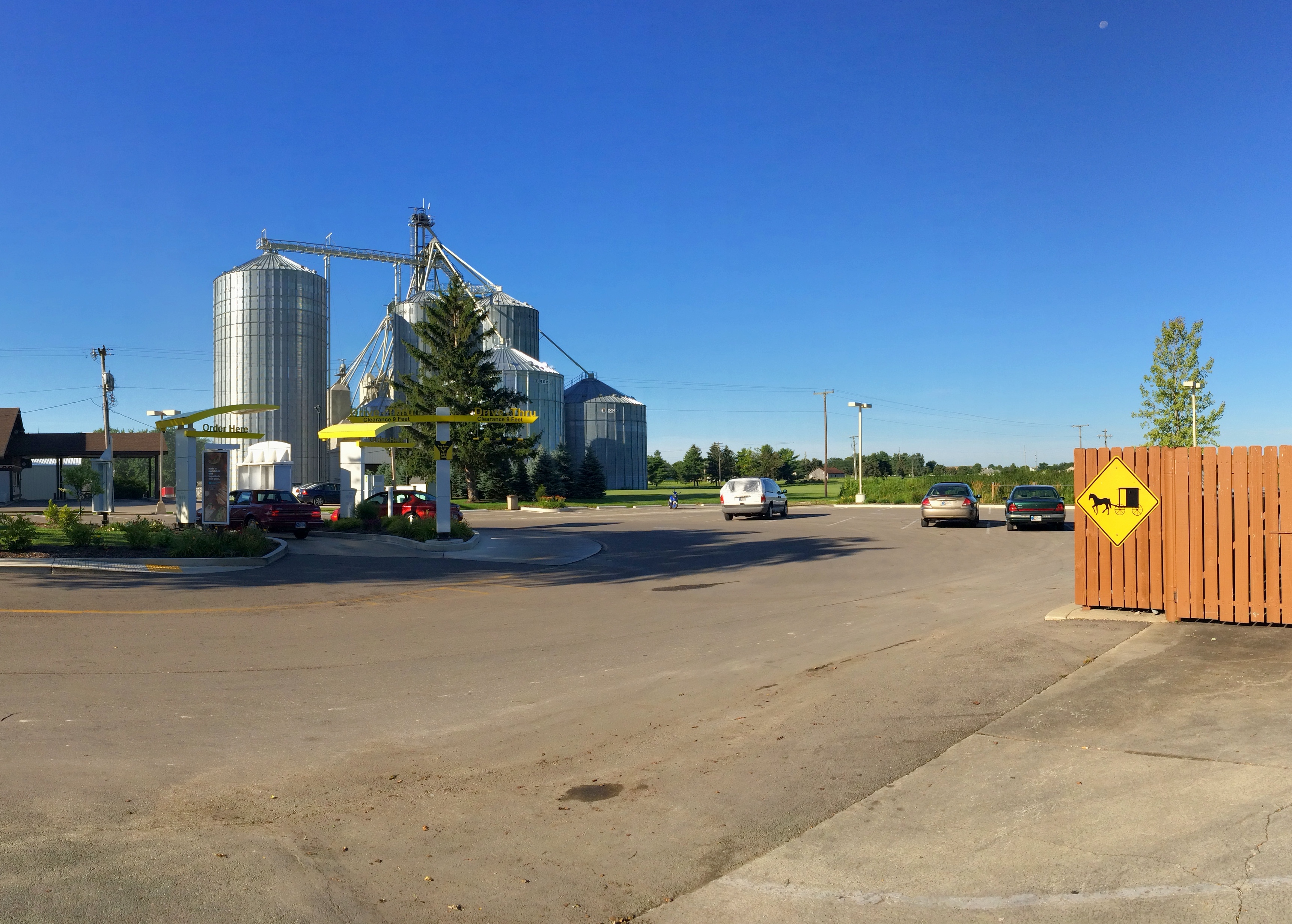
The nearby McDonald’s, where we stopped for drinks, had a parking area for buggies near the drive through.

eIMG_5061

Posted in Indiana, Ohio | Comments Off on Back Roads — Part Two