John Rankin House

Our guide to Grant’s house in Georgetown lived in Ripley. She spoke so highly of the John Rankin House, and particularly of the view of the Ohio River that we decided to drive the 13 miles south to see it.

My GPS got us to Ripley and took us through town and up a narrow lane that inclined steeply up the bluff. We turned onto another, even narrower path that led to the driveways of two houses perched precariously on the slope. A small sign pointed to a path that was overgrown and barely visible and announced it as the “path and stairs to the John Rankin House.” There was no place to park, and no evidence that anybody had gone up the path in a very long time. We quickly decided that if a climb up that hill on that path was the only way to get to the house, we weren’t going.

But then we were faced with the challenge of getting out of there. I pulled forward into a tiny driveway, then backed steeply uphill into another one and managed to extricate the car. When we got back to the bottom of the hill, I spotted a guy on a motorcycle backing out of his driveway. I pulled over and told him we were looking for the Rankin house. I told him my GPS had directed me to the path on the hill. He laughed and said, “You don’t want to go up there.” I said, “That’s why I’m down here talking to you.” He directed us through town to a road that led up the hill.

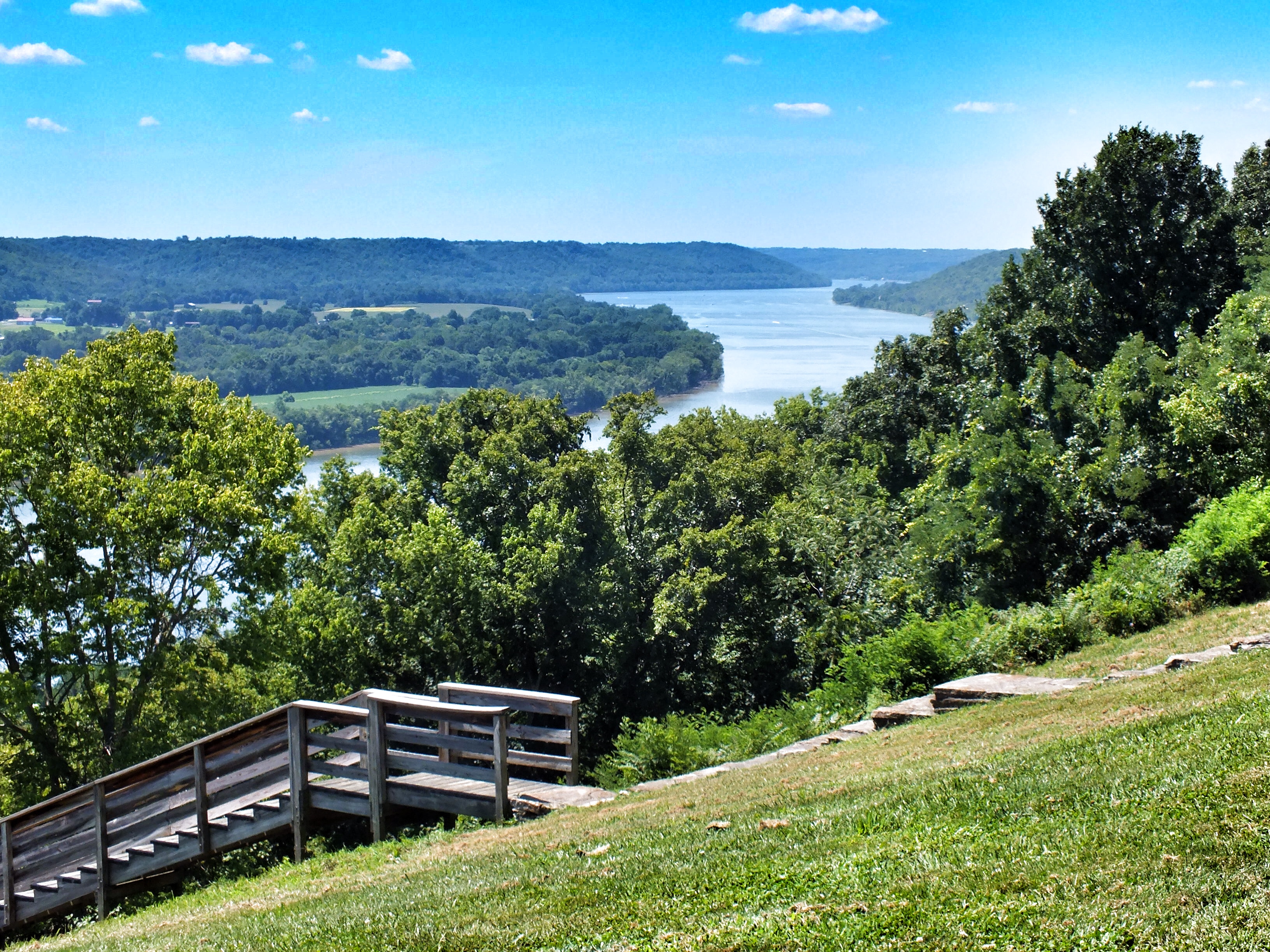
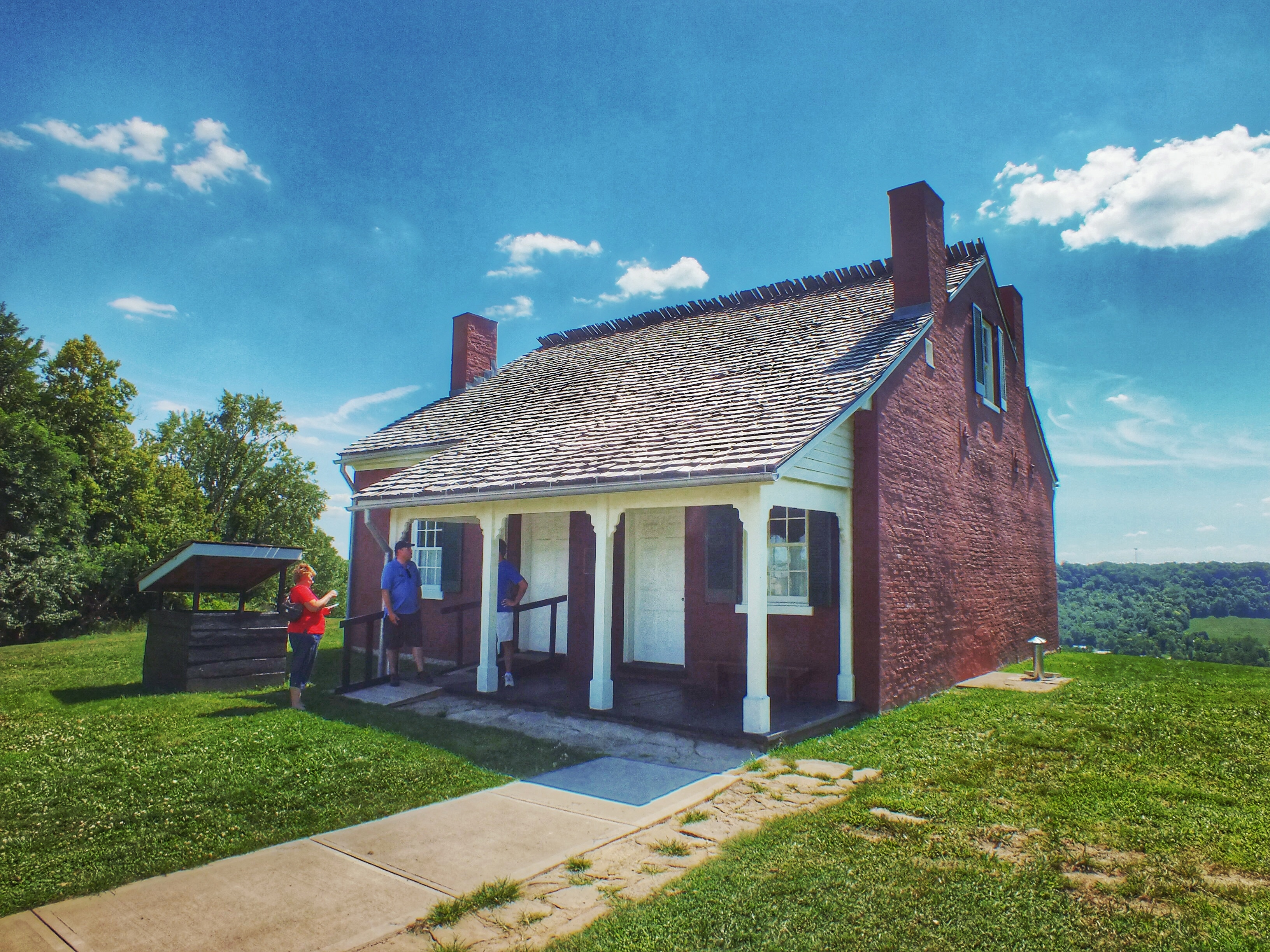
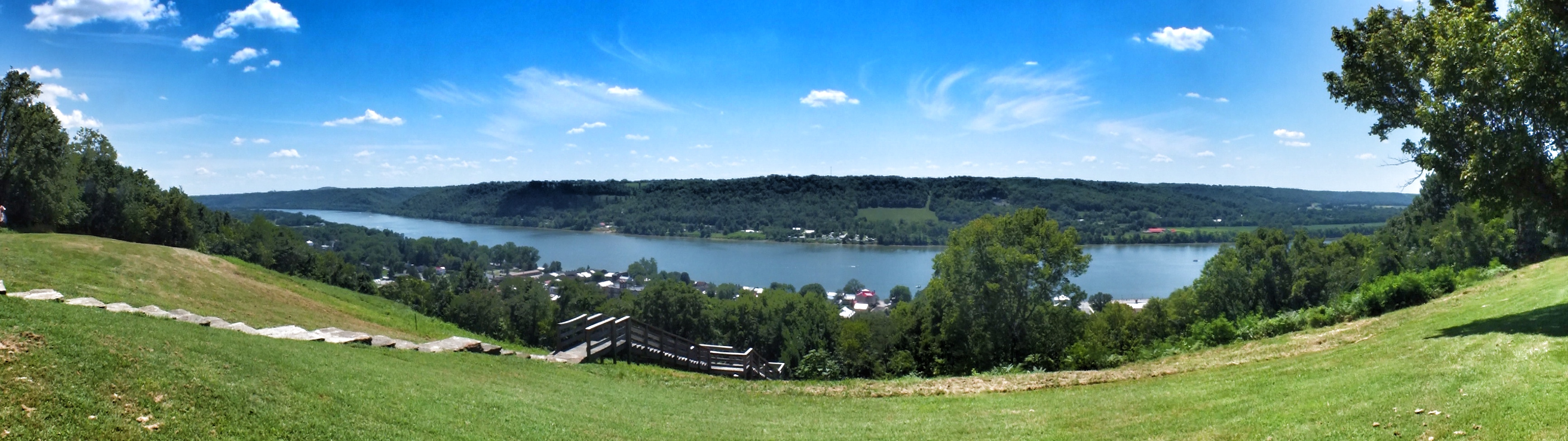
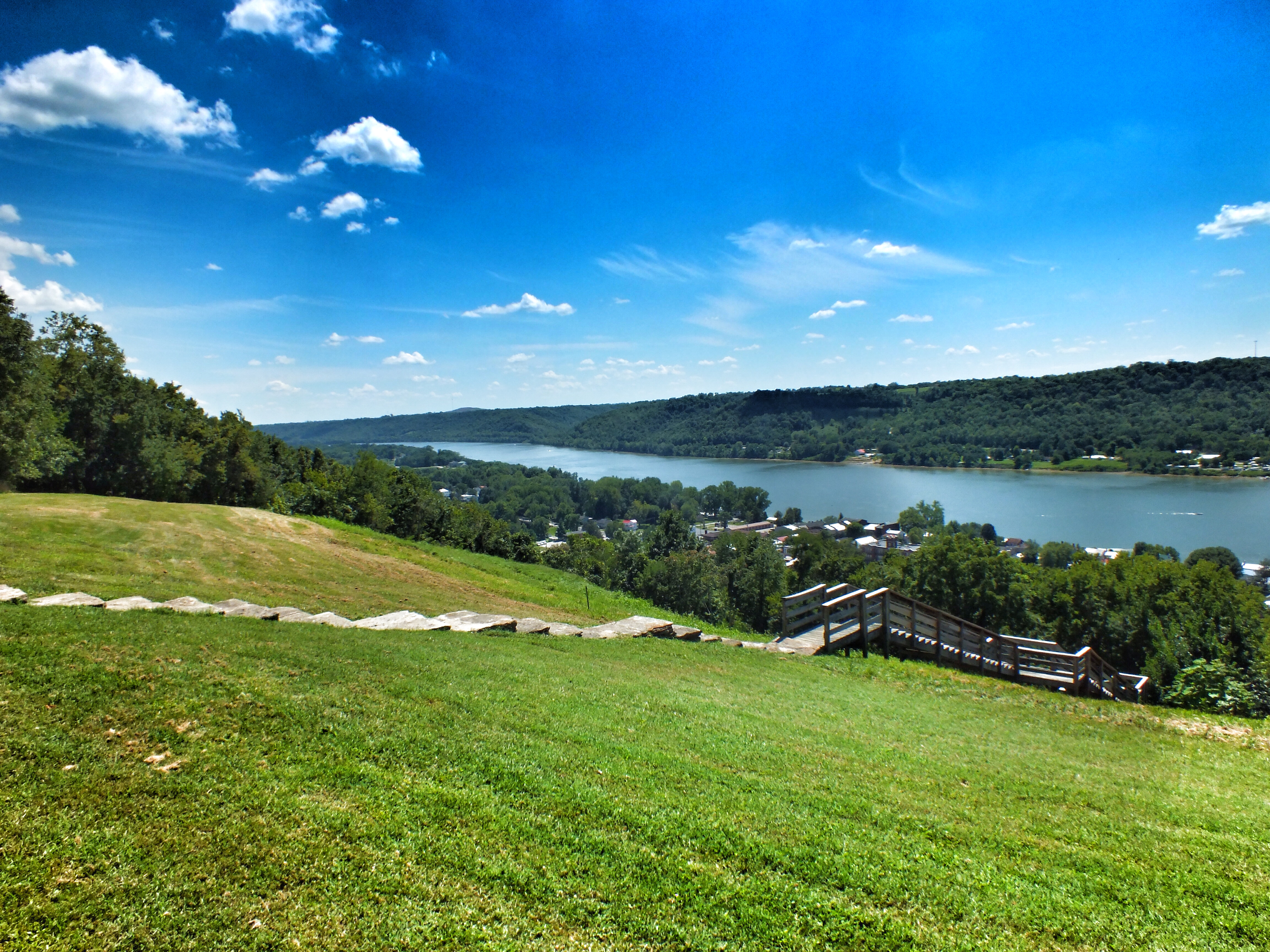
We climbed steeply and finally found the house. It sat in a clearing on the bluff and afforded tremendous views up and down the river.

IMG_2770

IMG_2773

IMG_2753

Built in 1825, the Rankin House was home to abolitionist and Presbyterian minister John Rankin, his wife Jean, and their thirteen children. Rankin said that 2,000 slaves stayed at his house on their way to freedom. Slavery was illegal in Ohio, but runaway slaves could still be apprehended due to the Fugitive Slave Law of 1850. In order to avoid danger, slaves had to leave the United States, so after meeting their immediate needs, the escapees would be escorted to a church about five miles away, the next link in the Underground Railroad.

The staircase visible in these photos was used by slaves who crossed the river to get to the sanctuary of Rankin’s house. It’s the top portion of the path we were directed to earlier down in the town. The wooden portion is new, of course, but the stone steps at the top are original.
IMG_2752

IMG_2755

IMG_2756

IMG_2754

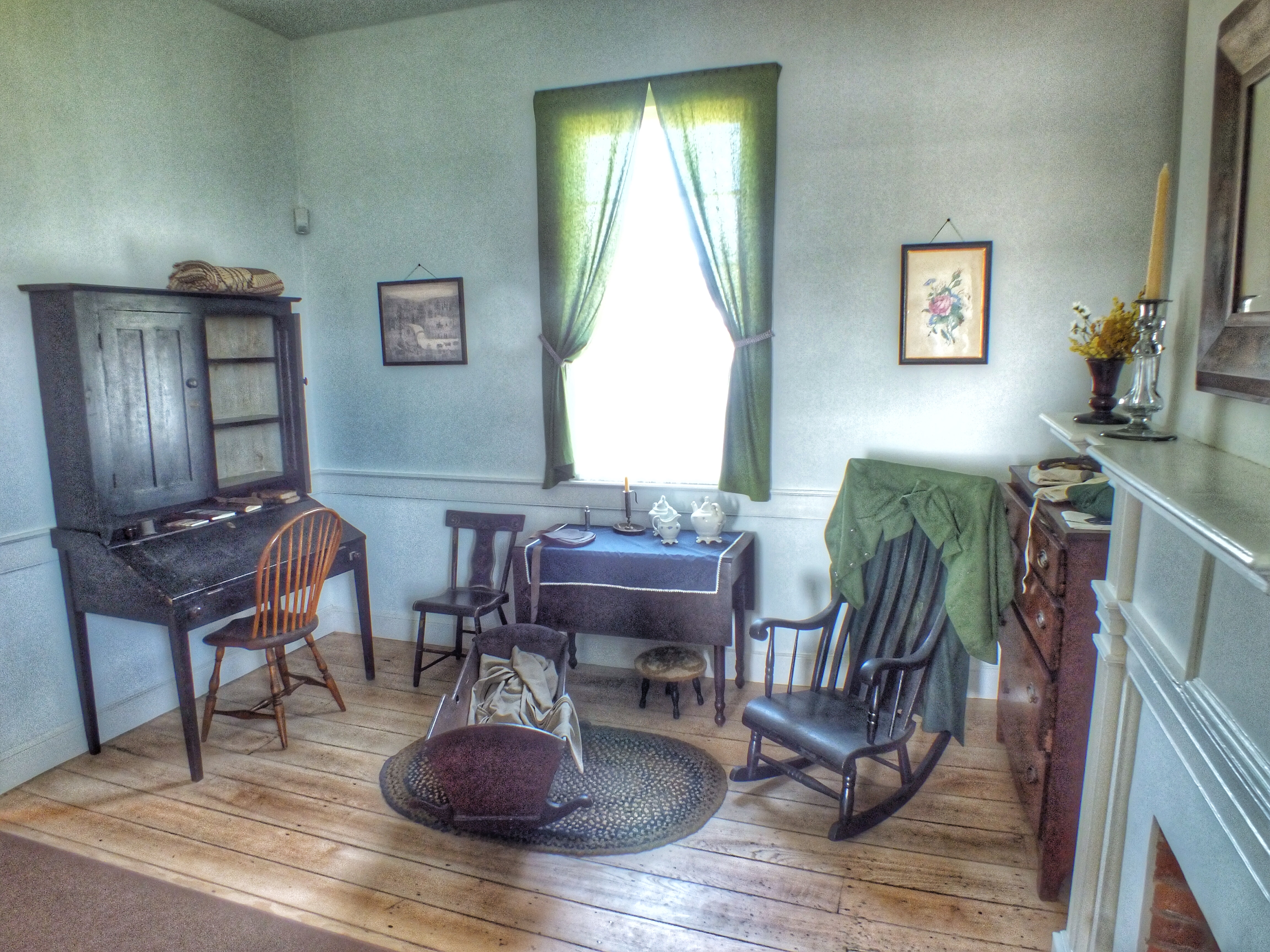
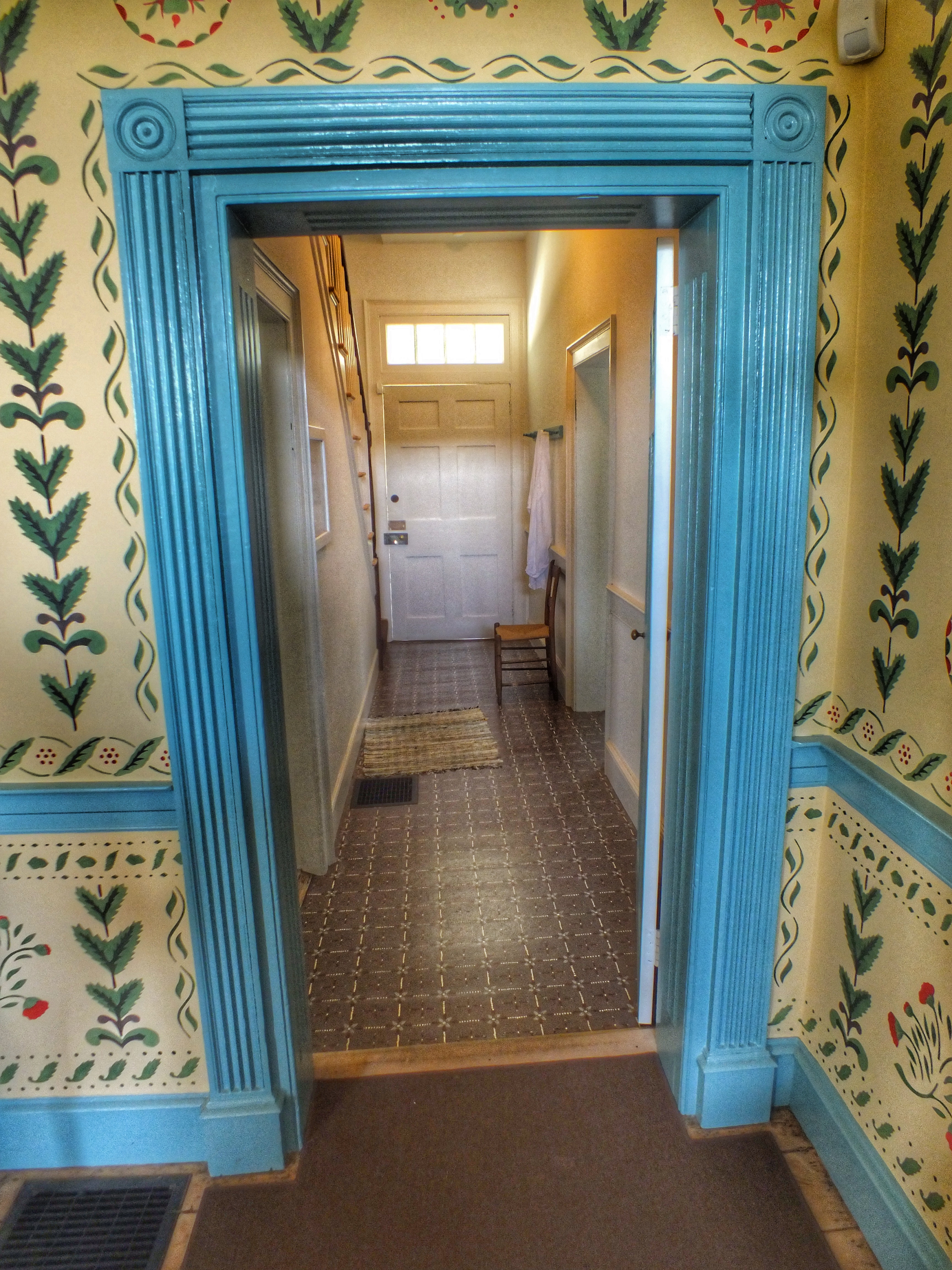
Harriet Beecher Stowe knew the Rankins. From John she heard the story of a slave woman who crossed the river on the ice with a child in her arms. She had to leave two children behind. Years later, when she’d earned enough money to buy them out of slavery, she could only find one of them. On her path across the frozen river, the woman fell through twice, and then ran into a slave catcher who was patrolling the Ohio shore hoping to cash in on the bounty for recovered slaves. After watching her trip across the river, he was struck with a burst of mercy and allowed her to continue. She spent some time in Rankins’ parlor before being escorted further inland. Stowe later wrote a fictionalized version of the account into her book Uncle Tom’s Cabin.
IMG_2777

IMG_2751

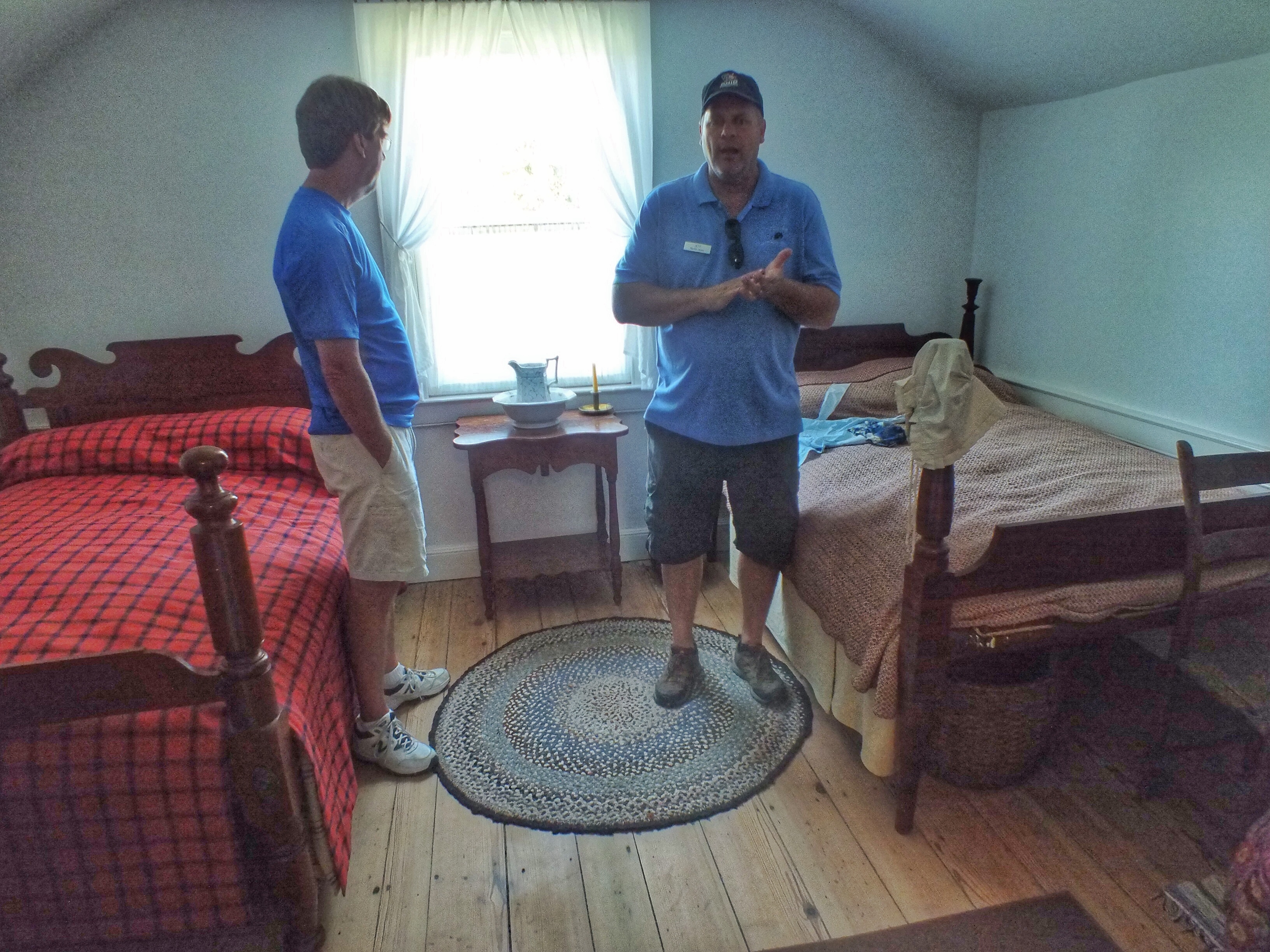
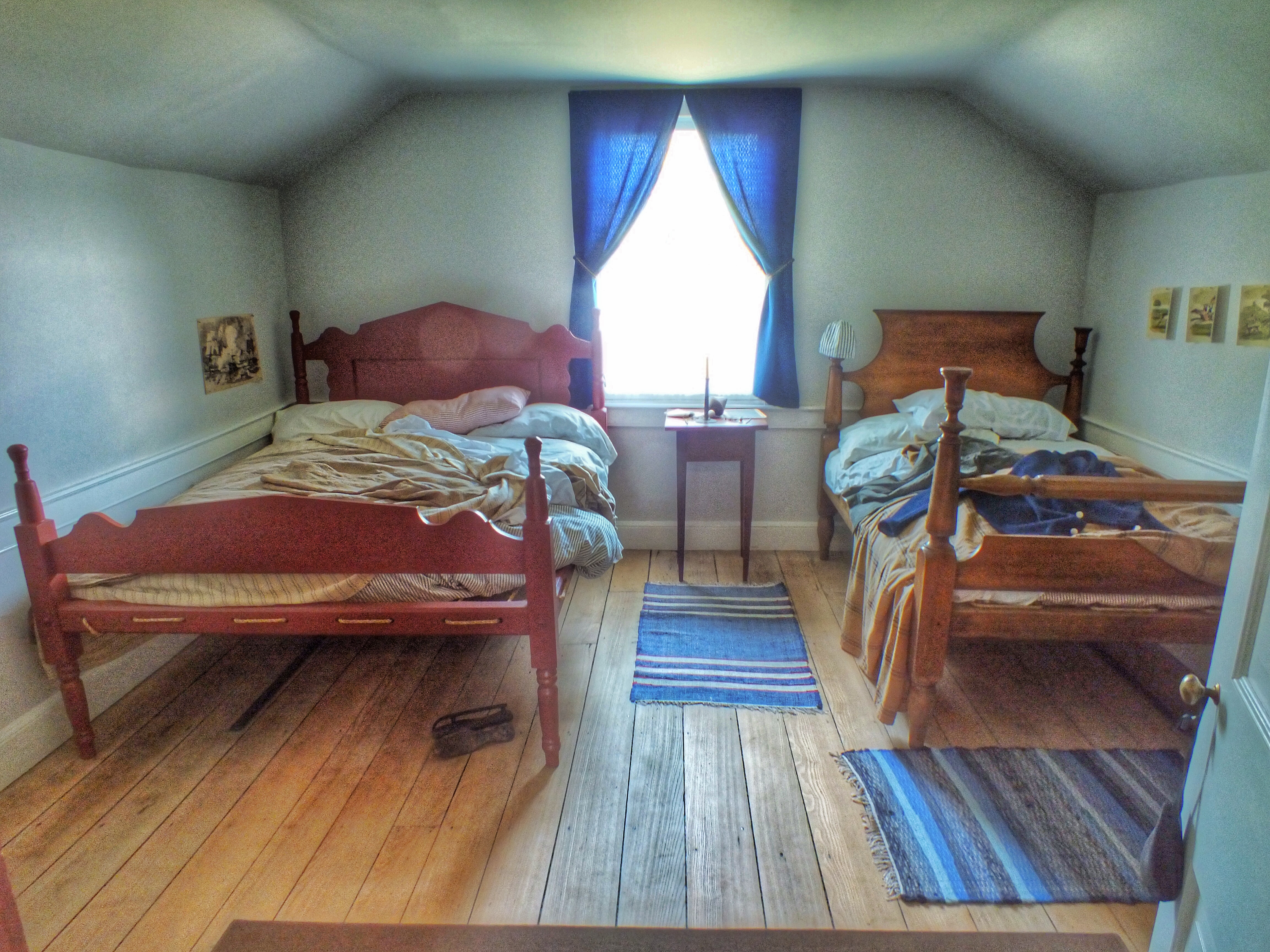
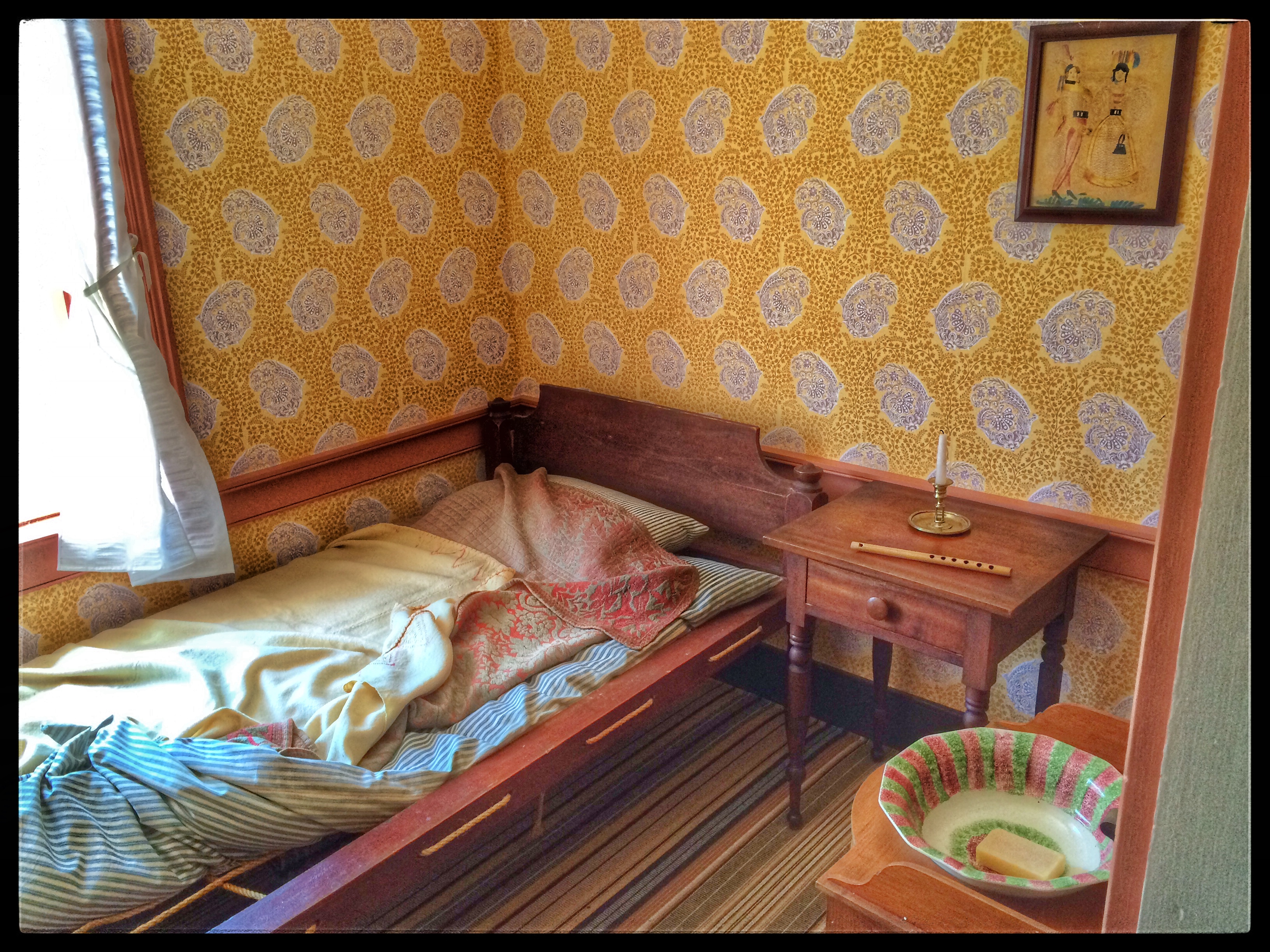
There were also two bedrooms and a dining room on the first floor of the house and two bedrooms upstairs. With 15 people living in the house, there would have to be a lot of beds and bed-sharing.

Our guide was earnest and informed and made his information enjoyable. We shared the tour with another couple. When we first walked up, the guy was saying something sarcastic to the guide. His wife said, “Pay no attention to him. He’s a jerk.” The guy spent the tour subtly proving her correct.

IMG_2780

IMG_2779

IMG_2778

IMG_2772

IMG_2771

There were a lot of abolitionists in and around Ripley, but there were also many who were pro-slavery and didn’t care for the Rankins. The house and family were attacked at least once. Shots were fired on both sides but nobody was killed.

IMG_2776

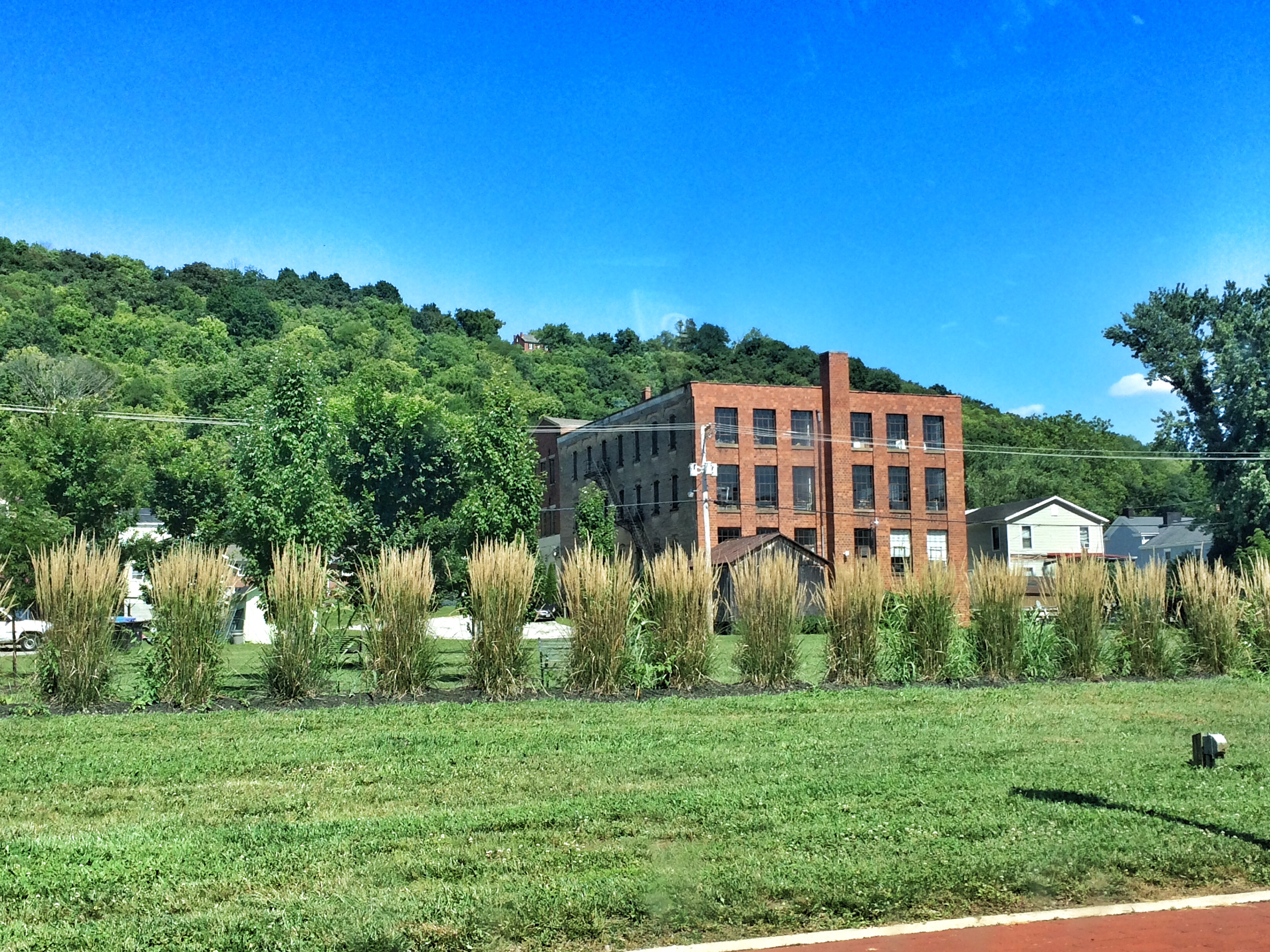
Here’s the house as seen from the banks of the Ohio River in Ripley. That’s the hill we would have had to have climbed if we listened to our GPS.
IMG_2746

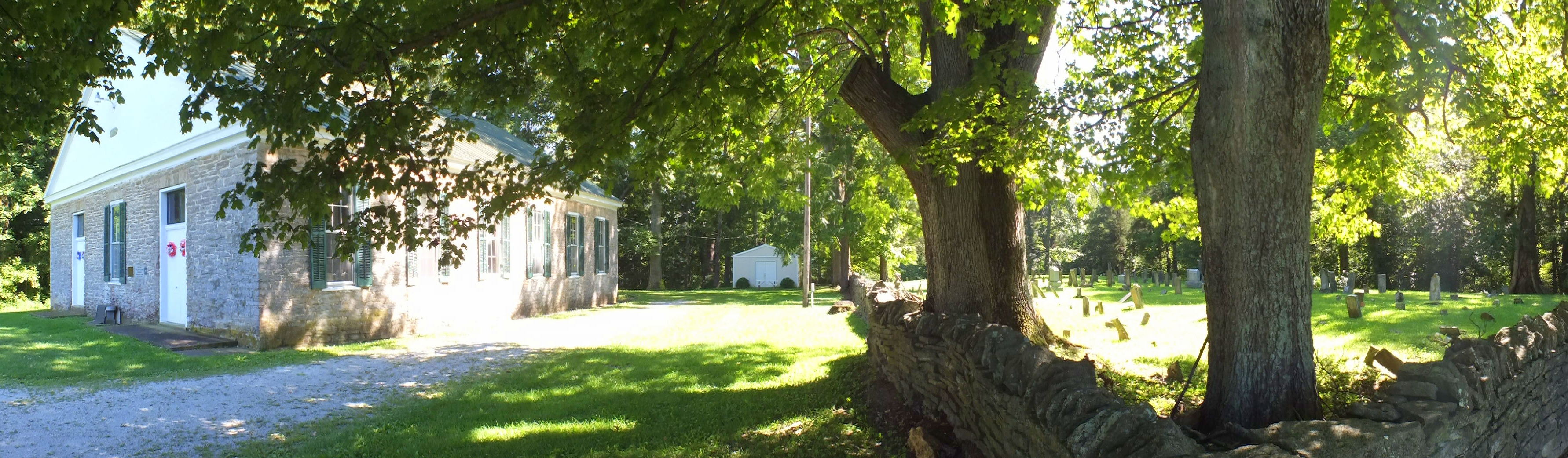
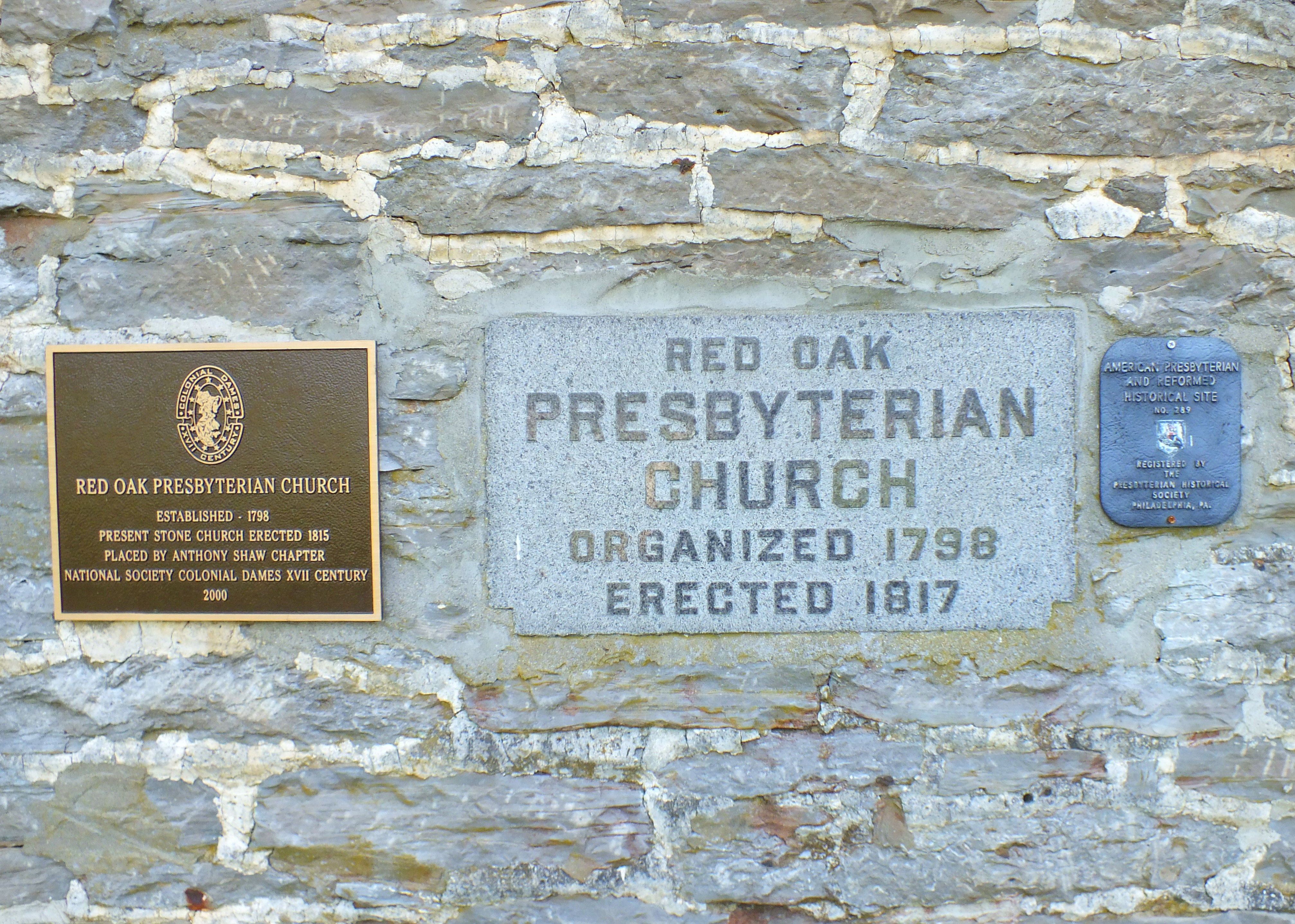
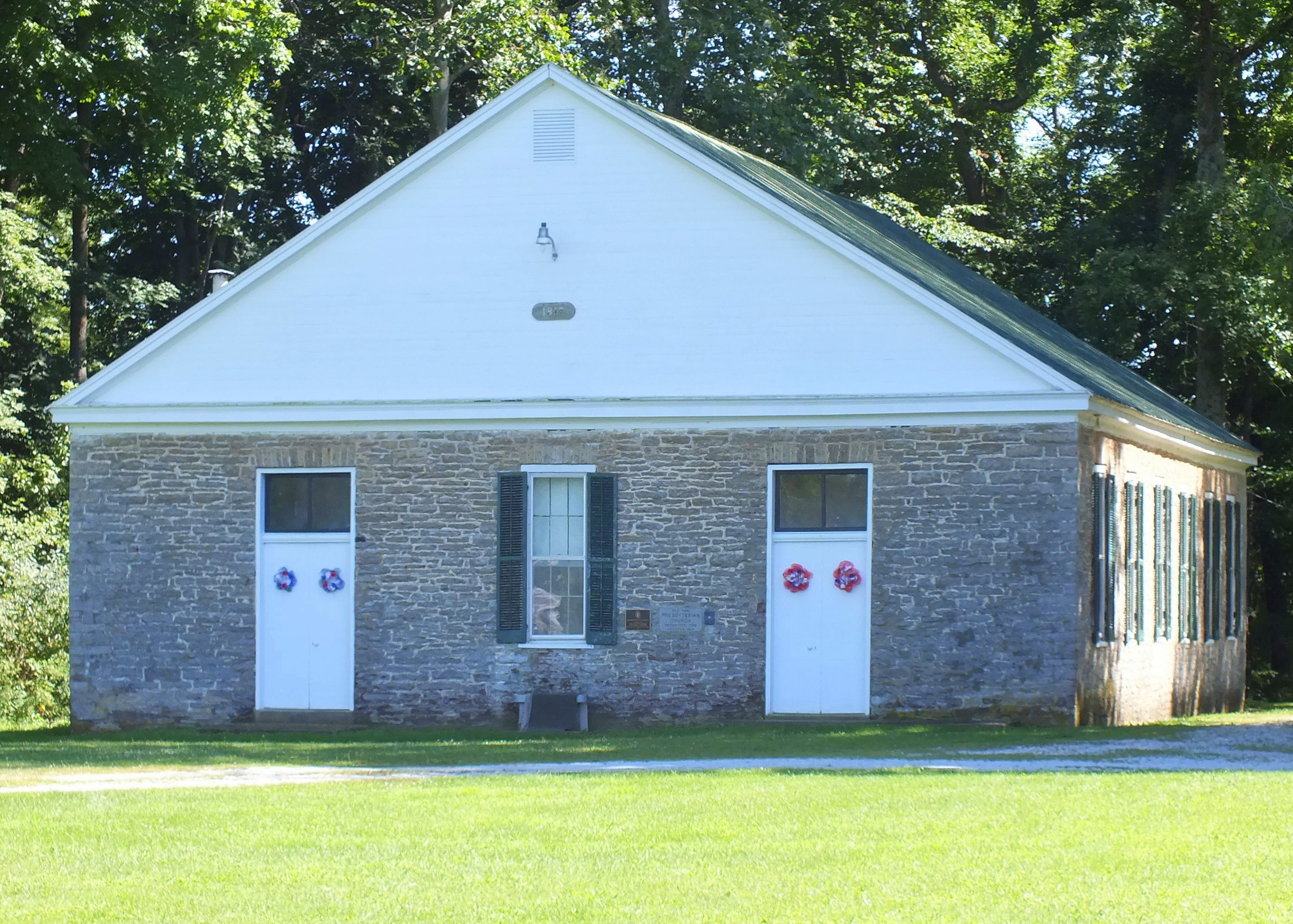
We drove over to see the church to which the Rankins escorted the slaves.
fDSCF3895

fDSCF3899

fDSCF3897

The church cemetery is also the final resting place of Aunt Jemima, of syrup fame.

fDSCF3893

Posted in Ohio | Comments Off on John Rankin House

U.S. Grant Boyhood Home and Schoolhouse

According to the Internet, and according to the sign on the door, Grant’s boyhood home on a backstreet in Georgetown, Ohio was supposed to be open at noon. It was 12:30, and the place felt decidedly empty. The doors were locked and nobody responded to my knocks. The web page said that tours could be arranged by calling the bed & breakfast down the street, so I walked down there and knocked on the front door and rang the bell. Nothing.

It irritates me when places aren’t open when their web pages say they should be, and this was looking very much like another example. We climbed back into the car and headed for the schoolhouse, about two blocks away. As I pulled away, I spotted another sign with a phone number to call if nobody was there. I called and got a message. I explained that we were there from Chicago and were only in town for the day and very much wanted to see the house.

Unlike the house, the schoolhouse had an “open” sign in the window and the door was unlocked. We were met by a nice guy who forgot to charge us our admission fee until we reminded him. He had just started talking when my phone rang. It was a woman responding to my call. The volunteer who was supposed to be at the house hadn’t showed up. It wasn’t the woman’s day to give tours, but she agreed to meet us there in half an hour.

IMG_2703

IMG_2702

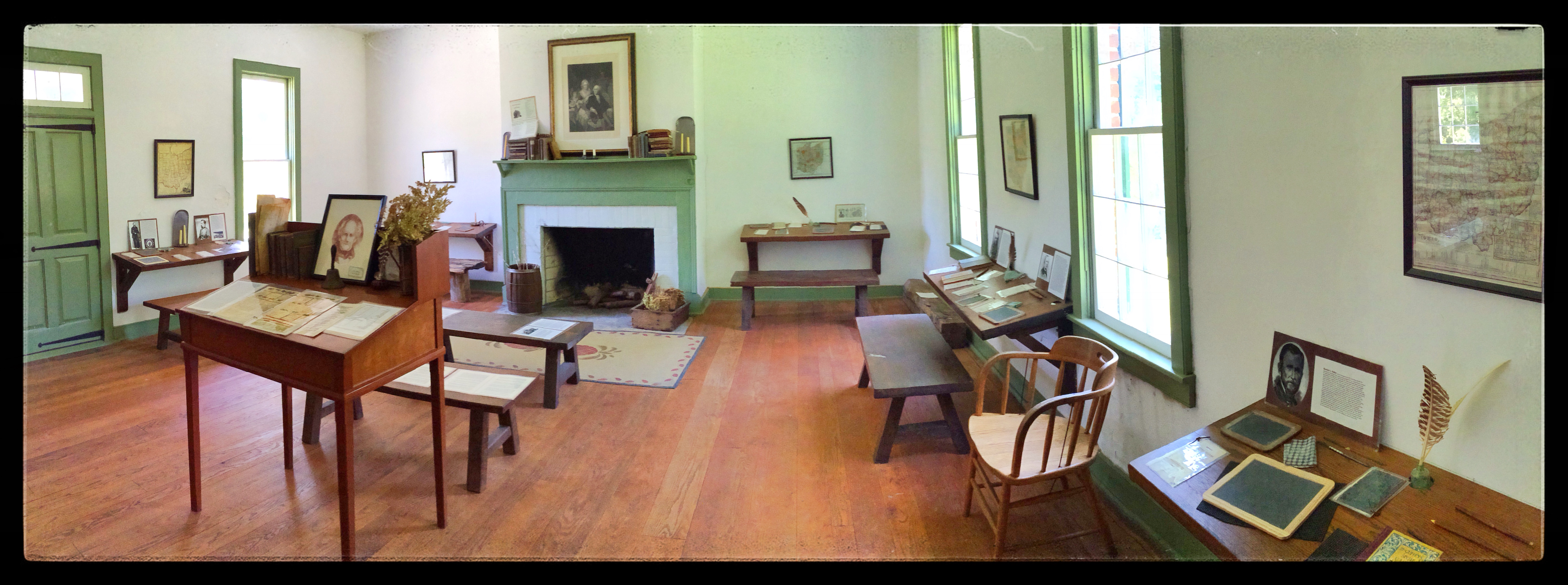
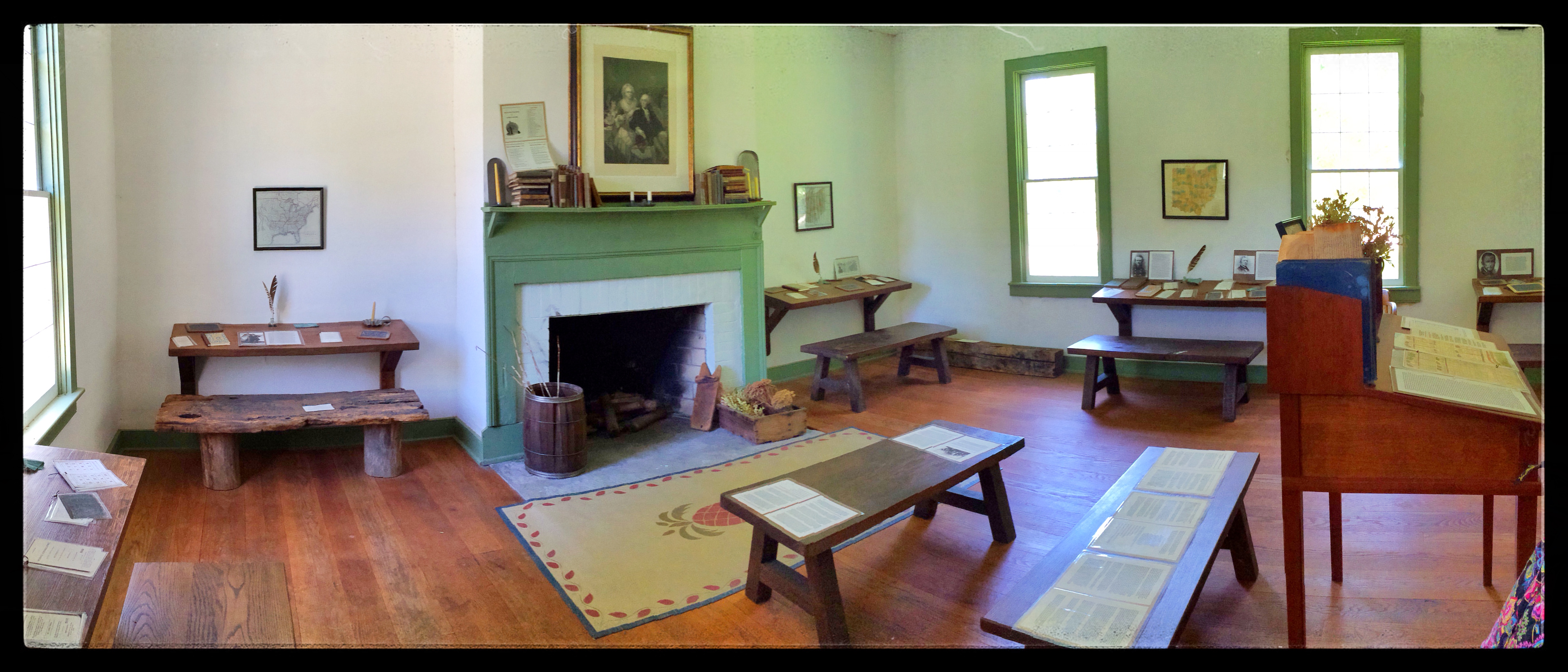
The tour of the school was very interesting — not so much because of the building itself but because our guide was well-informed and interested in the history himself. He showed us pictures of several of Grant’s schoolmates and told us their stories. A surprising number of students of that school became generals and admirals during the Civil War.

IMG_2697

IMG_2698

IMG_2696

This bench is the only original piece of furniture.

IMG_2699

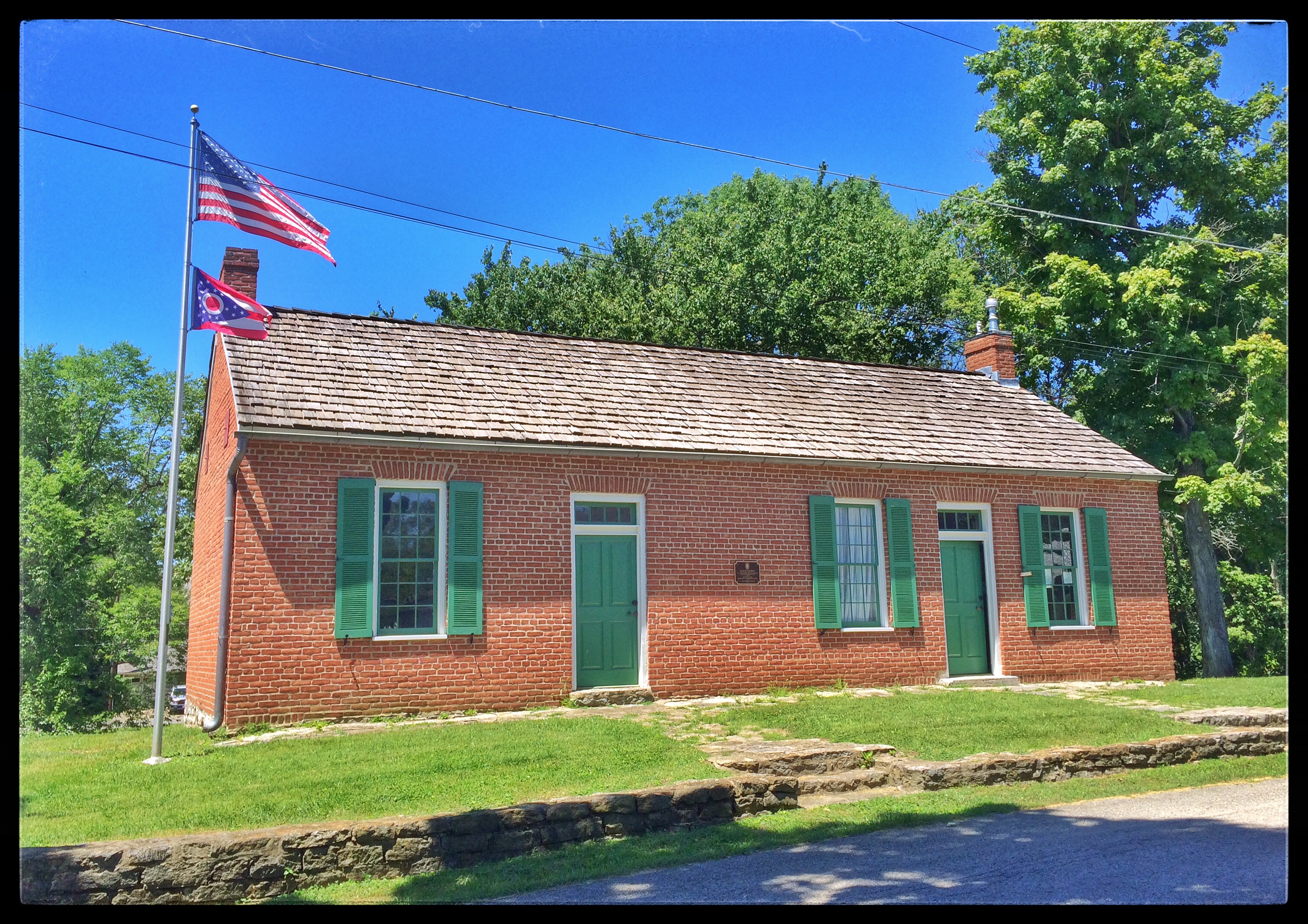
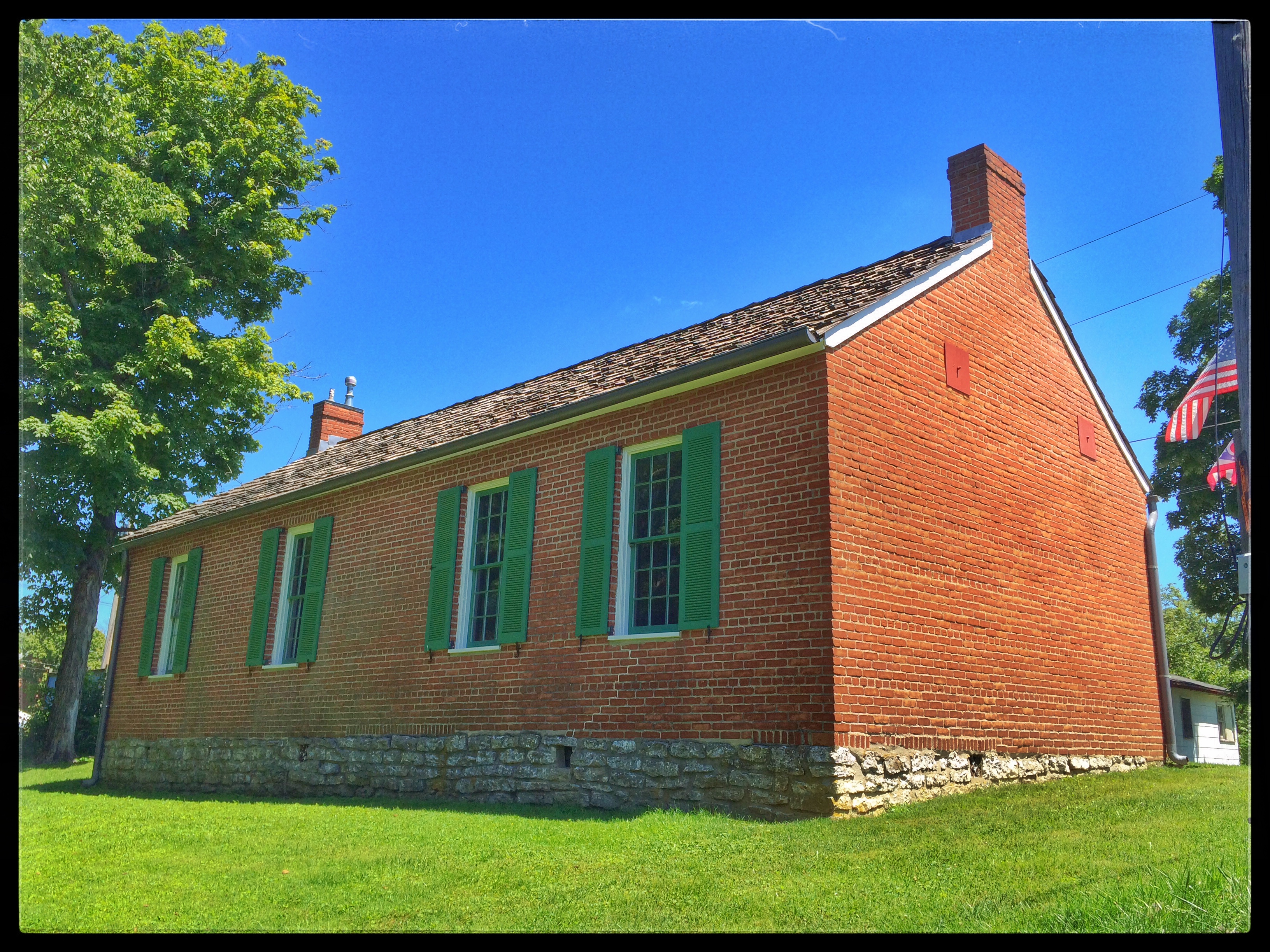
The school was built in 1829 and served as a school well into the 20th century. The building had two rooms. The other one contained displays and the gift shop. Our guide didn’t know for sure but he thought perhaps it was intended as the dwelling of the teacher. They had three of Grant’s original drawings on the wall.

IMG_2700

We were nearing the end of our tour when the woman from the house called back. She had a group coming for a tour and wanted us to come over so she could take us through the house at the same time. We headed over right away, but there was nobody there but her. She gave us our tour and when we left 45 minutes later, still nobody had showed.

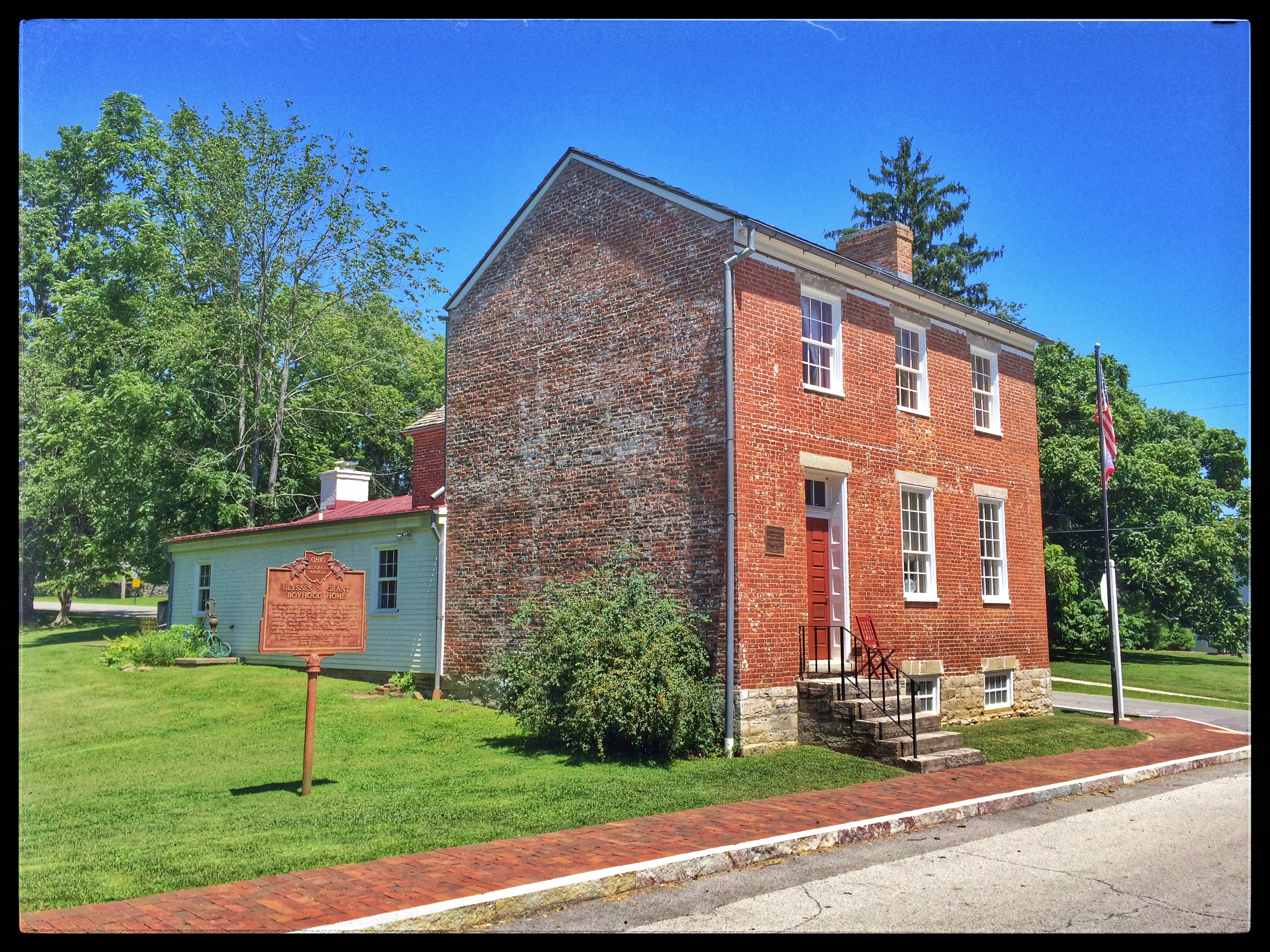
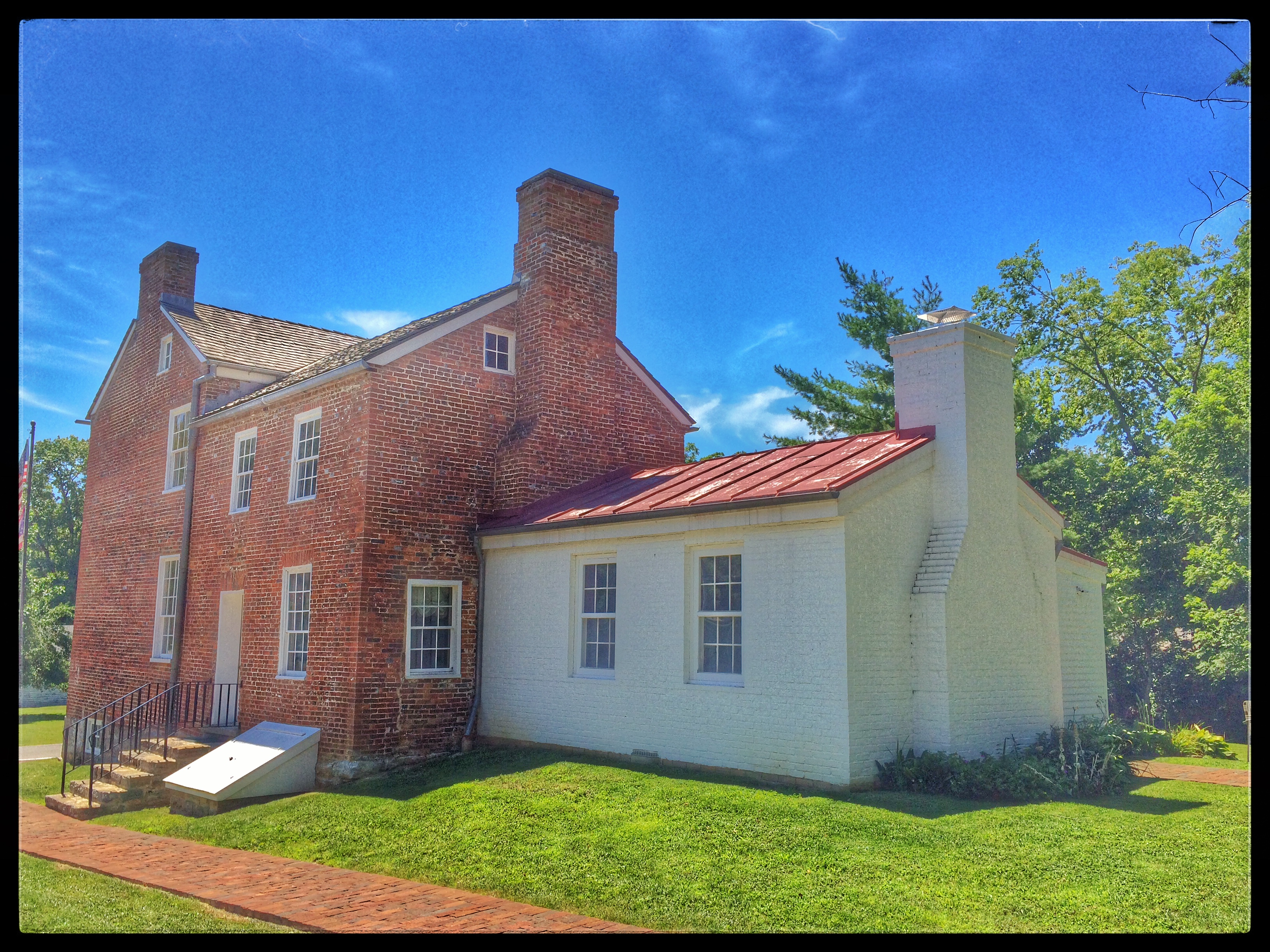
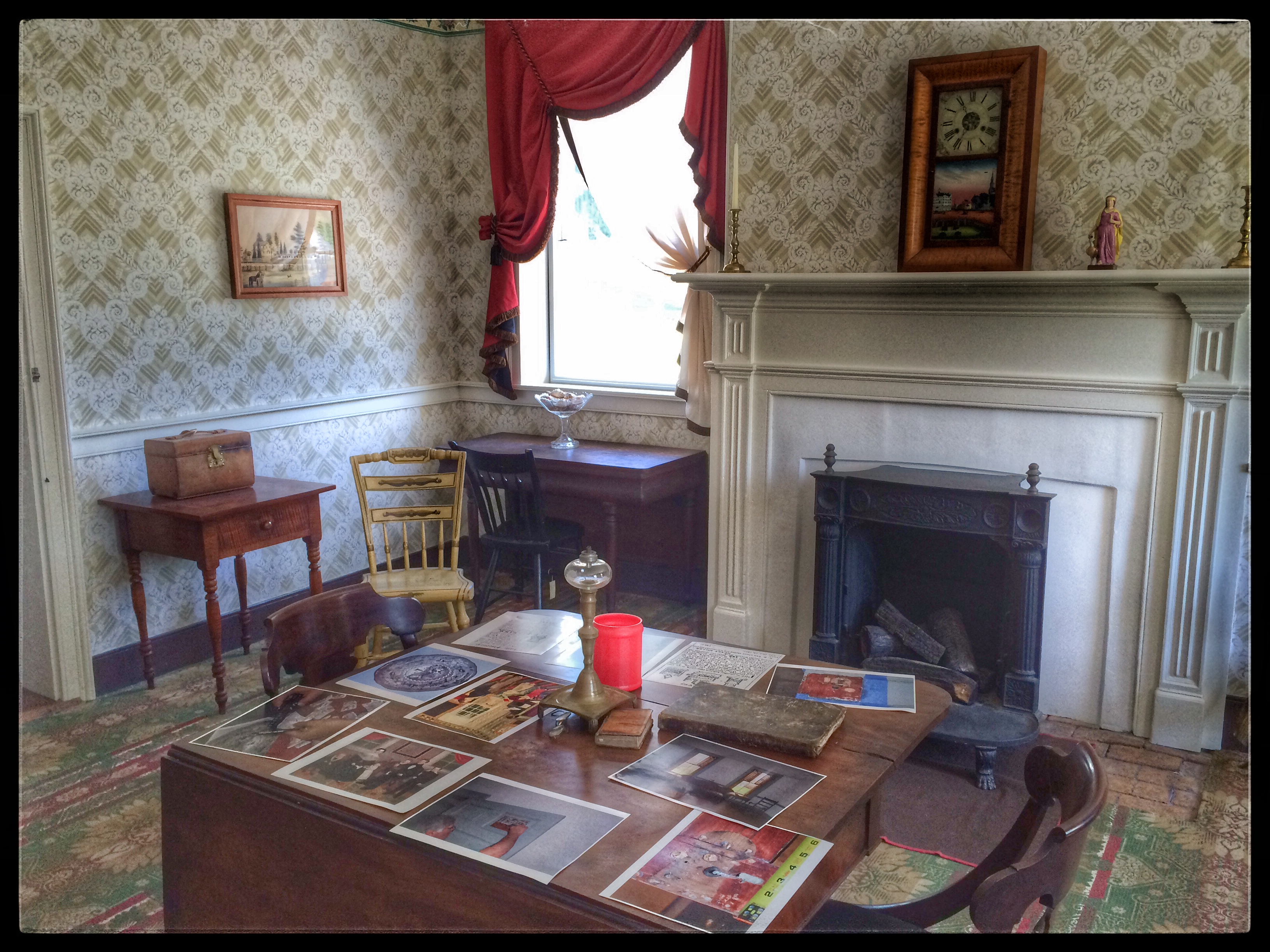
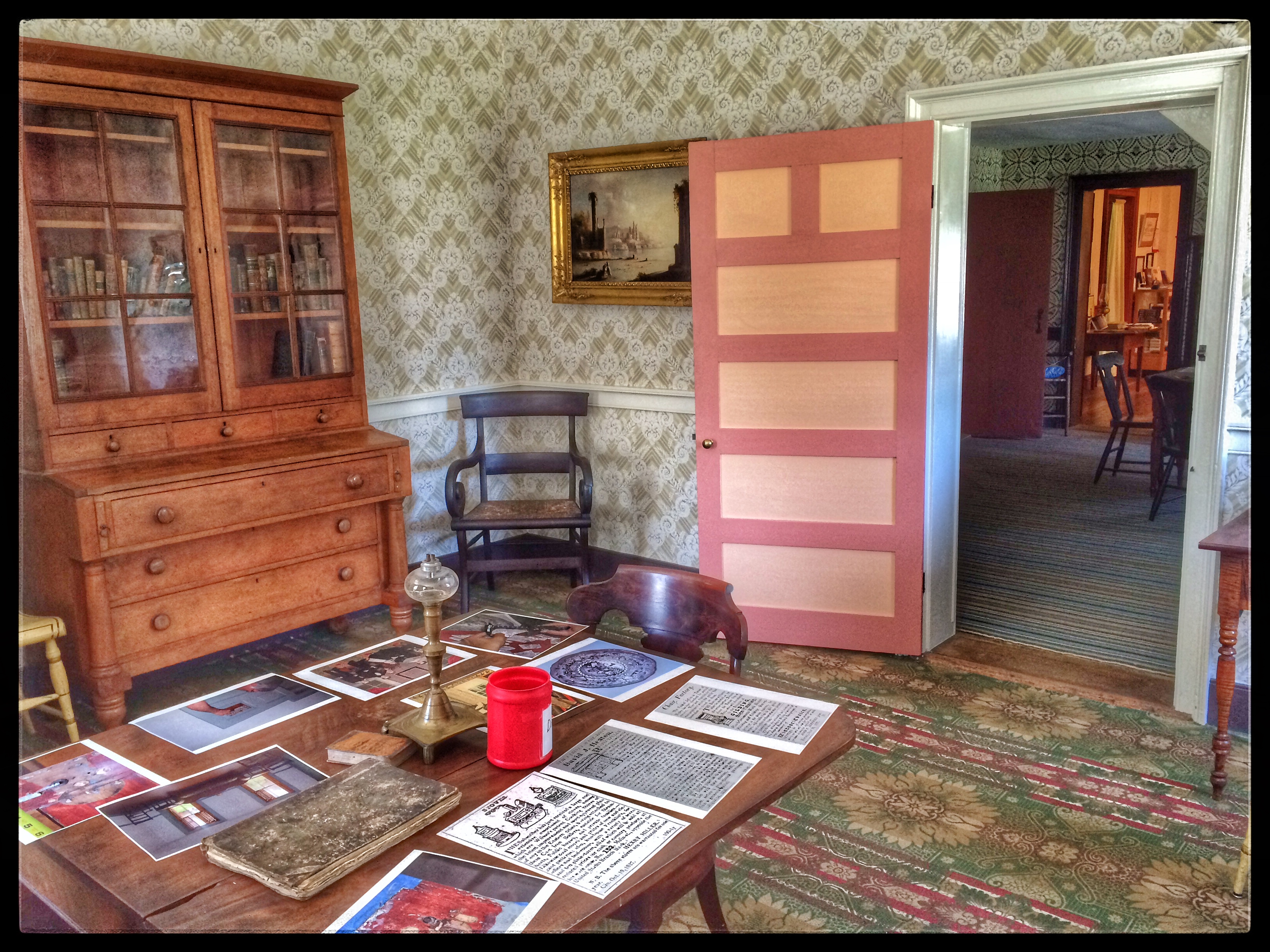
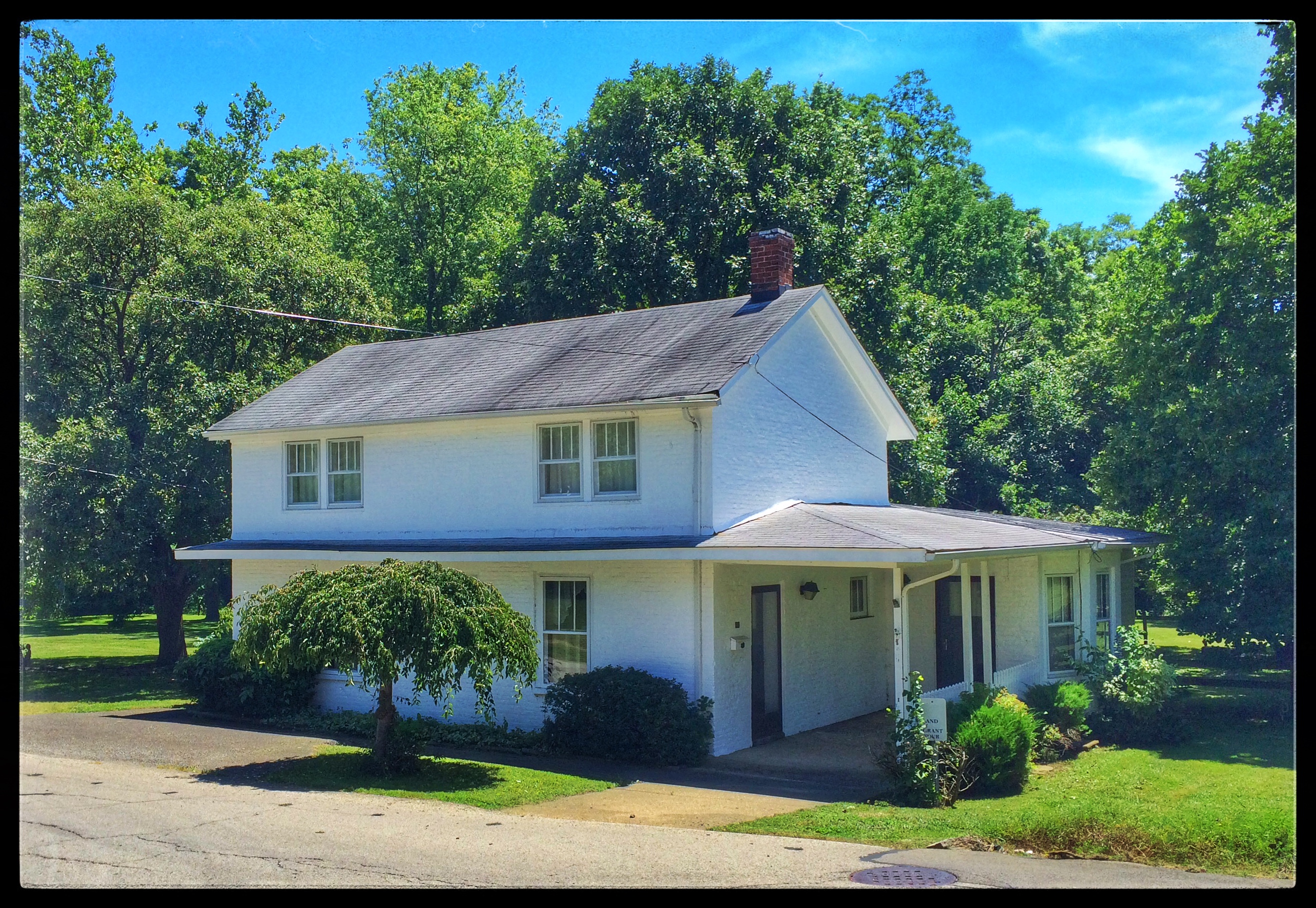
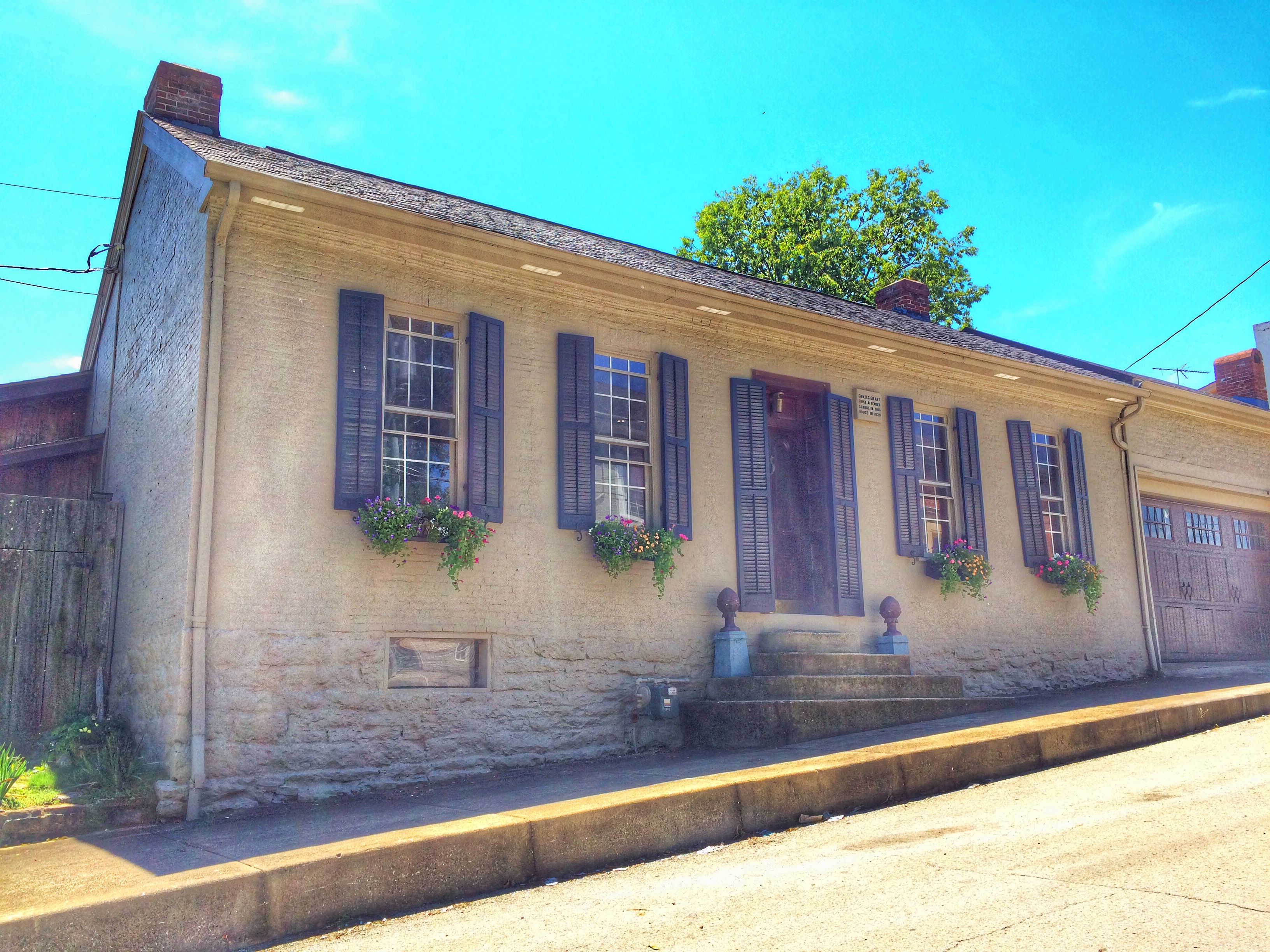
Ulysses’ father, Jesse built the house in 1823 and enlarged it twice before he sold it in 1840. There are a few pieces of Grant family furniture in the house.

IMG_2731

The small brick section in the middle is the original house.

IMG_2729

IMG_2730

We were ushered into a small room where an animatronic model of a teenage Grant told us some anecdotes about his youth. The basic gist was that Grant didn’t like working in his father’s tannery across the street.

IMG_2712

IMG_2716

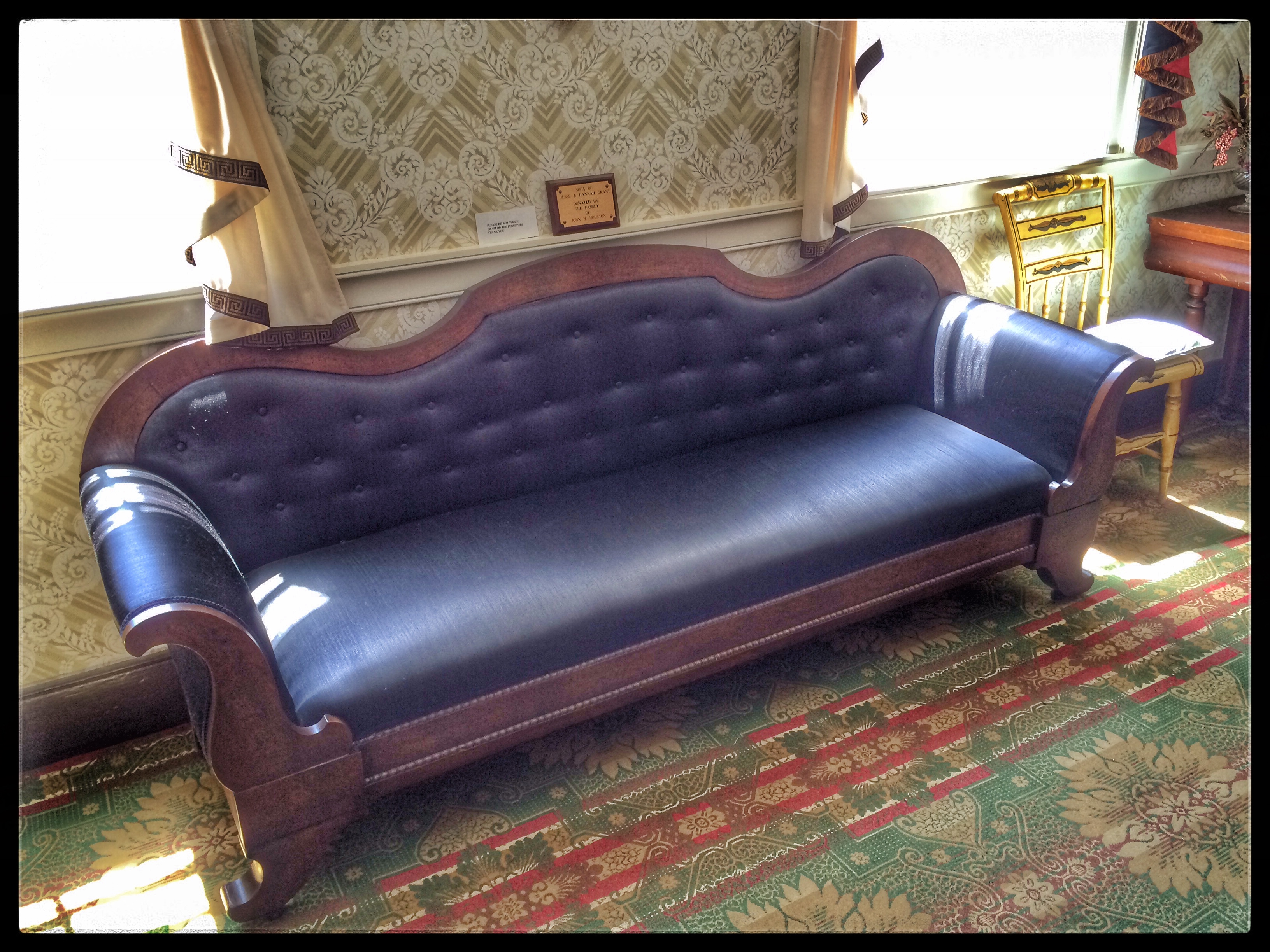
The horsehair couch in the front room has been reupholstered, but it was owned by the Grant’s.

IMG_2714

IMG_2715

Grant’s bedroom

IMG_2717

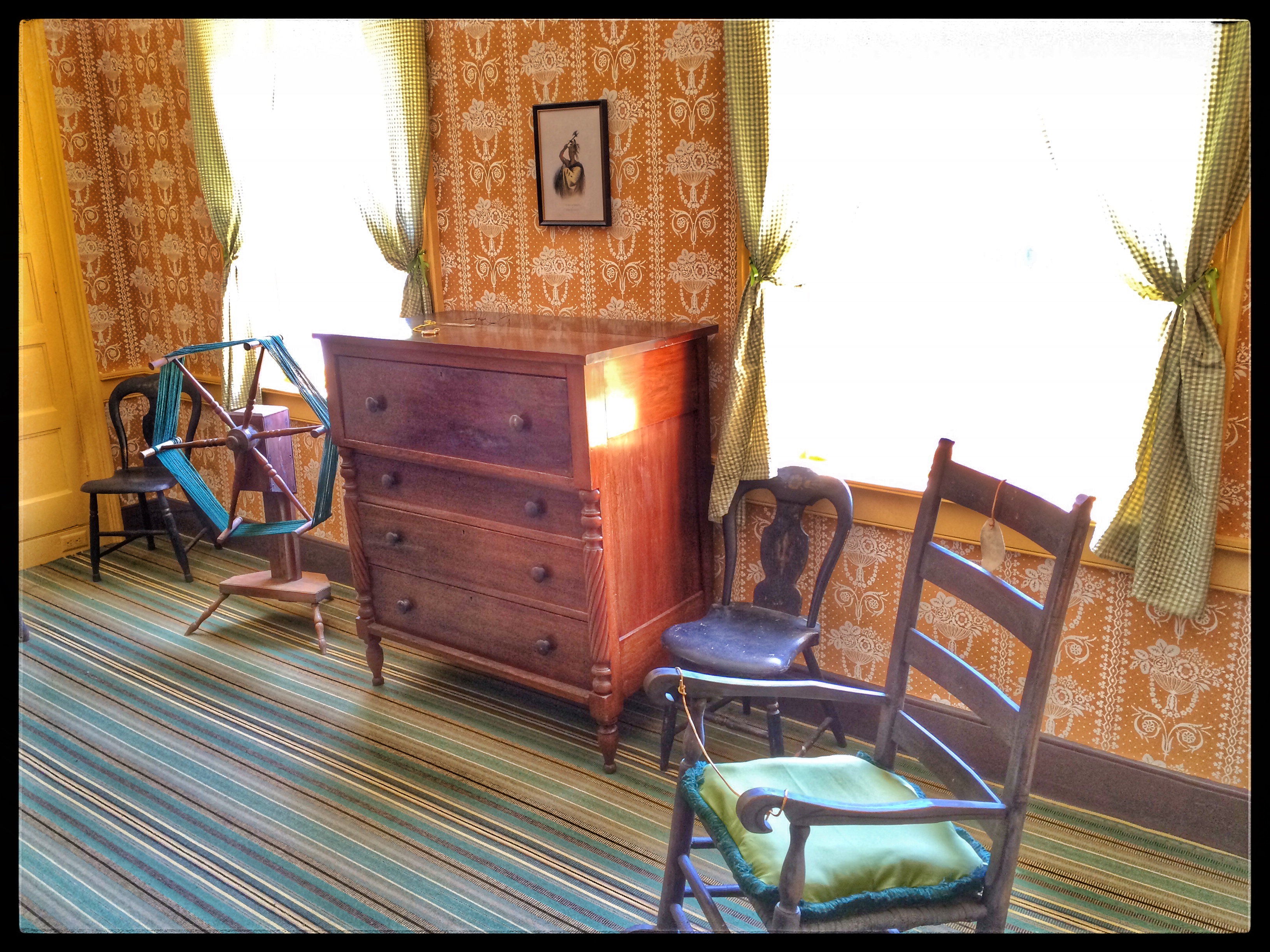
The chair in the foreground with the rope was built by Jesse Grant.

IMG_2718

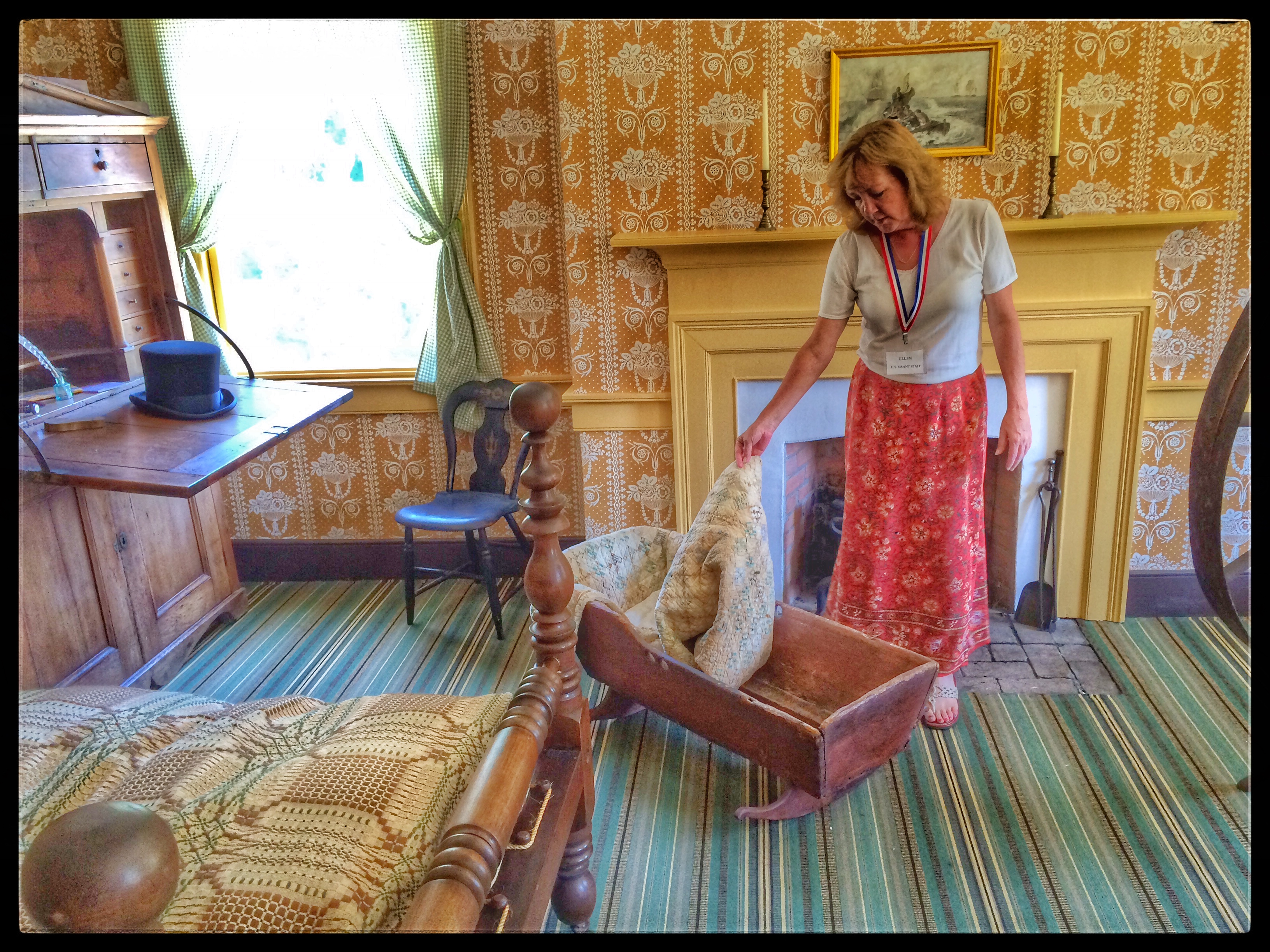
Our guide is showing us Grant’s baby bed.

IMG_2719

The tannery across the street. It has been donated to the park but not yet restored.

IMG_2727

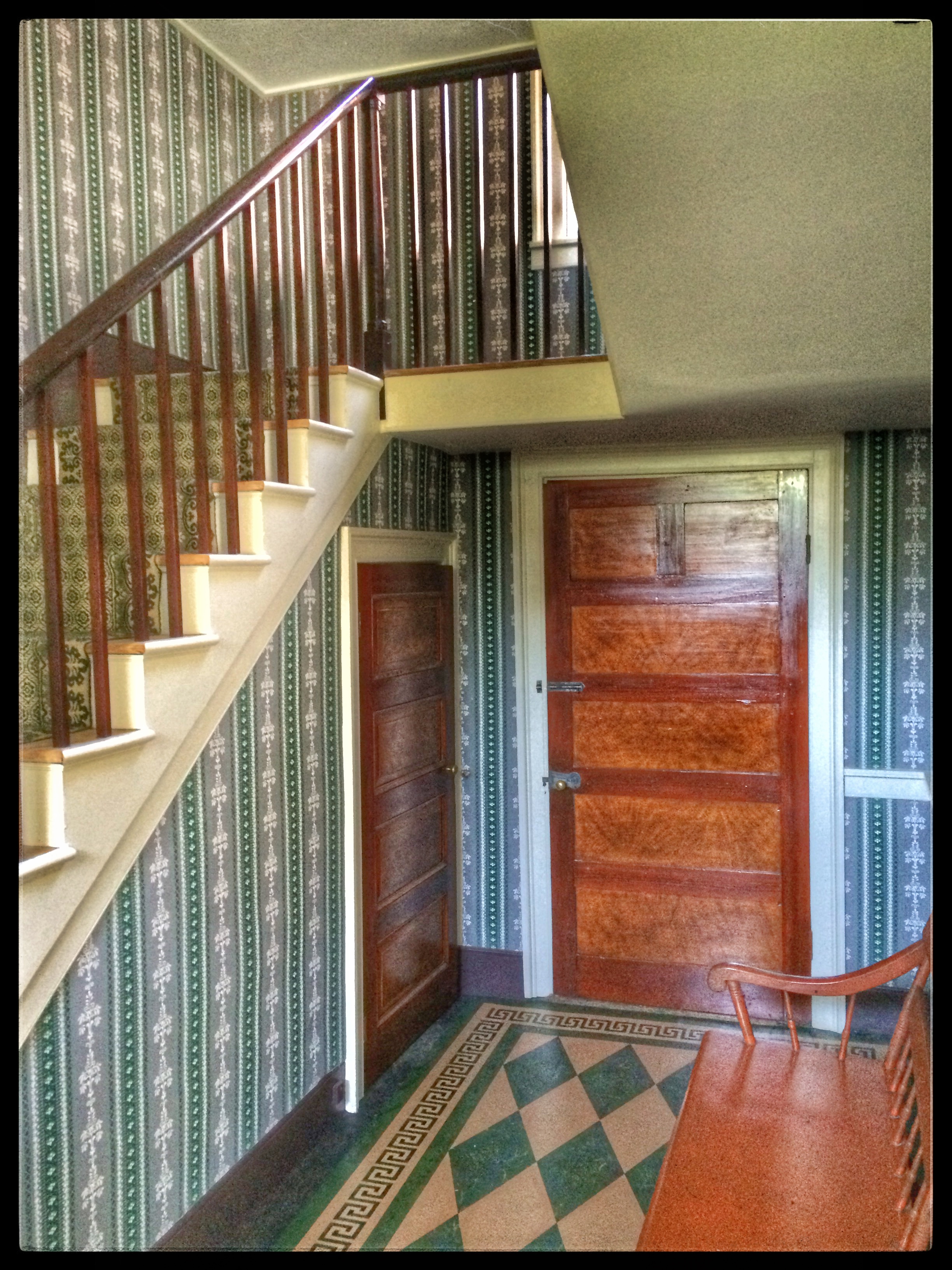
Our guide was not nearly as knowledgeable as the guy at the school, but we appreciated that she came in on a day when she wasn’t scheduled to give us our tour. For example, she didn’t like the loud wallpaper throughout the house and stated repeatedly that she didn’t believe that the Grant’s would have decorated that way because she wouldn’t have. I told her that we’d toured a lot of houses from that era and almost all of them were decorated like that, but I don’t think I convinced her.

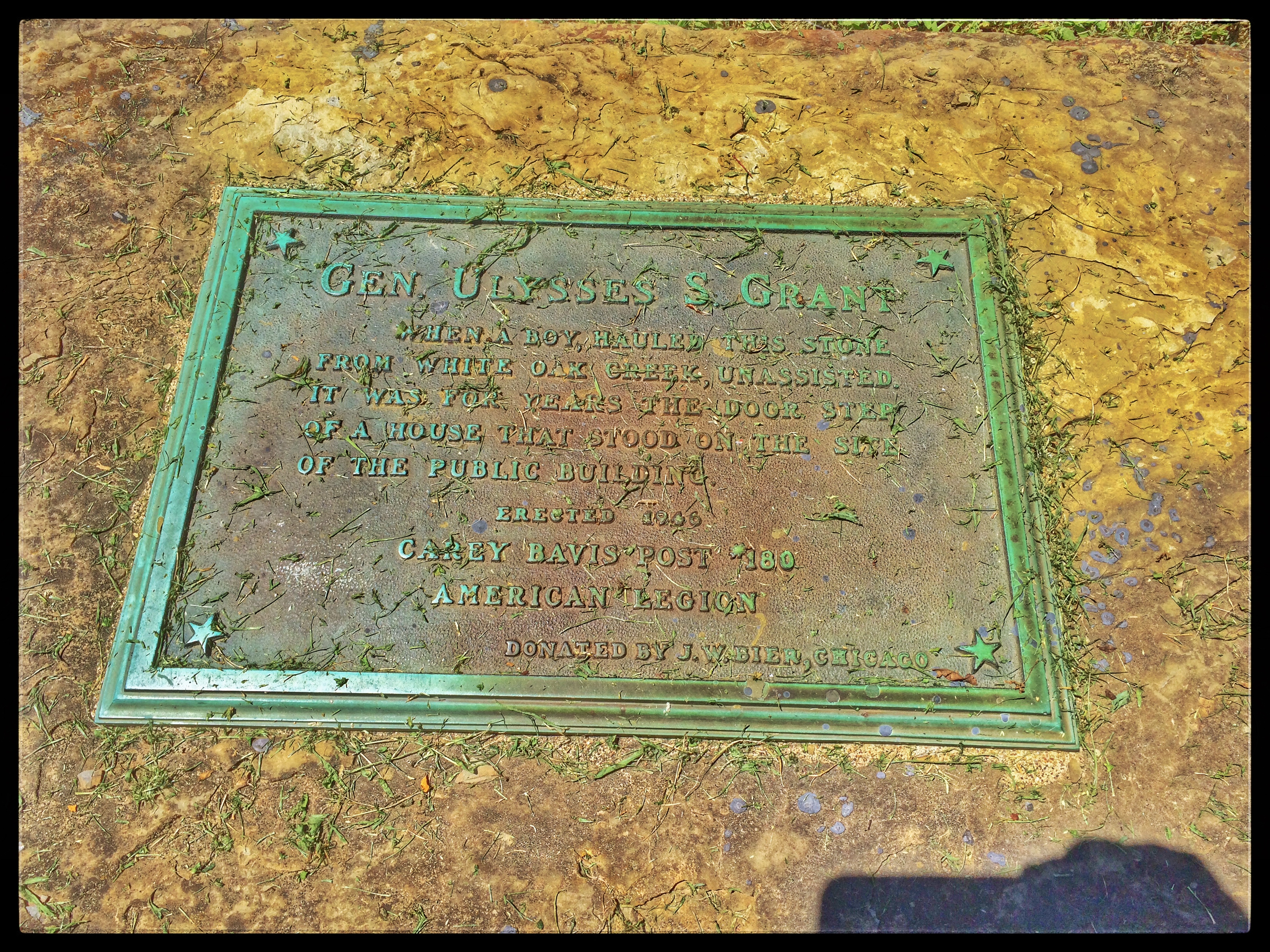
She was most proud of a large slab of stone outside the backdoor of the house. When Grant was 14, he managed to dig it out of a nearby creek with the help of a team of horses and deliver it by himself to a rich neighbor.

IMG_2728

Just up the street from the house was a building that served as the schoolhouse before the one we toured was built. Grant attended here also.

IMG_2750

Posted in Ohio | Comments Off on U.S. Grant Boyhood Home and Schoolhouse

Back Roads

I made reservations at the Best Western in Mt. Orab, Ohio for Saturday night after the Reds game. It’s always a little scary showing up at a motel late at night in a town you’ve never been to before.
A scrawny guy in his sixties was talking to the young woman behind the counter. He was upset because his room was on the second floor and he had specifically requested a room on the first floor. For some reason, the motel had no elevator, and he had no idea how he was going to get all their stuff up to the room. As he complained, he mentioned at least three times that the woman he was with was a lot younger than he was. He seemed proud. We saw her later. She was a heavy, overly-made-up woman around forty. She was standing outside their second-floor room surrounded by about a dozen small bags and boxes and a six-pack of beer — with no luggage. It’s no wonder they didn’t want to climb stairs.

The scrawny guy was followed by two older Black women who were paying with cash. They couldn’t understand why the motel wanted a security deposit and insisted on a long conversation on the subject before finally agreeing to pay.

Then it was my turn. We were on the second floor. I noticed on the way up that the carpet hadn’t been vacuumed in a while. The room, which we finally reached around 11:30, was OK. Shortly after we arrived, my wife realized she’d forgotten to pack her toothbrush. I went back to the lobby to ask if they had any to give us. It was like I’d slipped back 20 minutes in time. The scrawny guy was complaining to the young woman behind the counter about having a room on the second floor. The two Black women were standing behind him with their luggage, waiting to talk to her next. I gave up and told my wife she’d have to survive without a toothbrush for a night.
In the morning, we ate breakfast at the motel. It was apparent that the other motel guests had gotten together just before we got down there and agreed to stand directly in our way and stare at us blankly. To their credit, all of them bought into the gag and kept it up the entire time. Seriously, it was weird. Every time we approached the counter to get something, somebody would step in front of us and just look at us like he or she couldn’t figure out what we were doing there.
We had nowhere to be until the historic site we were visiting opened at noon, but there was no way we were sticking around that hotel any longer. We stopped at Wal-Mart for a toothbrush and some other incidentals, then drove down to Georgetown, about ten miles away. We took a somewhat circuitous route that cut through the corner of a county I hadn’t been in before.

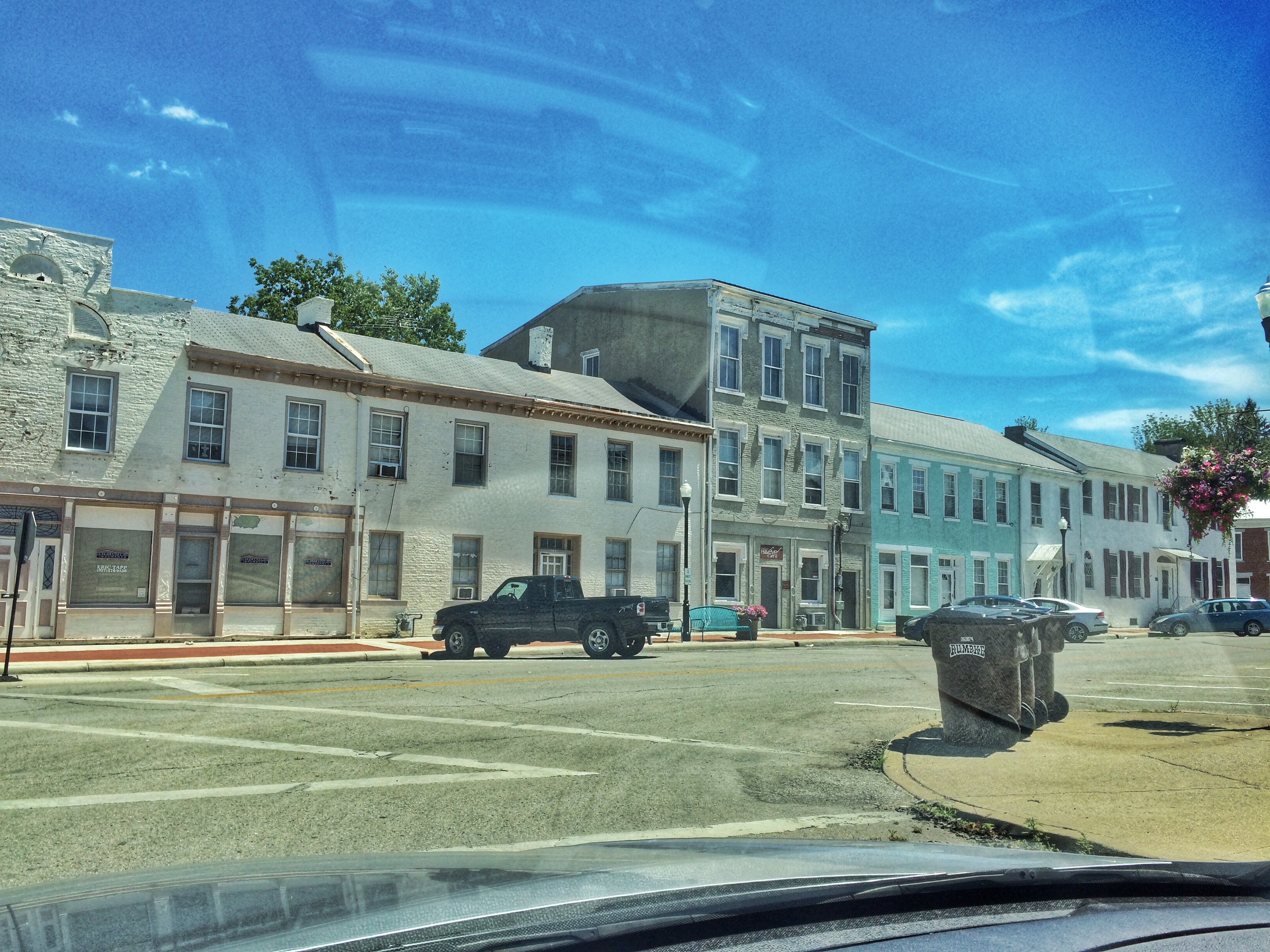
Georgetown is an old community that hasn’t cashed in much on the tourist trade. Ulysses S. Grant’s boyhood home and schoolhouse is there (next post), but otherwise it was a tired, sleepy place. We meandered up and down pretty much every street in town. The old courthouse and the storefronts on the square around it were obviously early- to mid-19th century.

IMG_2747

We still had two-and-a-half hours to kill, so we headed to the McDonald’s on the outskirts, bought a couple drinks and watched TV episodes on our iPads. At eleven, we headed to the Country Inn restaurant. It had higher reviews on Yelp than any other place in town, but we weren’t too excited. It looked and felt like a Denny’s. To our surprise, my wife’s fried chicken and mashed potatoes and my ham and cheese sandwich were both good. Not great, but considering our expectations, enjoyable. Most of the other diners were on their way home from one of the tiny churches in town. Our waitress had a very loud, screechy voice that was hard to listen to. We heard it often as she knew everybody else in the place.

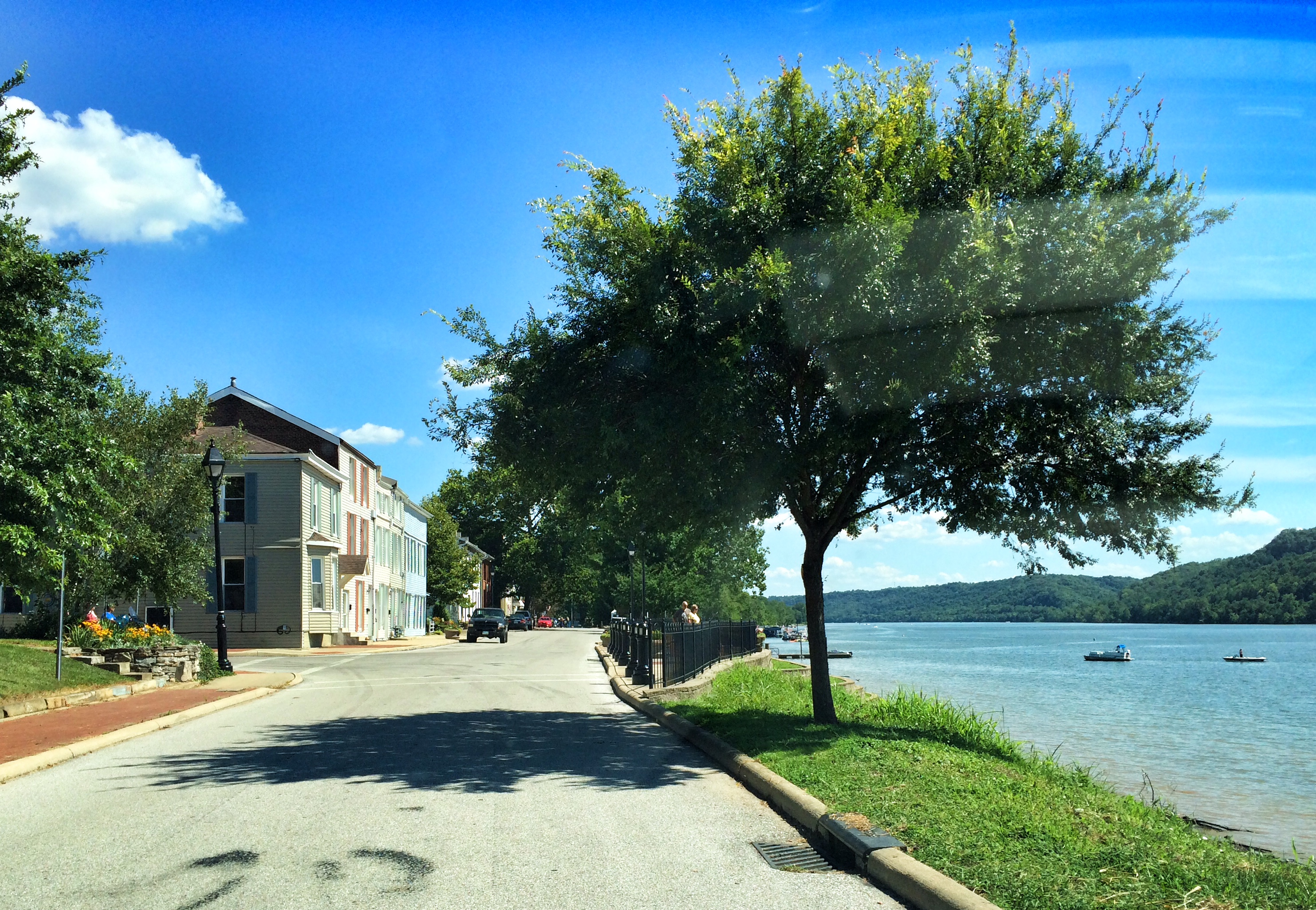
After we left Grant’s house, we drove 13 miles south to Ripley, on the Ohio River. This town was every bit as old as Georgetown, but unlike its neighbor to the north, it was cashing in on the tourist dollars. It was right on the Ohio River and the stores that fronted the water were busy with shoppers.

IMG_2748

IMG_2749

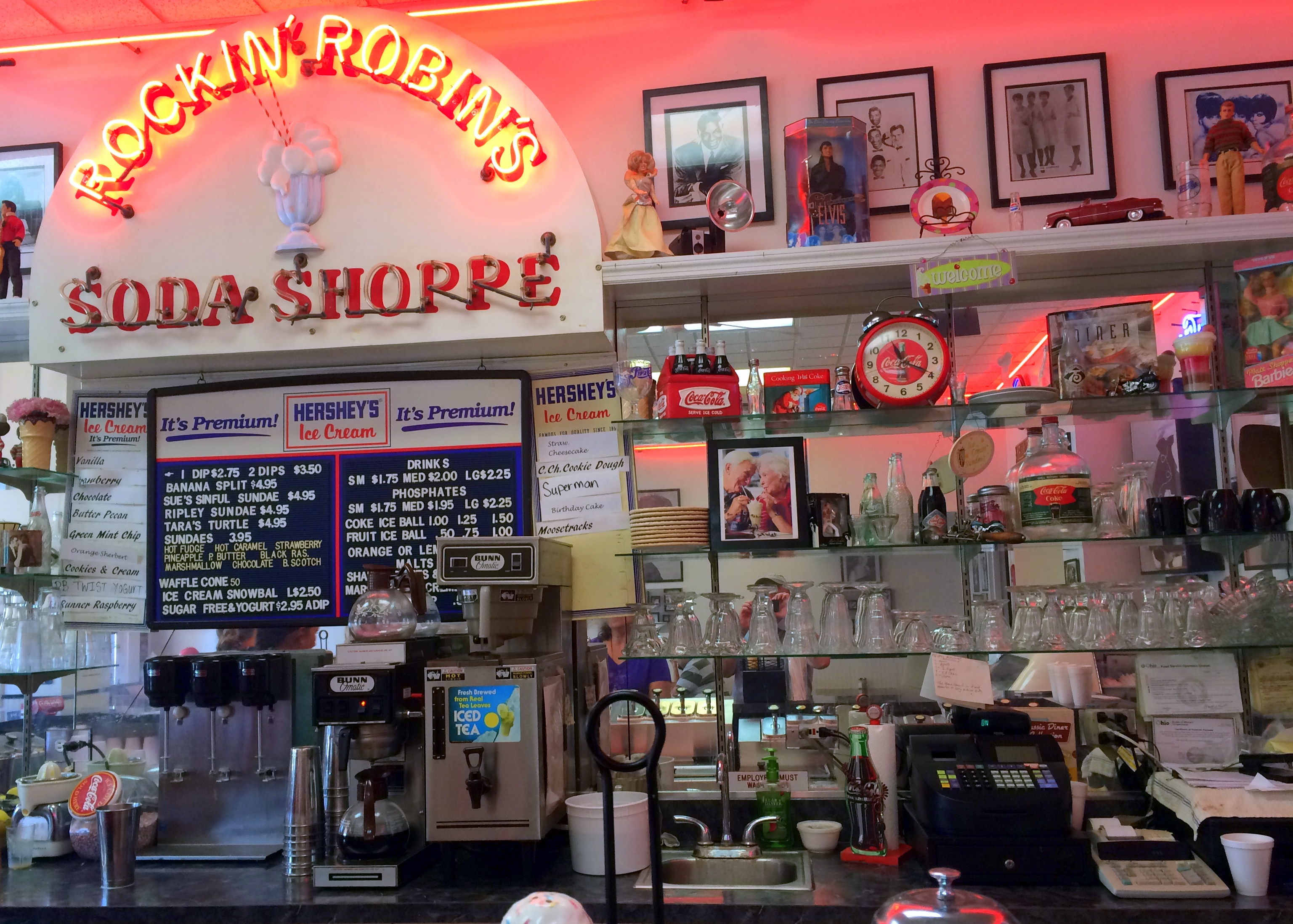
I saw a place called Rockin’ Robin’s Soda Shoppe and decided on a whim to stop in. A gang of motorcyclists had the same idea and took up most of the tables and booths. We found seats at the counter. The air conditioning wasn’t on, for one reason or another, and it was warm. The four or five young women working the place were unmotivated and we sat for about six minutes while they worked and stood around just a foot or so away totally ignoring us. A harried-looking woman came out of the back and yelled at one of the girls to wait on us. We ordered chocolate milkshakes to go and, to her credit, they were very good.

eIMG_5018

eIMG_5013

Our final destination for the day was Columbus. I picked a route that didn’t depart too much from the most-direct path but sliced through four new counties. We didn’t stop anywhere before supper at Panera — we like to try new things but it’s nice to get back to our comfort zone once in a while.

Posted in Ohio | Comments Off on Back Roads

Pirates vs. Reds — Great American Ballpark

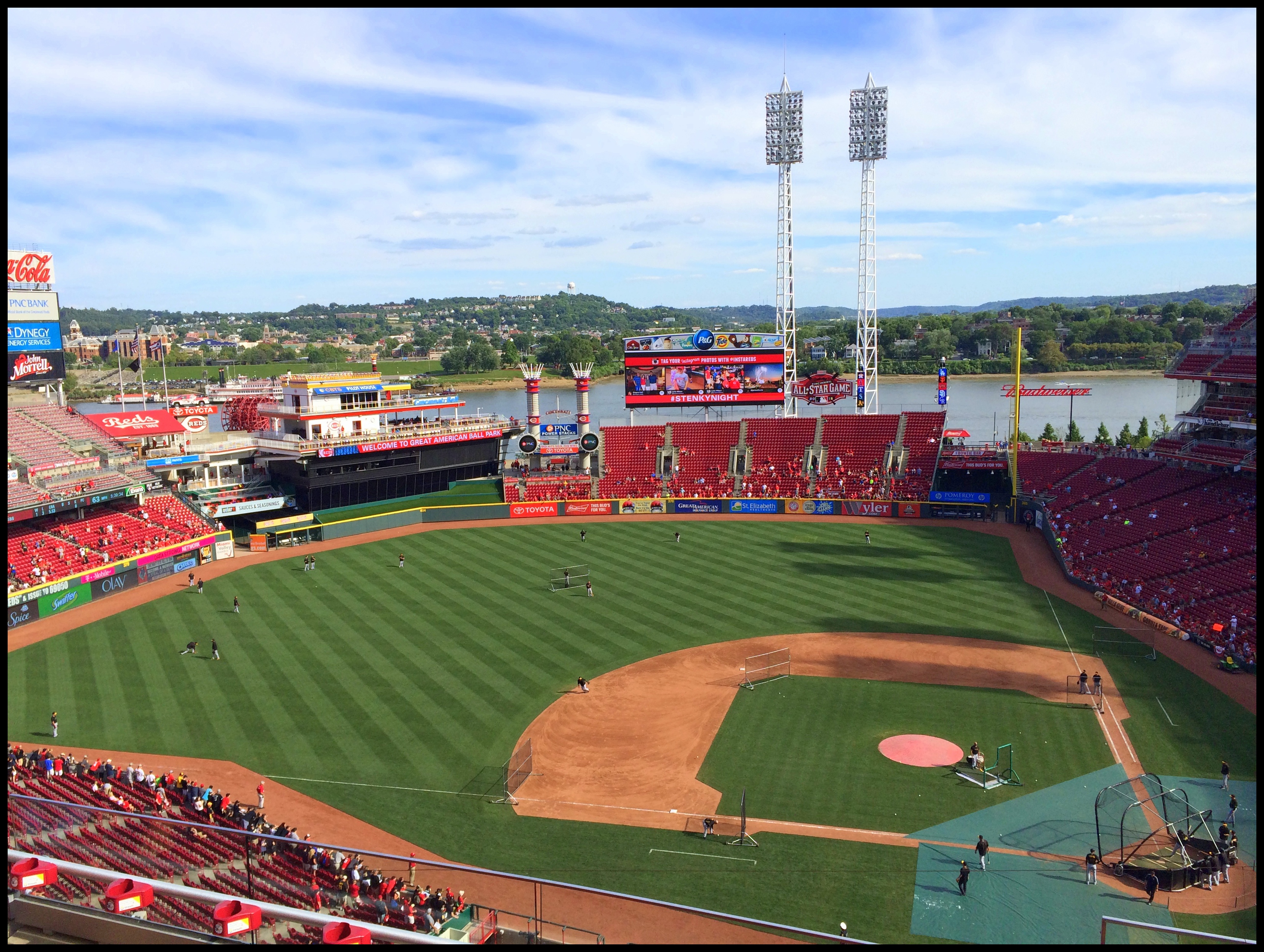
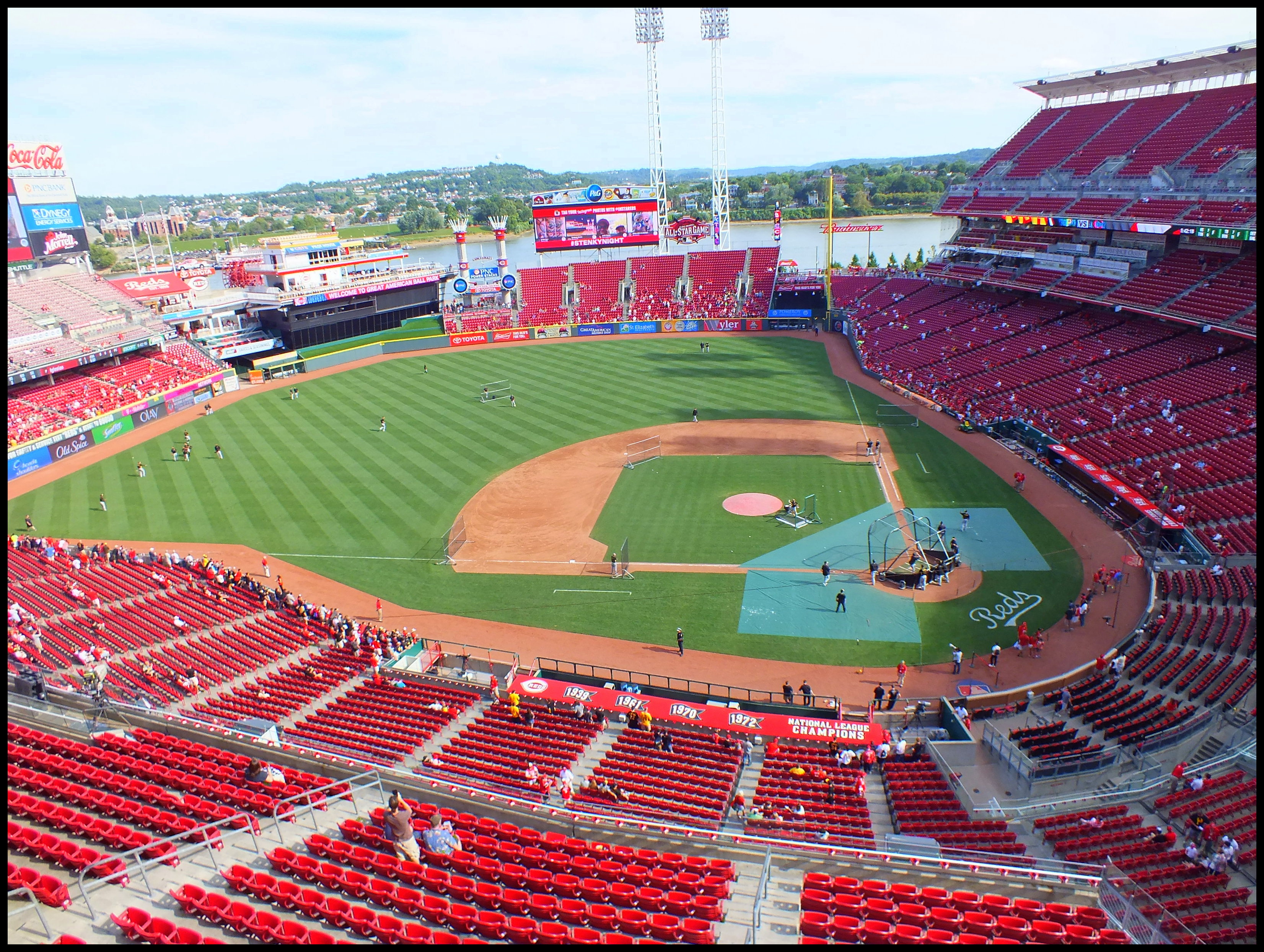
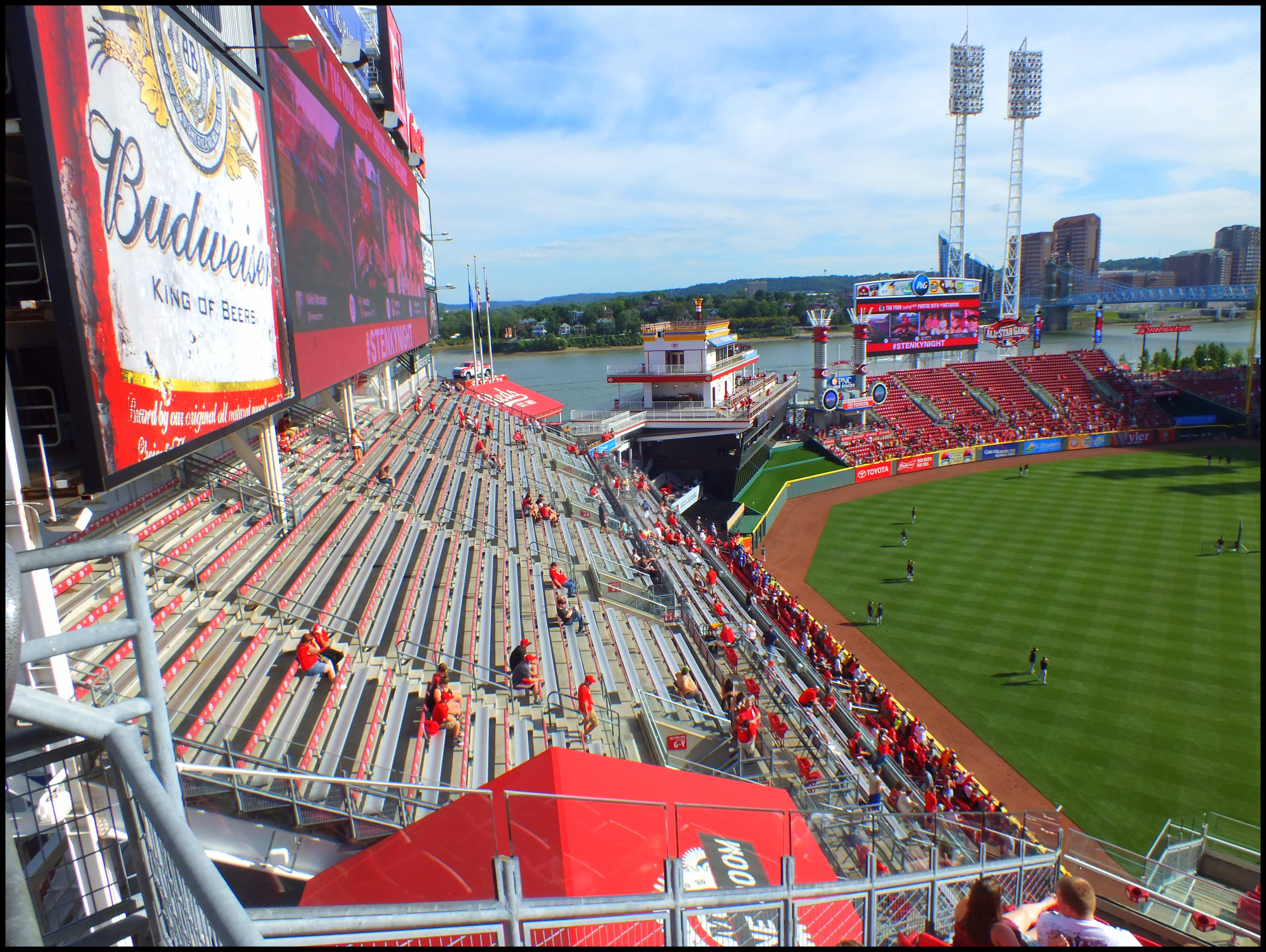
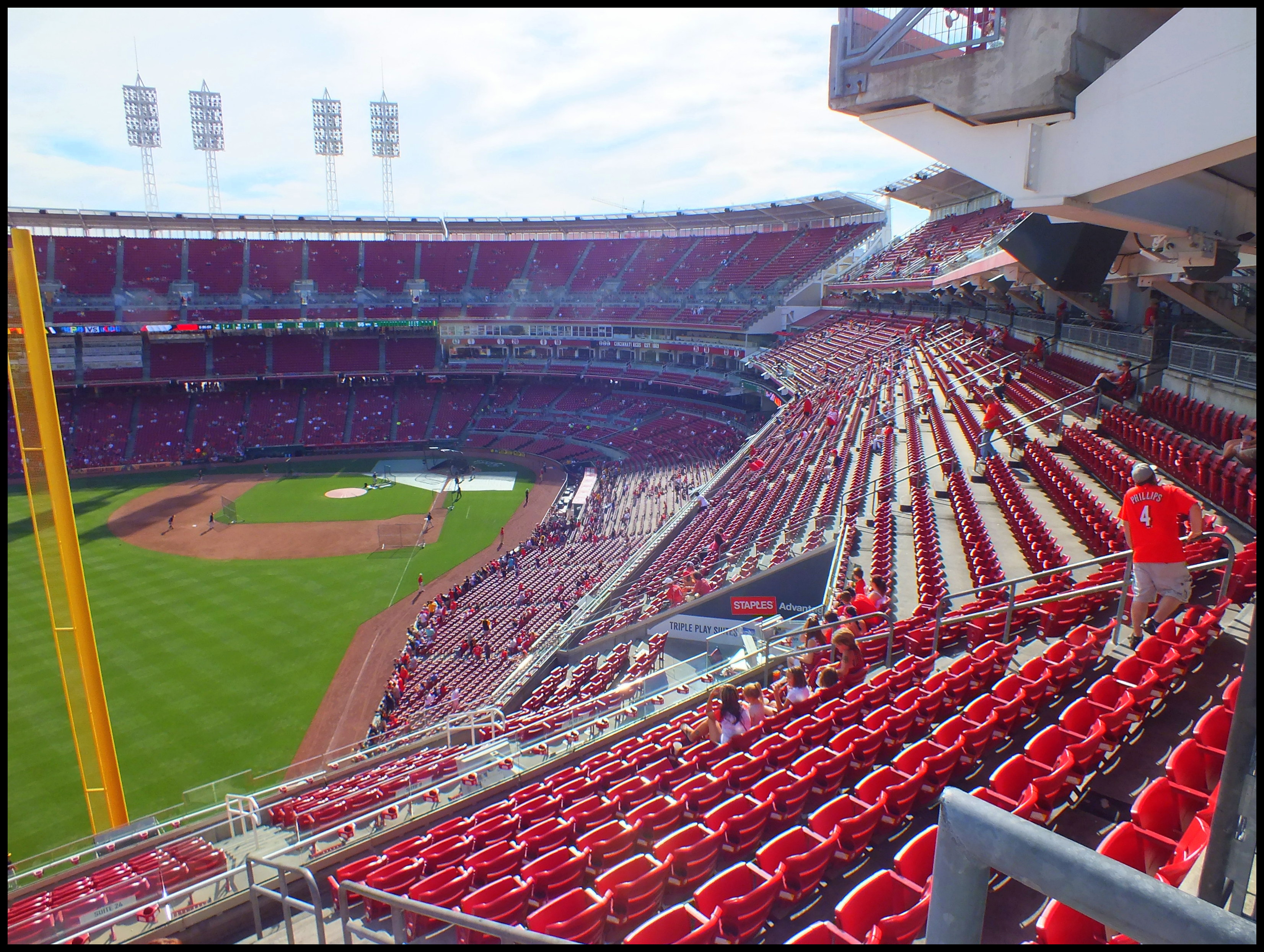
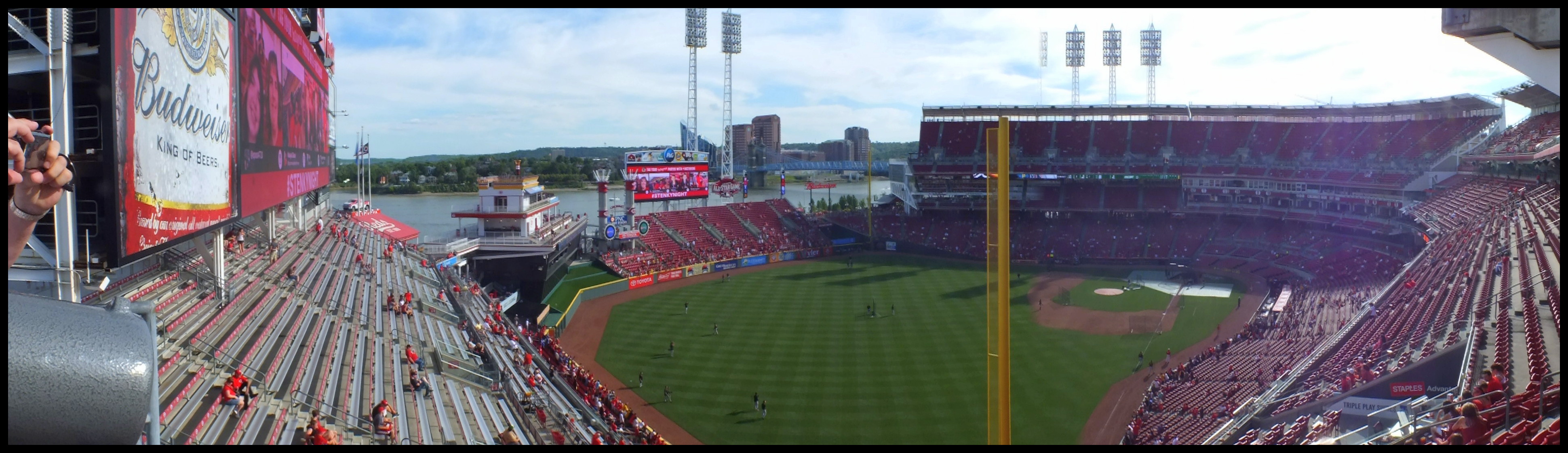
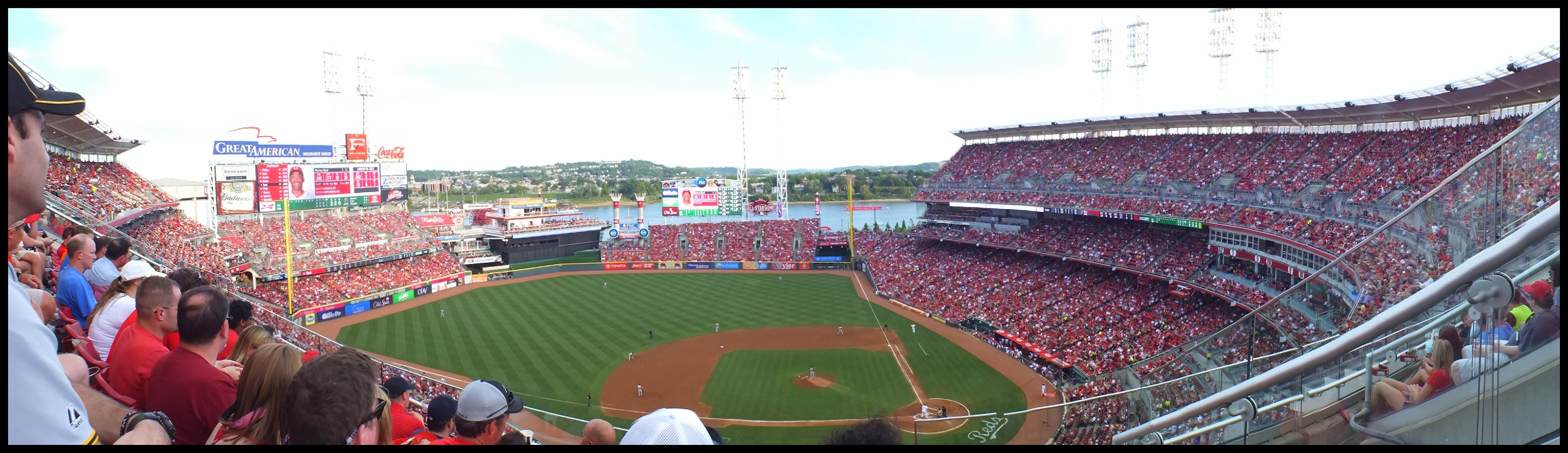
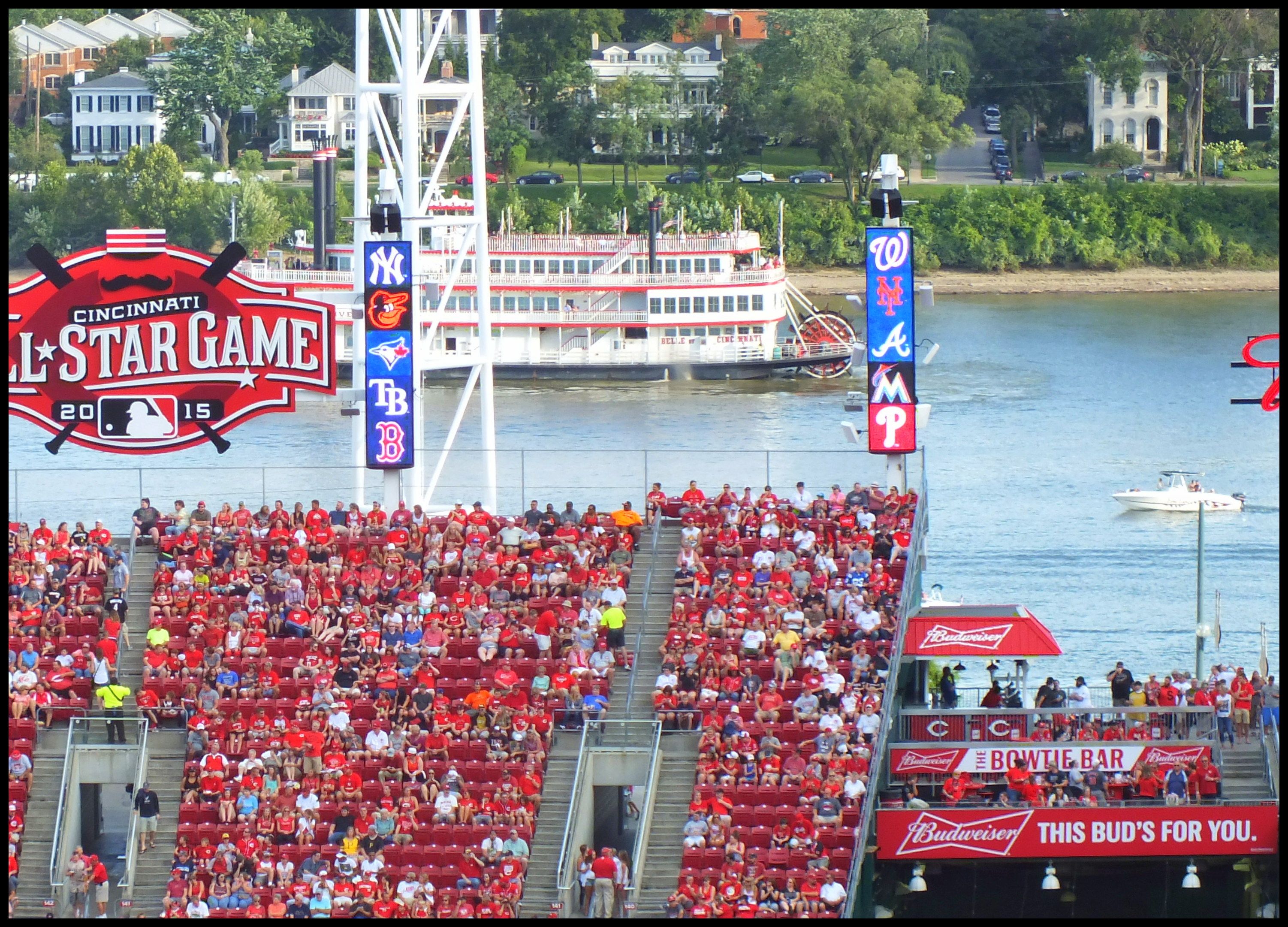
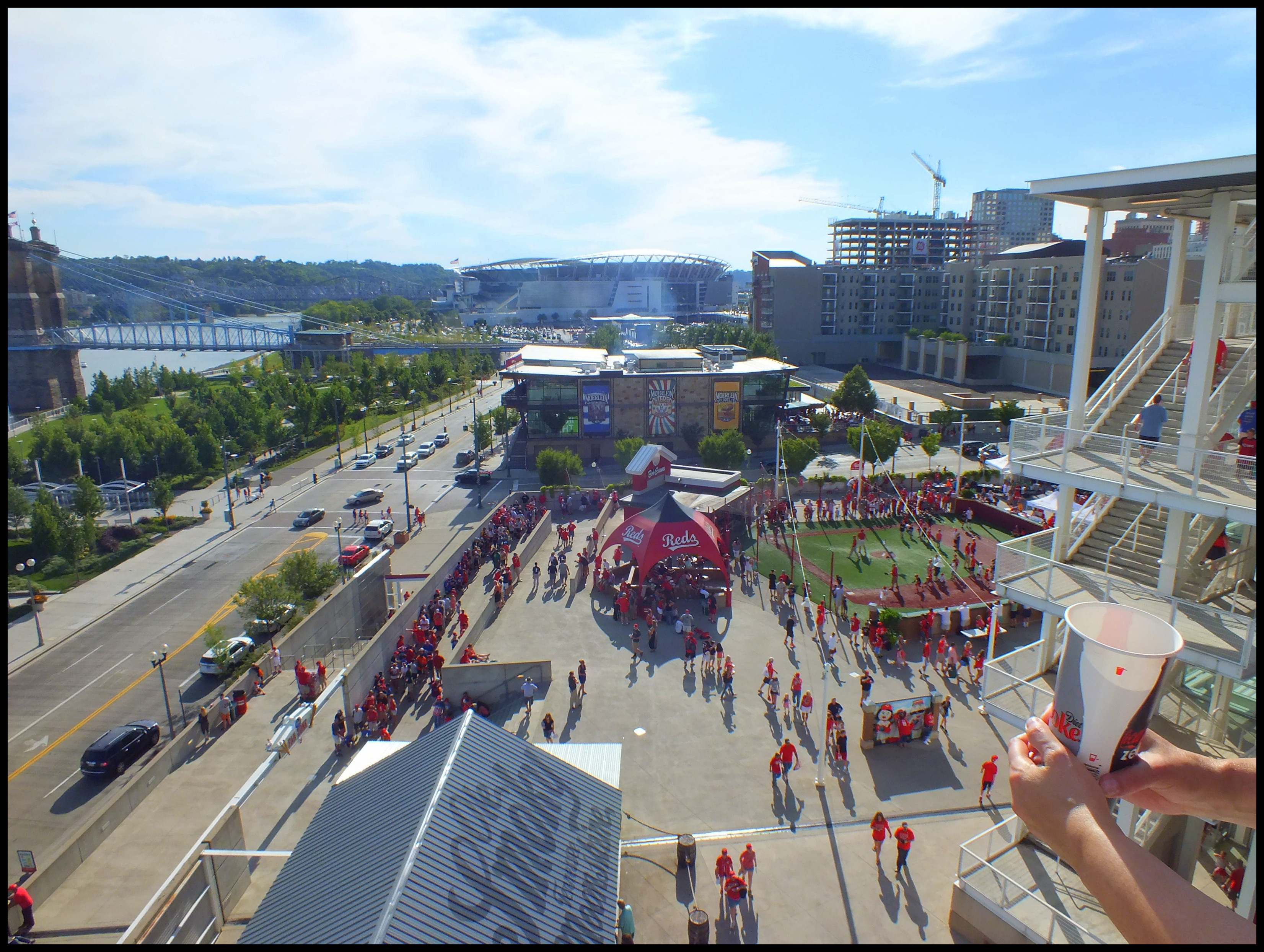
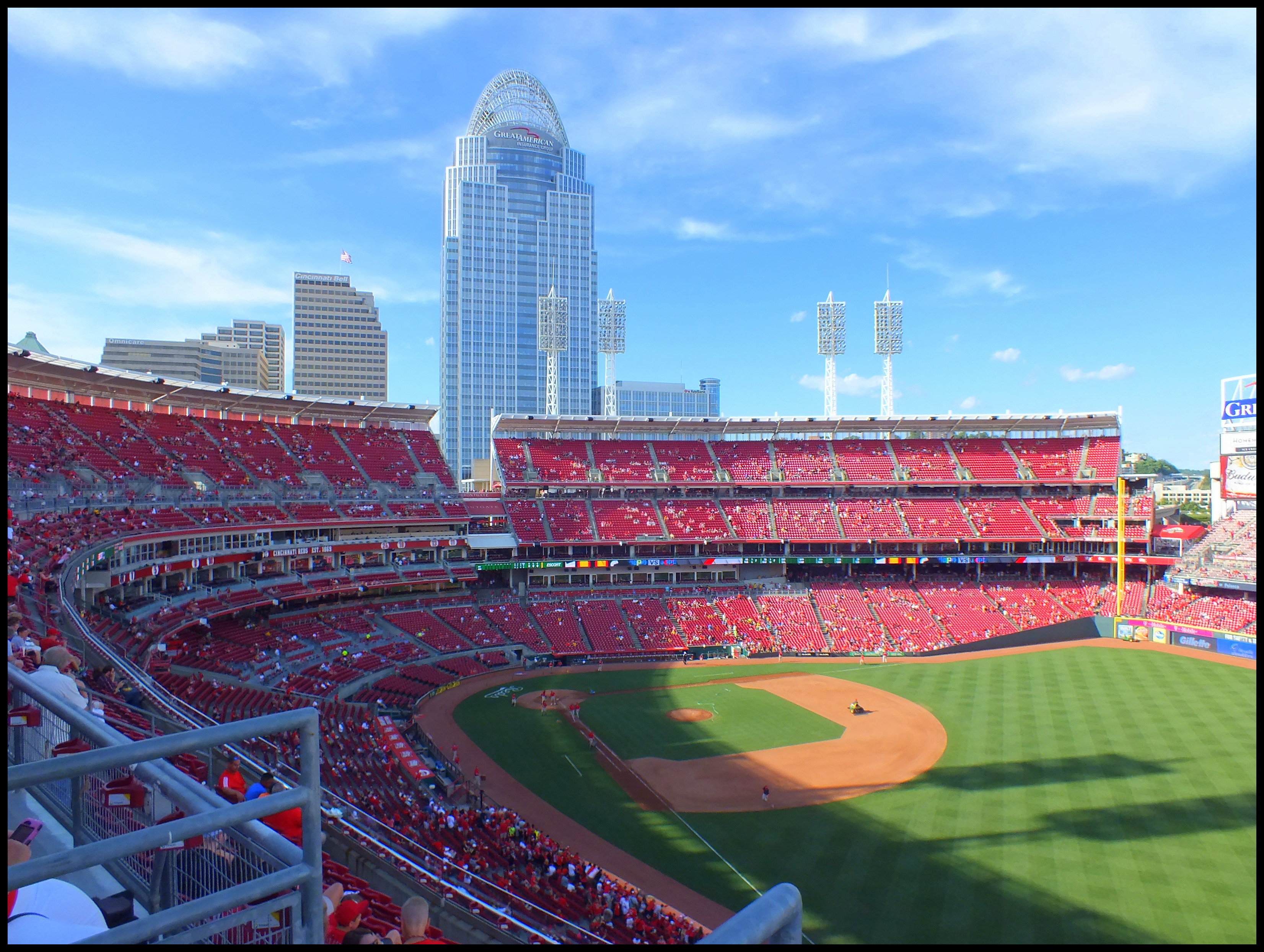
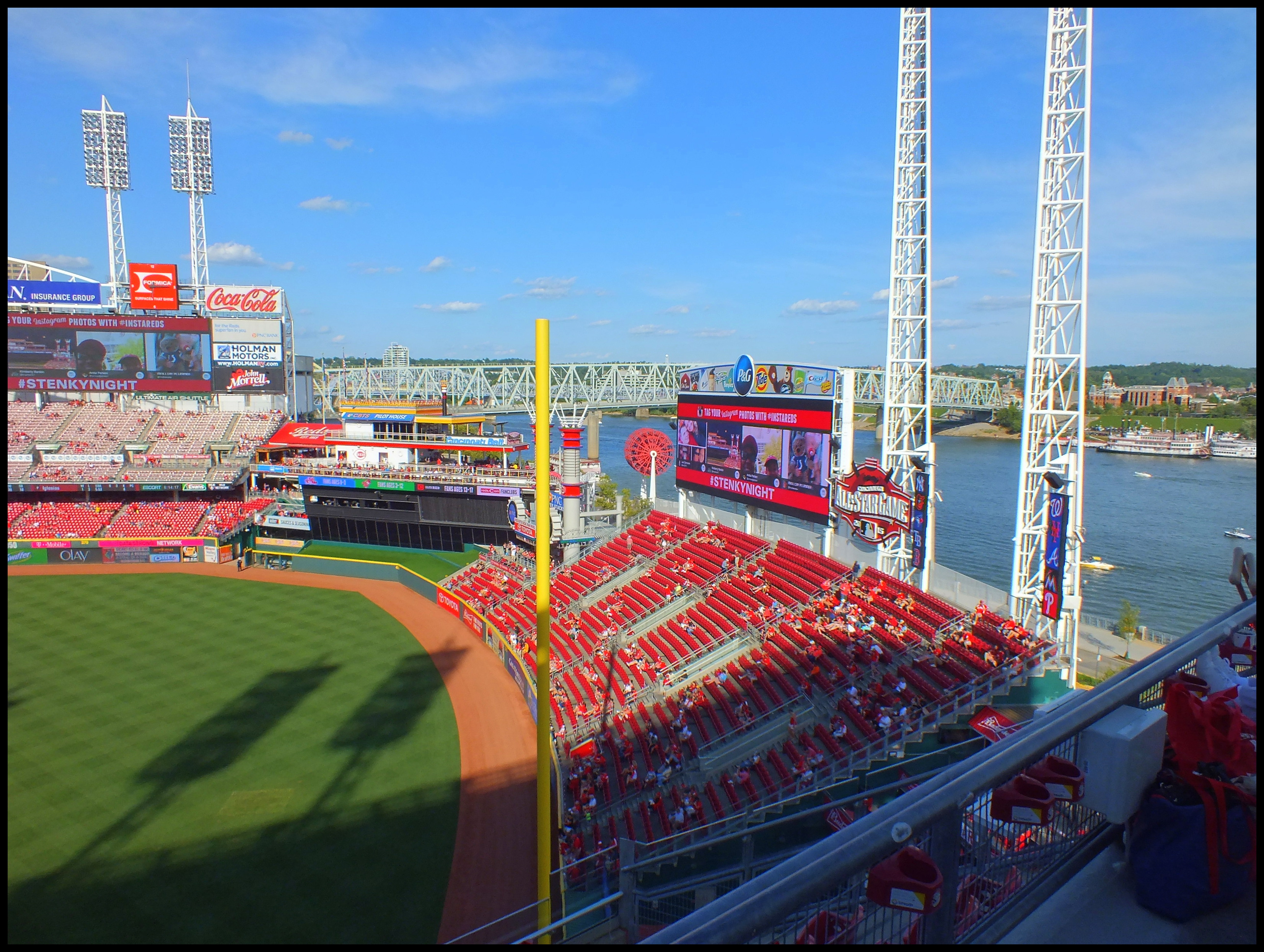
I saw a game at the Reds’ old park, Riverfront Stadium, in 1994 with friends from work. And I’d wandered around the outside of the new park, Great American Ballpark, in 2013. But I still wanted to see a game. I knew my wife wouldn’t be that thrilled with a Reds/Pirates game, so I bought tickets in the upper deck along the third base line with a view out over the Ohio River into Kentucky.

cIMG_4915

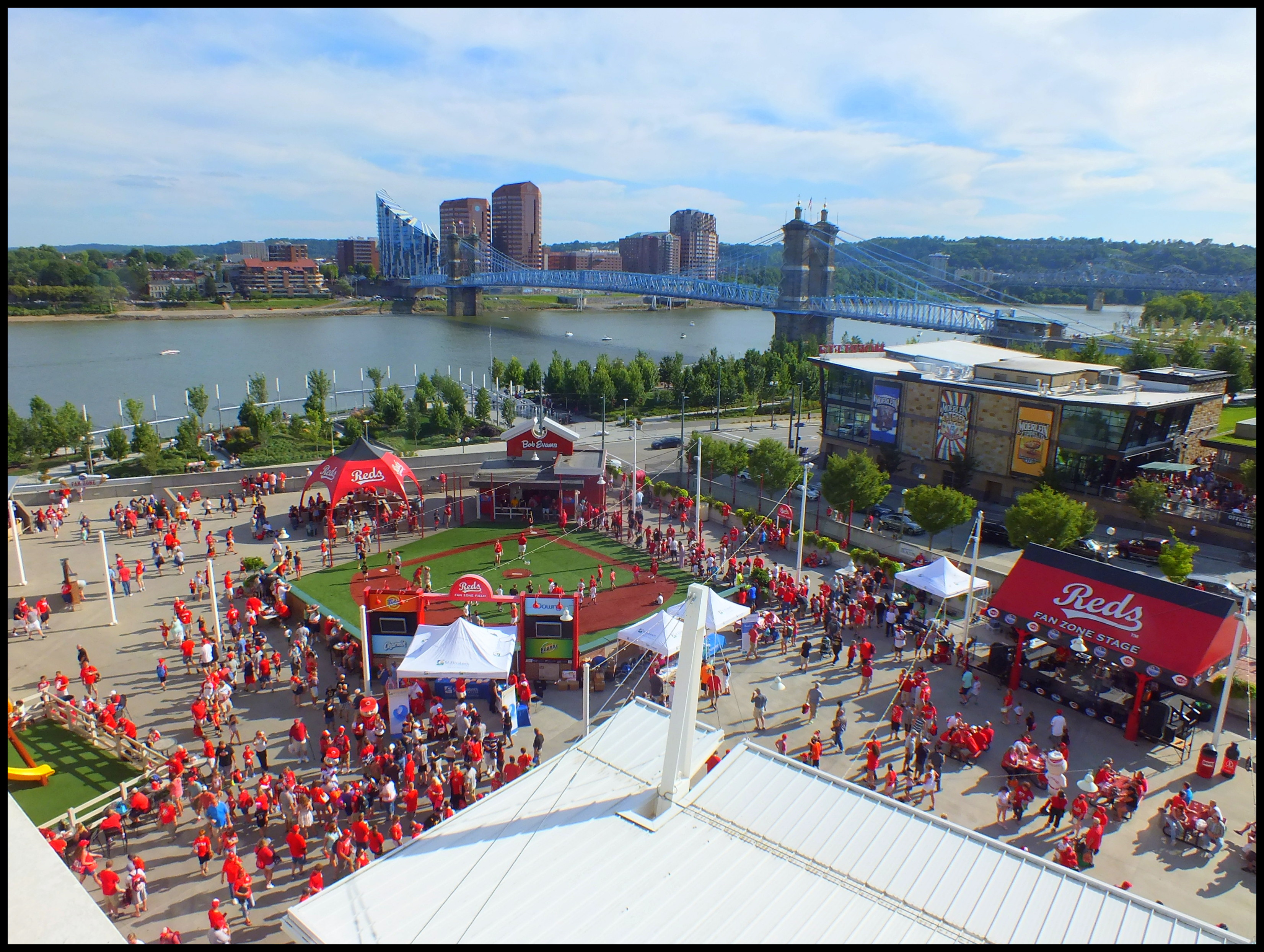
We arrived about two hours before game time and parked about half a mile away for $10. The plaza in front of the gates was packed, and hot. We found a place to sit in the shade while we waited for the gates to open. Season ticket holders were allowed in first. When I saw what was happening, we slid in behind them. When the rest of the gates finally opened, we were among the first inside. We were handed Devin Mesoraco bobble-heads, which was very exciting since I had barely heard of the guy and he didn’t even play in that night’s game. (And, for the record, the head hardly bobbles at all.)

cIMG_4917

We found our seats, then wandered around the upper deck for a while.

cIMG_4916

cDSCF3743

cDSCF3745

cDSCF3746

cDSCF3747

cDSCF3752

cDSCF3762

cDSCF3770

My wife returned to her seat and ate her hot dog and enjoyed the view while I wandered around some more, eventually circling the entire park on the lower level.

cDSCF3772

cDSCF3773

cDSCF3776

cDSCF3780

cDSCF3782

cDSCF3778

cDSCF3807

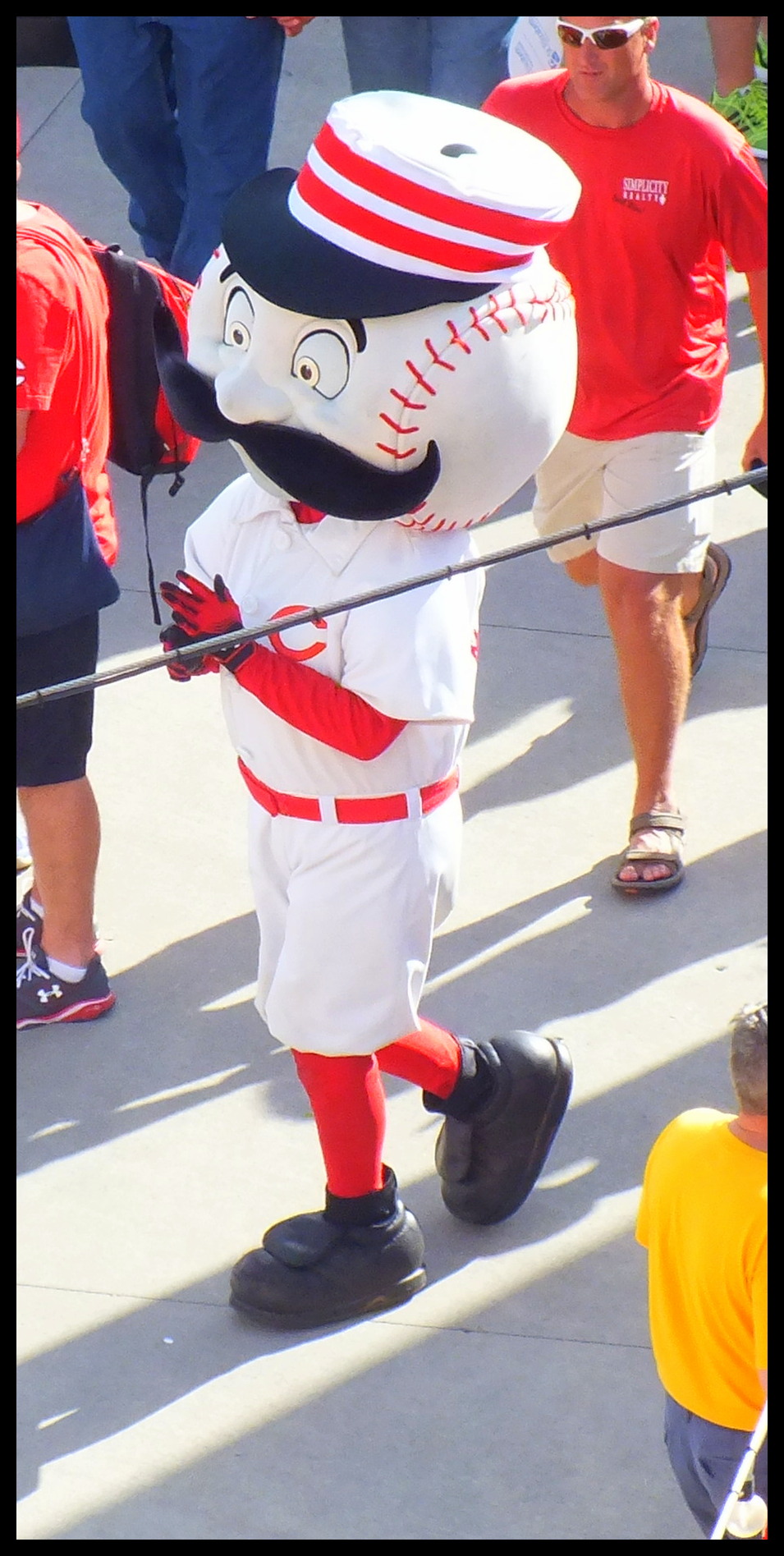
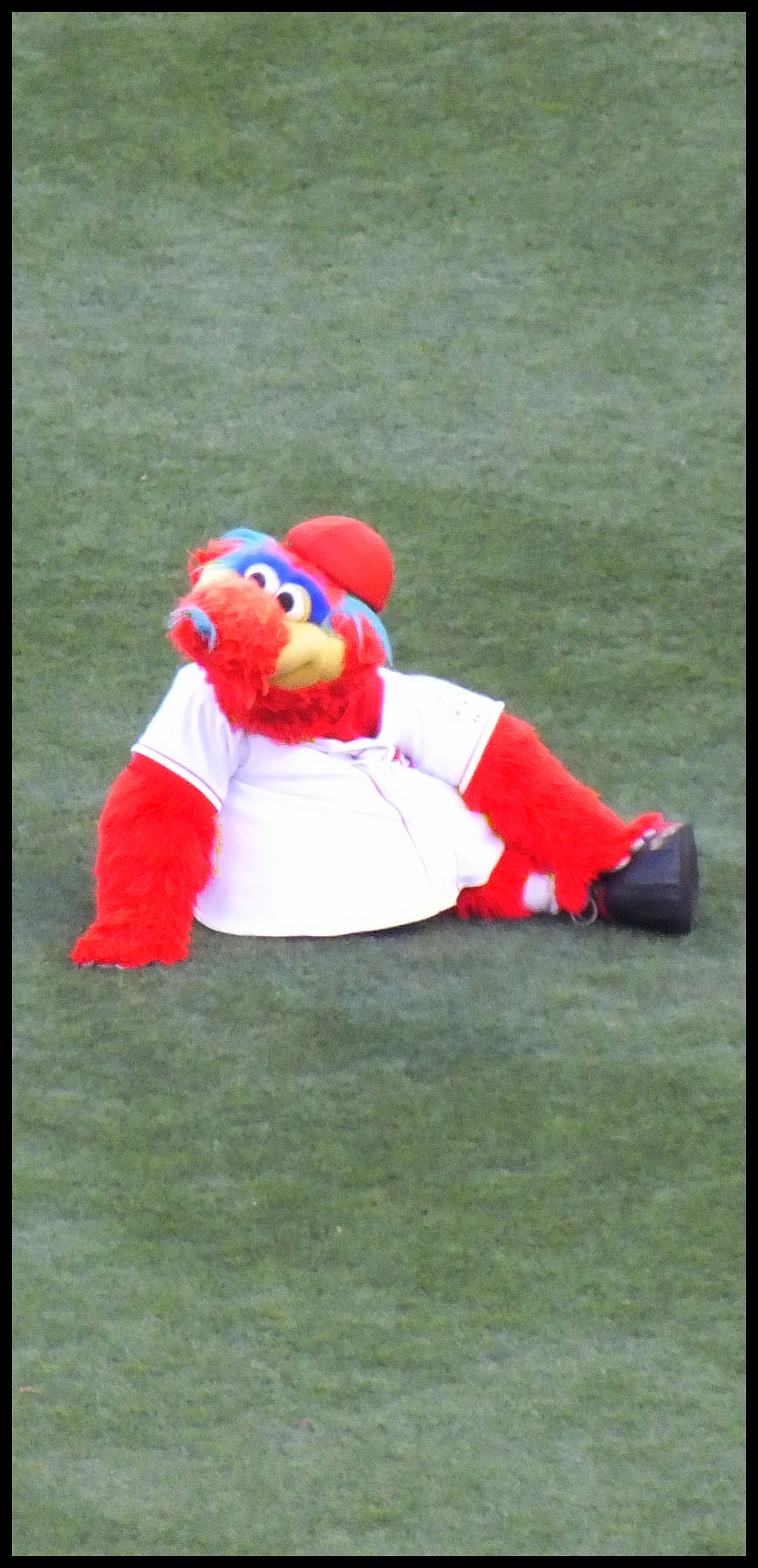
The Reds seem to have an over-abundance of mascots.

cDSCF3763  cDSCF3800  cDSCF3795  cDSCF3798

cDSCF3805

cDSCF3806

I had a hard time deciding who to root for. I’m from Pennsylvania, and my father and brother-in-law were both Pirate fans. And I don’t like the Reds. At all. But a win by the Reds would be better for the Cubs. In the end, I found myself pulling for Pittsburgh.

cDSCF3820

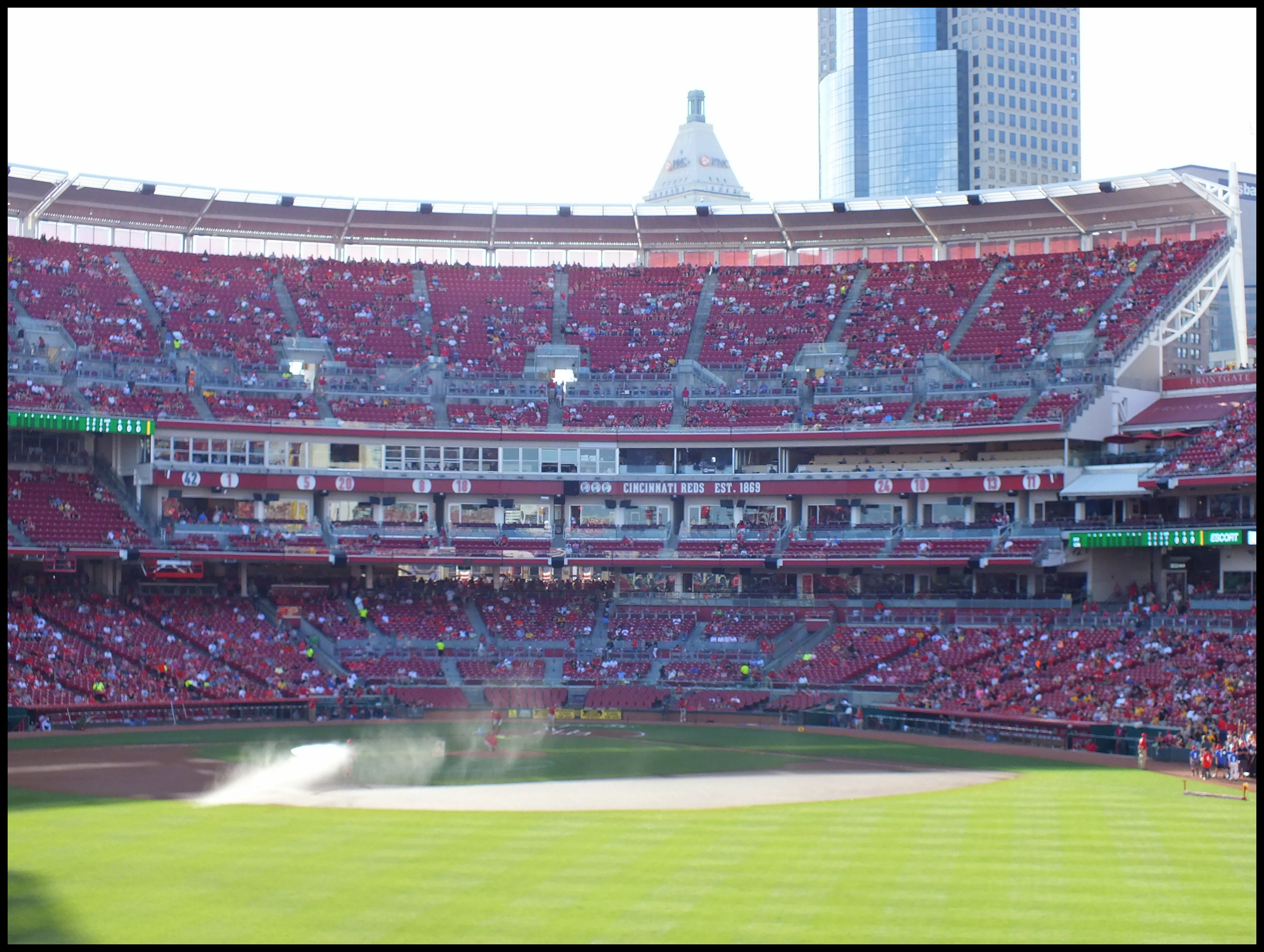
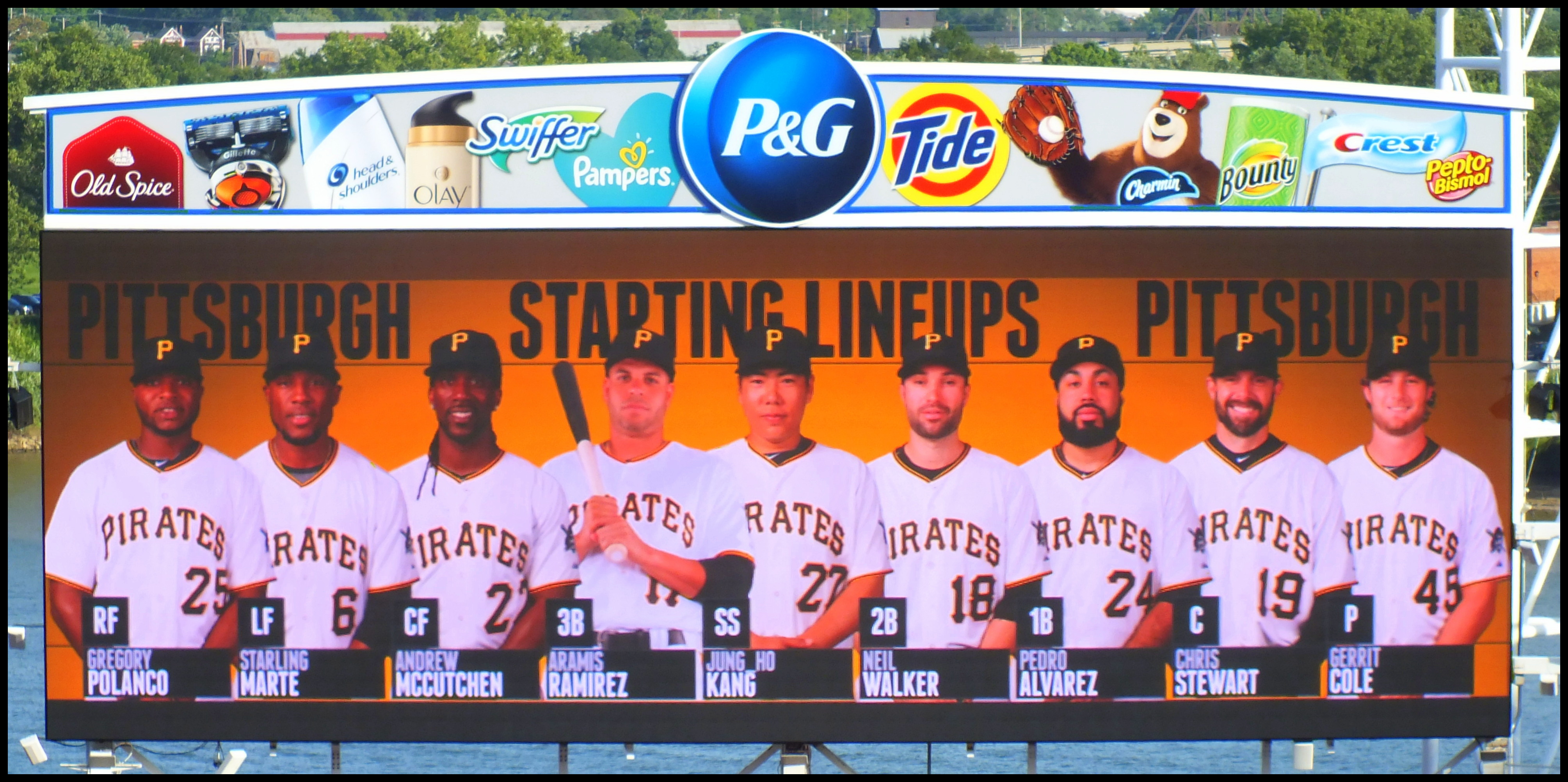
We had a good overview of the action on the field, but we were too high up to see details and it was easy to get distracted. On the left is Andrew McCutchen, the Pirates’ center fielder and best player. On the right is Aramis Ramirez who was on the Cubs for many years and then with the Brewers for a year or so before being traded back to Pittsburgh about five days ago.

cDSCF3811   cDSCF3812

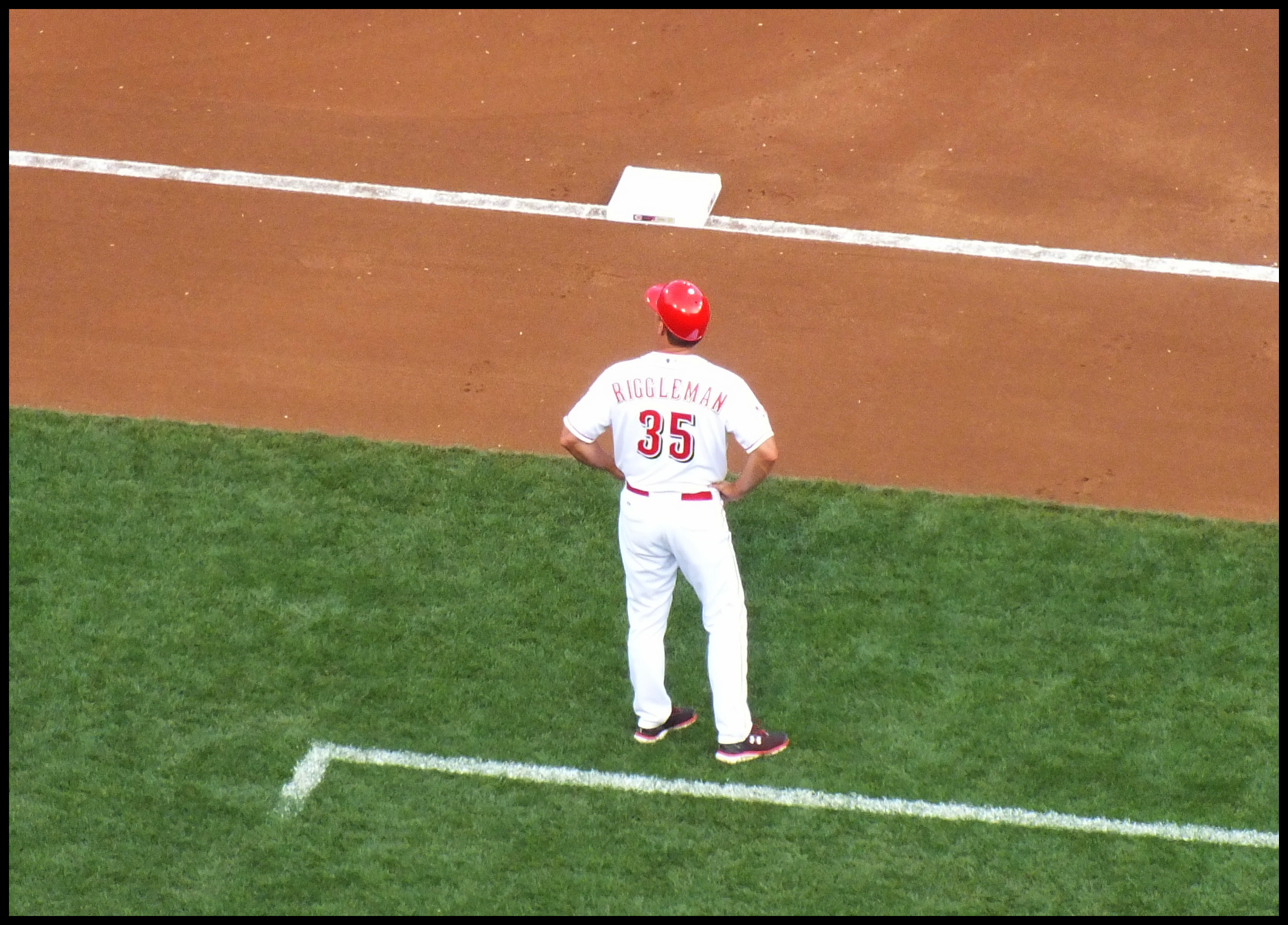
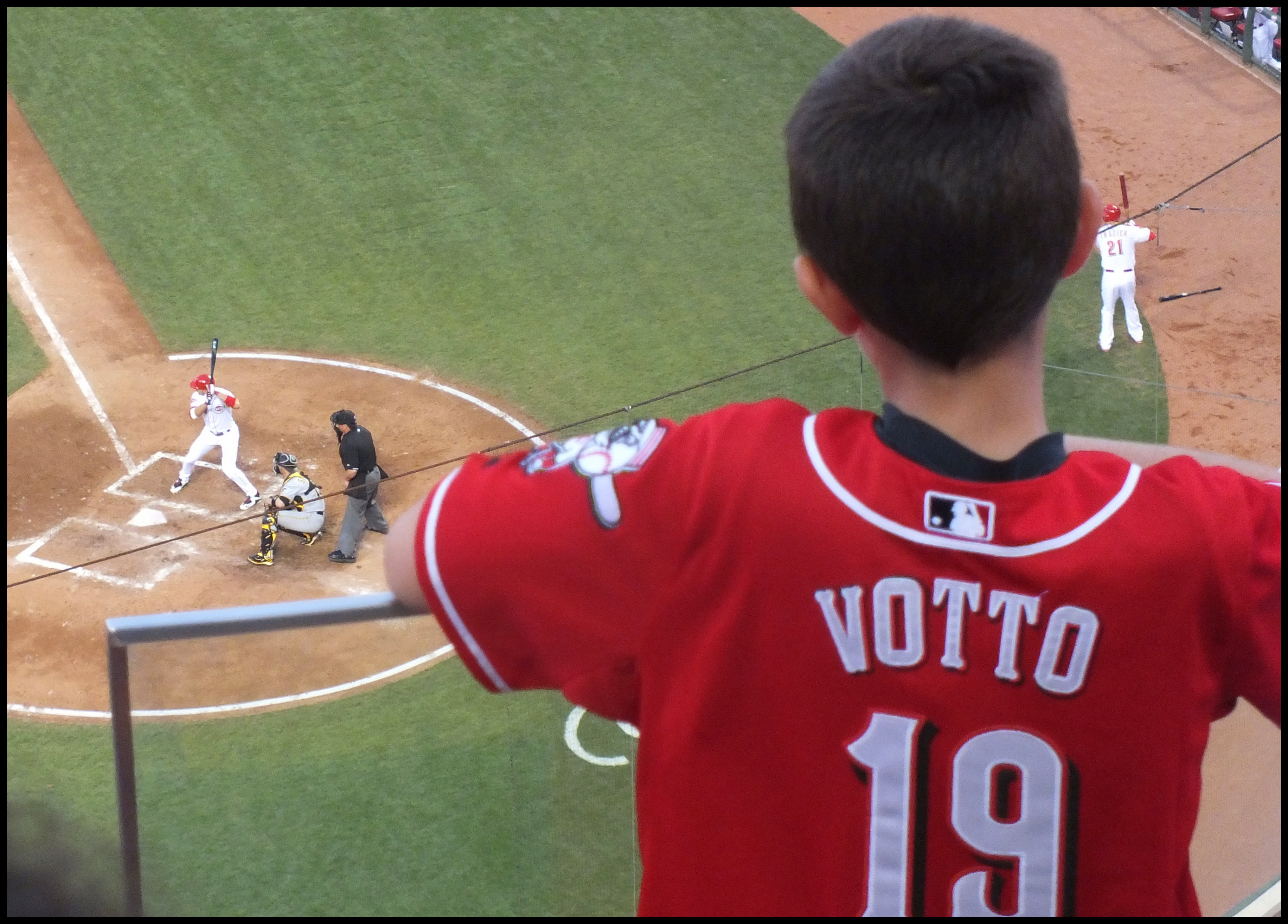
Left: Jim Riggleman, former Cubs’ manager and now Reds’ third base coach. Right: Two Joey Vottos

cDSCF3815  cDSCF3833

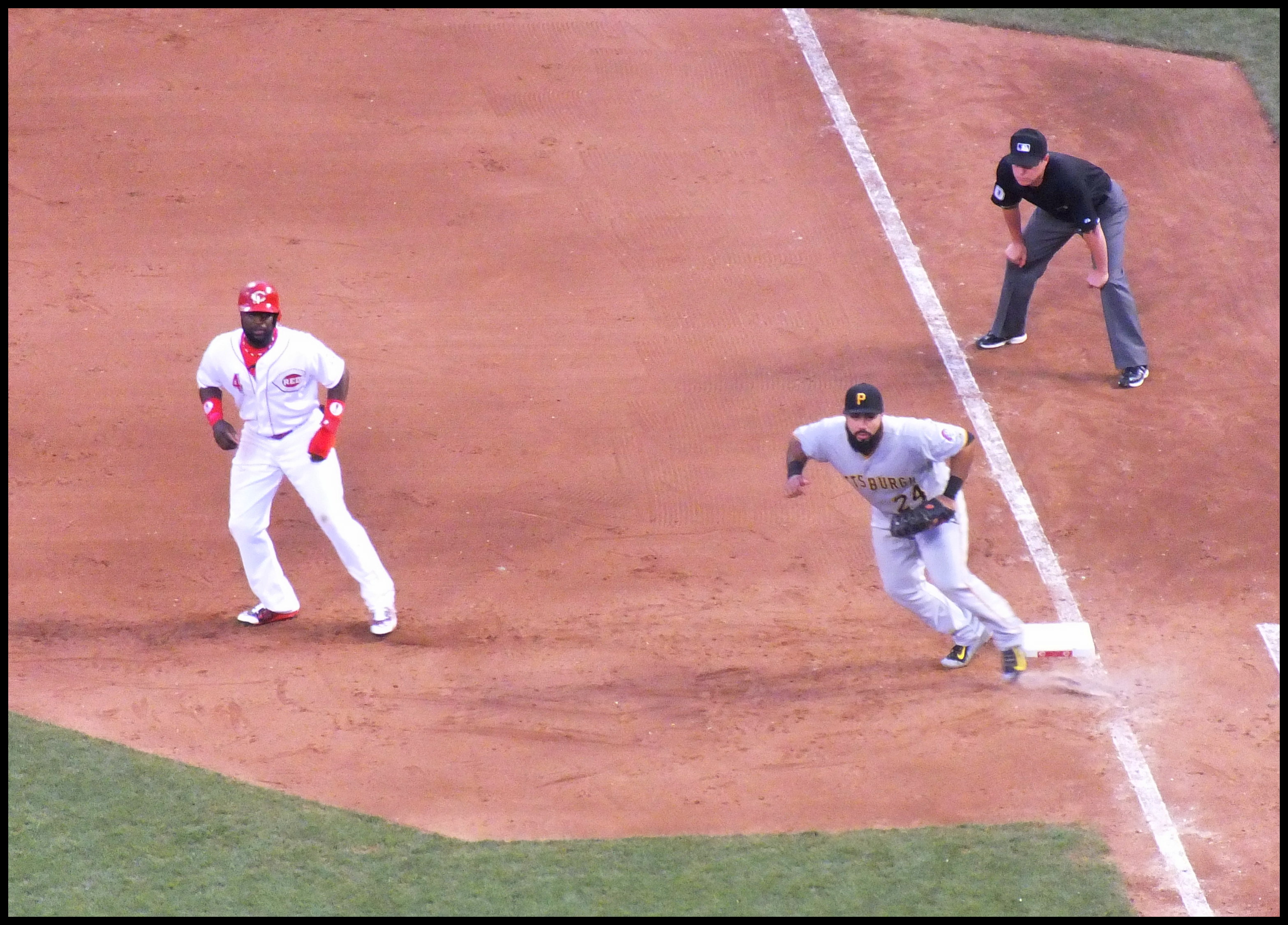
Base-stealer Billy Hamilton returning to first on a pick-off throw. Pedro Alvarez is the Pirates’ first-baseman. Hamilton stole second and third during the game.

cDSCF3827  cDSCF3834

cDSCF3821

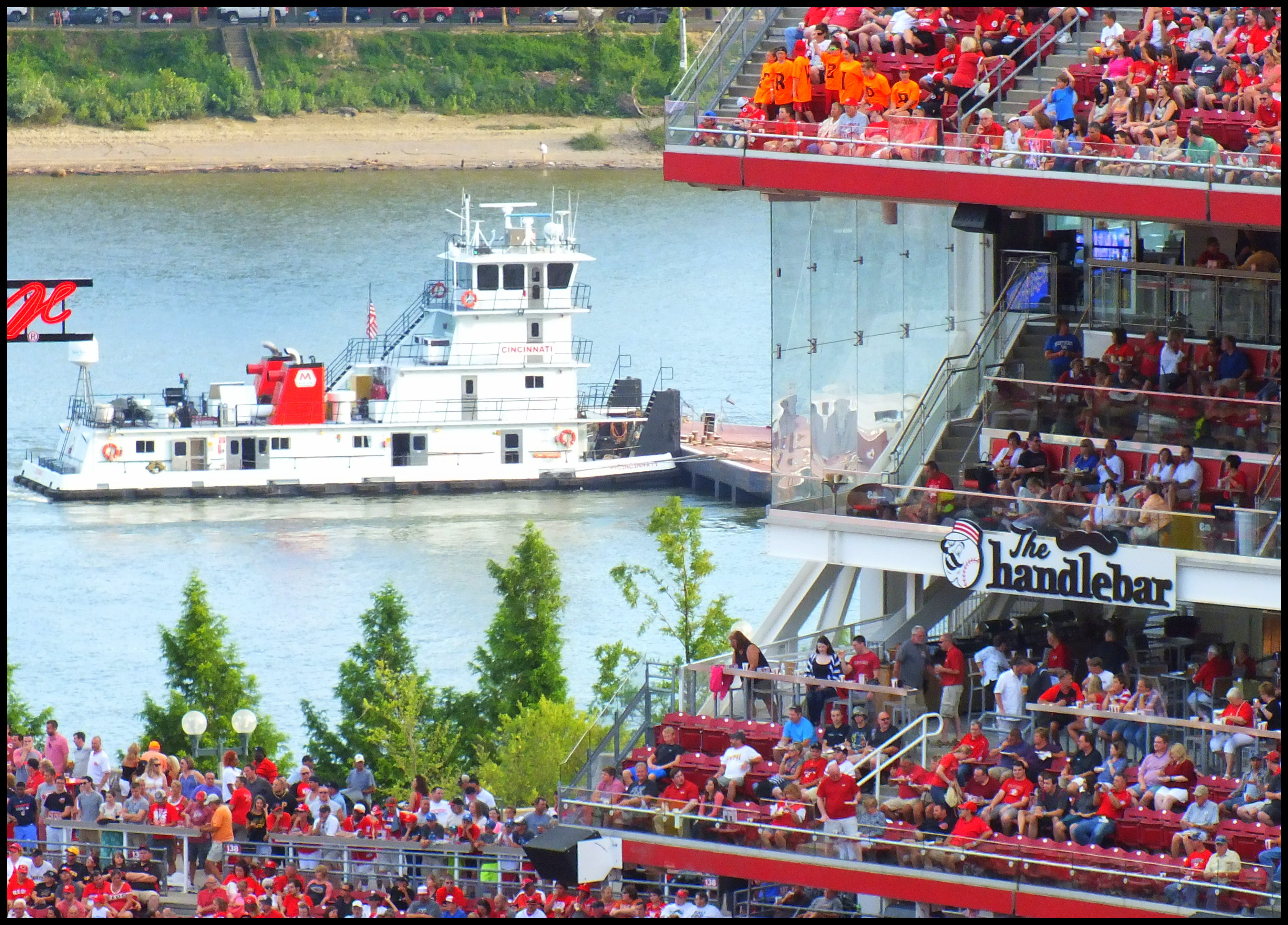
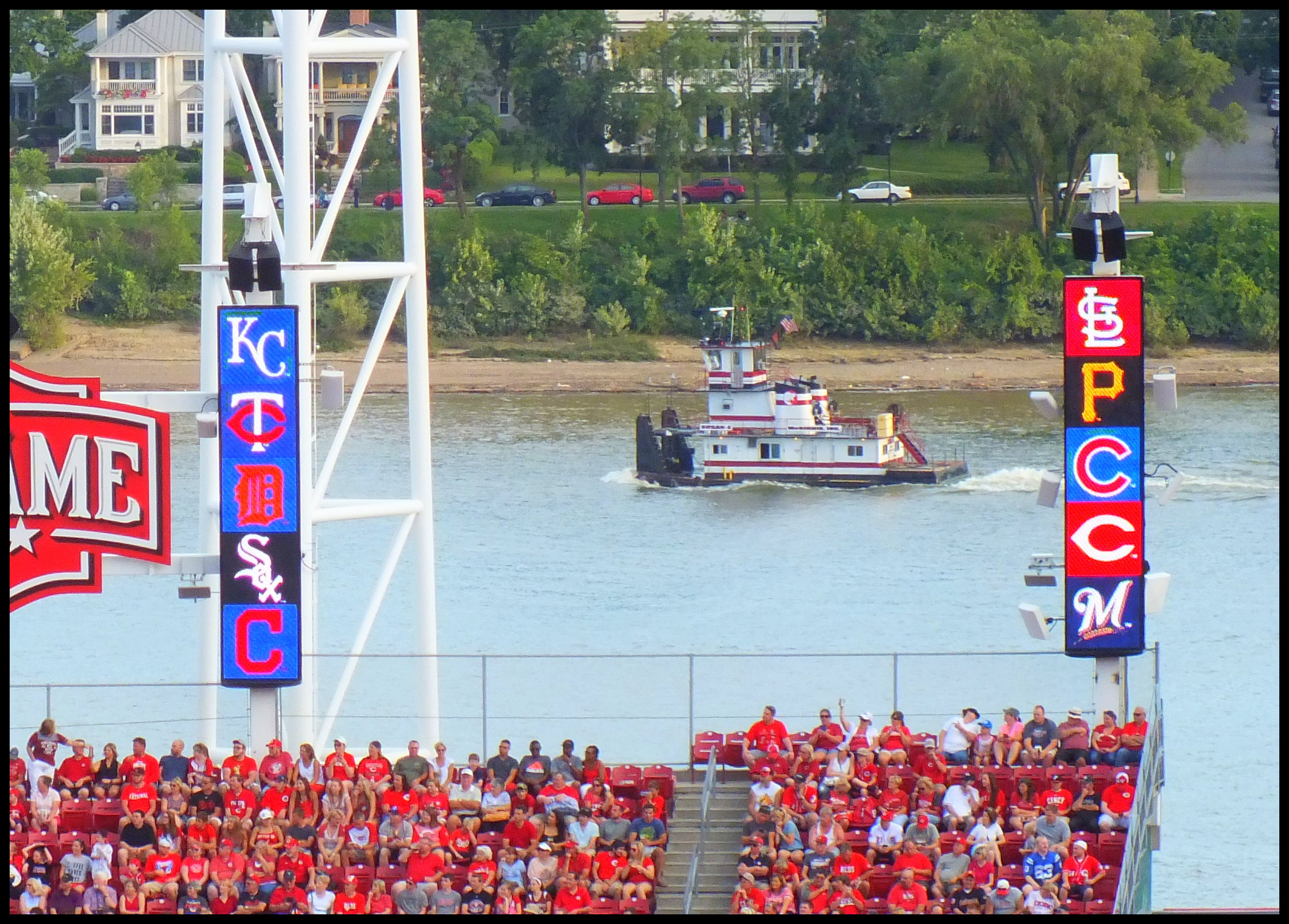
We also had a good view of a steady procession of boats on the river.

cDSCF3814

cDSCF3819   cDSCF3826

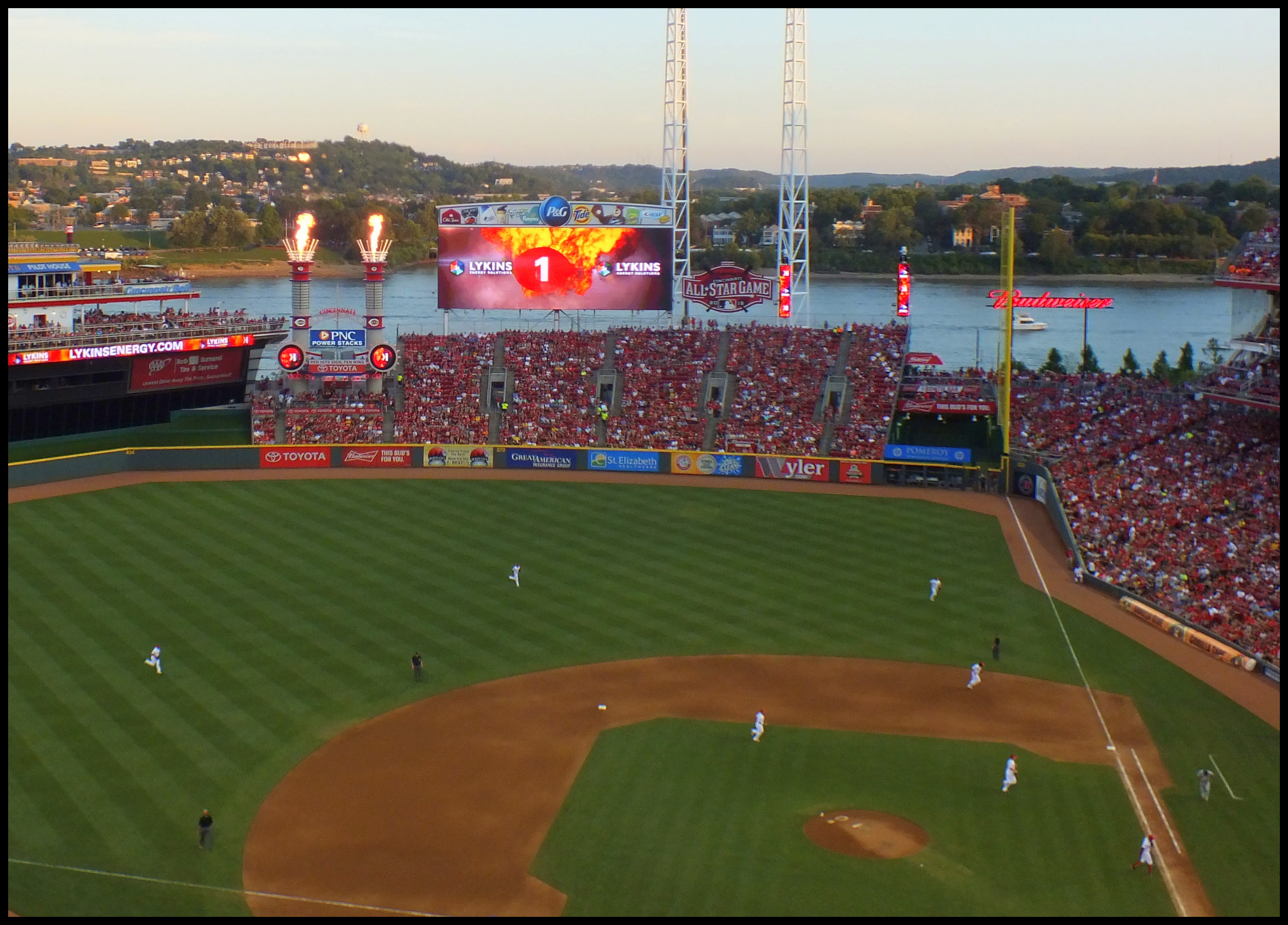
When the Reds’ pitchers struck out a batter, flames would shoot out of the smoke stacks in center field.

cDSCF3832

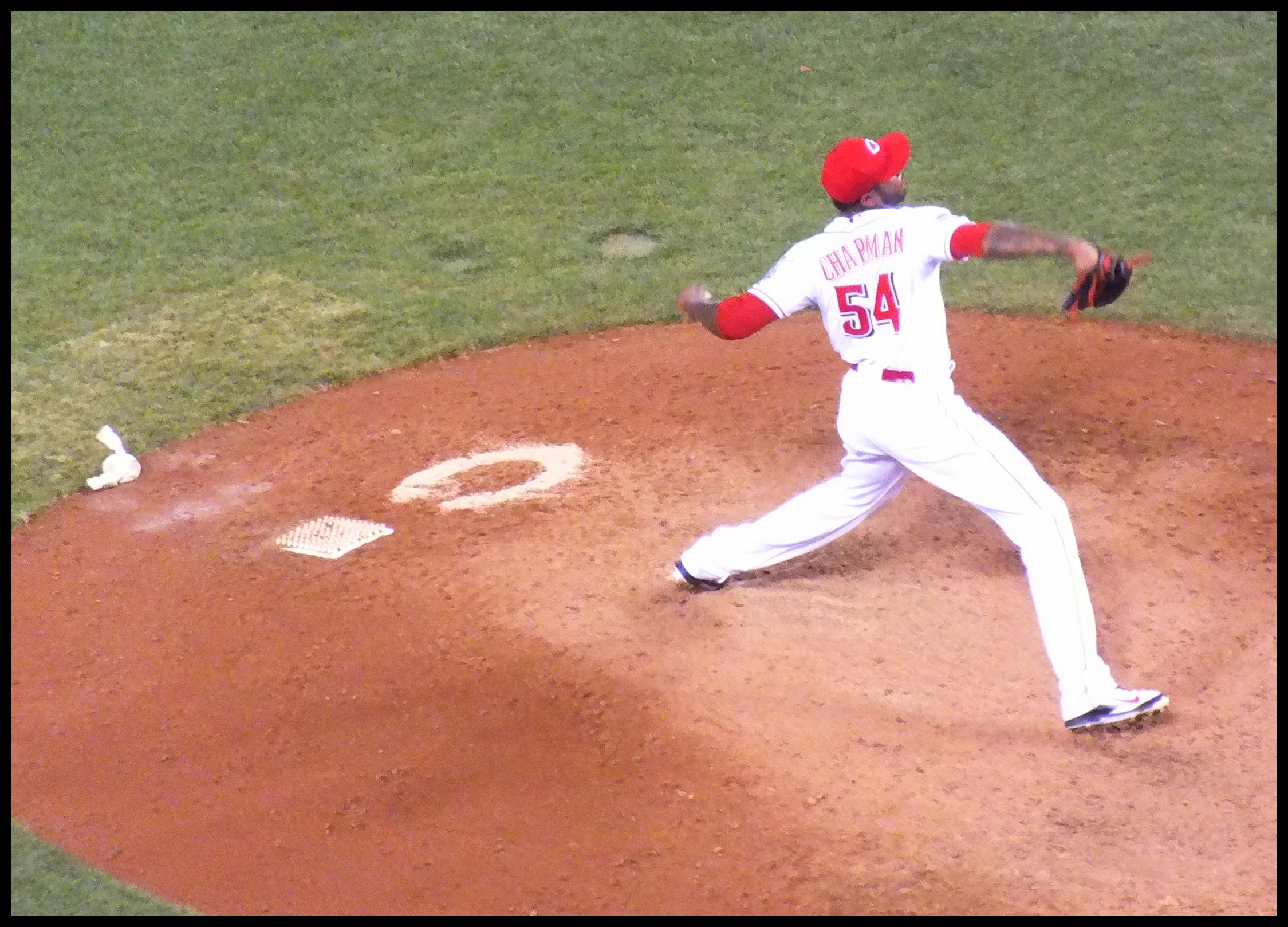
The Reds entered the ninth winning 4-2. They brought in their closer, Aroldis Chapman, who frequently throws pitches as fast as 103 mph.

cDSCF3844

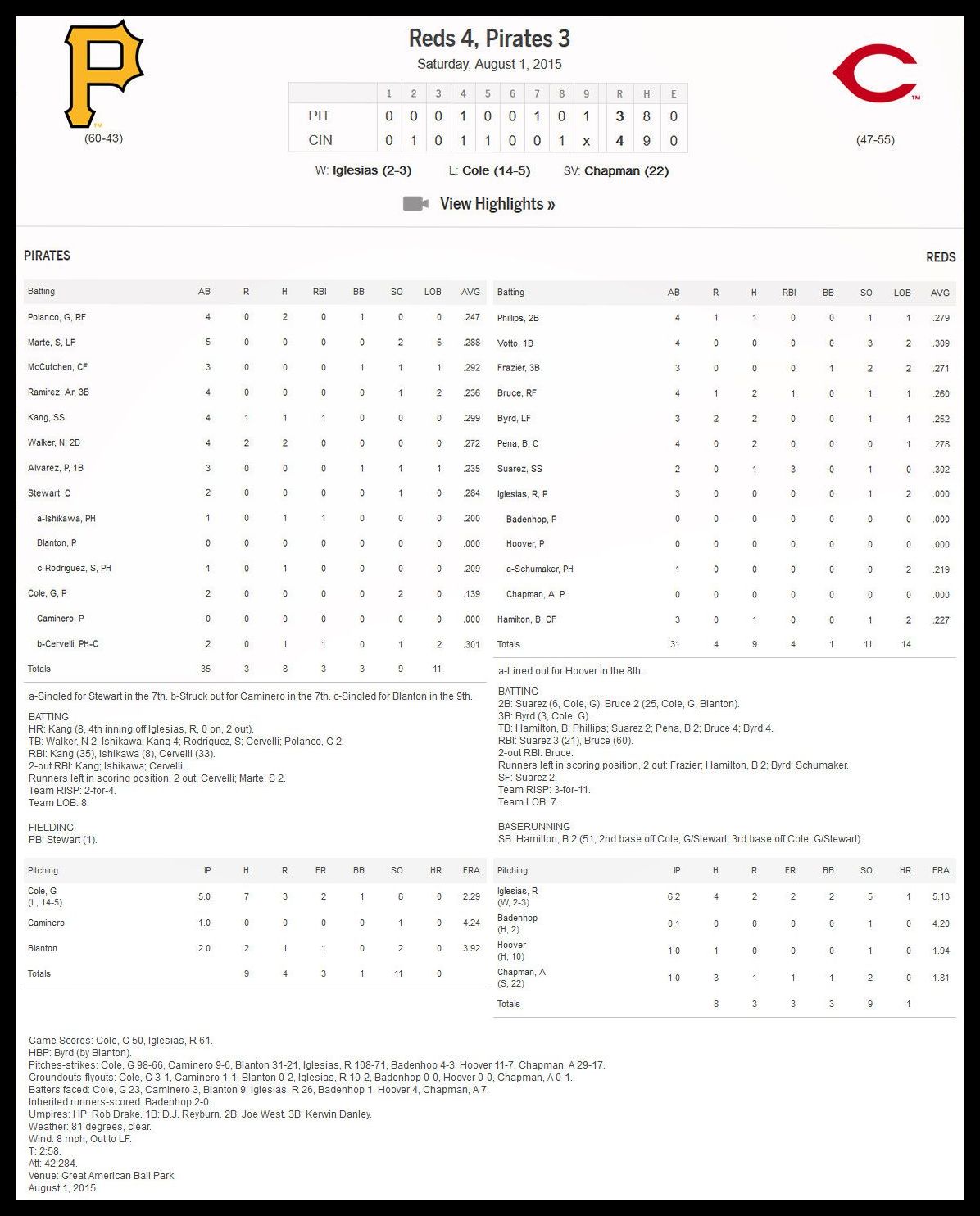
The Pirates staged a rally, scoring a run and loading the bases before Chapman struck out Starling Marte to end the game.


reds box

Posted in Baseball | Comments Off on Pirates vs. Reds — Great American Ballpark

Jungle Jim’s

We had tickets to the Reds-Pirates game on Saturday night. We got to the Cincinnati area about two-and-a-half hours before the gates opened. We headed to Jungle Jim’s Market in Fairfield to pass the time indoors out of the heat and to get a new Ohio county.

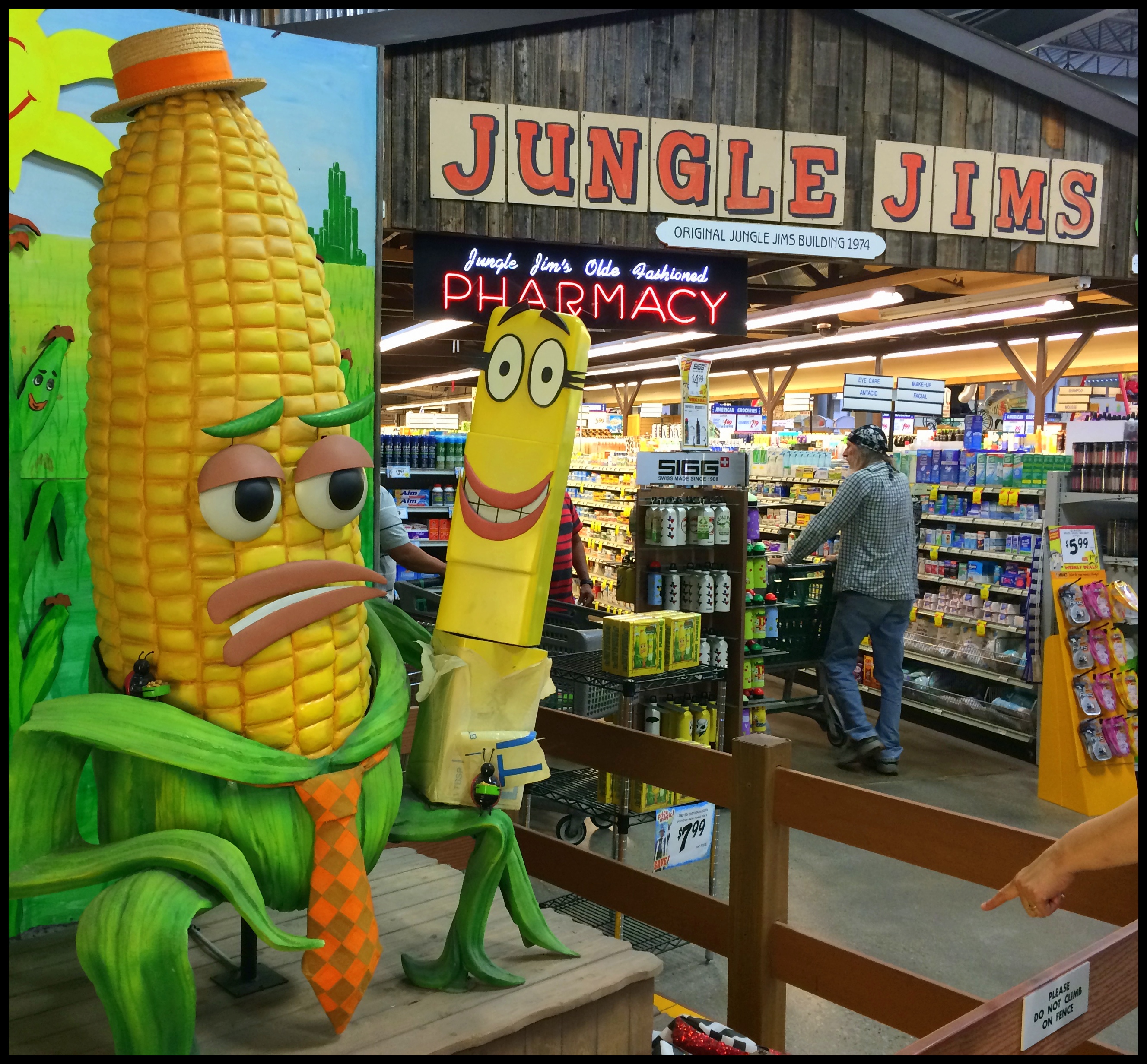
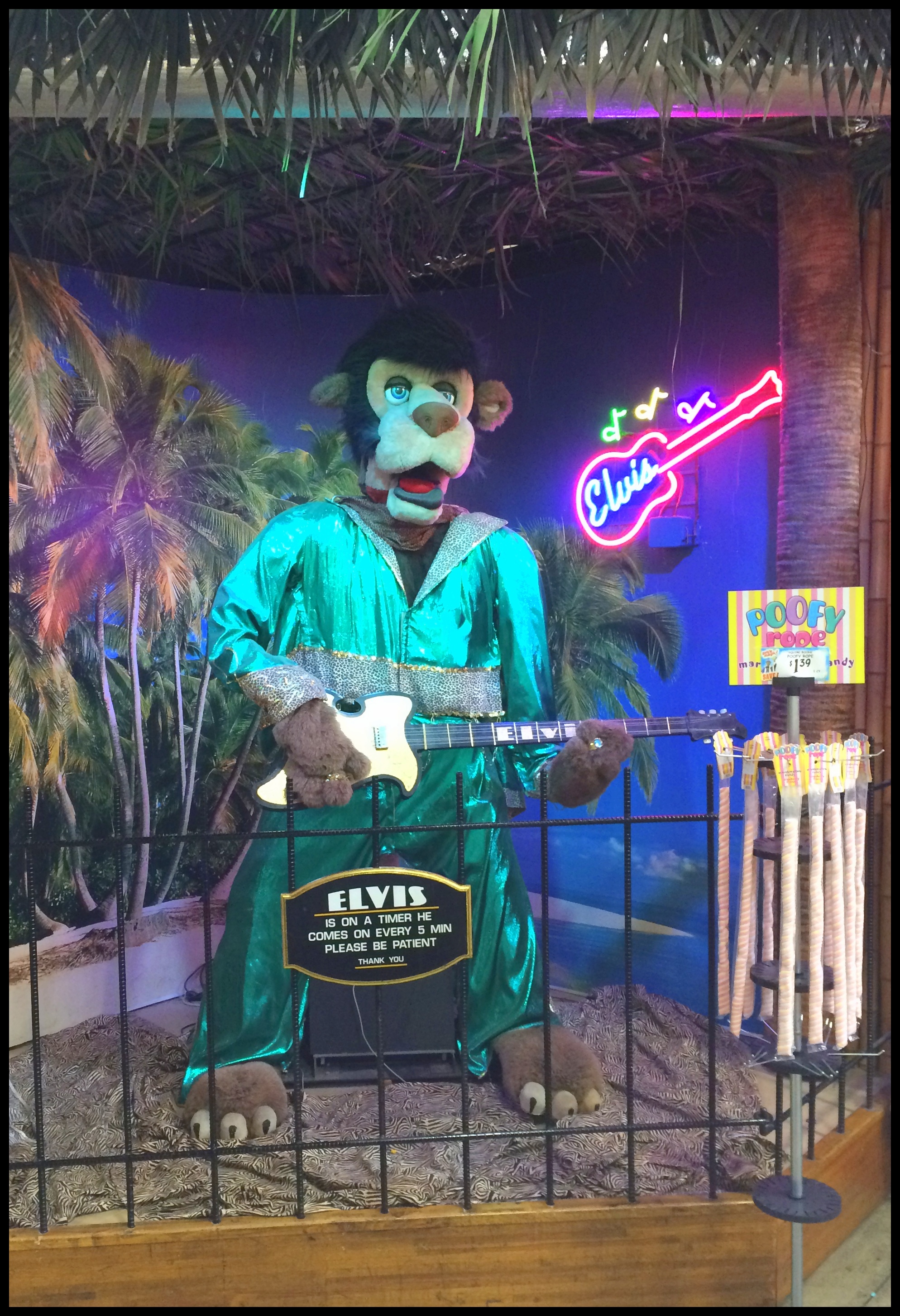
The place is huge, with all sorts of advertising gimmicks and statues. We wandered around for about an hour and never did figure out the floor plan. For a time, I wondered if we would ever find our way out. Here, without much explanation, is what we saw.

bIMG_4877

bIMG_4880

bIMG_4883

bIMG_4882

The outhouses were just the doors to large restrooms.

bIMG_4887

bIMG_4890

bIMG_4896

The guy in the foreground is looking at me in embarrassment because he just dropped a glass jar of something on the floor and it splattered.

bIMG_4897

It had huge selections of most food types and sections for foods from many different countries. The display beneath the fire truck is a small section of the hot sauce shelves.

bIMG_4901

bIMG_4902

bIMG_4907

bIMG_4908

bIMG_4911

Not only was the place confusing, but it was packed. We both came out suffering from sensory overload. If we lived nearby, we might shop there, but only after finding a time when the store was relatively empty.

Posted in Ohio | Comments Off on Jungle Jim’s