Devil’s Backbone Park

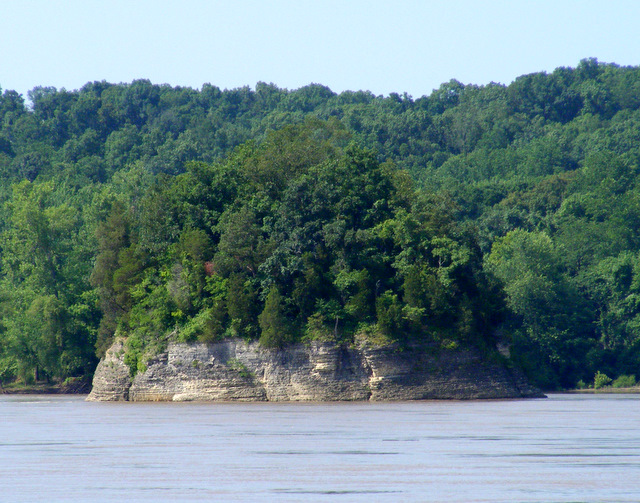
The town of Grand Tower is named for a rocky outcropping that forms an island on the Missouri side of the river.  Tower Rock was first mentioned by Marquette and Joliet when they traveled through the area in 1673. The island creates rapids and whirlpools in the river. In 1839, Penelope Pike married John Davis on top of the rock. After the wedding, their boat overturned and both of them drowned. There’s a legend that, because of the dangerous waters, the native inhabitants thought the area was possessed by evil spirits. That accounts for why several features in the area have the name “Devil.”

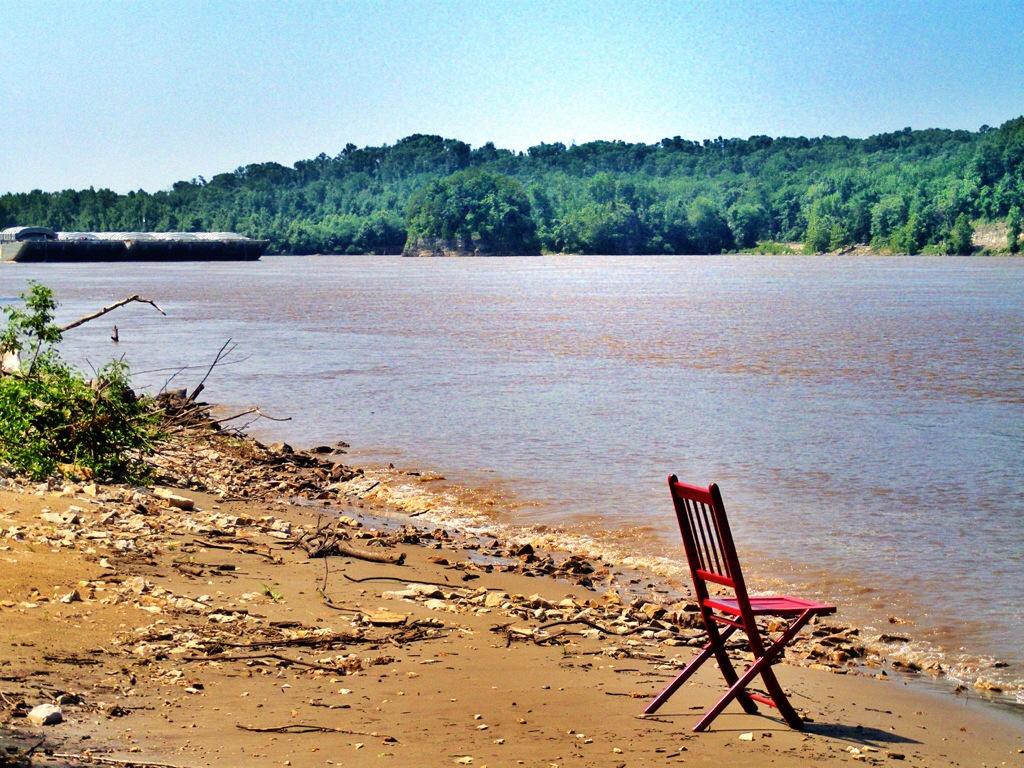
Tower Rock can be seen on the other side of the river (in the photo below) just in front of the barge.
20131027-202825

There isn’t much to the town of Grand Tower. The 2000 census counted just over 600 residents. It’s 30 miles to the nearest bridge to the south and 30 miles to the nearest bridge to the north. It’s the only town on the Illinois side of the river on a 110 miles stretch between Cairo and Chester. In that same span, there are only two towns on the Missouri side.

A sign says, “Captain William Boone, the nephew of the famous Daniel Boone, is thought to have been the first white settler in Jackson County, having arrived shortly after Lewis and Clark discovered Tower Rock. William Boone’s son, Benningen, was the first white child born in Jackson County. Other early white settlers included Colonel James Gill, who resided with his family and slaves near Devil’s Bake Oven. He was a farmer and owned and operated a ferry boat, which established the area as an important Mississippi River crossing point.” This sign was put up by the state of Illinois to commemorate the 200th anniversary of the Lewis and Clark Expedition, but the only mention of the two on the sign is incorrect! (They didn’t discover Tower Rock.)
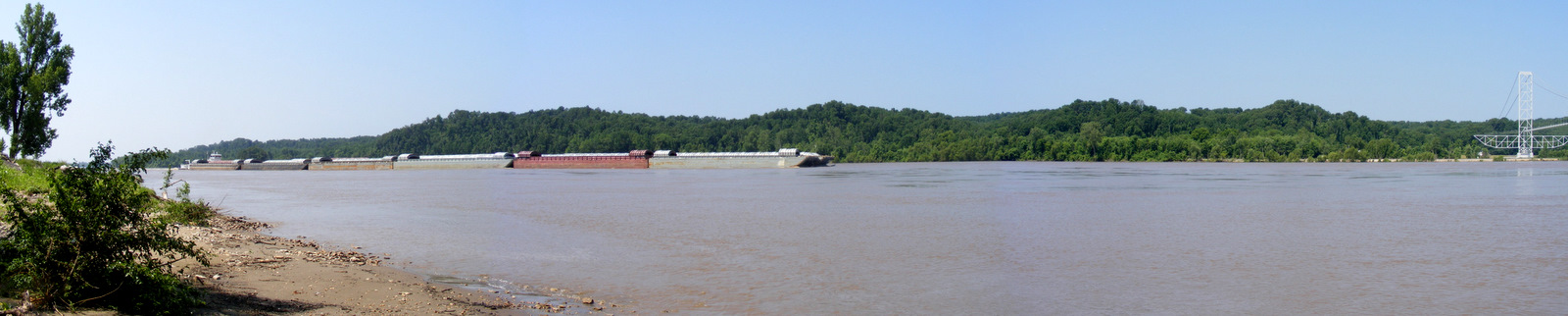
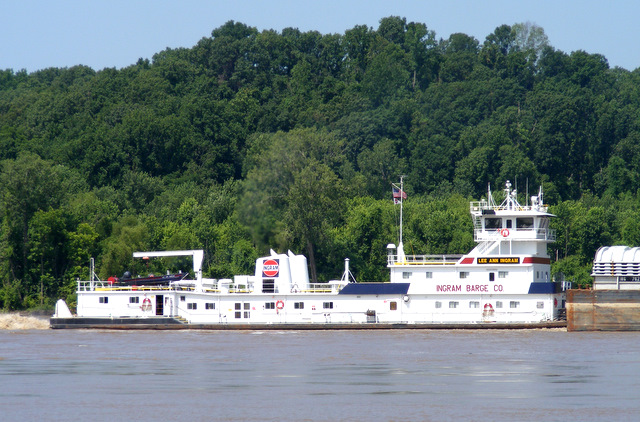
During the five hours we were at the park, there was a steady parade of towboats pushing barges. The one in the above panorama was pushing a tow five barges across and six barges long. To carry the same amount of material, you’d need a train six miles long.
Speaking of trains … There’s a track running along the far bank of the river. The ugly white “bridge” carries a gas pipe across the river.
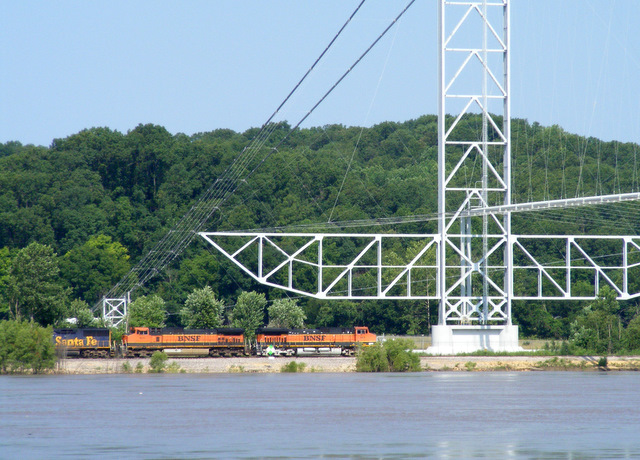
Just north of the campground, there was a 100-foot tall rock called the Devil’s Bake Oven. In the early 1800’s, it provided a handy lookout for river pirates. Their depredations got so bad that a troop of cavalry was stationed here in 1803. The rock’s impressiveness is somewhat diminished by the gas line.
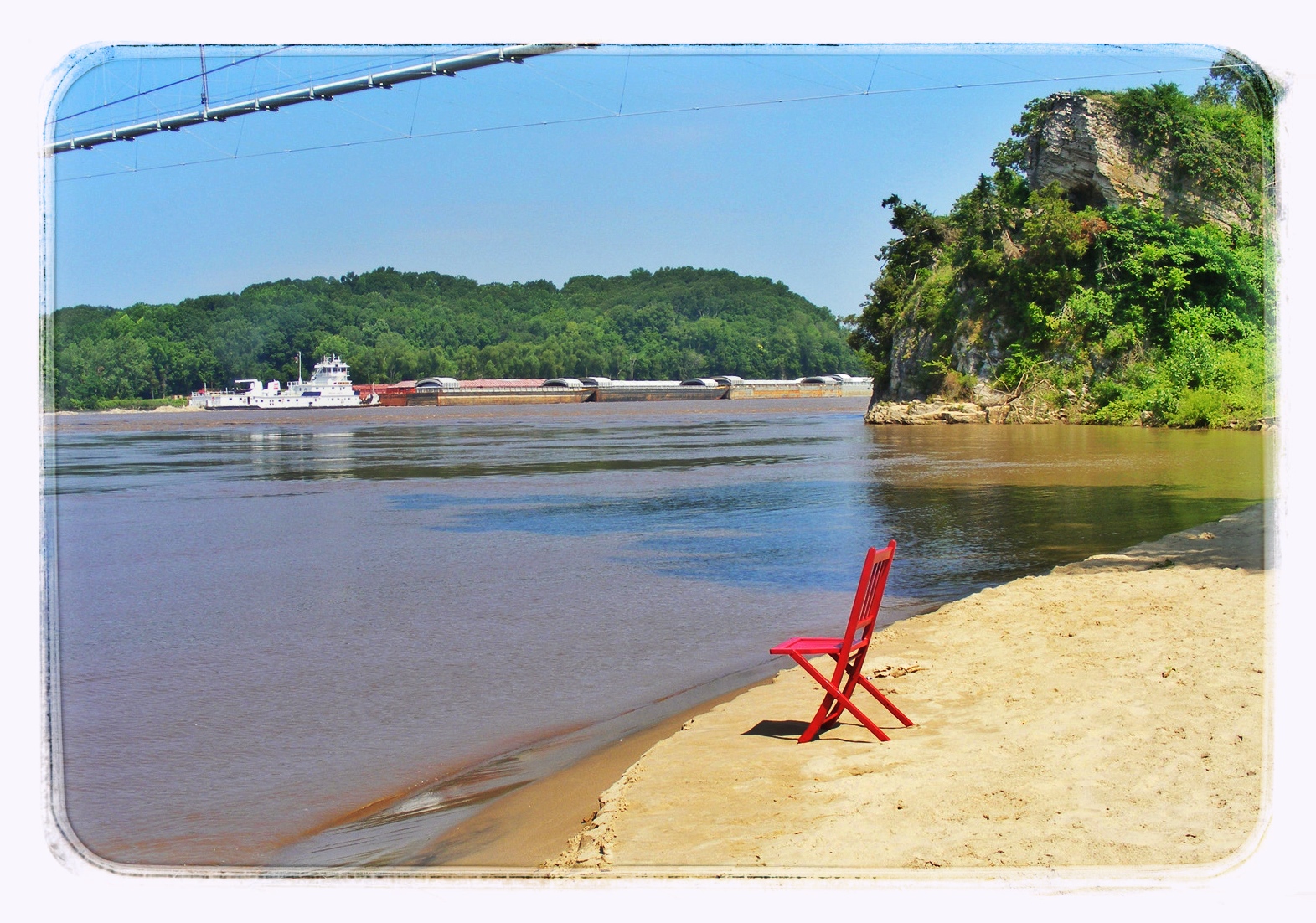
photo-61

An iron furnace was located here until the 1870’s. The superintendent lived in a large house on the Devil’s Bake Oven.
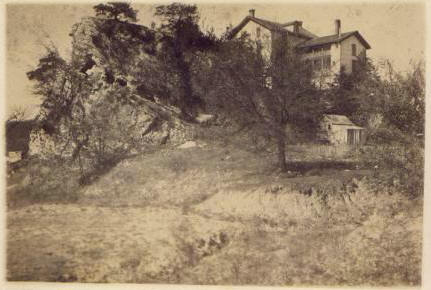
The ruins of the house can still be seen.
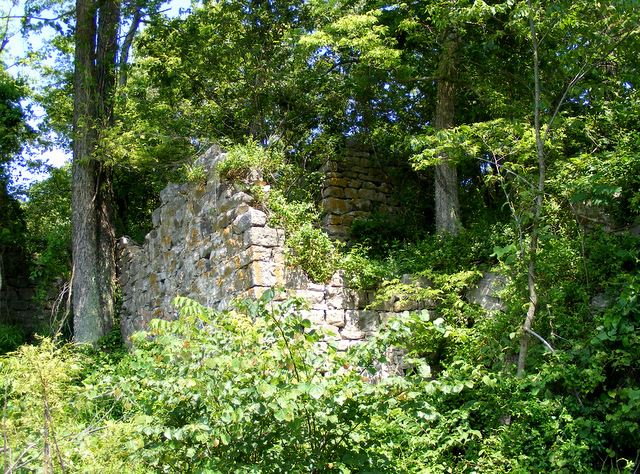
A local legend tells of the superintendent’s lovely daughter who was dallied with and abandoned by a miner. She was carried away with grief, and her ghost, or so it’s said, still wanders about the rock wailing in despair.

Posted in Illinois | 2 Comments

Fort D

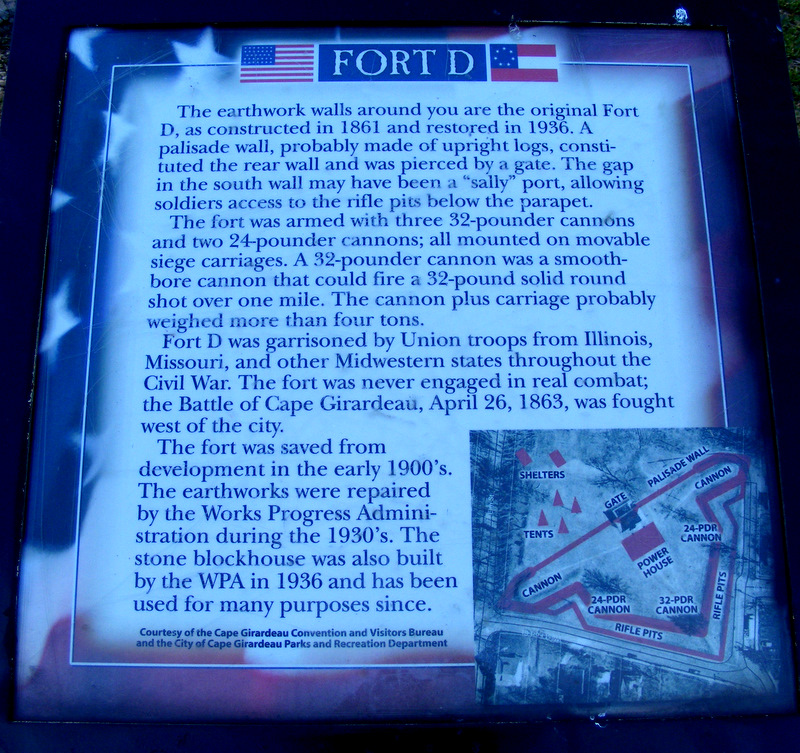
During the Civil War, the Union constructed a series of forts around Cape Girardeau. Only one of them, Fort D, remains. It’s located in a ratty neighborhood, and we were hesitant to get out of the car. The earth mounds are all that’s left of the original fort — the castle-looking building was built by the Works Progress Administration in 1936.

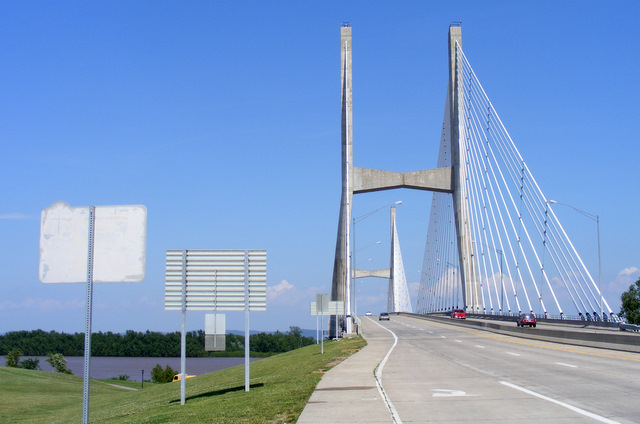
This photo was taken on the fort wall looking northeast past the Bill Emerson Bridge toward Illinois on the far bank of the Mississippi.

Driving through Cape Girardeau from the hotel to the river and back was an adventure. At one intersection with “left turn on green arrow only” signs, I sat through three cycles without getting an arrow. I finally gave up and drove on, then turned around and made a right turn — only to see oncoming traffic turn left at the spot I’d just left. The same thing happened to me again a while later. At least the sky was putting on a show. I thought this cloud looked like an angry old woman. Maybe she’d been trying to make a left turn.

Posted in Missouri | Comments Off on Fort D

Missouri


The red chair entered its third state at 3:55 pm on June 12, 2010. The sun angle was lousy for a photograph, but it was either this or drive to the other side of the state. The Mississippi River is about 200 yards behind where my daughter stood when she took this photo. The Bill Emerson Memorial Bridge spans the river here. It was named for the Congressman who was responsible for seeing that our federal tax dollars paid for the bridge.

Posted in Missouri | Comments Off on Missouri

Jonesboro Lincoln-Douglas Debate

The debate was held on the Jonesboro Fairgrounds on September 15, 1858. Douglas, who chose the locations for the debates, picked this tiny town because he figured that Lincoln’s views on the expansion of slavery would get him in trouble with the pro-slavery residents of Southern Illinois.

The statues of Lincoln and Douglas are life-size. The site is located in a pretty little park on the outskirts of town. The building in the background is a visitor center for the Shawnee National Forest.

The plaque on the rock reads:

In Commemoration

On The Afternoon of September the 15th, 1858, upon this acre in the Jonesboro Fair-grounds and as rival candidates for the United States Senatorship from the State of Illinois, Abraham Lincoln and Stephen A. Douglas met in the third joint debate of seven Lincoln – Douglas Debates.

Upon the principles set forth here, the Senate election was lost to Mr. Lincoln, but he did gain much prominence nationally and was elected to the Presidency in 1860, served as Civil War President was re-elected in 1864.  He truly was Illinois’ gift, “The man for the ages.”  This debate cast a long shadow upon the pages of history.

50th – 75th – 100th – Anniversaries celebrated here

In 1963 the old stone marker became defaced and was replaced with this stone and this plaque was dedicated September 15th, 1963.

Posted in Illinois | Comments Off on Jonesboro Lincoln-Douglas Debate

Burger King?

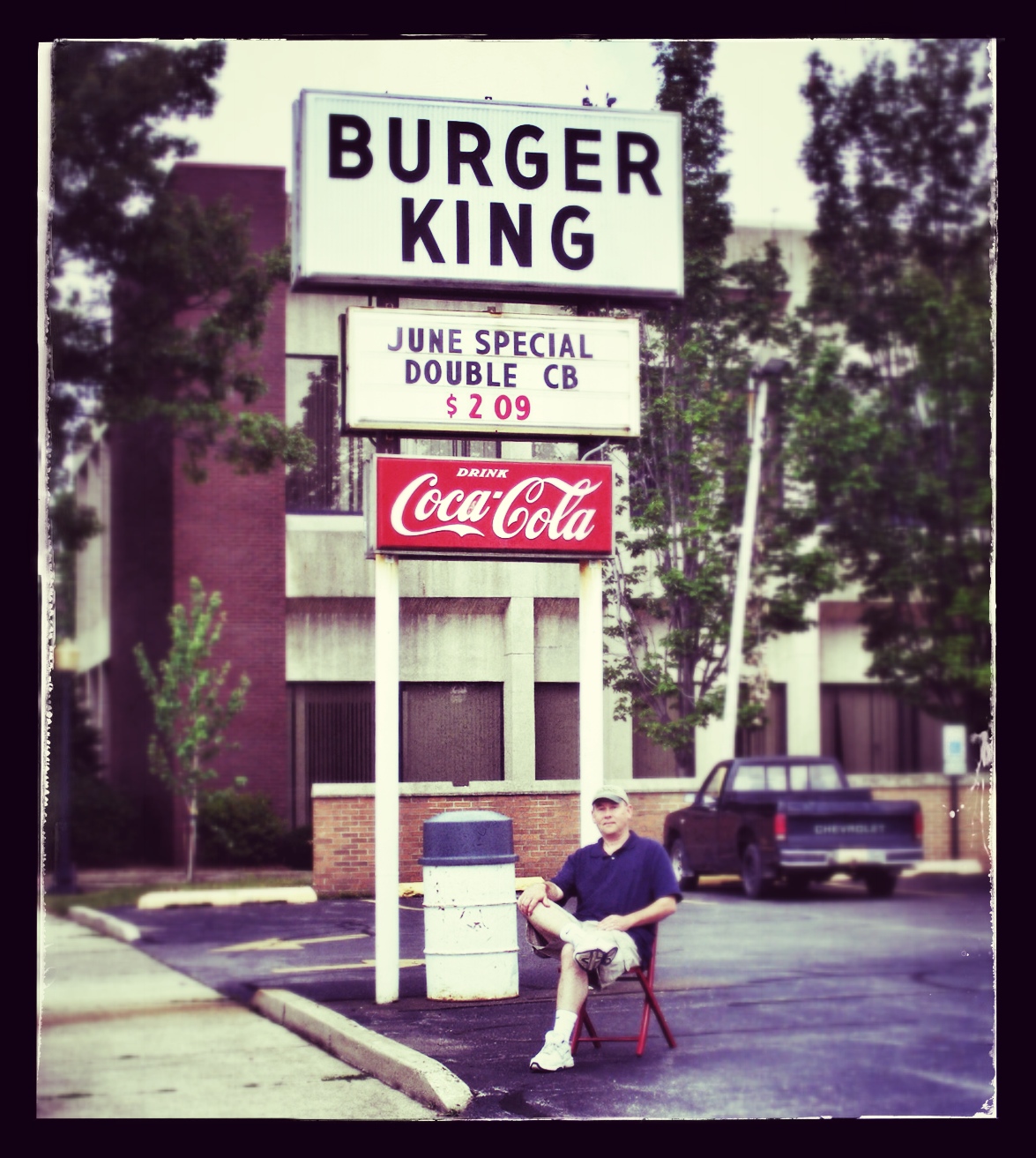
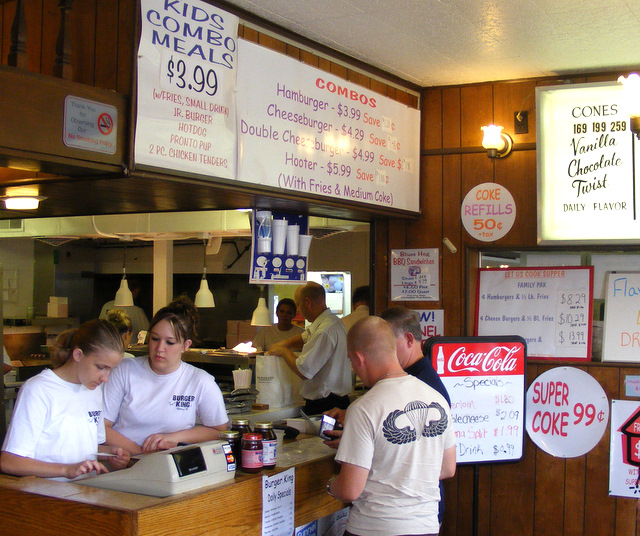
In 1957, Gene and Betty Hoots opened a hamburger joint in Mattoon, Illinois and called it Burger King. On the advice of a lawyer, they registered the name and became the legal owners of “Burger King.” They were surprised when, a few years later, a Florida chain opened a Burger King in Skokie. When those impudent upstarts reached 50 restaurants in the state, the Hoots took them to court. The decision, now considered a landmark case on intellectual-property rights, gave the national chain rights to the name “Burger King” everywhere in the country except within a 20-mile circle centered on the Hoots’ restaurant. And so it stands more than 40 years later.

photo-54

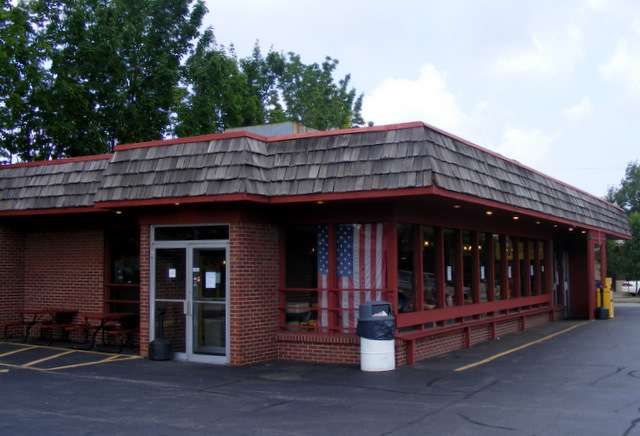
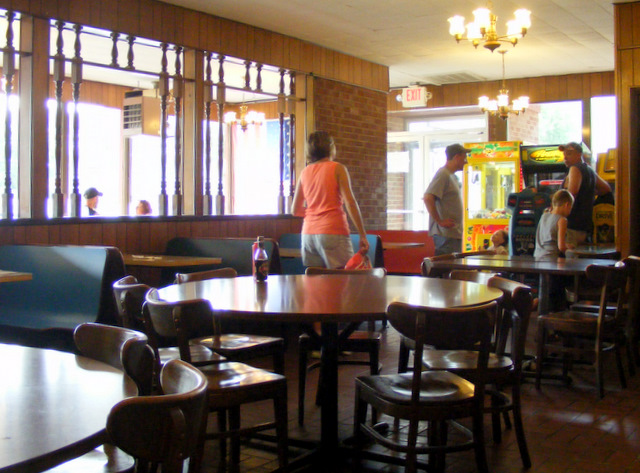
Burger King wasn’t very crowded when we arrived. I ordered the specialty of the house, a Hooter Combo, which consisted of a quarter-pound cheeseburger, fries, and a drink. The girl who took our order acted as if we were interrupting her nap — in the photo below, she looks like she’s fallen asleep.

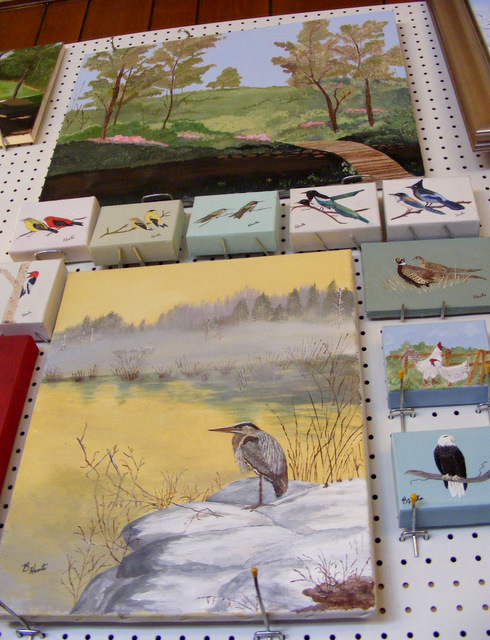
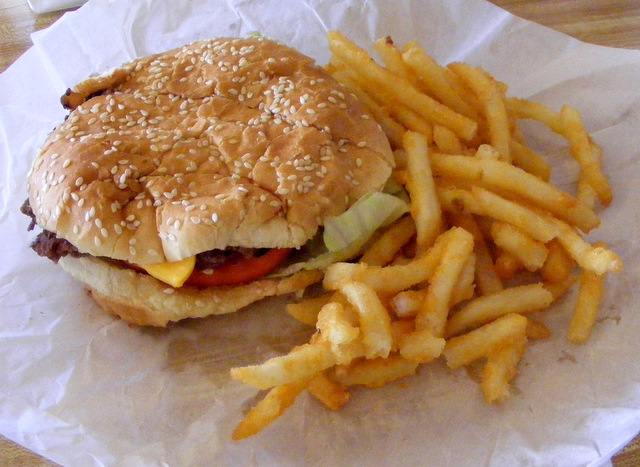
Our order took about 20 minutes, which gave us time to appreciate the art that lined one wall, all of it signed “Hoots.” My burger looked like it had been sat upon, but it was pretty good. My wife really liked the fries and the butterscotch shake she got on the way out.

In recent years, the restaurant has become famous, thanks to appearances on several TV stations and travel blogs. They have a guestbook and “The Original Burger King” T-shirts, but we didn’t sign the one or buy the other. By the time we left, the place was filling up.

I wouldn’t recommend making a special trip to Mattoon to eat at Burger King (or for any other reason), but if you happen to find yourself in that town and in need of greasy food, try it. Just be prepared to wake the cashier.

Posted in Illinois | Comments Off on Burger King?