Pitchfork Steak Fondue and Medora Musical

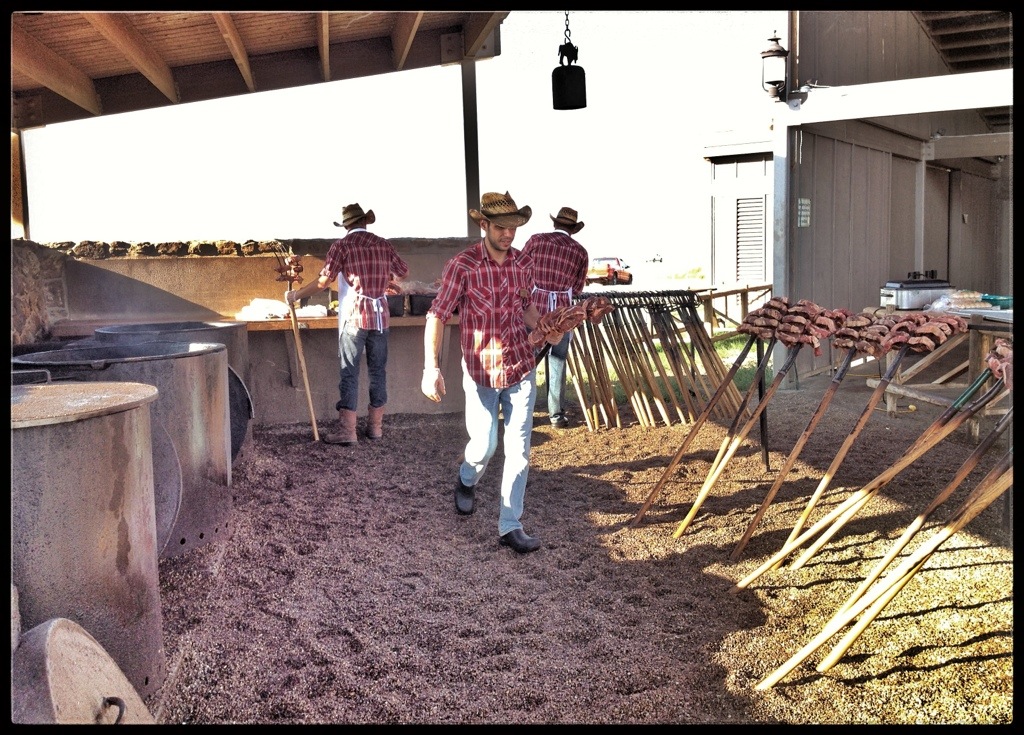
On Friday evening, we headed a short distance outside Medora to the Pitchfork Steak Fondue. As we arrived, we saw the cooks putting the steaks onto the pitchforks.
20130913-203645.jpg

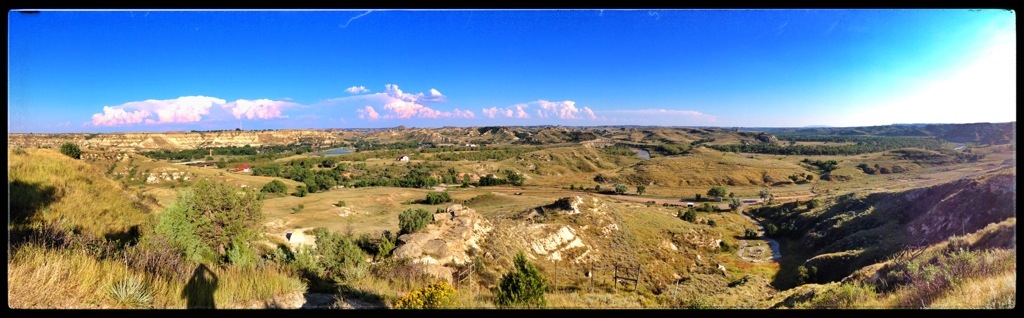
I didn’t see them cook the steaks because we were on the other side of the dining area looking at the view. The big house in the middle distance on the right is the Chateau de Mores, the home of Antoine-Amedee-Marie-Vincent Manca Amat de Vallombrosa, Marquis de Mores et de Montemaggiore, commonly called the Marquis de Mores. He was a French adventurer who ranched in the region for a couple years at the same time Roosevelt was here. He opened a meat packing plant, lost a battle with the Chicago meat packers and the railroads, named the town after his wife, Medora, and left. He bounced around the world for a few more years before being killed in North Africa while trying to stir up a revolt against the British. The house can be toured, but this is as close as we got.

The ruins of his meat plant are next to the national park visitor center. You can see the smokestack as a tan stripe below the bluff on the left. Medora is in the middle distance.

20130913-203655.jpg

20130913-203705.jpg

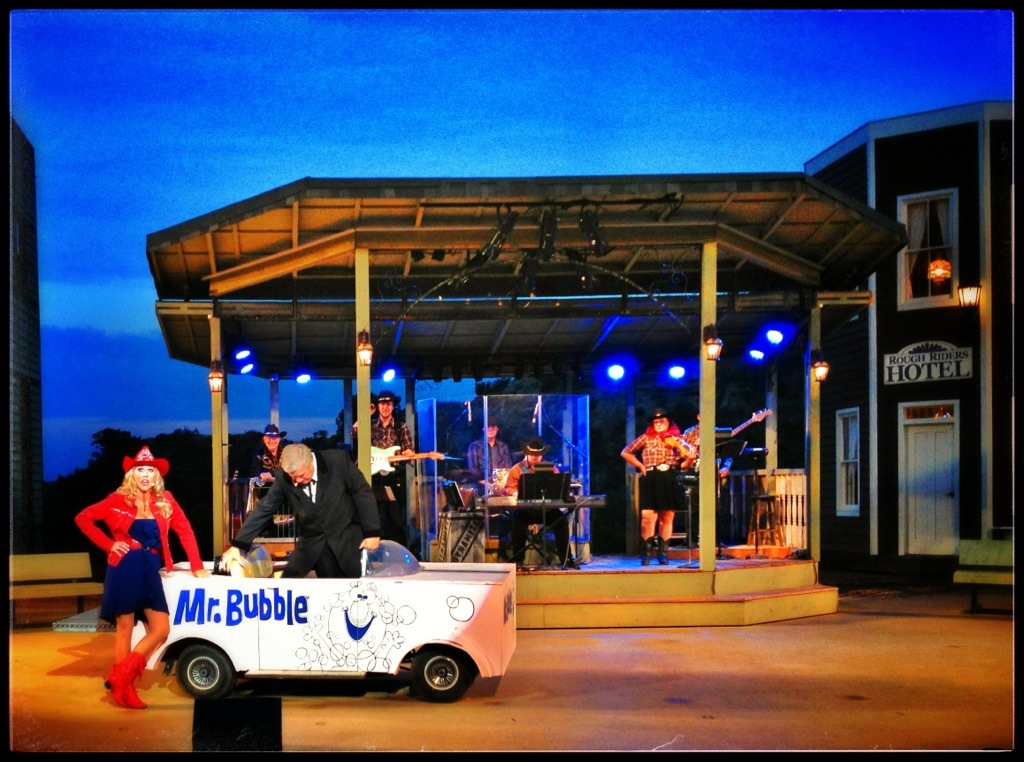
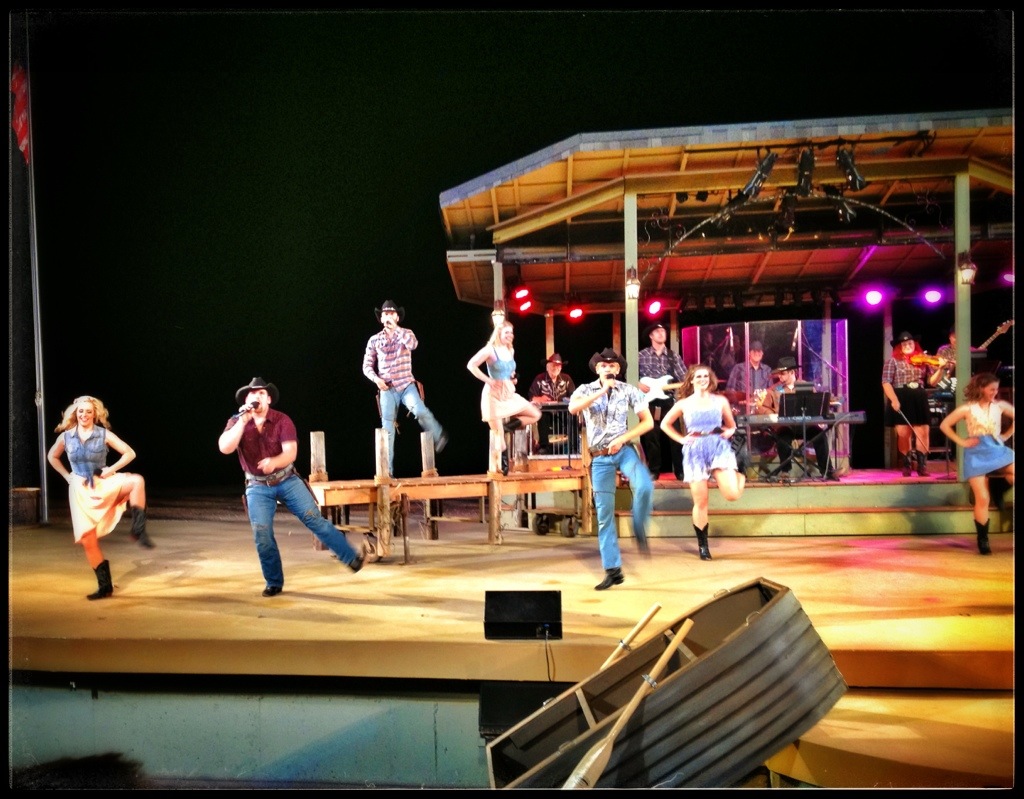
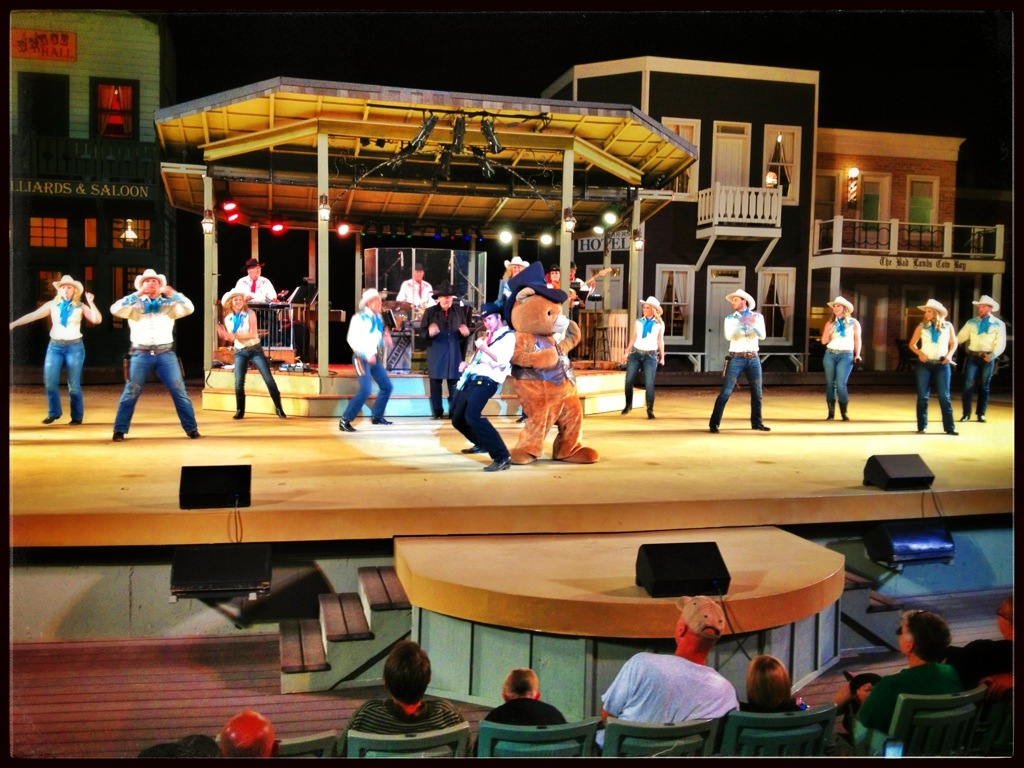
We wandered about the area after eating, then filed down into the Burning Hills Amphitheatre, to our seats in the sixth row. The Medora Musical was a mix of comedy and music put on by the Burning Hills Singers and The Coal Diggers band. It was hokey, but amusing and well-done.

982

20130913-203715.jpg

20130913-203724.jpg

20130913-203733.jpg

20130913-203756.jpg

After intermission, there was a very weird performance by a group called Cirque Zuma Zuma who performed rhythmic dance and acrobatics to African-style music. One of the performers was a young lady who could contort her body into any position she wished. It was grotesque, and I took no photos. I said to my wife that it wasn’t a talent so much as a deformity. The rest of their show was entertaining, but so out of sync with the rest of the program that I wondered if they’d gotten lost and wandered onto the wrong stage.
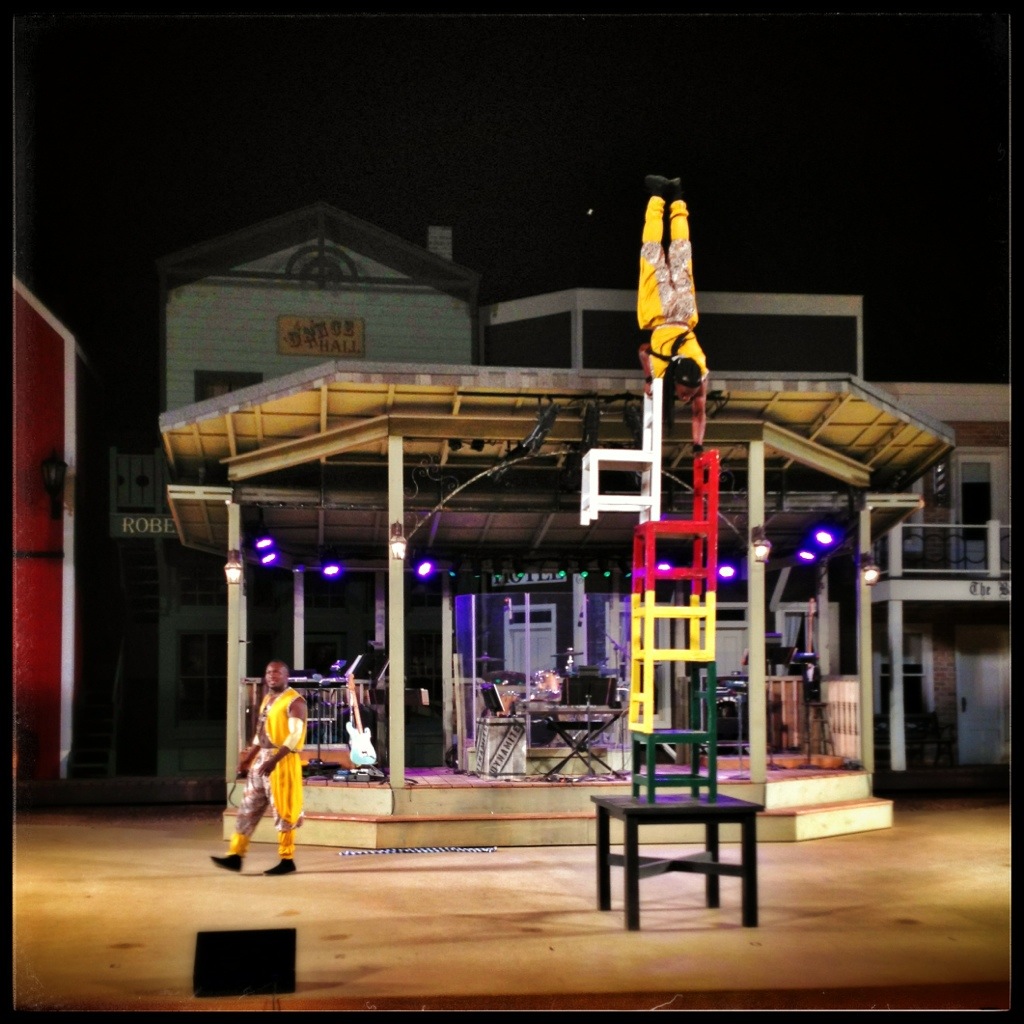
20130913-203743.jpg

The country-western music came back on for another set, and it seemed a lot more fitting with the location.
Posted in North Dakota | Comments Off on Pitchfork Steak Fondue and Medora Musical

Maltese Cross Cabin

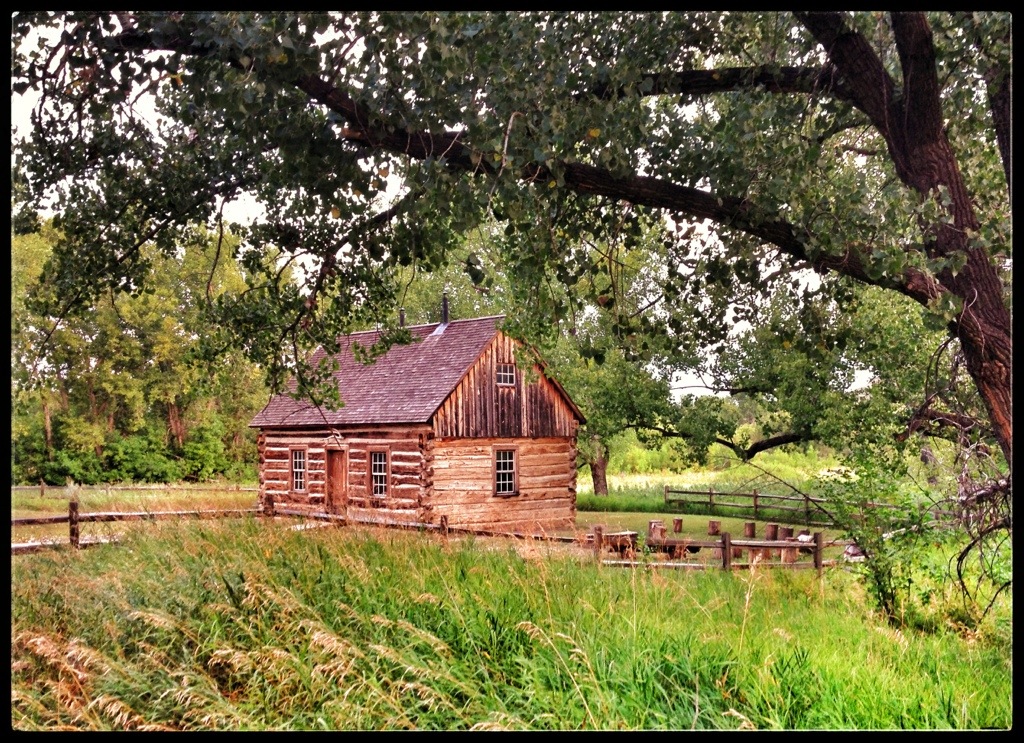
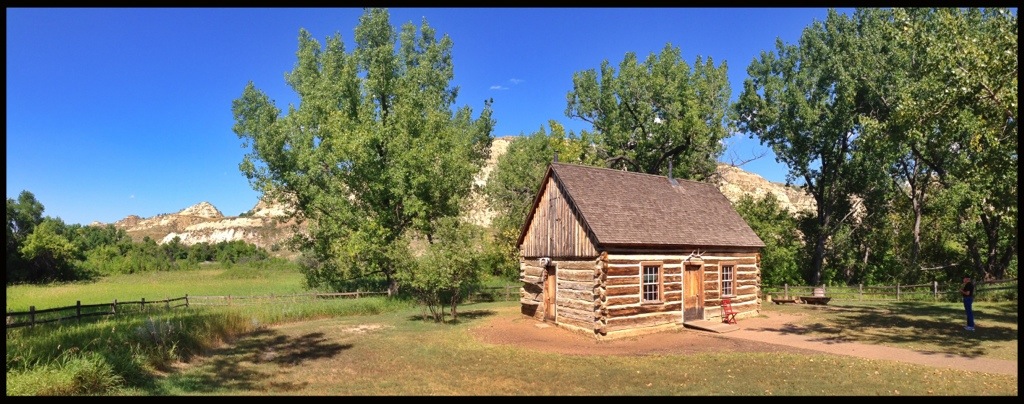
Theodore Roosevelt visited the North Dakota badlands in 1883 and began a cattle ranch called the Maltese Cross with two other men, about seven miles south of Medora. He soon moved to another site, called the Elkhorn Ranch, about 35 miles north of town. His active ranching career was over by 1887, and he sold all his remaining cattle interests in 1898.

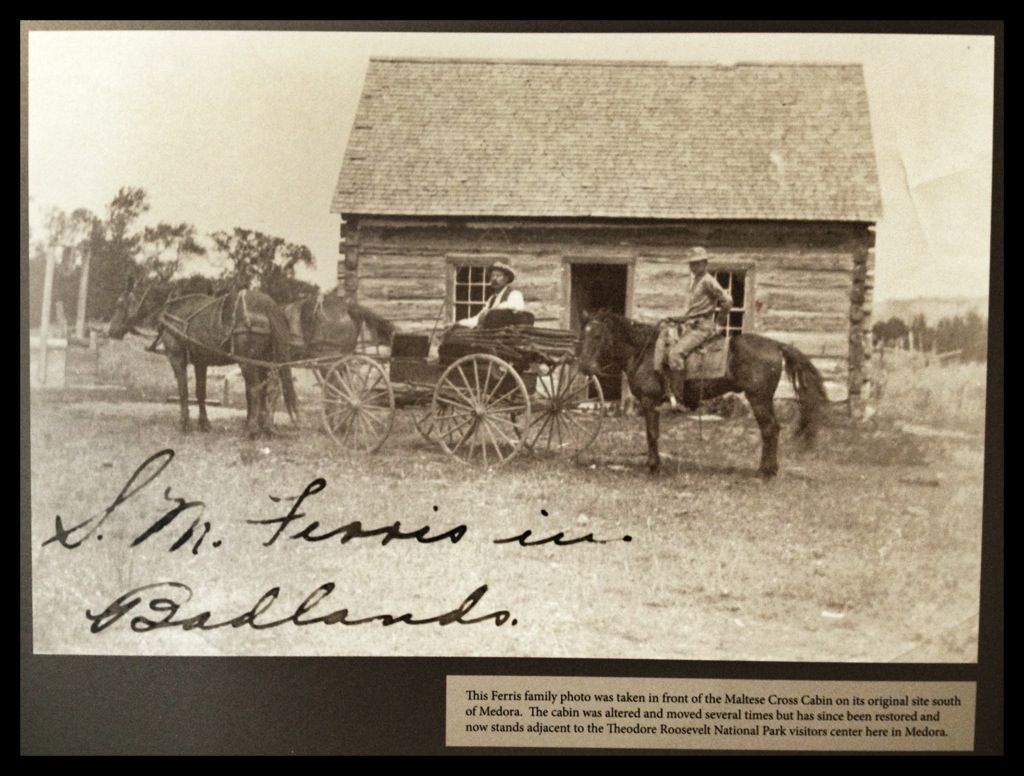
When Roosevelt became president, the cabin was taken apart and shipped to St. Louis for the World’s Fair. It then went to Oregon, and spent 50 years in Fargo before being brought back to the badlands and reconstructed behind the National Park visitor center in Medora.

We toured the tiny three-room cabin with about 30 fellow tourists and the world’s most annoying ranger tour guide. He started every sentence with “Well …,” moved around like a mime and talked to all of us as though we were five.

20130913-204550.jpg

20130913-204425.jpg

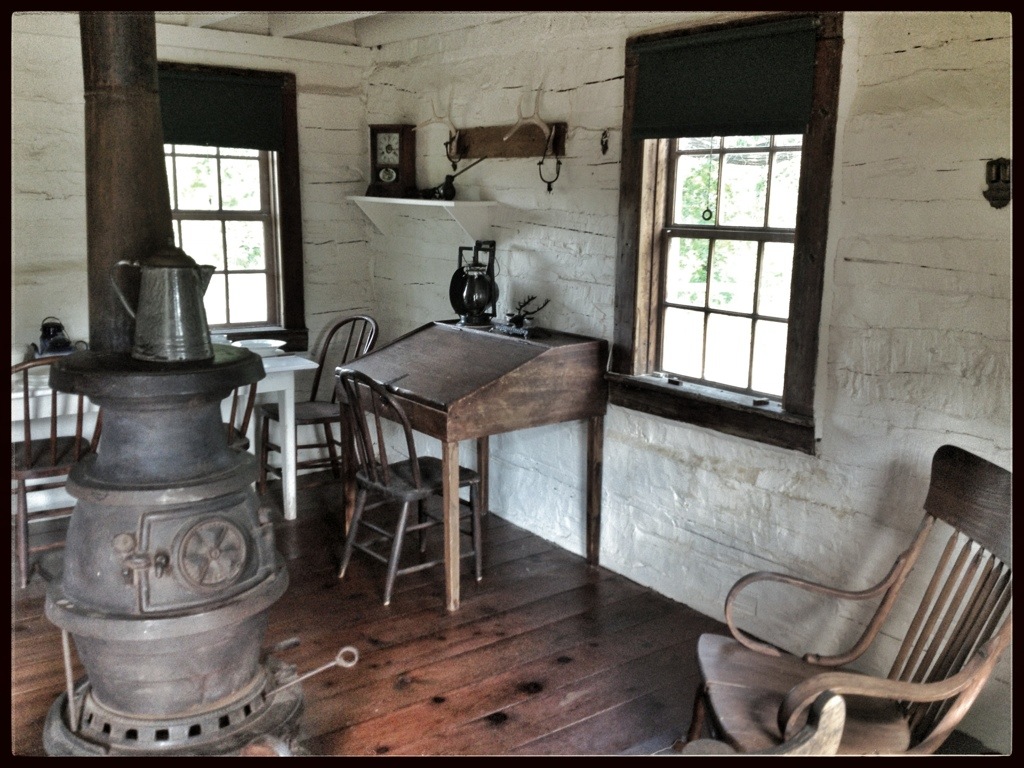
The desk and rocking chair in the main room are thought to have been Roosevelt’s. It was in this room that he wrote Hunting Trips of a Ranchman.

20130913-204446.jpg

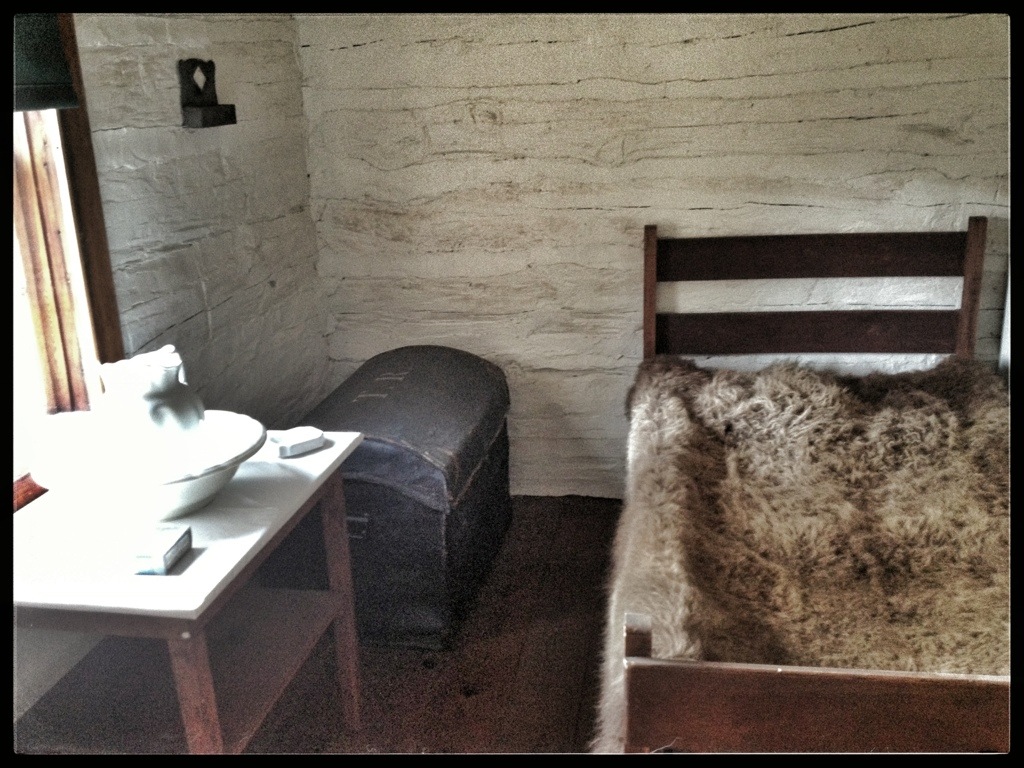
The trunk in the bedroom also belonged to Teddy.

20130913-204436.jpg

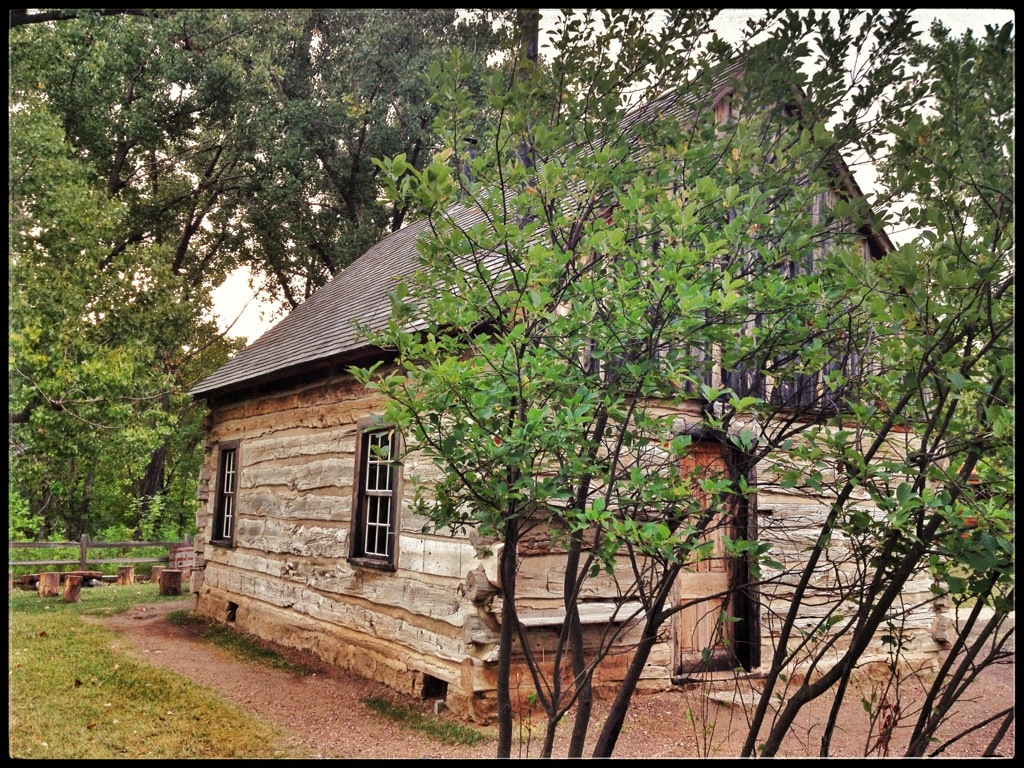
The Maltese Cross brand can be seen on the end of the one of the outside logs.

20130913-204458.jpg

I wandered by again the next morning and took a few more photos.

20130913-204351.jpg

20130913-204400.jpg

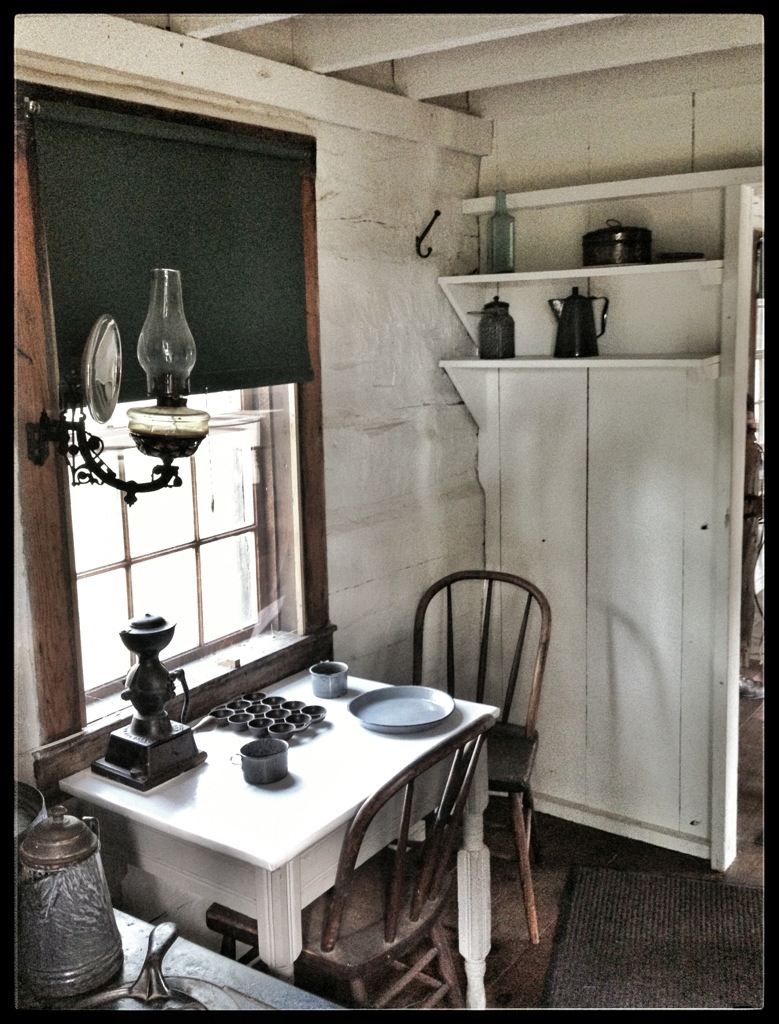
And I took this photo in one of the in-town museums.

20130913-204341.jpg

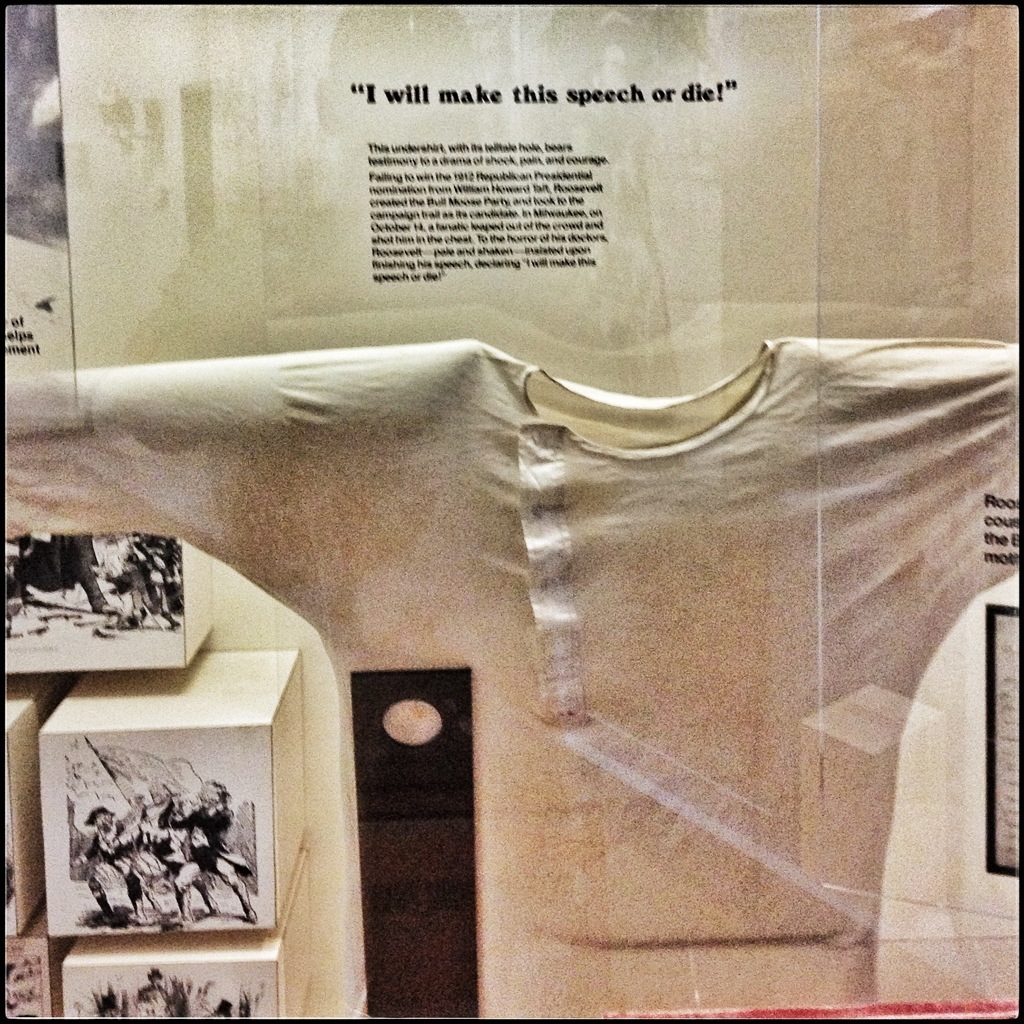
The visitor center display had the shirt Roosevelt was wearing when he was shot in Milwaukee.

20130913-204411.jpg

Posted in North Dakota | Comments Off on Maltese Cross Cabin

Animal #64 — Feral Horse

equus caballus

Friday, August 30

Along I-94 in Theodore Roosevelt National Park, North Dakota

We were headed to Medora, and had just entered the boundaries of the national park when I spotted a couple horses in the prairie along the Interstate. One was dark gray, with a long, black mane. Something about the way it looked made me think it was wild, and when I asked the ranger at the visitor center, she confirmed it. She said that optimum herd size is around 90 but that there were currently approximately 200 in the park.

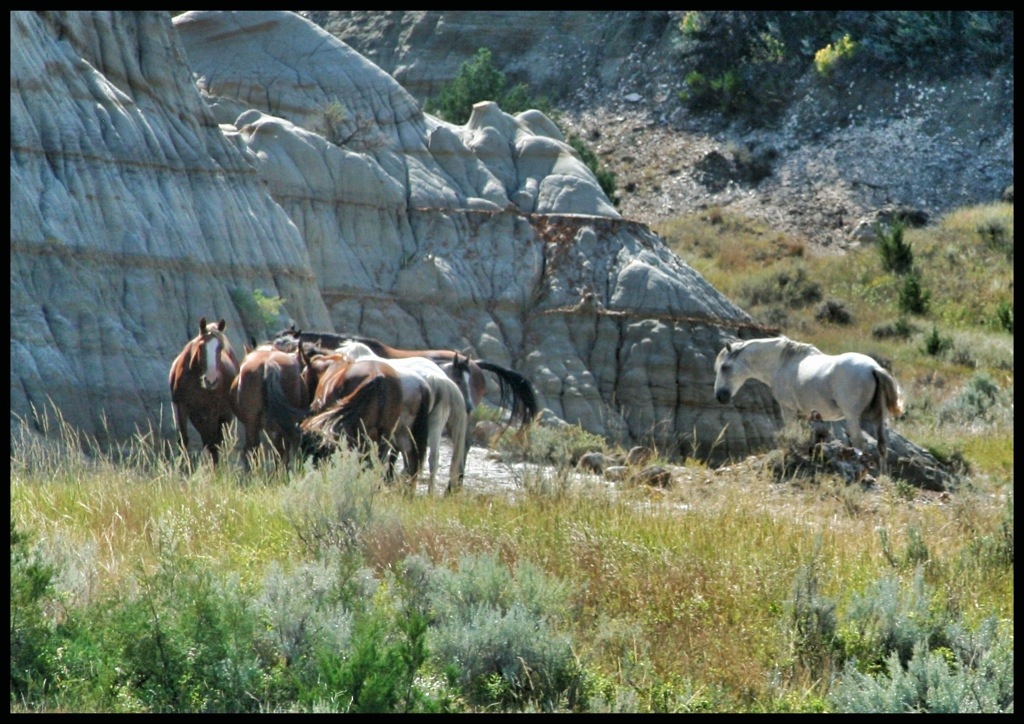
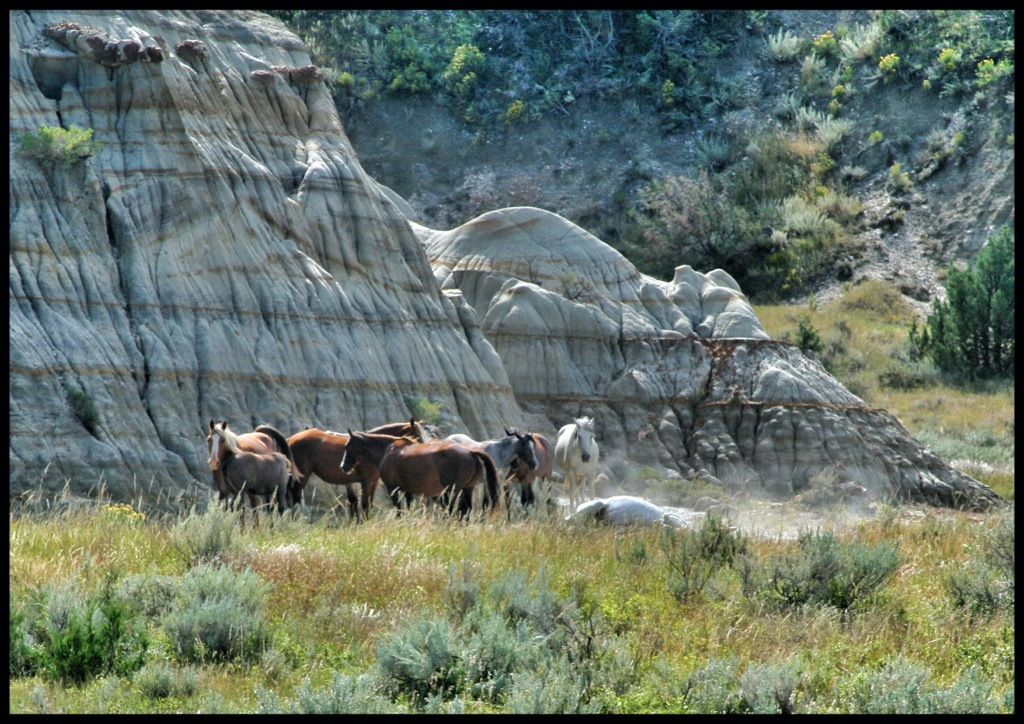
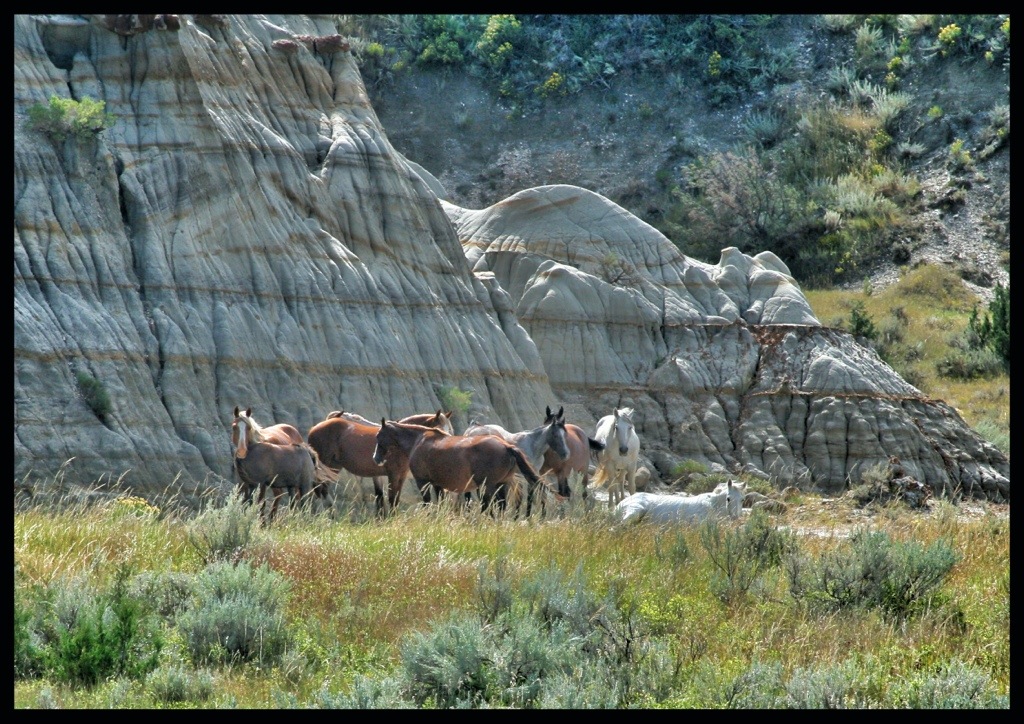
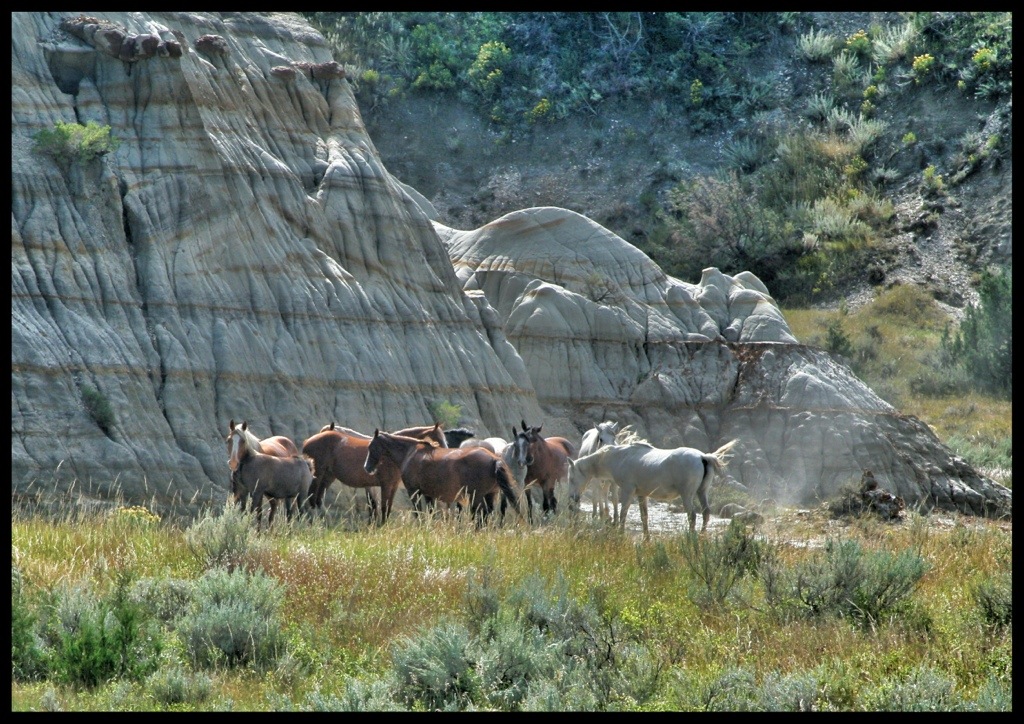
We saw a herd the next day while on the Scenic Loop Drive. The mares were all crowded together while the stallion stood off a little bit to the side. When a family walked out into the field a short distance for a better look, the stallion walked closer to the mares.

20130913-203413.jpg

20130913-203433.jpg

20130913-203443.jpg

20130913-203451.jpg

osipad-dump-461-1024x1024

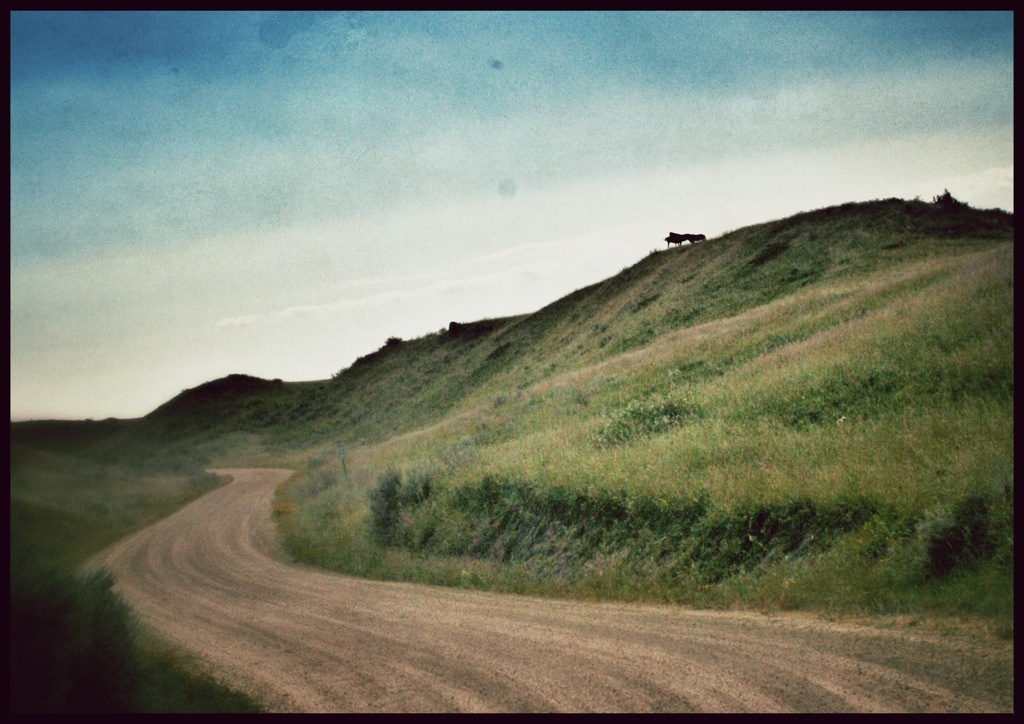
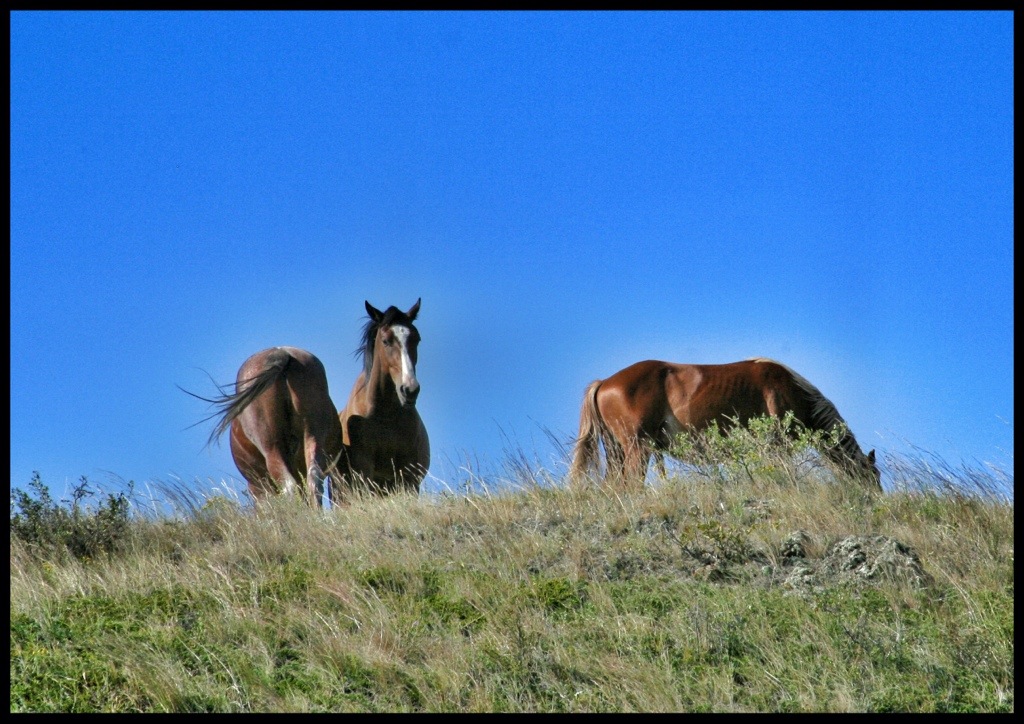
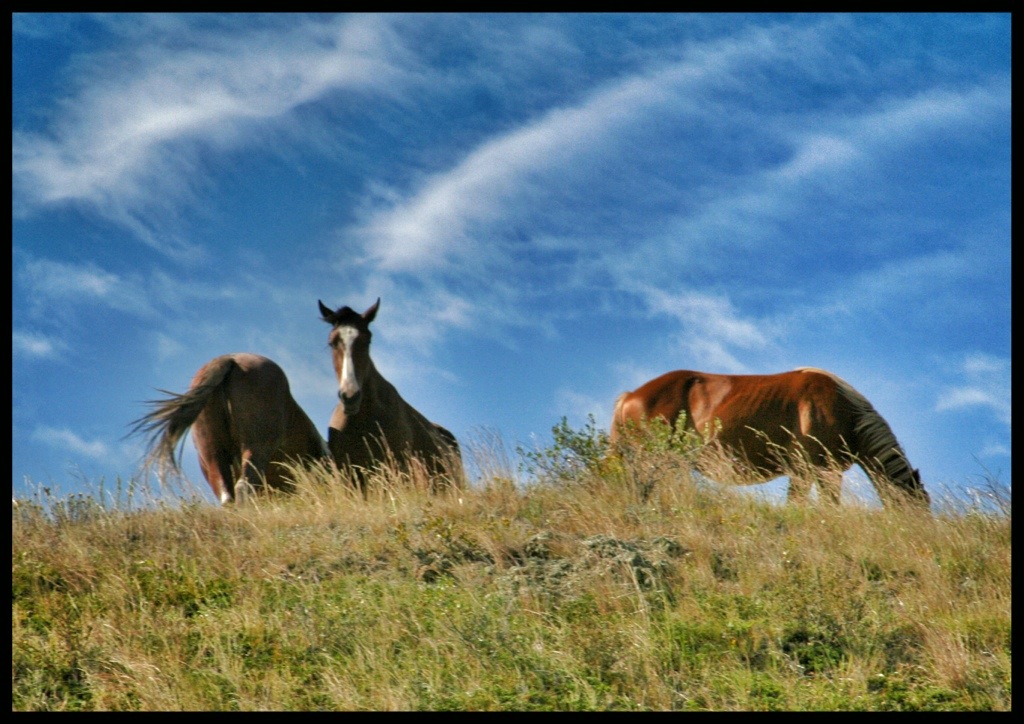
A short time later, on the drive to the Coal Vein Trail, we saw three more standing on a hill.

20130913-203503.jpg

20130913-203512.jpg

20130913-203520.jpg

I’m no expert on horses, but I read somewhere that the wild horses in the park had larger heads than most domestic horses and are thought to be descendants of horses that have been wild for a couple hundred years. When we saw the three on the hill, our friends, who own three horses, said these did have larger heads.

Posted in Wildlife | Comments Off on Animal #64 — Feral Horse

Geese in Flight

From the brochure:

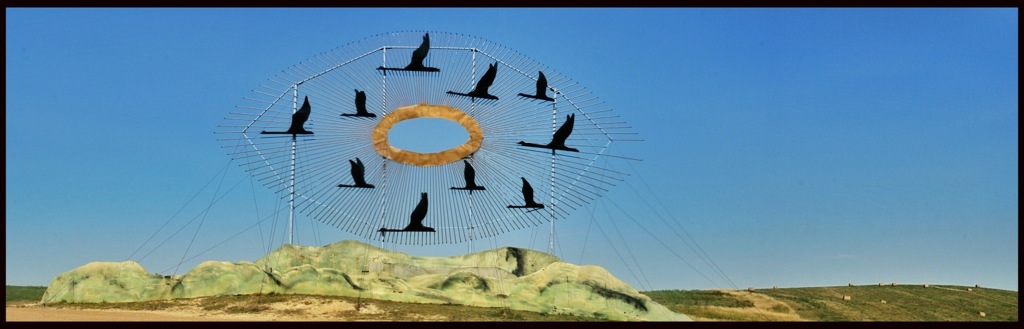
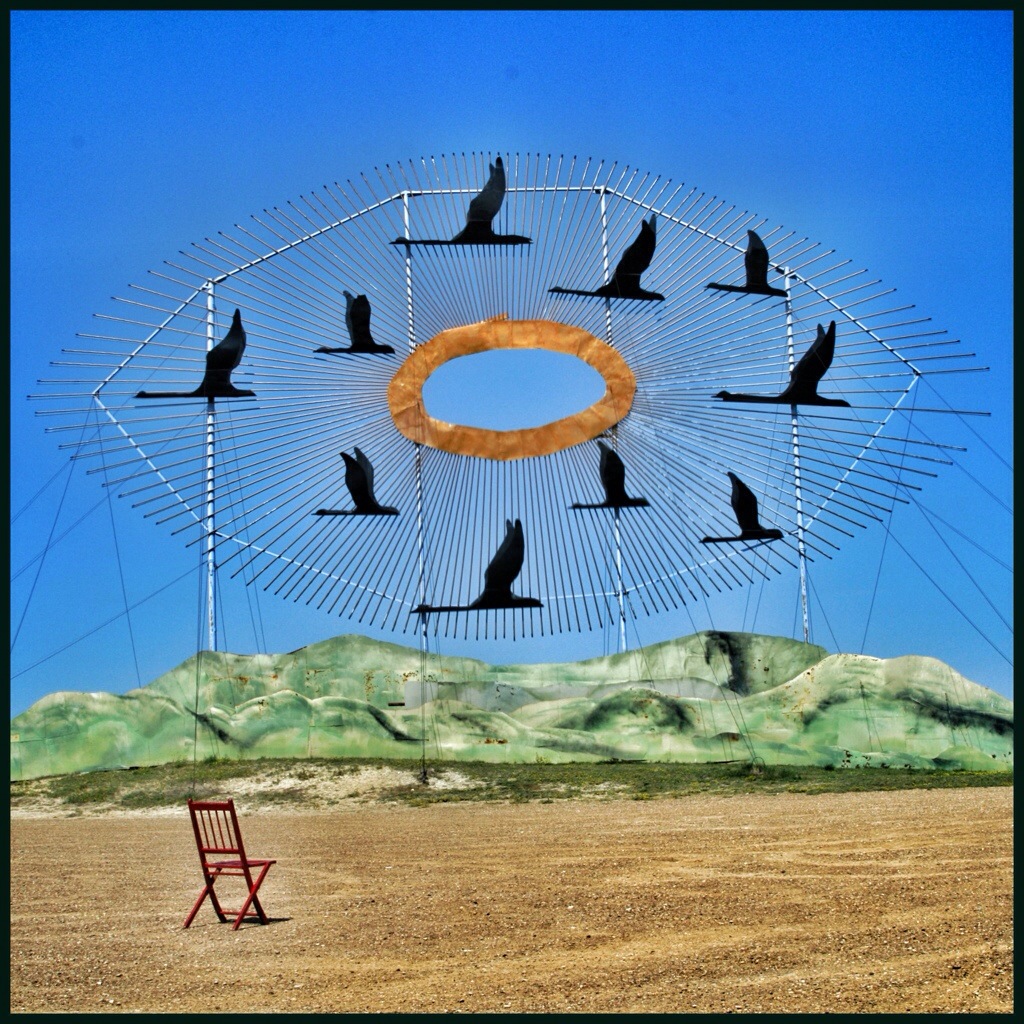
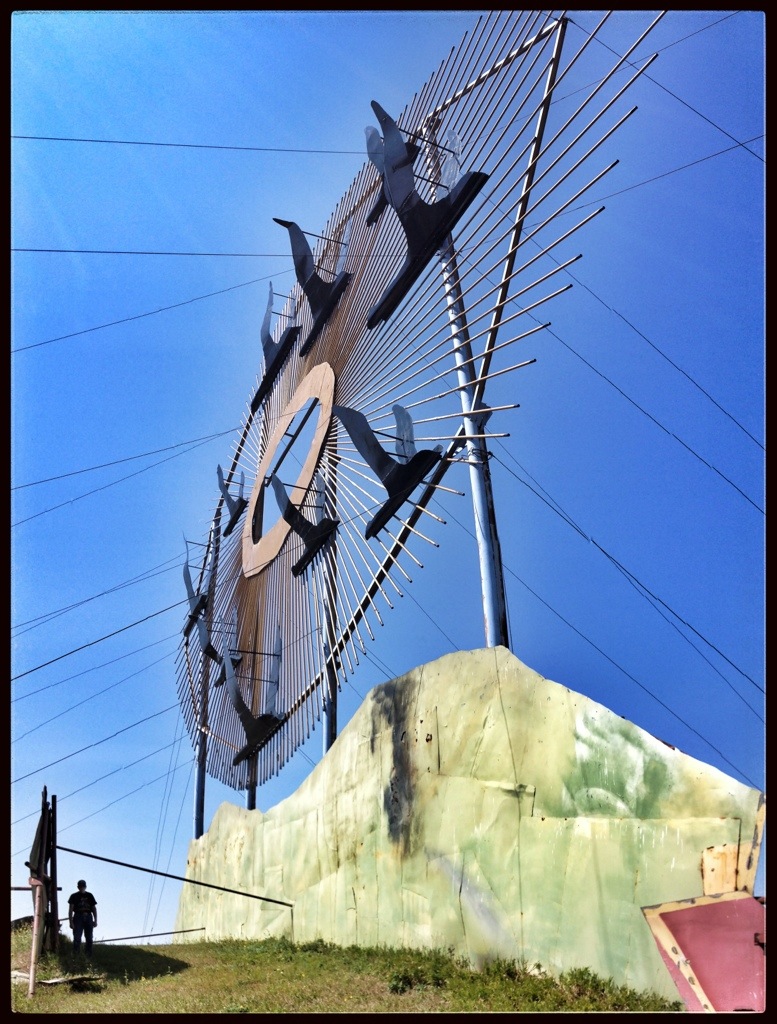
The Geese in Flight sculpture was raised in June, 2001 and is in the Guinness World Book of Records as the largest scrap metal sculpture in the world. It was built of used oil well pipe and oil tanks. It weighs over 75 ton. The sun ray is 156 feet long and 110 feet tall. The largest goose has a 30 foot wing span and is 19 feet long.

20130911-211525.jpg

i20130920-105916

20130911-211915.jpg

20130911-211831.jpg

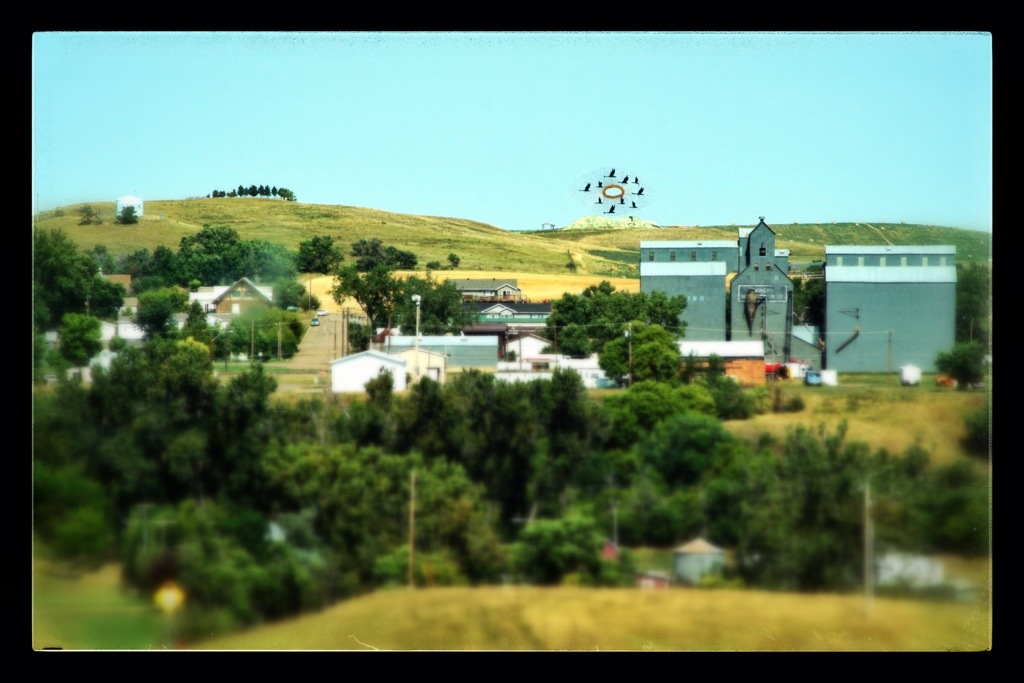
Here’s what it looks like from near the Deer Family statue, with the town of Gladstone and I-94 in between.

20130911-211430.jpg

Posted in North Dakota | Comments Off on Geese in Flight

The Deer Family

From the brochure:

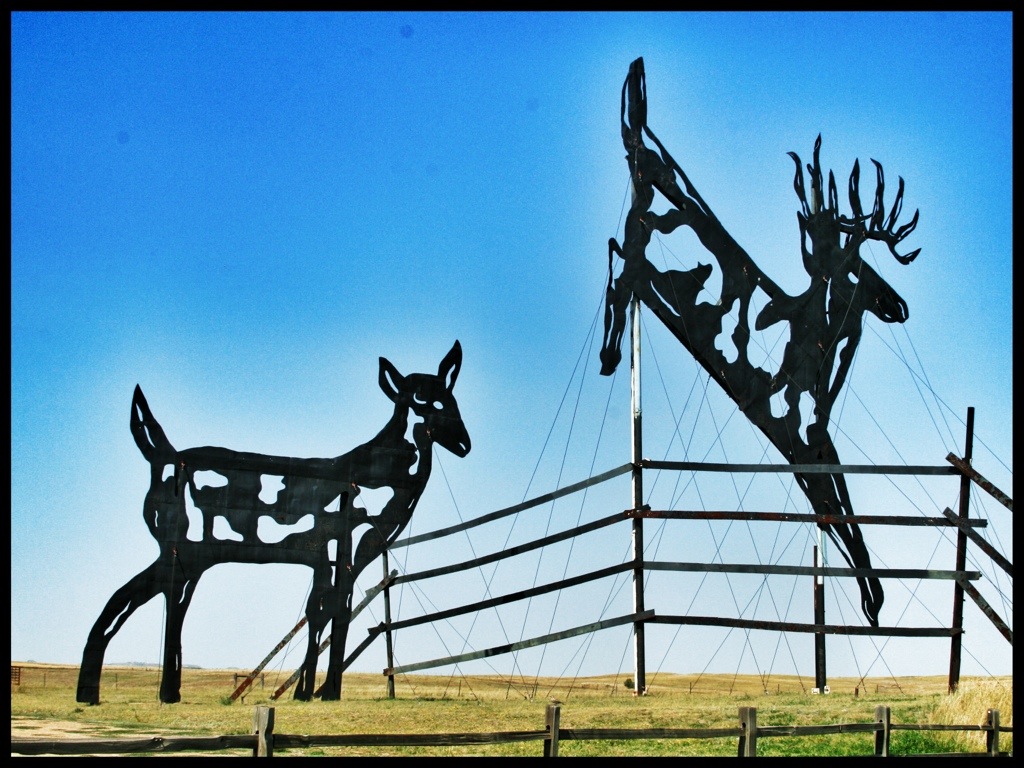
The Deer Family was completed in 2001 and erected in 2002. It was made from old oil well tanks cut apart and welded to form the shadow design. To fit through the streets of Regent, the buck’s front leg had to be cut off and re-welded onsite. The buck is 75 feet tall and 60 feet long. The doe is 50 feet tall by 50 feet long.

20130911-211538.jpg

i20130920-105727

20130911-211819.jpg

A Horned Lark watched us look at the deer. It stayed on the fence post as we pulled the car within about three feet.

20130911-211825.jpg

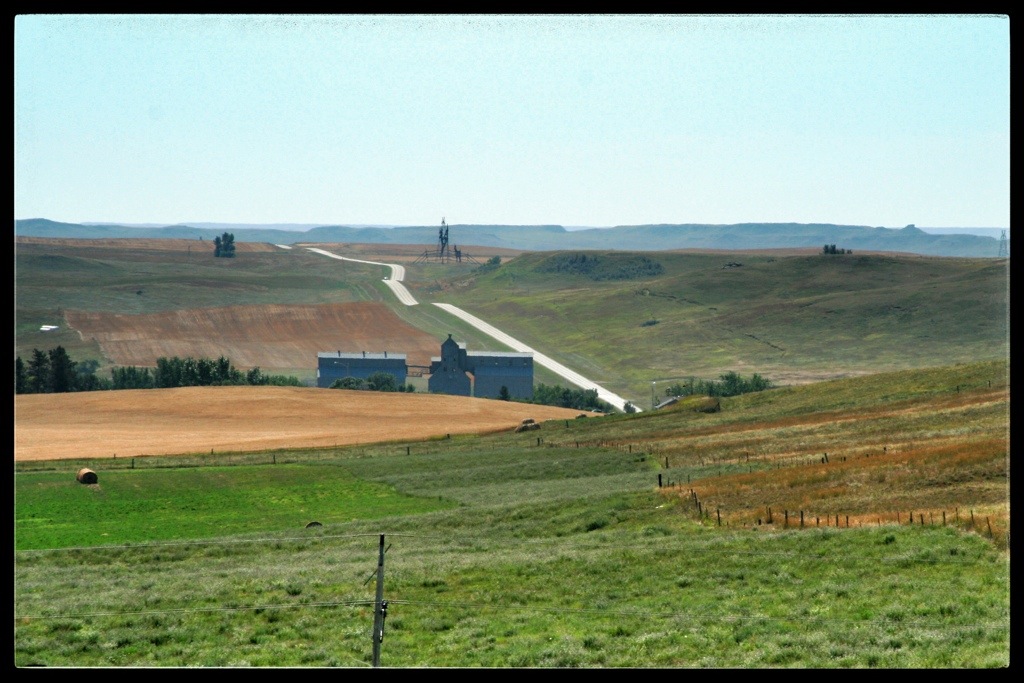
Here’s what the deer look like from a hill north of I-94. The grain elevator in the middle distance is in the town of Gladstone.

20130911-211457.jpg

Posted in North Dakota | Comments Off on The Deer Family