
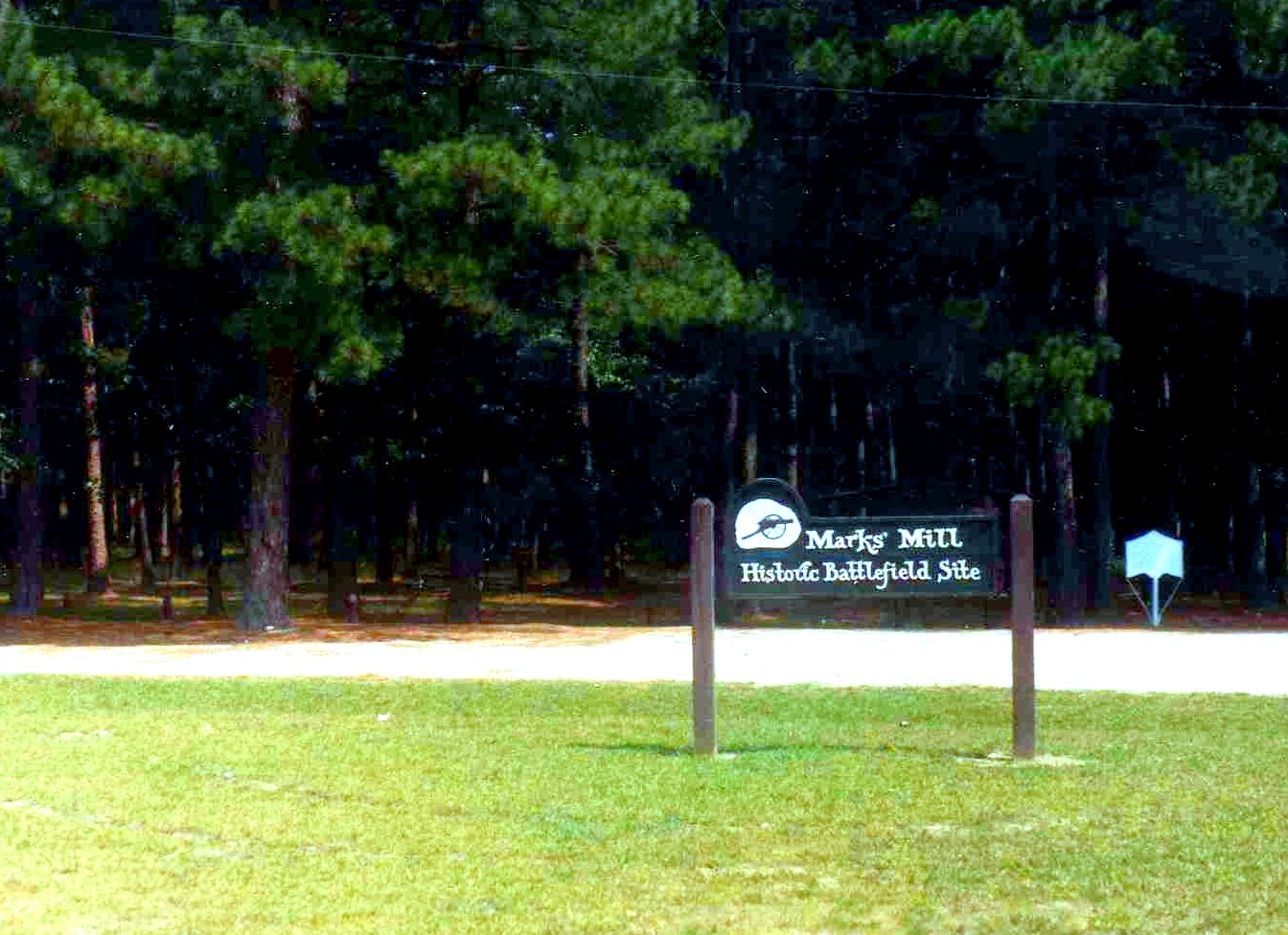
On a drive through Arkansas, I passed Marks’ Mill battlefield. I’m not sure what I expected, but what I got was this sign …
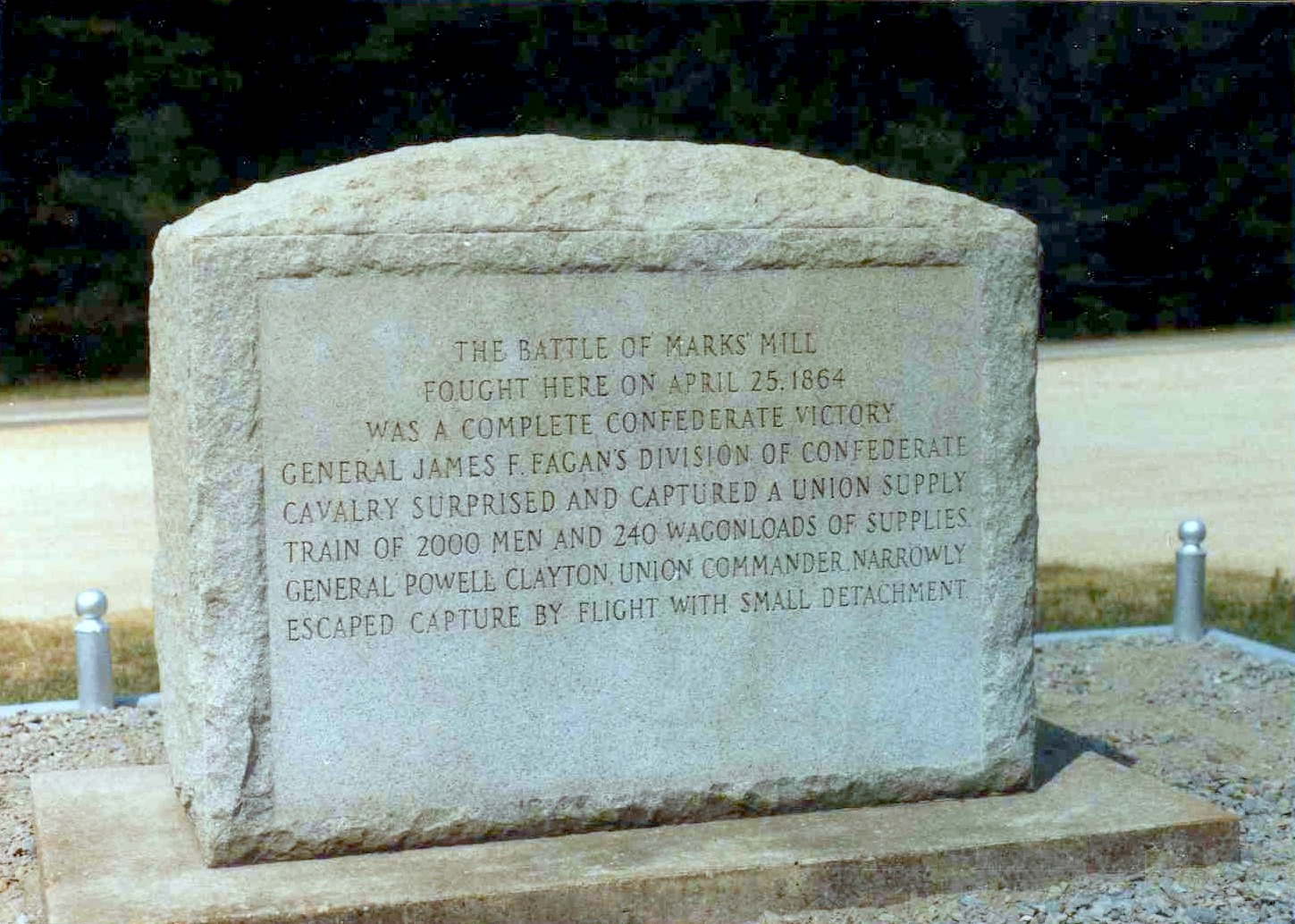
this monument …
and a picnic area. I stayed long enough to take these photos and then continued on my way.
On a drive through Arkansas, I passed Marks’ Mill battlefield. I’m not sure what I expected, but what I got was this sign …
this monument …
and a picnic area. I stayed long enough to take these photos and then continued on my way.
sitta (nuthatch) pusilla (very small)
Thursday, June 23, 1988 — 7:40 am
Crossett, Arkansas — Felsenthal National Wildlife Refuge
Ruth and Bob, refuge biologists, had shown me the Red-cockaded Woodpeckers by appointment. As we were watching them, Bob mentioned the calls of Brown-headed Nuthatches in the pines about 40 feet away. When the biologists left, I went looking for the nuthatches. I walked around the area for a half hour or so before I finally got a good, close look. They were very near the tree where I had seen the woodpeckers.
The Brown-headed Nuthatches usually stayed 30 feet or more up in the pines, foraging on the trunk and branches in typical nuthatch fashion. One flew down into a short pine for about 30 seconds, then flew back up.
picoides (from picus, a woodpecker, and eidos, appearance) borealis (northern)
Thursday, June 23, 1988 — 6:50 am
Crossett, Arkansas — Felsenthal National Wildlife Refuge
This was the most aggressive I had yet been in pursuit of a lifer. It had become evident to me that I was going to have to begin making special efforts if I wanted to see more birds. I wrote to the refuge and asked how and where I could see a Red-cockaded Woodpecker. I got back a very nice note from refuge personnel saying that they would be happy to show me the birds, and that I should call a day or two ahead of my visit to make arrangements. When I called, I was told the woodpeckers were most easily found early in the morning.
I had some trouble finding the refuge headquarters, but finally discovered it in a house trailer just at 6:30. Ruth, the biologist I had talked to on the phone, met me at the trailer and told me to follow her in my car. This wasn’t as easy as it sounded. She hopped into a pickup truck and took off. When we left the main road and headed south on the dirt roads through the refuge, she didn’t even slow down. We went at least 50 m.p.h. along the narrow tracks.
We stopped in a pine woods and walked about 40 yards to a tree with a white ring of paint around the trunk.
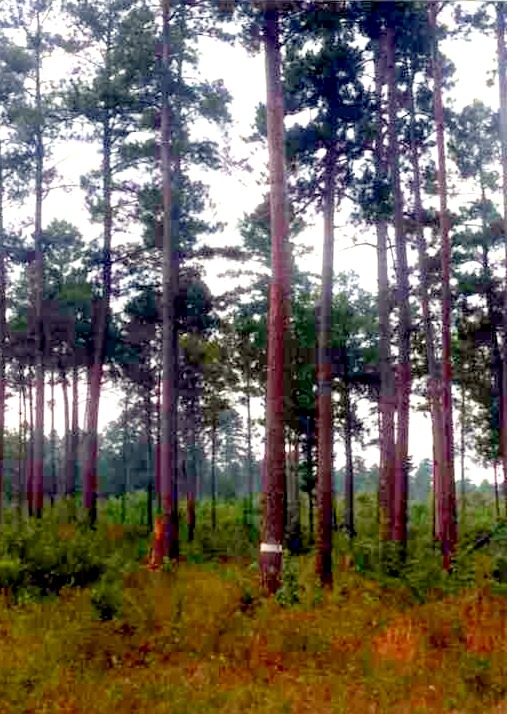
Ruth turned on a tape-recording of the woodpecker’s calls and immediately I heard responding calls from the woods. Three Red-cockaded Woodpeckers flew right toward us and landed in the pines 30 feet over our heads. They hammered on hollow branches and one of them knocked off a piece of wood that landed at my feet. I picked it up and kept it.

Ruth said the knocking was a threat display to get us to leave the area. It didn’t work. In fact, there were soon more of us. Bob, another biologist, stopped and wandered over. The three of us watched the birds as they moved through the pines toward the hardwoods along the river where, I was told, they would forage all day.
Both biologists were very friendly, telling me all about the refuge and where I could see various birds. They pointed out the calls of a Brown-Headed Nuthatch that was foraging in the same pine grove. I acted calm and didn’t tell them this was another lifer for me. I thanked them for their help, and when they left, I went looking for the nuthatches.

It was sunny, hot and humid, but I was prepared. I had my hat and sunglasses, my binoculars and camera, a park map, and a thermos of Kool-Aid. One of my first stops was the Shirley House, which was there at the time of the battle. It didn’t look at all old.
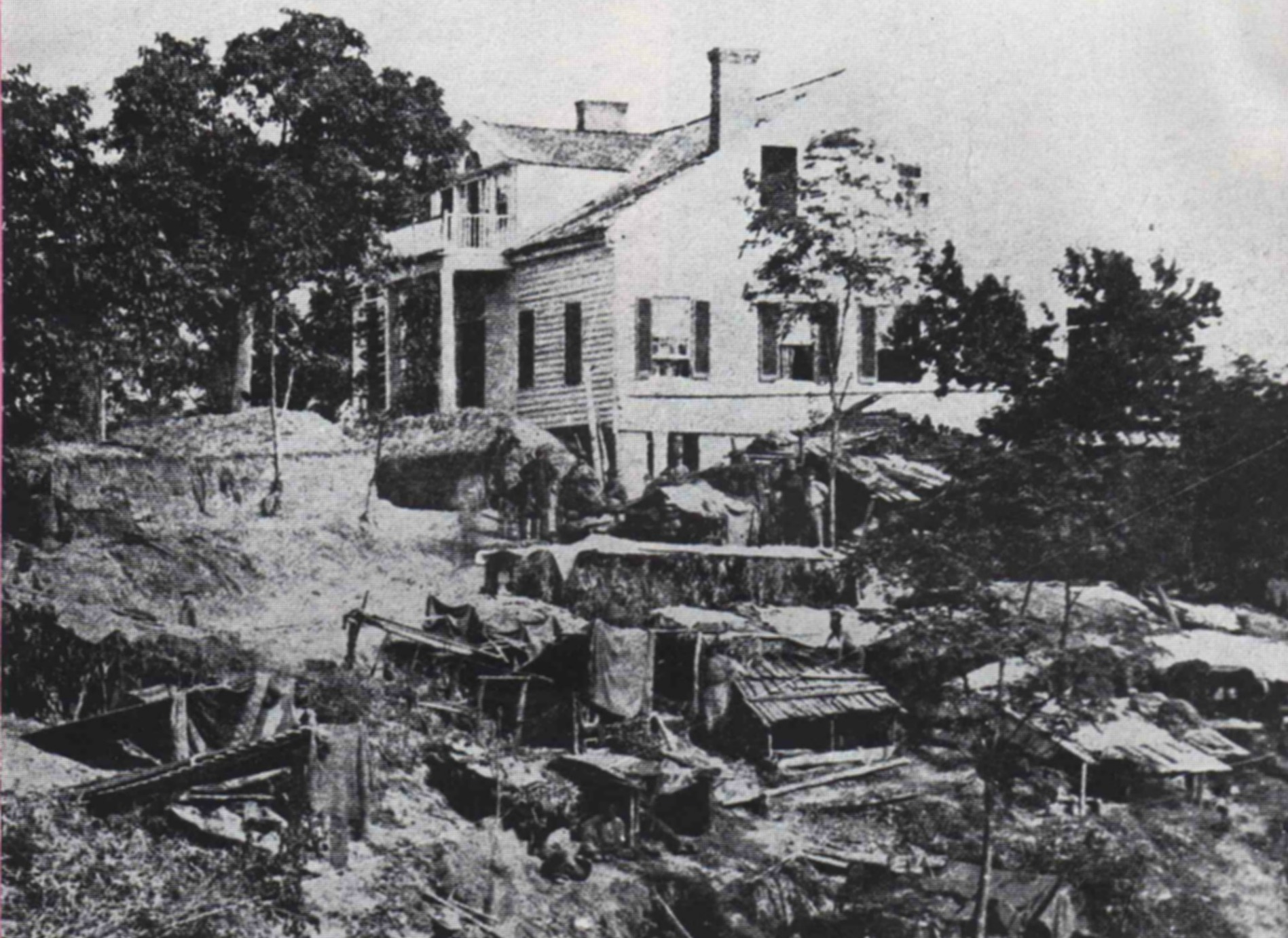
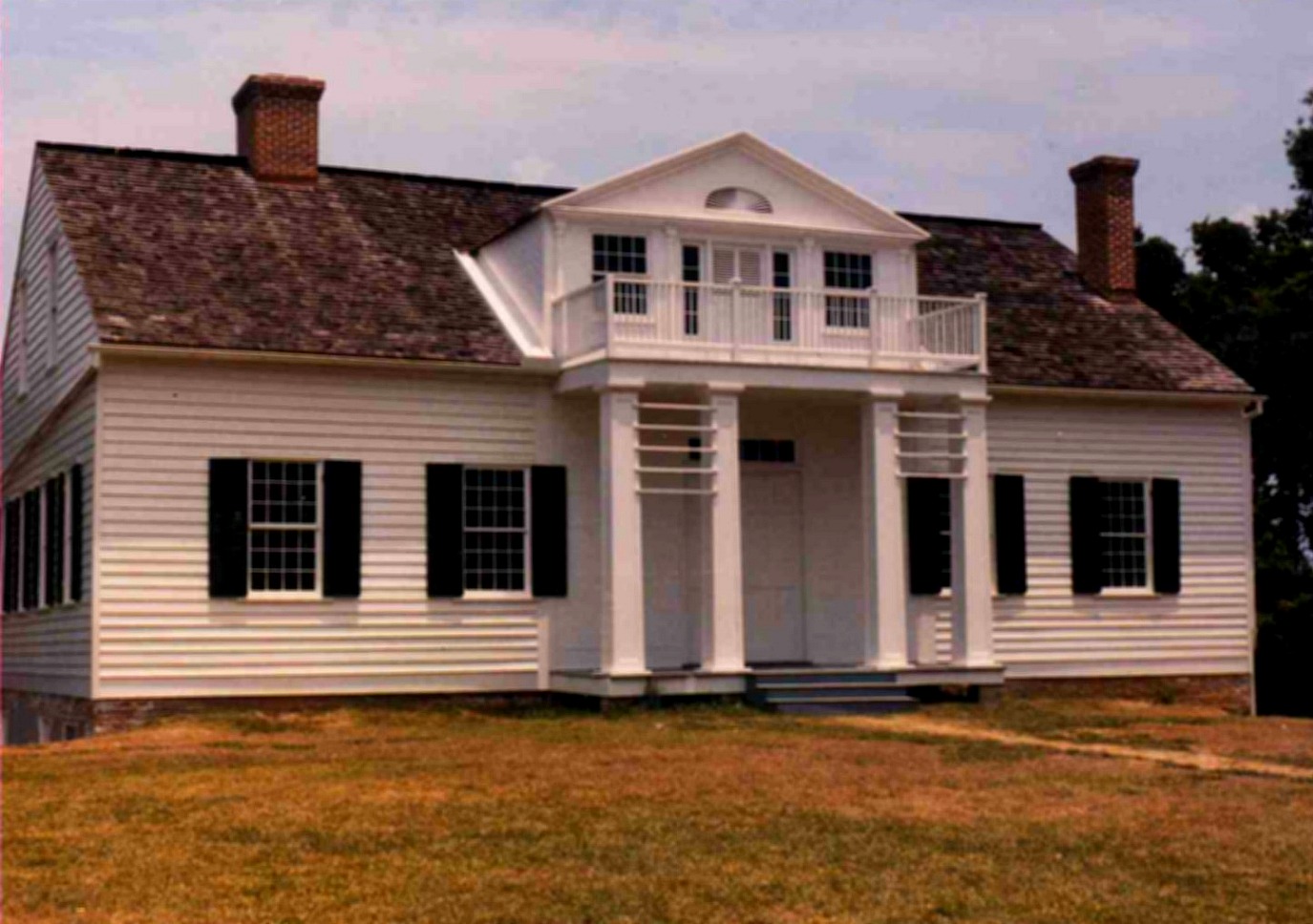
The next stop was the Old Jackson Road. As I was gathering my stuff and getting out of the car, a male Summer Tanager flew over. As I was watching it, my car was making an annoying noise. I shut the door to stop it and realized immediately what I had done. I stuck my arm out to stop the door, but my instincts took over and I pulled my arm away. My keys were locked in the car. I was three miles from the visitor center, and I didn’t fancy walking back and leaving my car, with the keys in the ignition, sitting there. The driver’s window was open about two and a half inches, but when I jammed my arm in as far as I could, I was still about eight inches short of the knob. A young couple wandered by and saw my plight. They tried to reach in but got no further than I could. Another couple drove up and they too gave it a try. Still no luck.
The guy then pulled out a tool box and handed me a pair of long-handled pliers. I reached in, holding one handle with my thumb and first finger while trying to manipulate the other handle with my little finger. I said, “If I drop these, your pliers will be locked in my car with my keys.” The guy replied, “That’s OK. I have a hammer too.” I was still a few inches short, so I jammed my arm into the crack with all my strength. I finally got hold of the knob and unlocked the door. But arm was pushed in so tight, I couldn’t get it out. I had to open the door and reach around with my other arm to roll down the window. The next day I had a bruise on my arm that was three inches across. (From that day until this, I can’t close a car door without checking three times to make sure I have my keys.) This all took place in that parking area in the this photograph.
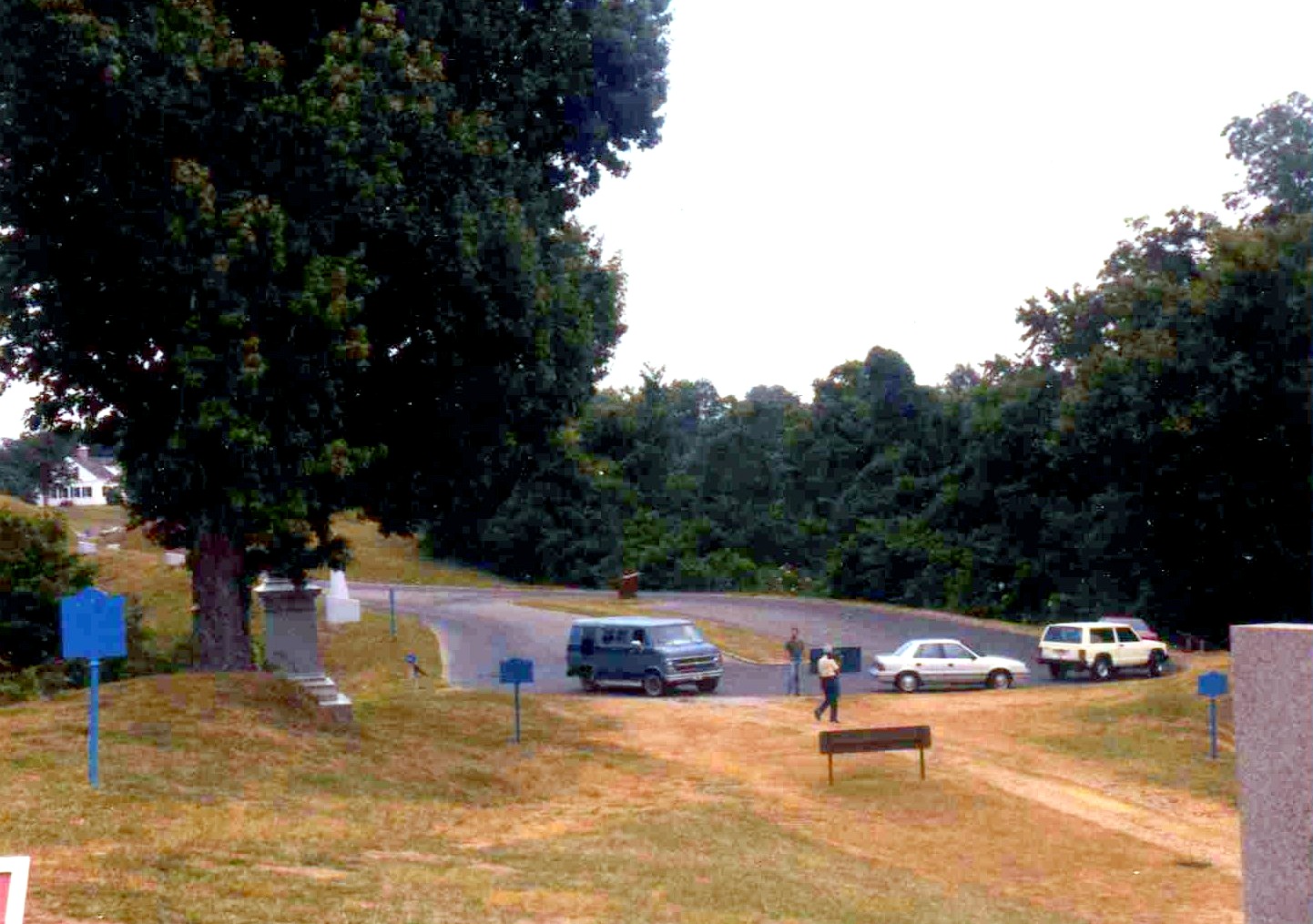
The Shirley House is visible in the back left.
This shot shows some of the trench works that are found all over the battlefield. I was amazed by how extensive they were.

I set up my camera on my tripod and knocked my hat off. It bumped my eye and knocked one of my contacts out. I threw up my hand and caught the lens in midair. The accident really shook me up coming as soon as it did after the last episode. I began wondering what would happen next. Then I realized that nothing had happened — I had my keys. I had my contact. I relaxed and made it through the rest of the tour without catastrophe.
This photograph was taken looking out of a tunnel dug by Union soldiers. Two attacks were made on the Confederate works at the top of this hill. You can get an idea of the terrain, but you can’t tell how deep the intervening ravine is — it was deep.

Vicksburg is the most interesting Civil War battlefield I’ve been to, and the most interesting part of Vicksburg is the ironclad, the USS Cairo.
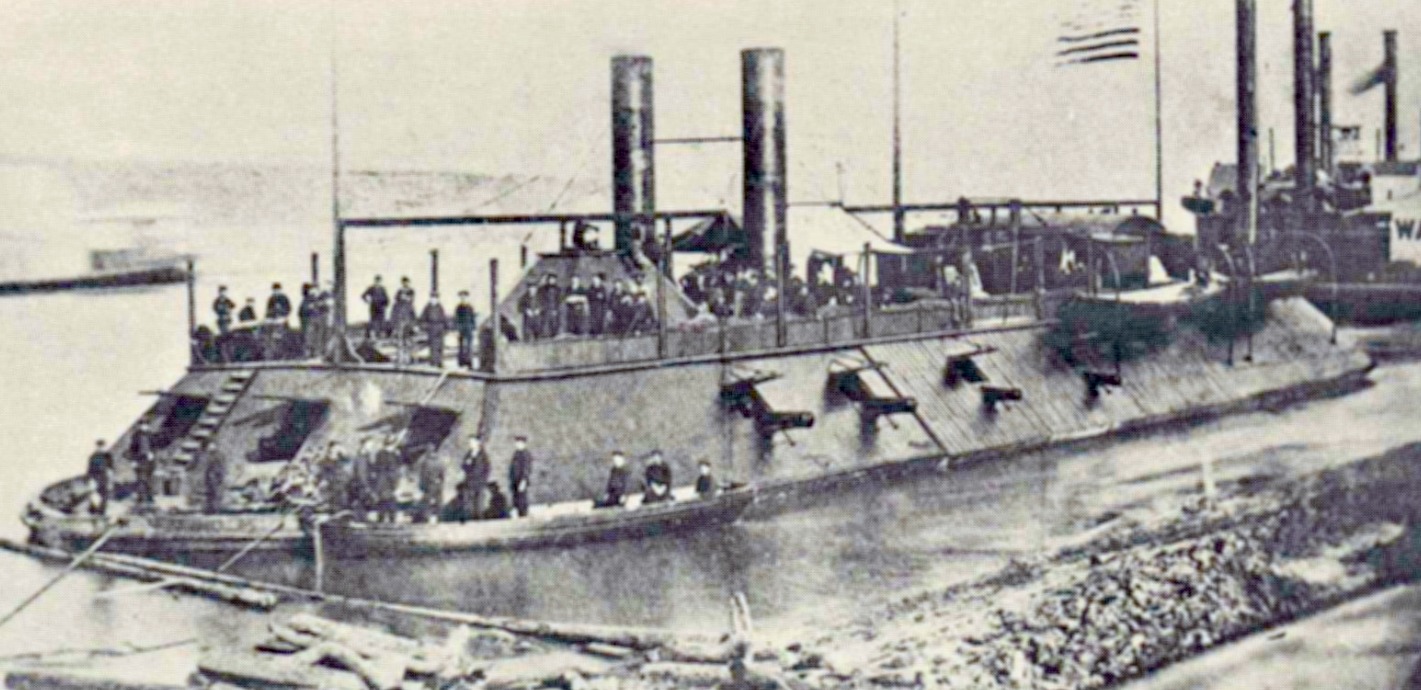
It sank in the Yazoo River maybe six miles north of the city in 1862 and was brought up in 1964. It has been partially restored and can be toured.
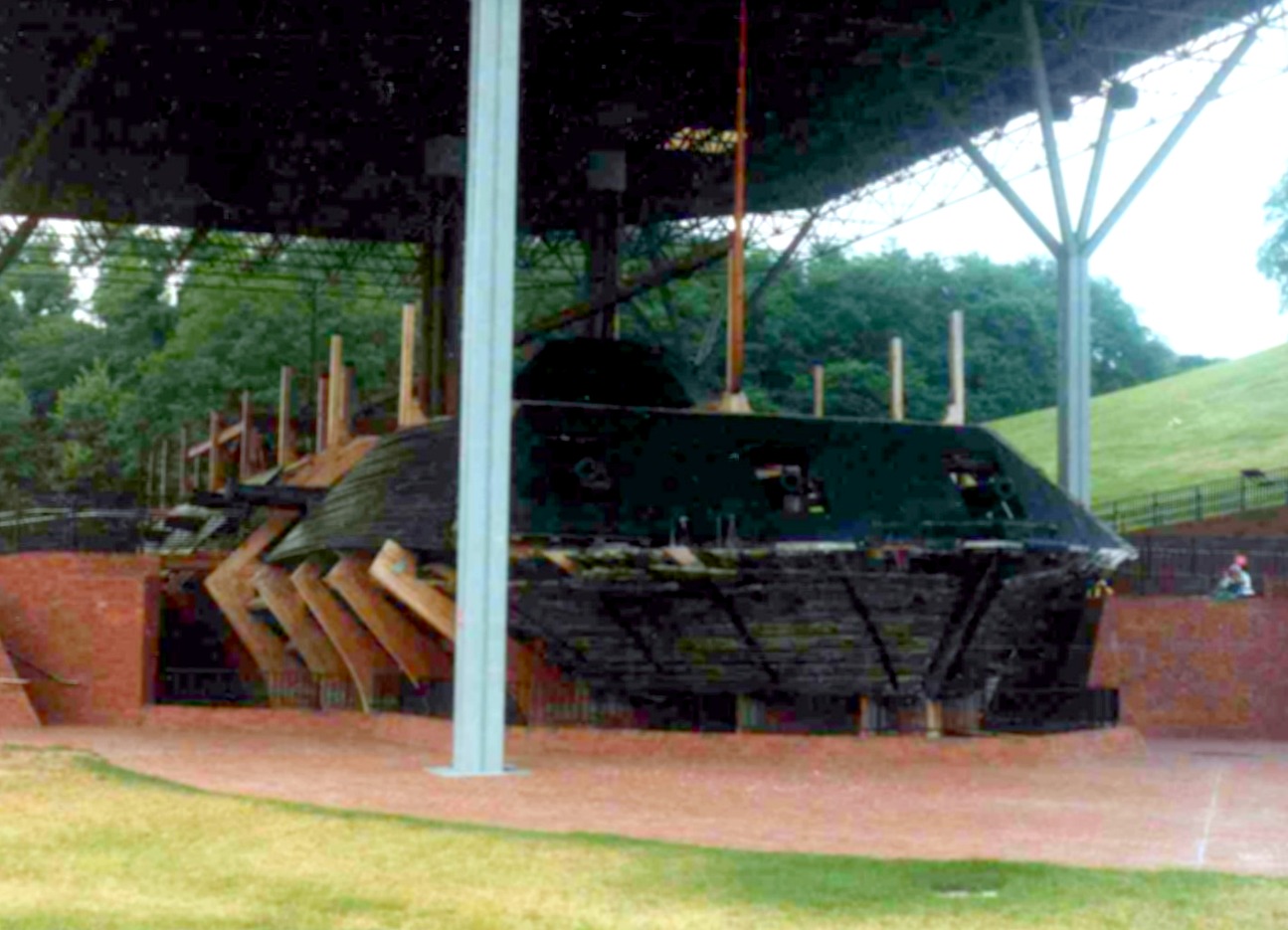

A nearby museum is filled with artifacts brought up with the ship. I spent an hour there and almost felt guilty about leaving. It was raining when I came out and it continued for the rest of the day, but it was so hot out that the rain was a relief.
This I had trouble believing. In this photo you can see the Union trenches approaching Confederate Fort Garrott. I was standing in the fort when I took the picture. Notice the zig-zag trench on the right.
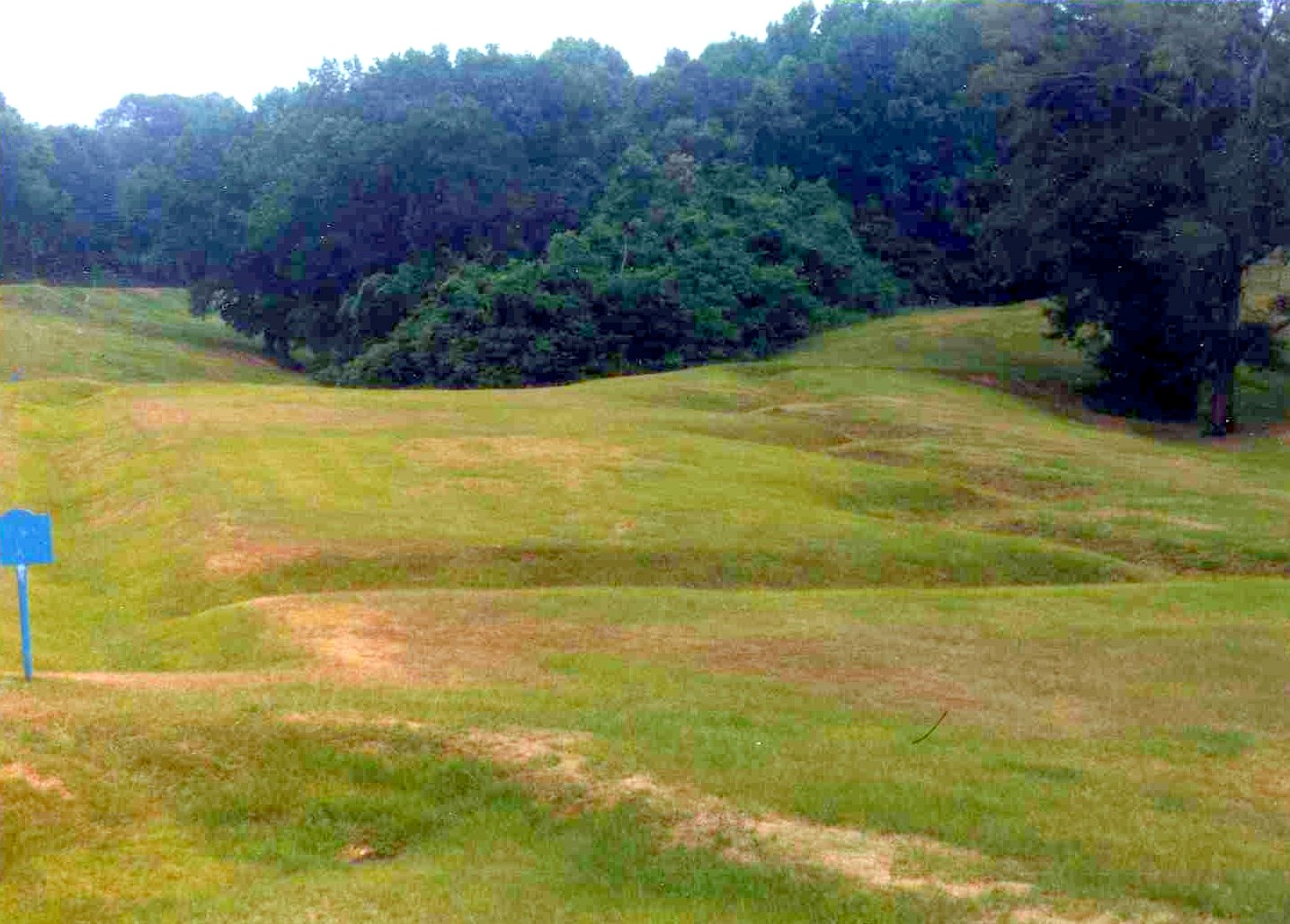
The same blue sign appears in both photographs. I took the next one from the head of the trench. I was amazed at how close the trenches came to the works. The Confederates could have flown paper airplanes into the Union trenches. But I don’t think they did. If they had, what would they have called them?

empidonax (from empis, mosquito, and anax, king) virescens (greenish)
Tuesday, June 21, 1988 — 9:30 am
Mayflower, Arkansas — Bell Slough Wildlife Management Area
Bell Slough is not my favorite place to bird, although I’ve seen some neat stuff here. On my previous trip, I saw two Cottonmouth carcasses with their heads blown off by shotguns. I figured where there were dead snakes, there were likely to be live ones. I was also wary of the weather. It was so hot and humid that I felt drained whenever I was outside for more than a minute.
I walked through a swampy woods, dry from the ongoing drought and into a power-line clearing. I heard a “wee-up” call behind me and upon turning saw an empidonax flycatcher hawking insects from perches 10 to 15 feet up in the trees at the edge of the woods. It was moving rapidly, flitting out after bugs and giving an occasional “peet” call. I heard the “wee-up” call two more times.