
There’s a lot about birds in this post, so if you’re not interested, you might want to skip it. But there’s also some stuff about wild pigs and Alligators …
Aransas is the Mecca for birders, primarily because it’s the wintering home of the last remaining wild flock of Whooping Cranes. The population of this bird was down to 15 in 1941, but it’s been slowly increasing and now numbers 266. (There are additional flocks in Florida and Wisconsin, but they aren’t self-sustaining yet and can’t be officially counted.) I’ve long dreamed of getting to Aransas, for the cranes, but also because there are several other would-be lifers on the refuge bird list. In addition, I’ve seen pictures o f herds of Javelinas (also known as Peccaries) wandering along the roads. I knew the cranes were a long-shot at this time of year — my visit was a few weeks too early.
We finally arrived around 11:00. We stopped in the visitor center and chatted with a very friendly woman behind the counter. She said the Whooping Cranes hadn’t arrived yet, but had been reported in Nebraska on their way down from their breeding grounds in Canada. A cold front was coming, and she said the cranes might show up at any time. She gave us a refuge map and pointed out the places where we had the best chance to see birds. But, she said, it had been a very dry fall and a lot of the fresh water ponds had dried up.
The entire refuge sits on the coastal flats. We read somewhere that the highpoint is seven 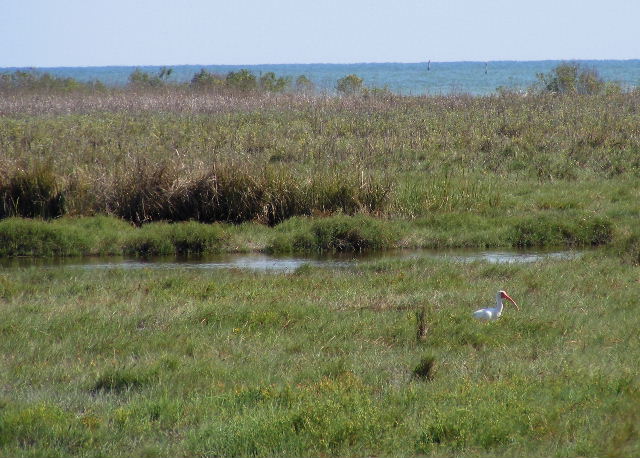 feet above sea level. It’s covered entirely by marsh and scrub. The brochure says:
- Alligators and poisonous snakes are present; watch your step.
- Stay on trails. Otherwise, you may encounter ticks, bees, chiggers and poison ivy. We recommend insect repellent.
Lovely place. That’s why nobody lives there, but it’s also why a lot of birds do.
The first bird we saw when we walked out of the building was a Vermilion Flycatcher. We set out on the refuge road and stopped at Heron Flats, right along the Gulf Coast. Several people were there ahead of us, and they pointed out a large, black wild pig that was walking through the grass. We saw herons, ibises and egrets, most of them quite a distance away. Hold your cursor over the photos for more exciting info.
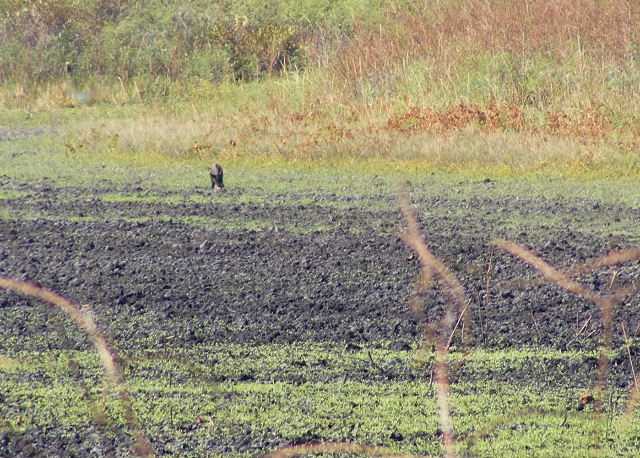
Our next stop was Jones Lake. This was the only bit of fresh water that remained after the stretch of dry weather. The lady at the visitor center told us we were likely to see the most wildlife here. She wasn’t kidding. There was only a tiny bit of water left at one end of a long stretch of mud. A wild pig rooted in the mud at the far end, but our attention was on the water. There were at least 30 Alligators crowded in and around the small pool. Don’t forget to count the ones that just have their eyes and nose poking above the surface.

While we were watching the Alligators and looking at the birds, a woman joined us on the viewing platform. She works as a volunteer guide to the refuge during the crane-viewing season. She was amazed by what she saw — she’d never seen a congregation of Alligators even remotely this large. One of them caught a fish about three feet long and struggled to get it positioned right for swallowing. It made me think how stressful life mush be for whatever fish remained. We were amazed that the birds were swimming and wading right next to the Alligators without paying them any attention.
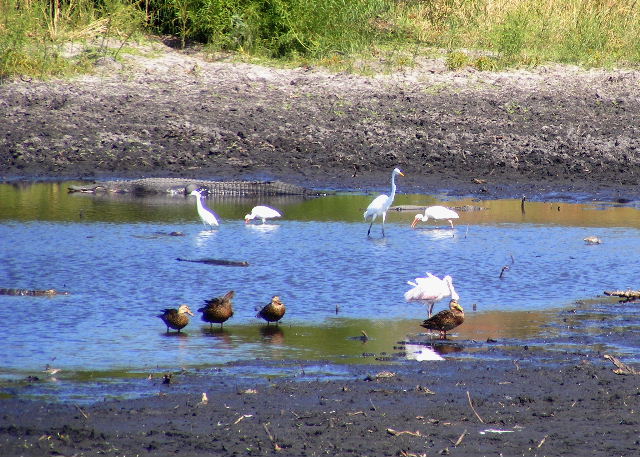 The plump, pinkish wading bird near the right-hand side of the panorama is a Roseate Spoonbill. You can see it in the video and even better in the photo. It was early afternoon on a hot, glaring day, and the light was awful for photography.
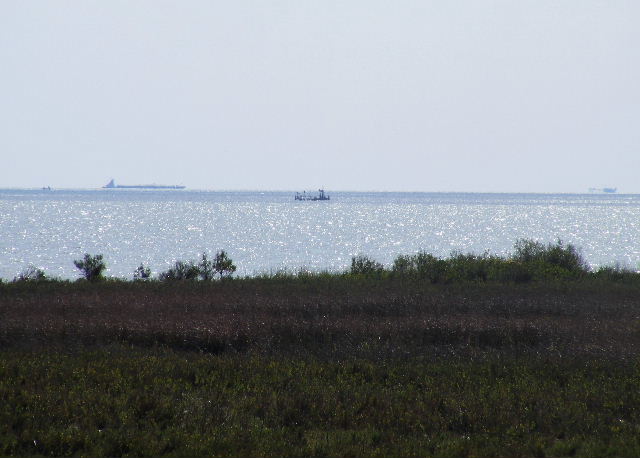
We drove to the observation tower overlooking Mustang Lake, the place where Whooping Cranes are most often seen. I scanned back and forth over the extensive flats, but saw little of interest. We walked along the boardwalk to the shore of the bay, where I took these photos:
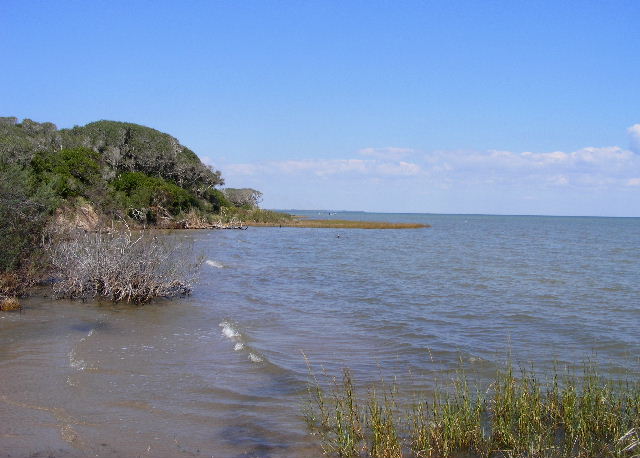
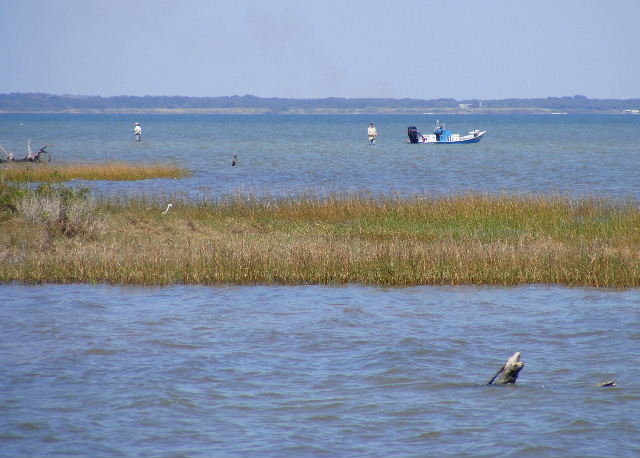
By now, I realized Aransas wasn’t going to be as exciting as I’d always anticipated. Out of desperation, I decided to drive the 13-mile loop trail, but all we saw was dry scrub, dry scrub and more dry scrub. Thirteen miles of dry scrub. We stopped back at the visitor center to buy something cold to drink. I found a Ladder-backed Woodpecker in the parking lot.
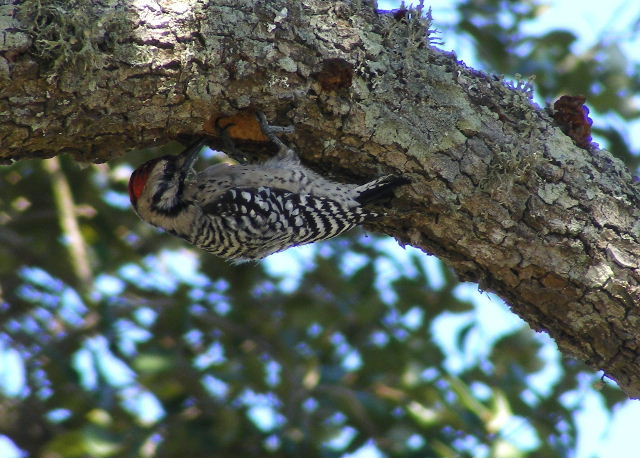
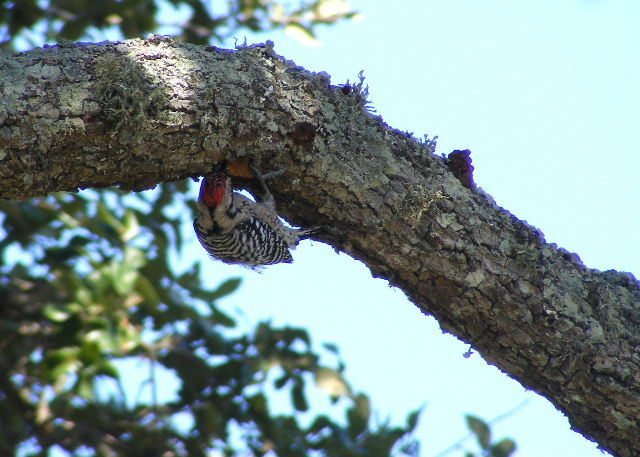
The lady behind the counter asked how we’d done. When I expressed my disappointment that I’d missed several birds I had hope to see, she recommended I try a short trail that started just up the road from the visitor center. My sister decided to find a cool spot in the shade and wait. I promised I wouldn’t be long. Mere seconds after I started on the trail, I was way, way outside my comfort zone. A low, narrow boardwalk cut through a patch of high reeds. Frogs were jumping all over the place, American Coots and Common Moorhens were flapping through the marsh and this guy, all four feet of him, was floating in the water about 10 feet away.
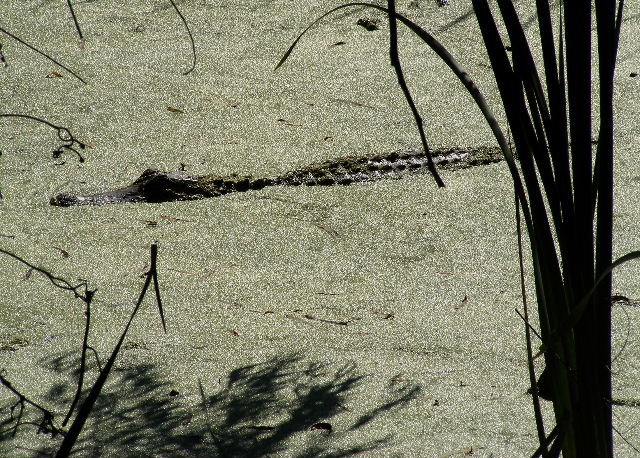
Moments after I passed him, something huge went crashing through the reeds making all sorts of noise. I have no idea what that was. In addition, it seemed like prime habitat for Cottonmouths — which were listed on a nearby sign as one species of wildlife “likely to be seen.”
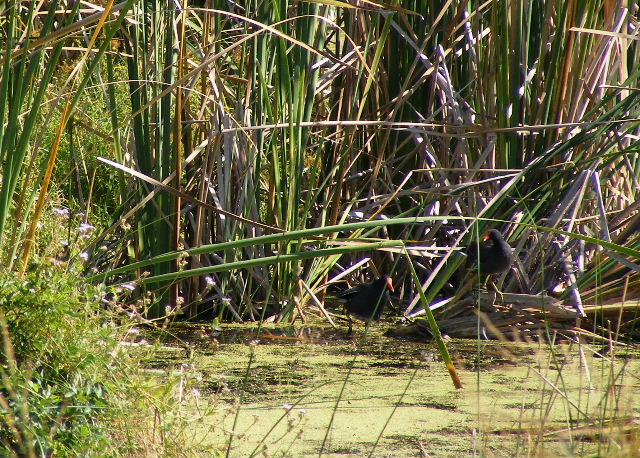
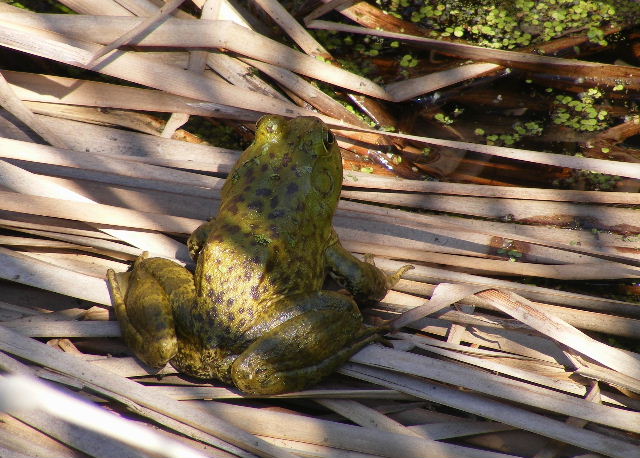
I felt a little more comfortable when the boardwalk ended and I was walking along a mown grass trail. An American Bittern flew out of the reeds. A couple deer ran along the trail in front of me. But I wasn’t seeing anything new. And then I noticed where I was. Right across from the visitor center is an Alligator Viewing Area. A six-foot high fence stretches next to the trail and a large sign reads “Do not climb fence. Alligators will attack” or words to that effect. I was now inside that area. Hmmm.
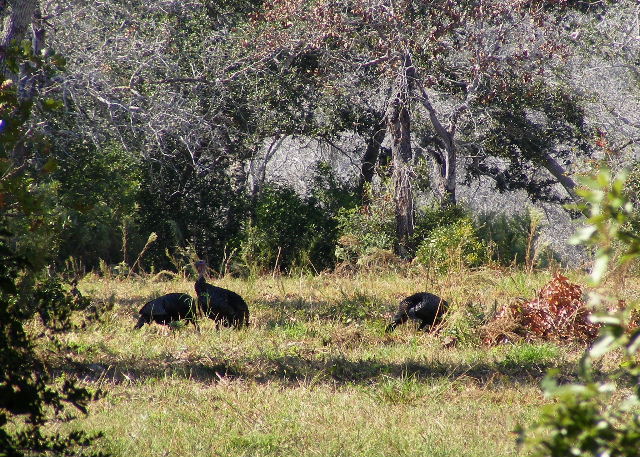
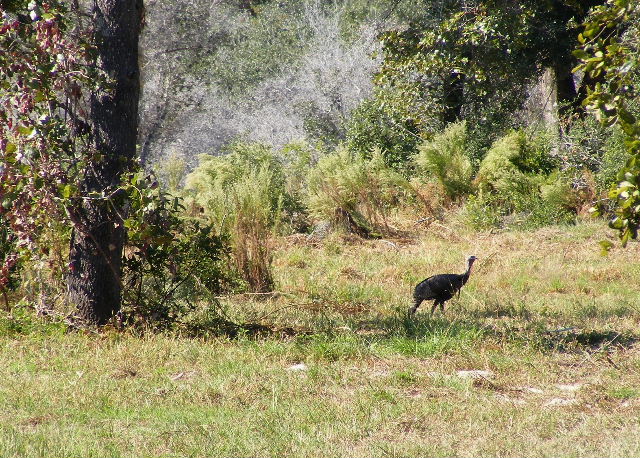
Obviously, I made it back OK. I spotted a flock of Wild Turkeys in a clearing along the road, but that was it. I’d finally made it to Aransas and had seen exactly zero (0!) lifers.
And the Whooping Cranes? We were there on October 20. The first crane of the fall showed up on October 21.
Really.