
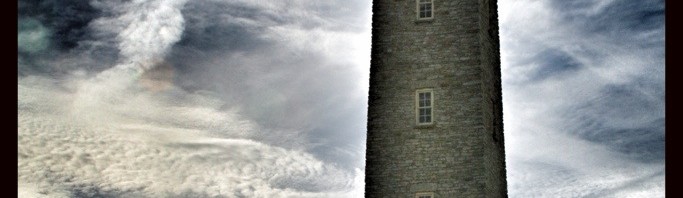
After getting kicked off the William M. Black, we walked the length of the not-very-long River Walk, dodging wedding parties and enjoying the pleasant weather. My wife found a quiet place to relax while I walked across a parking lot, around an ongoing Octoberfest, up over a railroad embankment and down into a rail yard to see the shot tower.
Here’s what Wikipedia says about it: The tower was built in 1856 to provide lead shot for the military. The invention of the shot tower enabled economical production of many nearly perfect lead spheres of the right size to fit in a musket. To make the shot, molten lead was poured through a grate at the top of the tower. The droplets that fell from the grate were of relatively uniform size, and the fall provided enough time for the liquid-metal droplet to form into a sphere before landing in the water below. The water cooled the lead to its solid state, retaining the spherical shape.
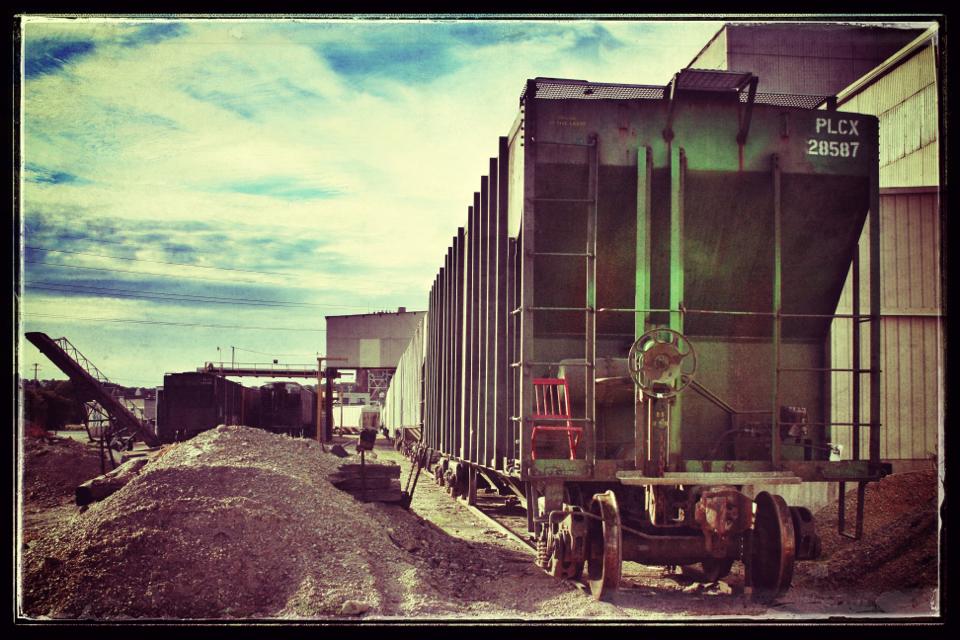
There wasn’t anything to do there except see it, so I didn’t stay long. Oh, I did take a photo of the chair on a train.
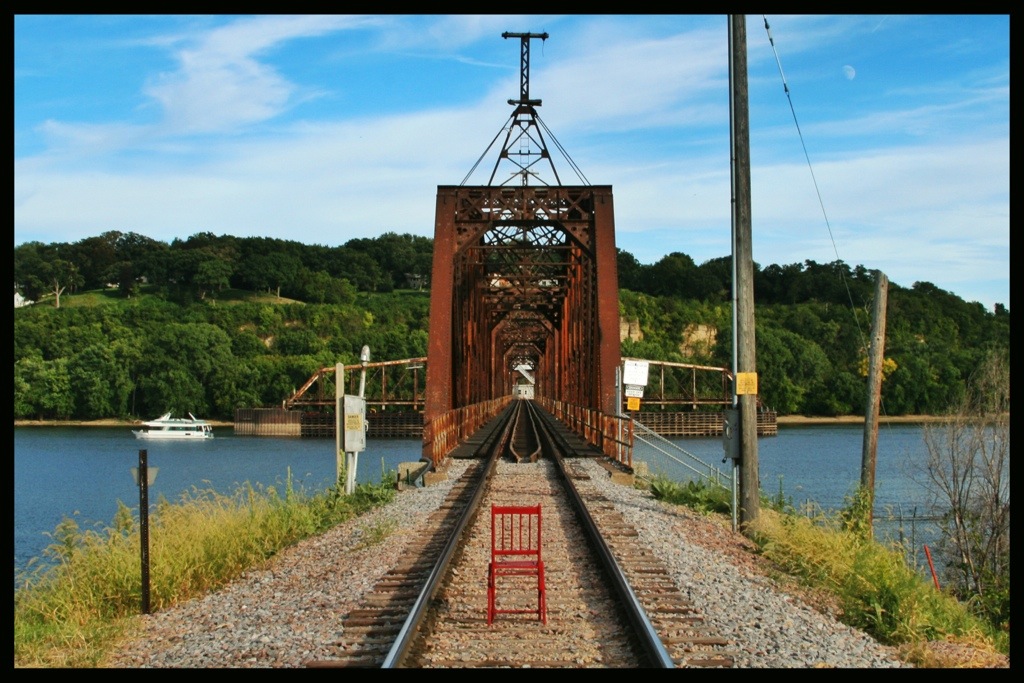
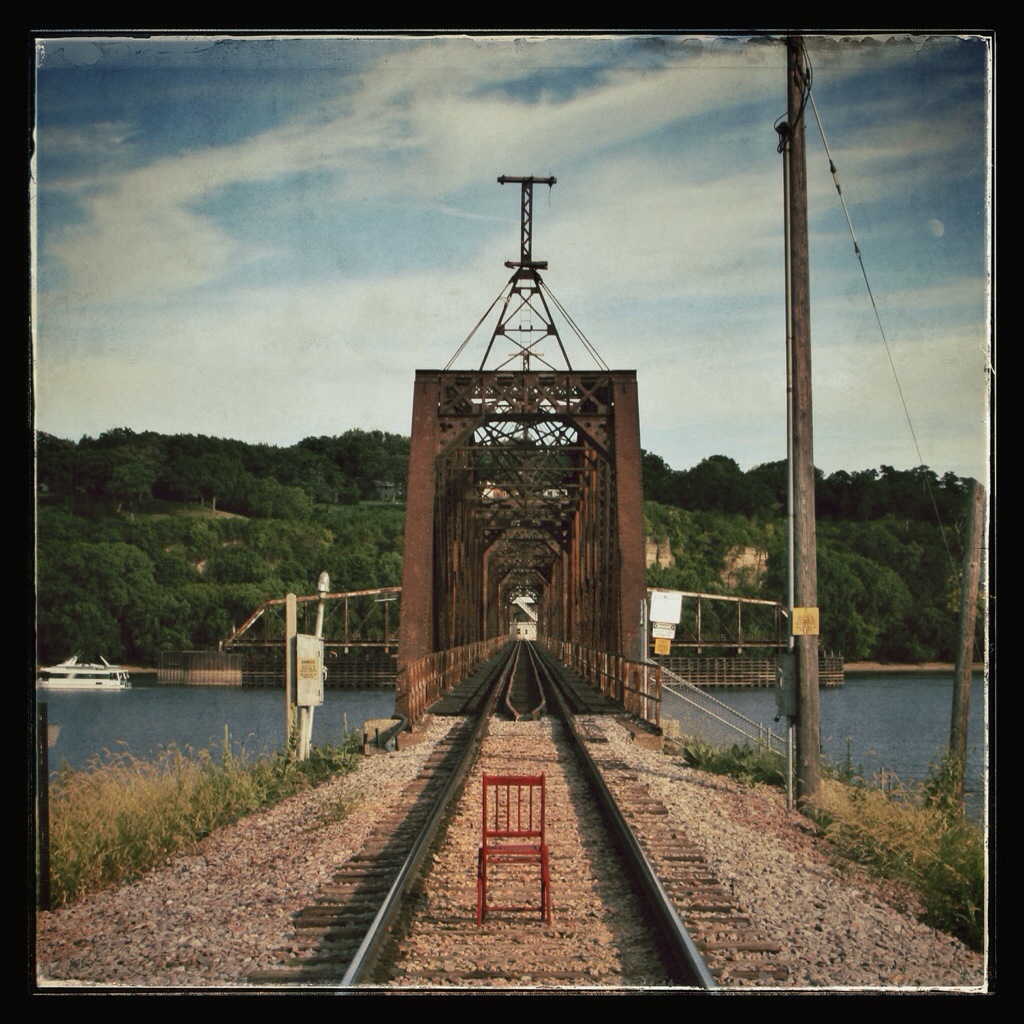
And I paused on my climb back over the railroad embankment to take a photo of the Dubuque Rail Bridge.
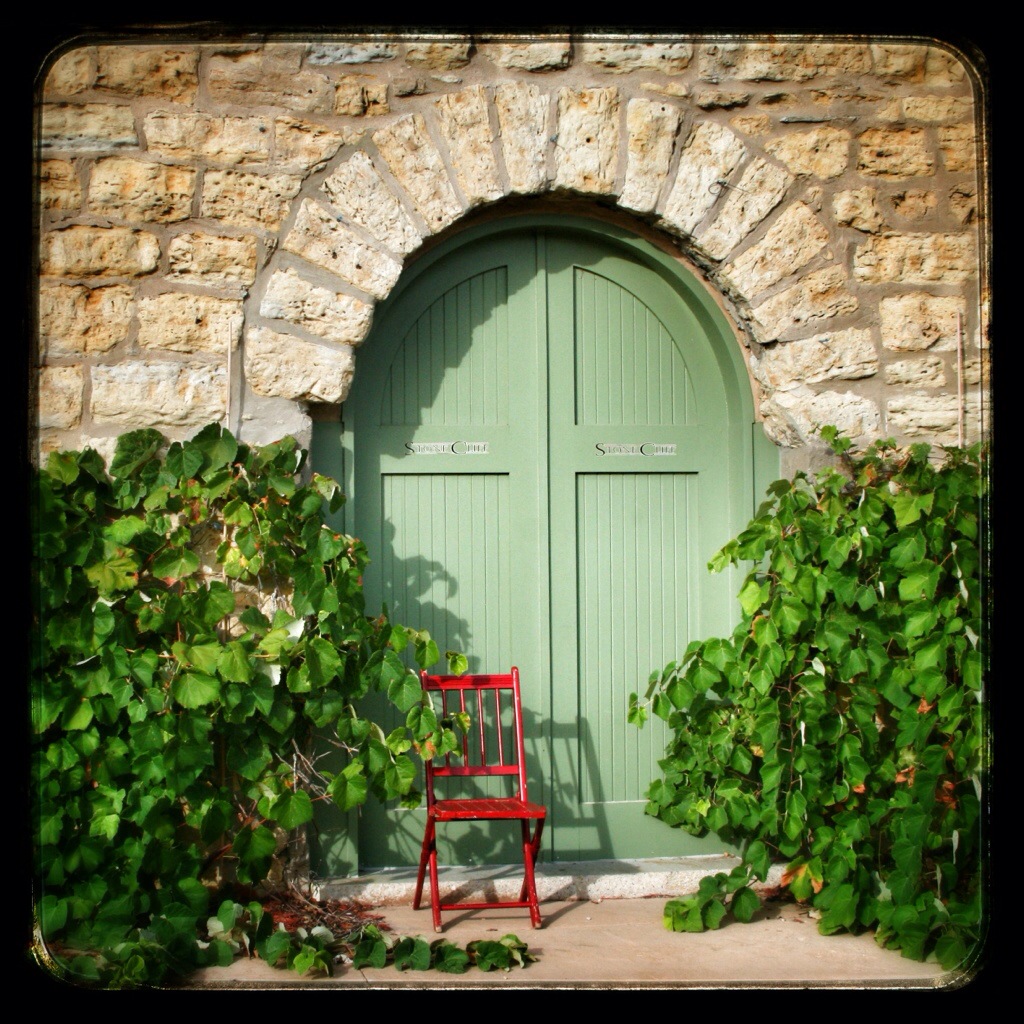
My path took me past the Dubuque Star Brewery where I got this shot.
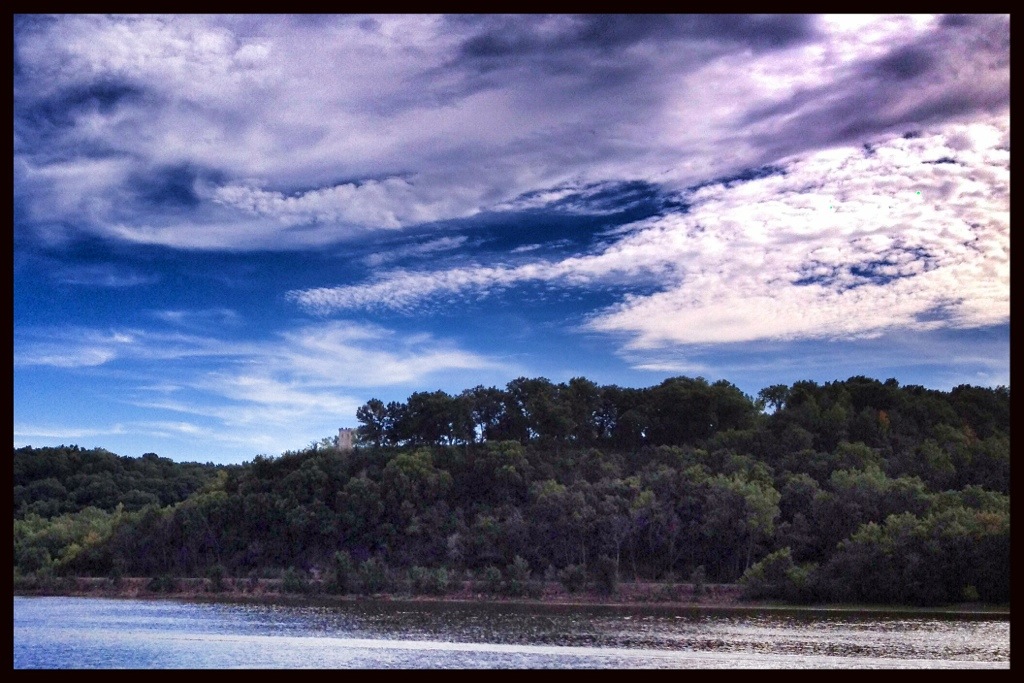
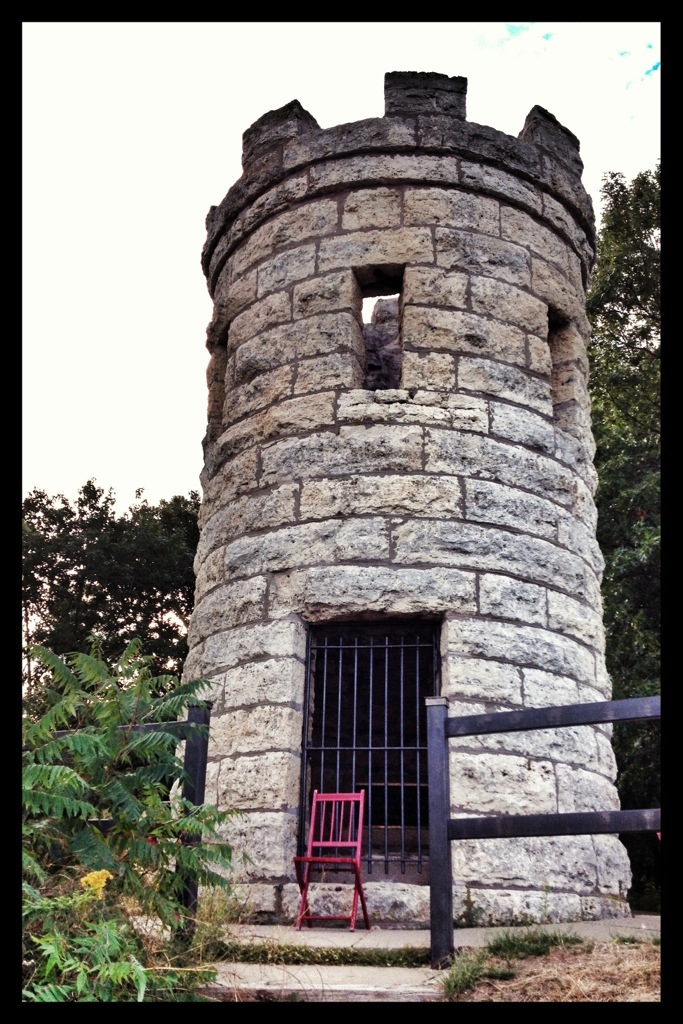
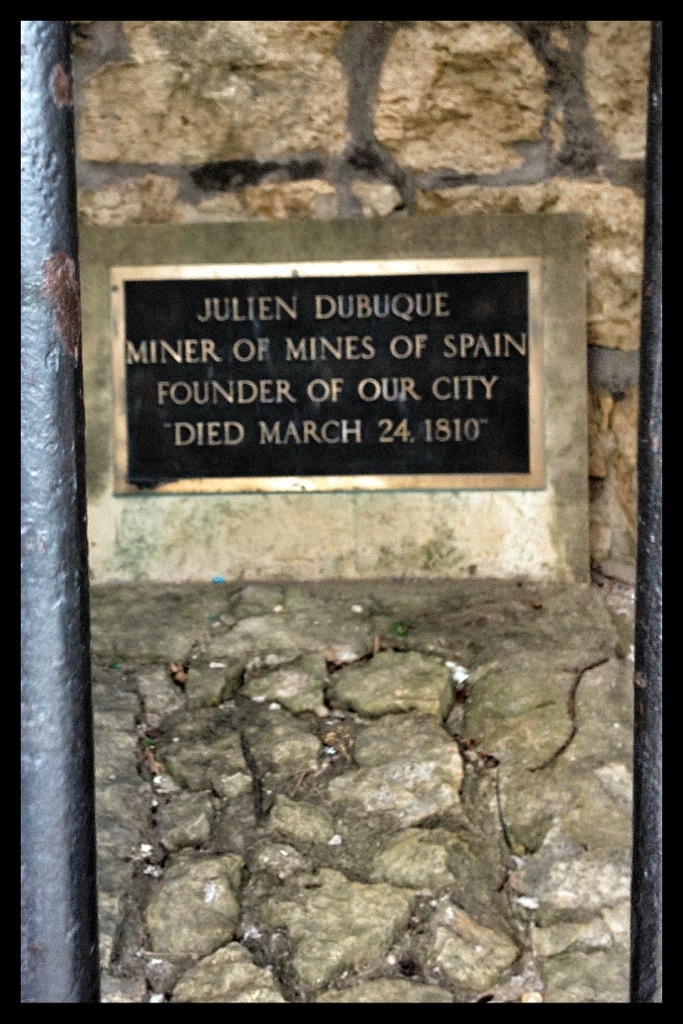
Earlier, on the cruise, our southernmost reach had been next to a bluff with a small castellated structure on top. We were told this was the grave site of Julien Dubuque, a French-Canadian who received permission from the Spanish to mine lead in this area.
We followed GPS on a roundabout path that led us to the Mines of Spain State Recreation Area, where the monument is located.
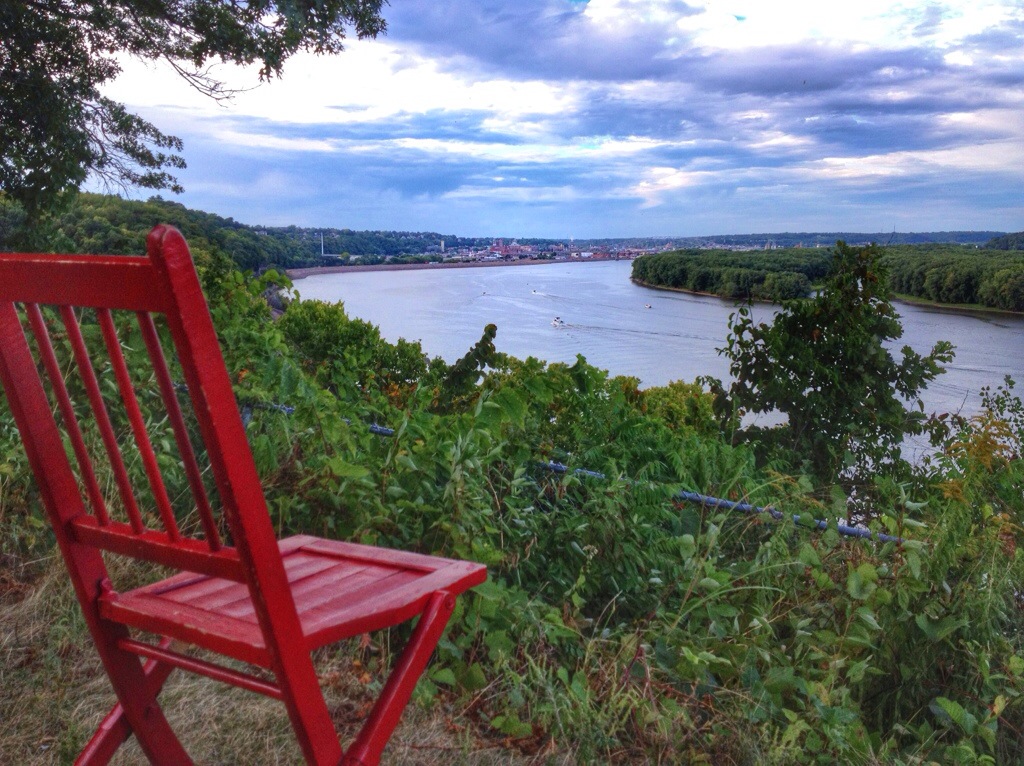
The bluff provided a pleasant view of the Mississippi River and Dubuque.
After a light supper and a Blizzard at a local Dairy Queen, we ended our adventure and began the long drive home.