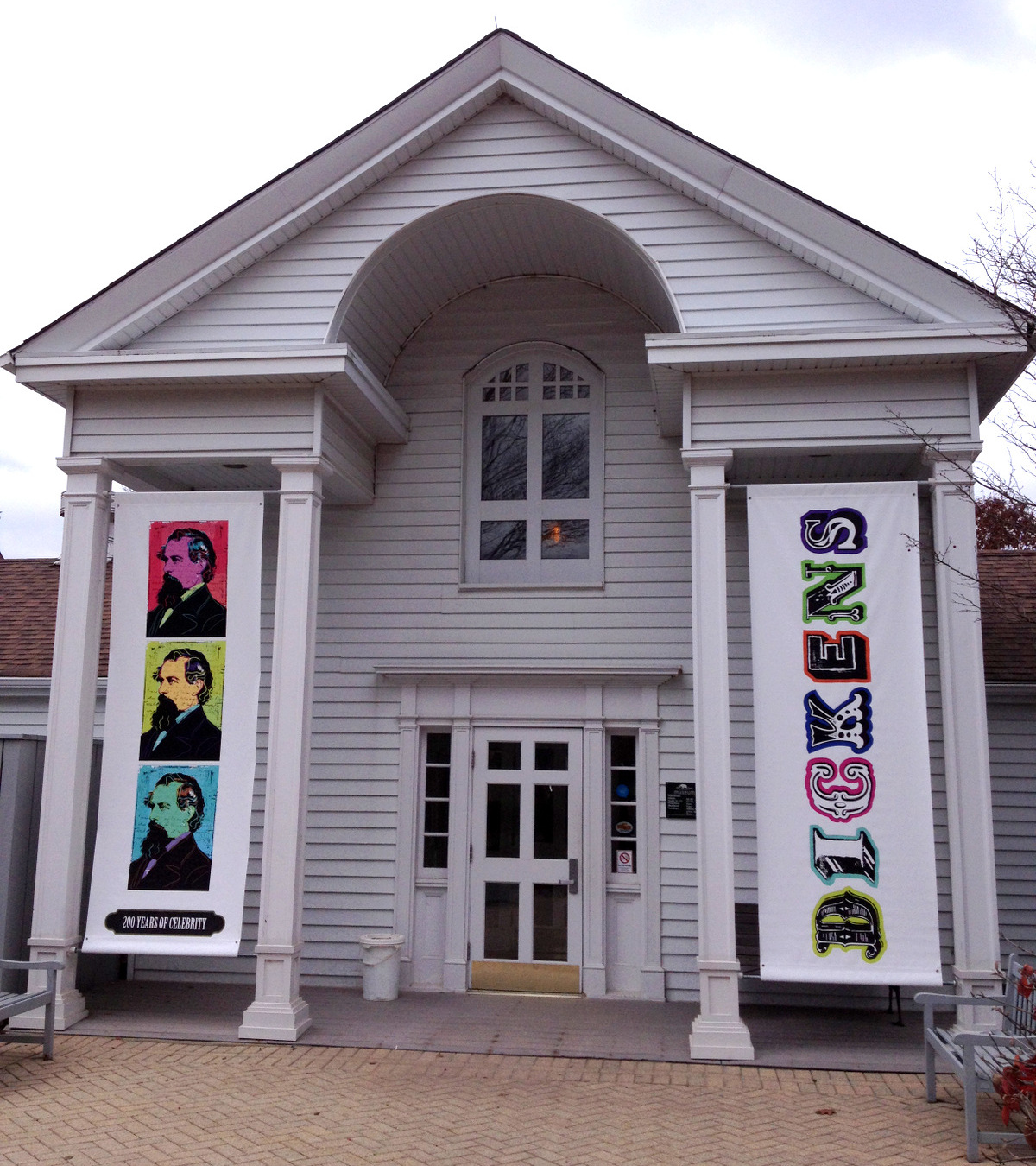
The last time I went to this museum, it was with my eight-year old daughter to see a Barbie exhibit. This time I went by myself, mostly because Wauconda didn’t offer enough to entertain me for a day. When I arrived, I discovered that the current exhibit was a celebration of Charles Dickens’ 200th birthday.
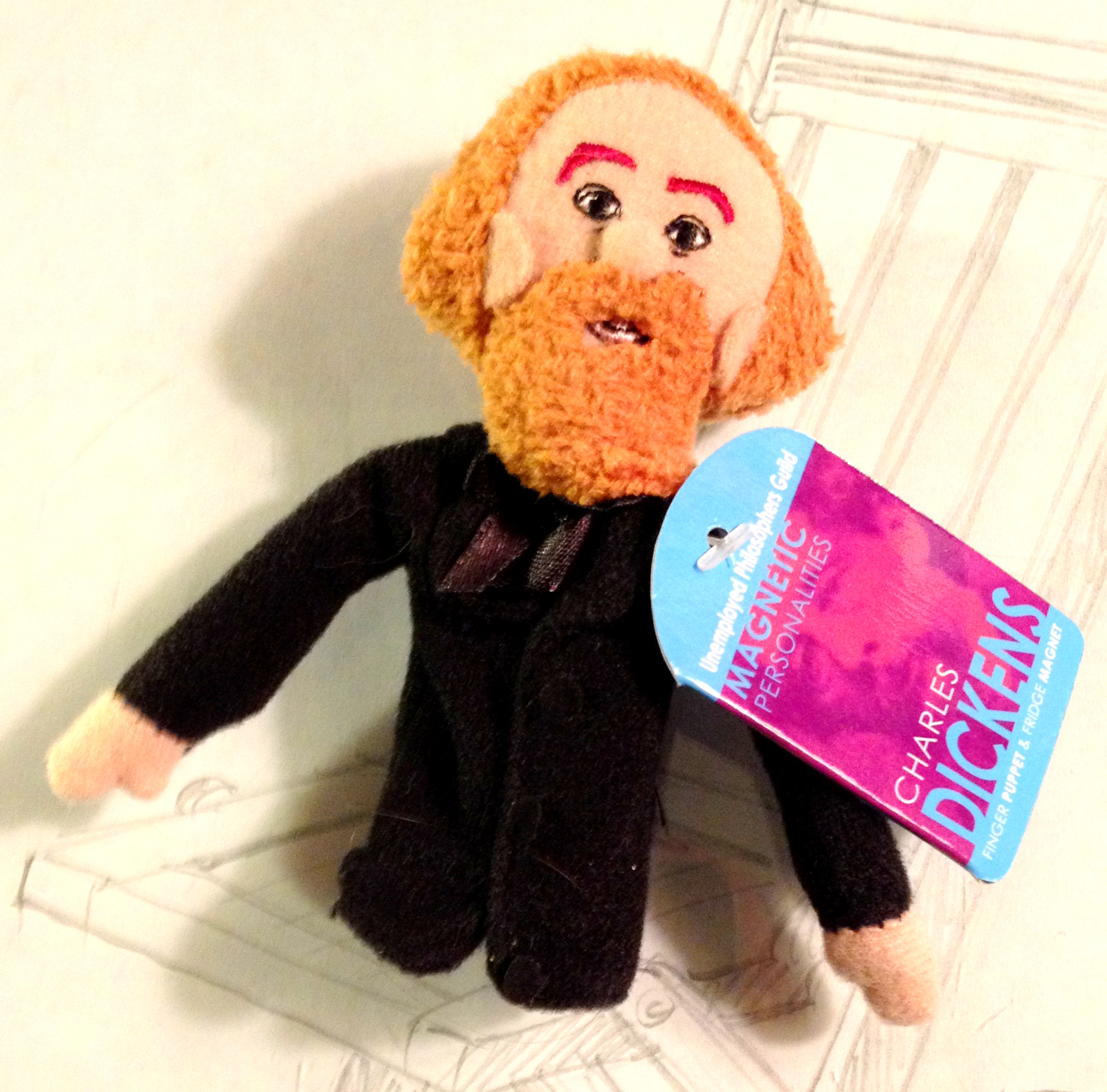
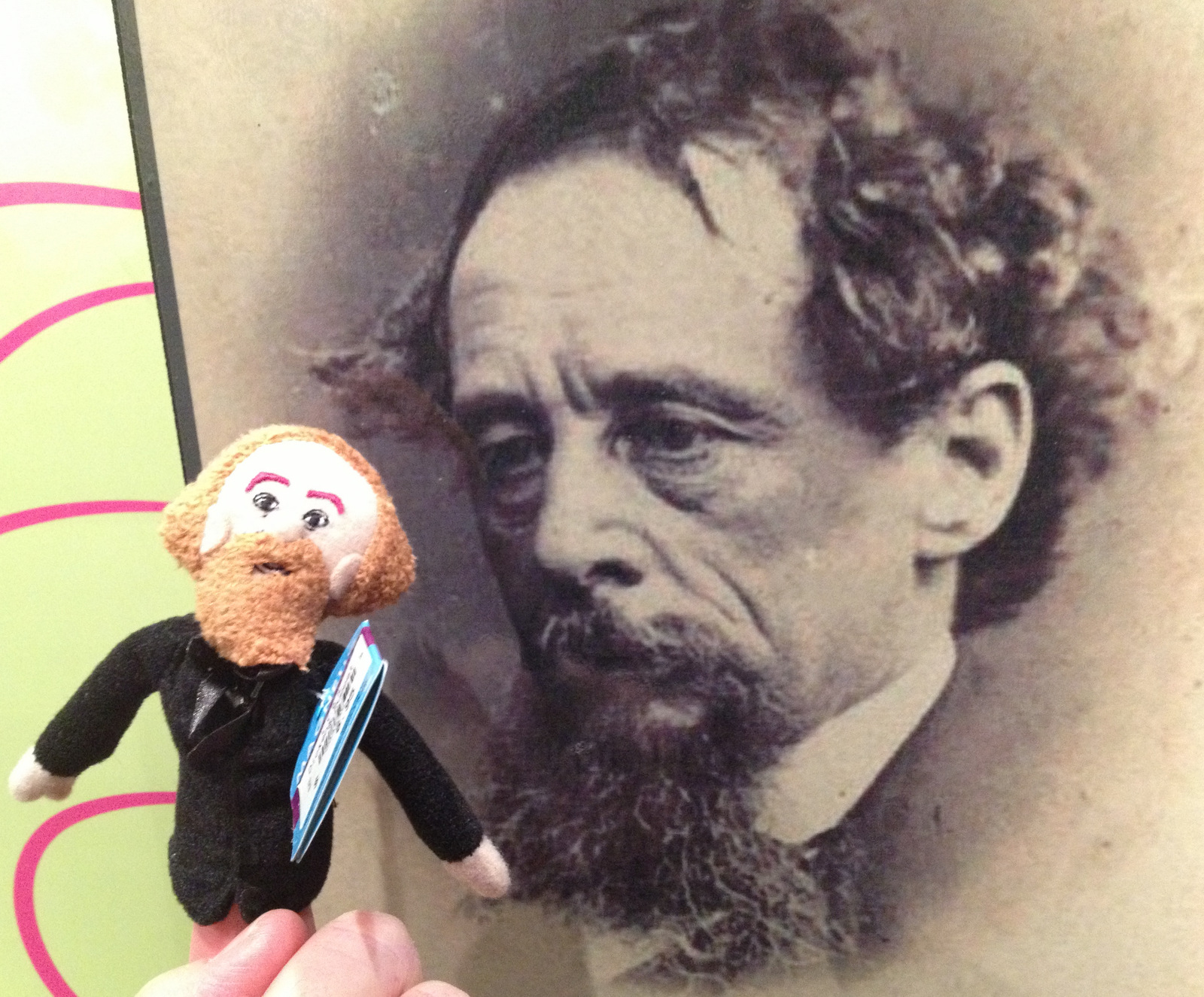
Before I even had a chance to pay my $6 admission fee, I spotted a basket of Charles Dickens magnetic finger puppets, so naturally I bought one.
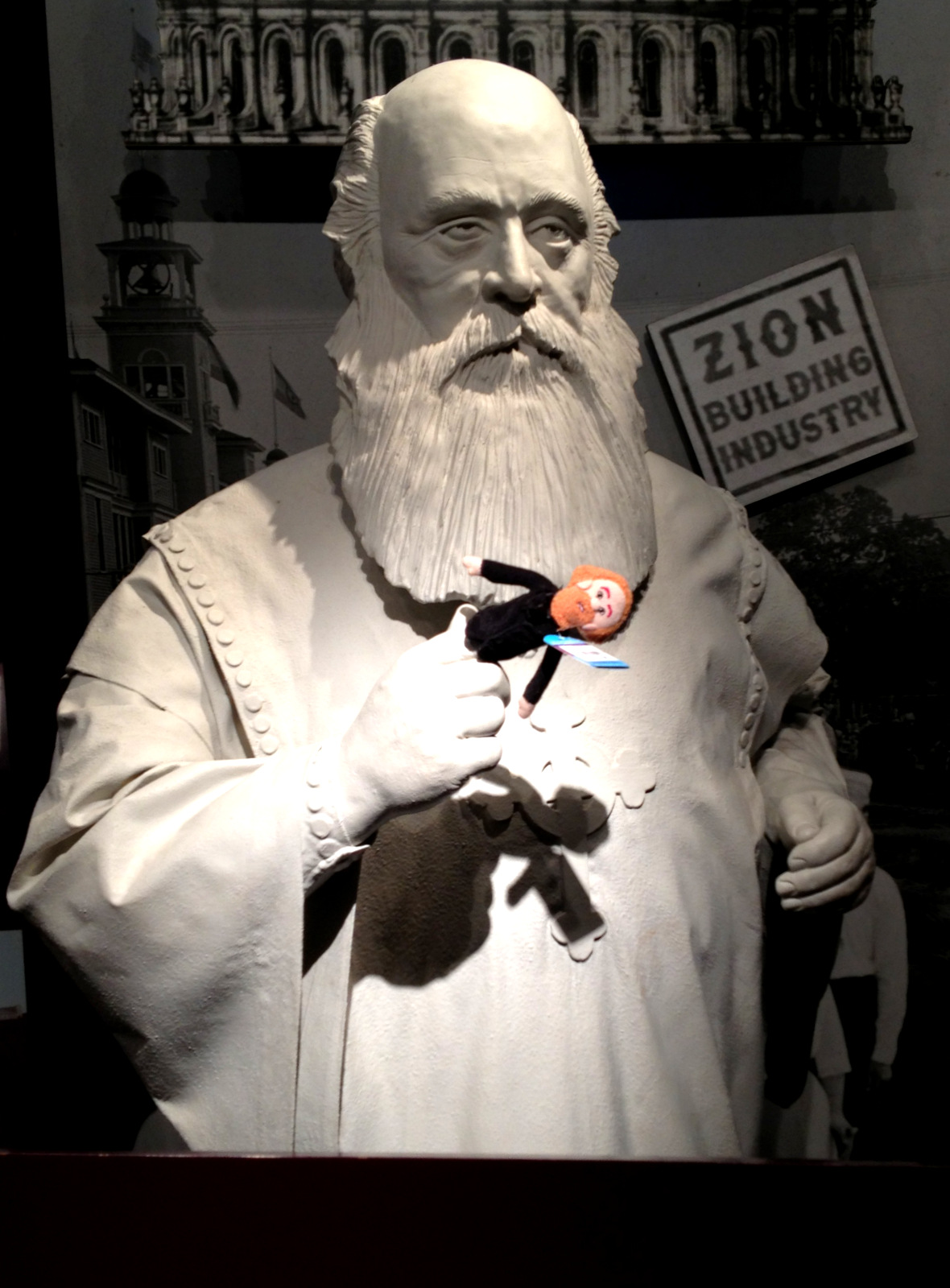
The museum is divided into three sections. I began with the history of Lake County, which was an odd mixture of detail, brevity and randomness. It starts with several exhibits about John Alexander Dowie who founded Zion as a religious community and attracted followers by claiming he was the reincarnation of Elijah. (I don’t think he was.)
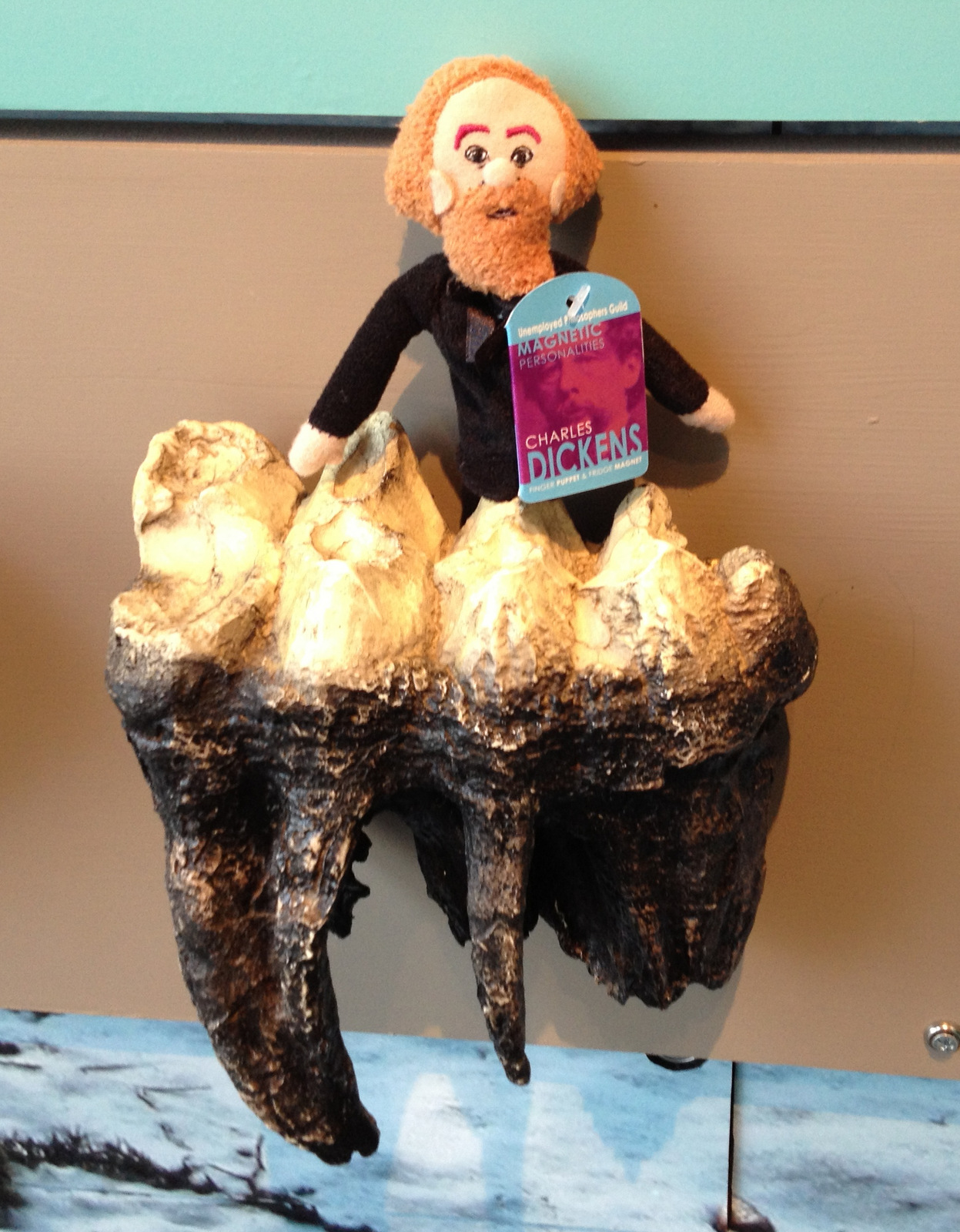
After a few displays about Indians who lived in the county and several cases full of products manufactured locally, I jumped into prehistoric times and saw a cast of a mastodon tooth.
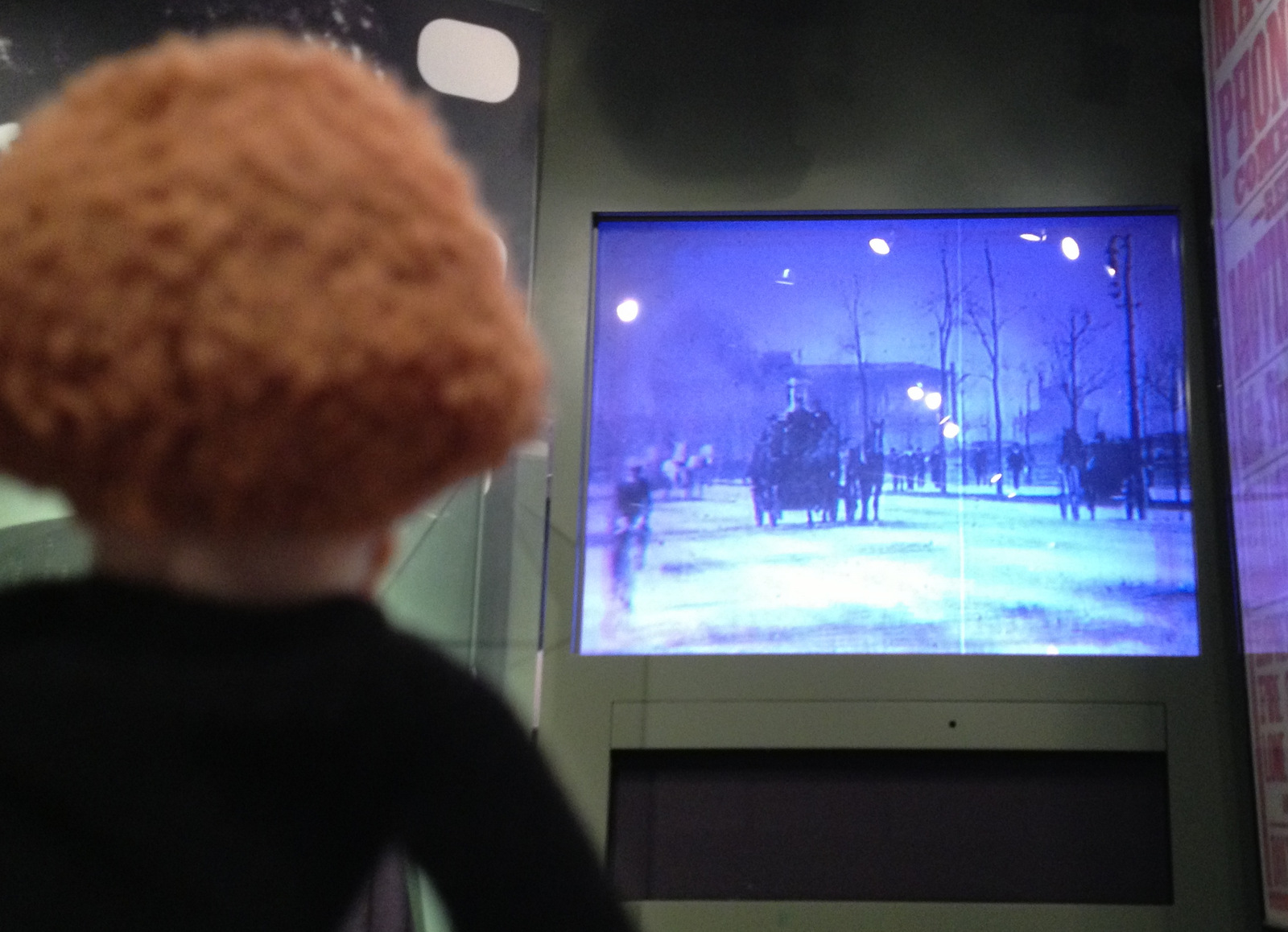
This was immediately followed by a section on movies shot in Lake County.
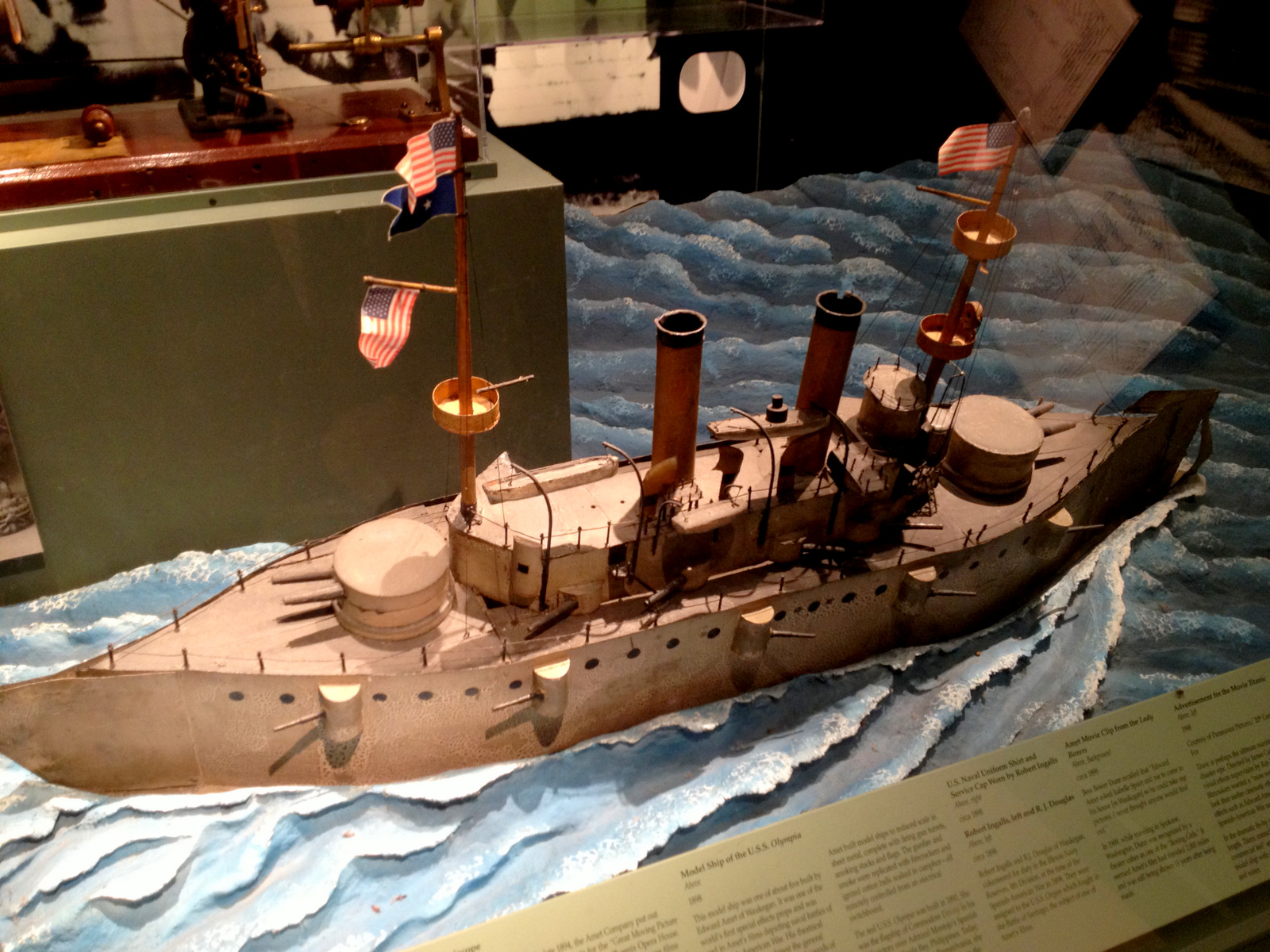
This is one of the world’s first special effects movie props, a model of the battleship U.S.S. Olympia, built in 1892 by Edward Amet of Waukegan. He didn’t want to make movies, but he did want to sell Magniscope projectors and had to give potential purchasers something to watch on them.
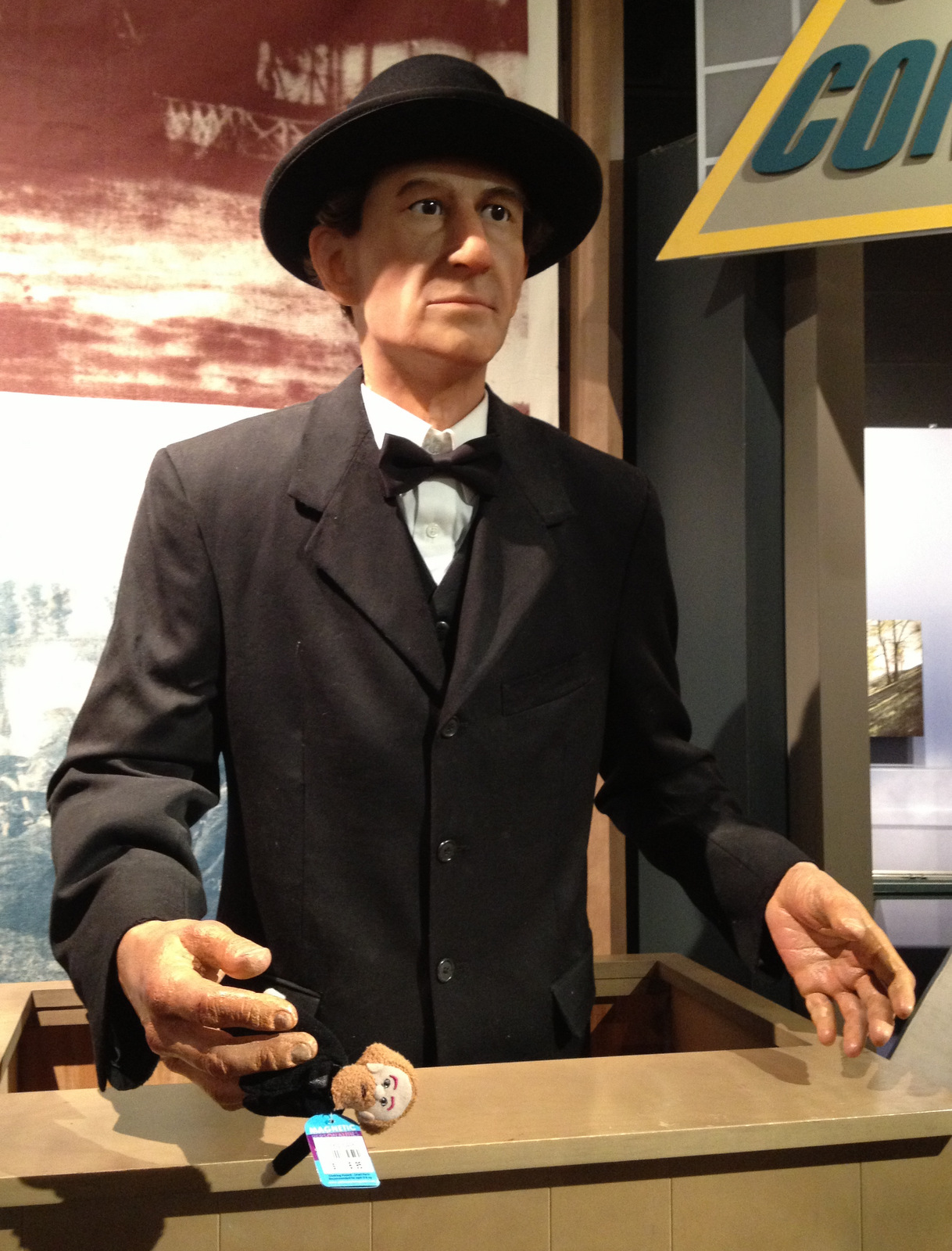
I’m not sure who this was supposed to be or why he was standing in the middle of the room.
There was stuff about vacationing on Lake County lakes and stuff about Al Capone who visited the county upon occasion and some stuff about Chicago because it happens to be close by. This included an account of a guy from Lake County who was delivering a wagon-load of hay to the city on the night of the fire and, as he approached, was told to turn around and go back.
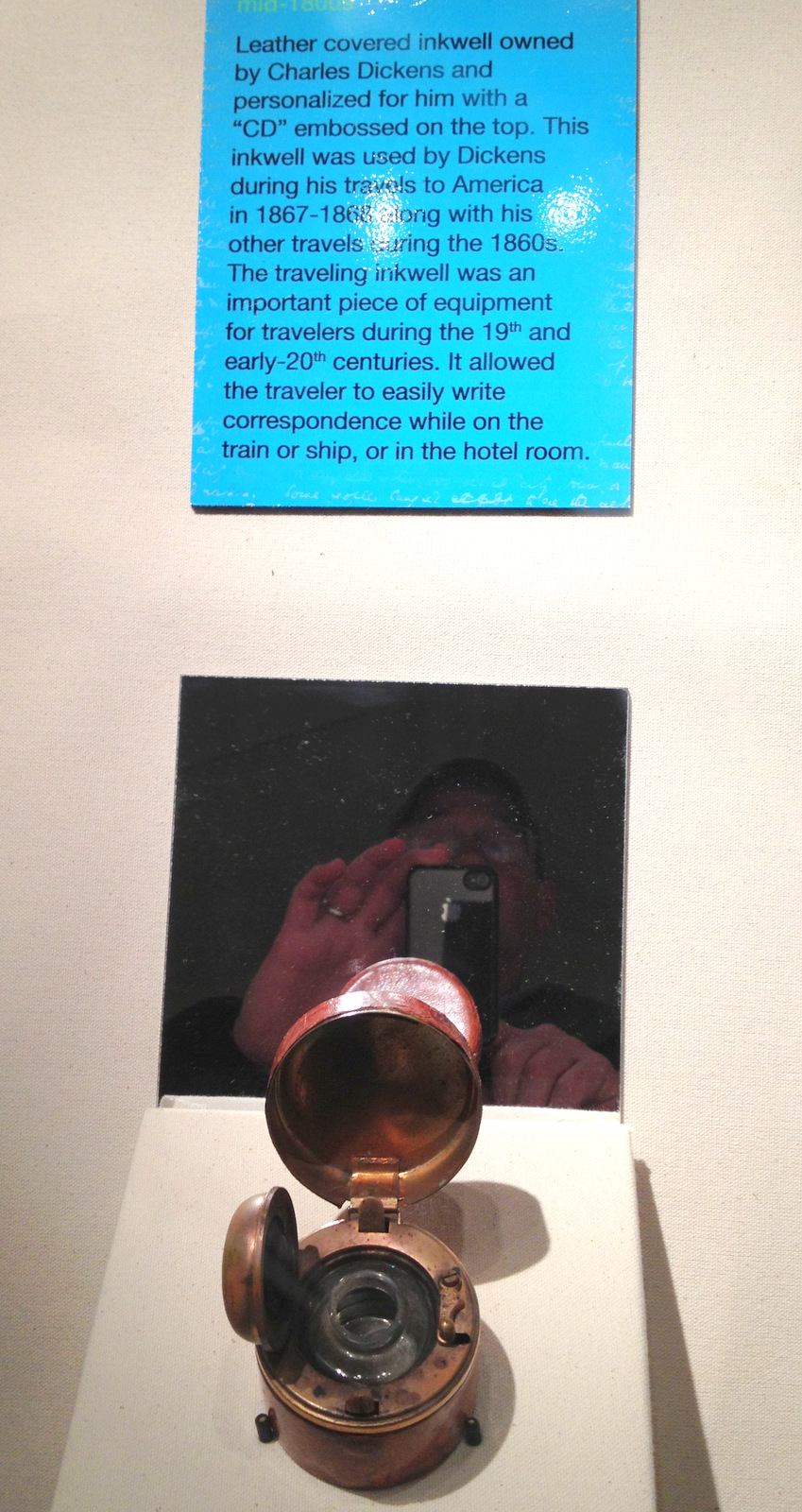
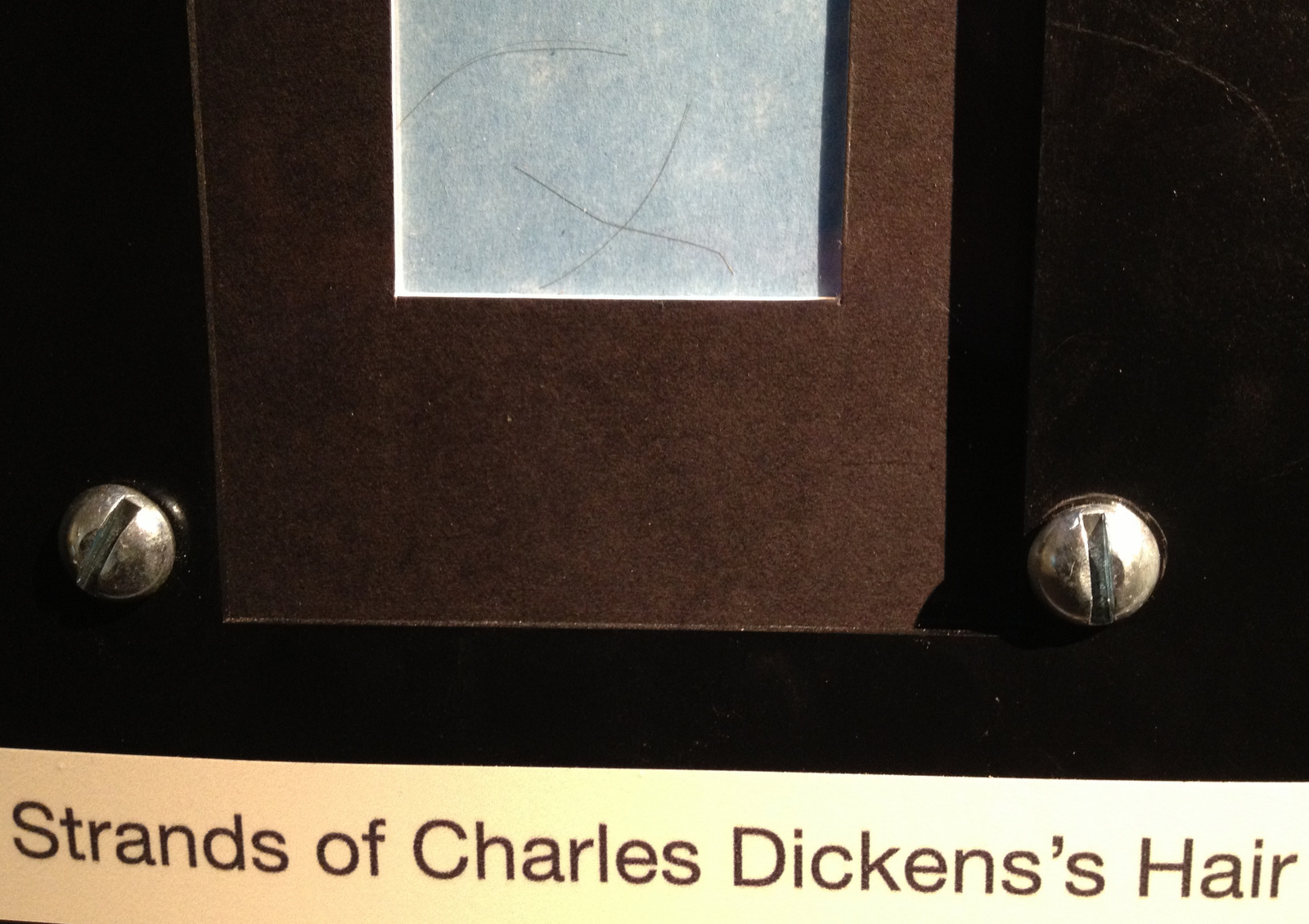
I wandered over to the next section, a special exhibit on the celebrity of Charles Dickens. It wasn’t really about him per se, but they did have a few personal items, like his ink well (which he apparently needed to write stuff) and a few strands of his hair.
Most of the exhibit was about stuff made to cash in on Dickens’ celebrity, like mugs and books and cards and …
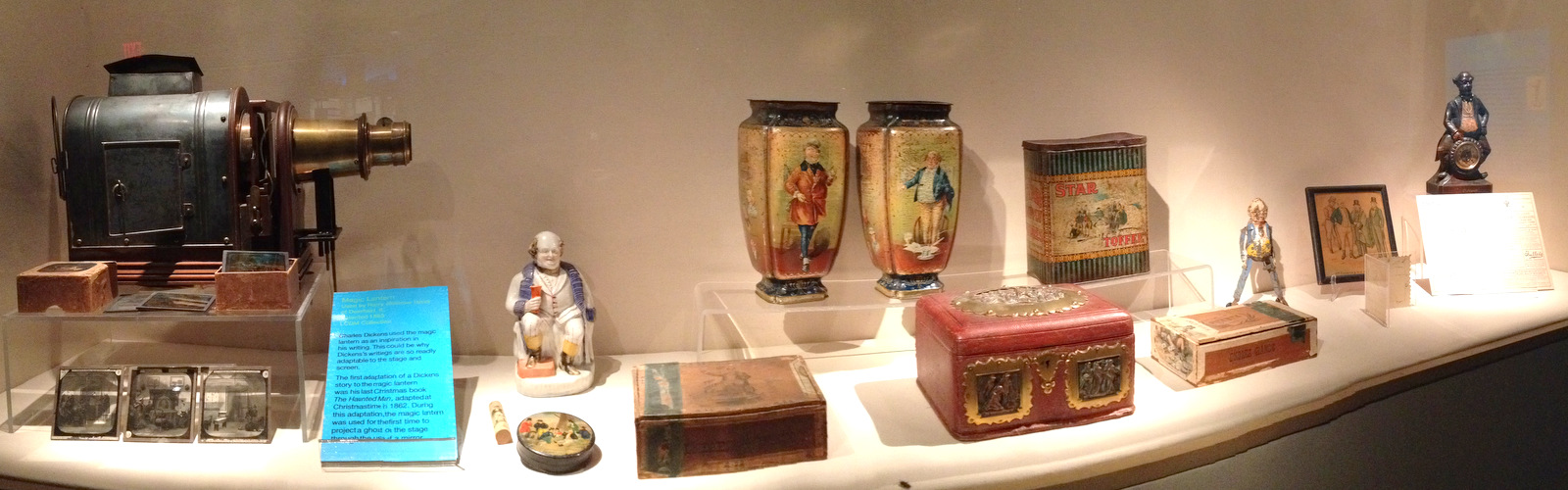
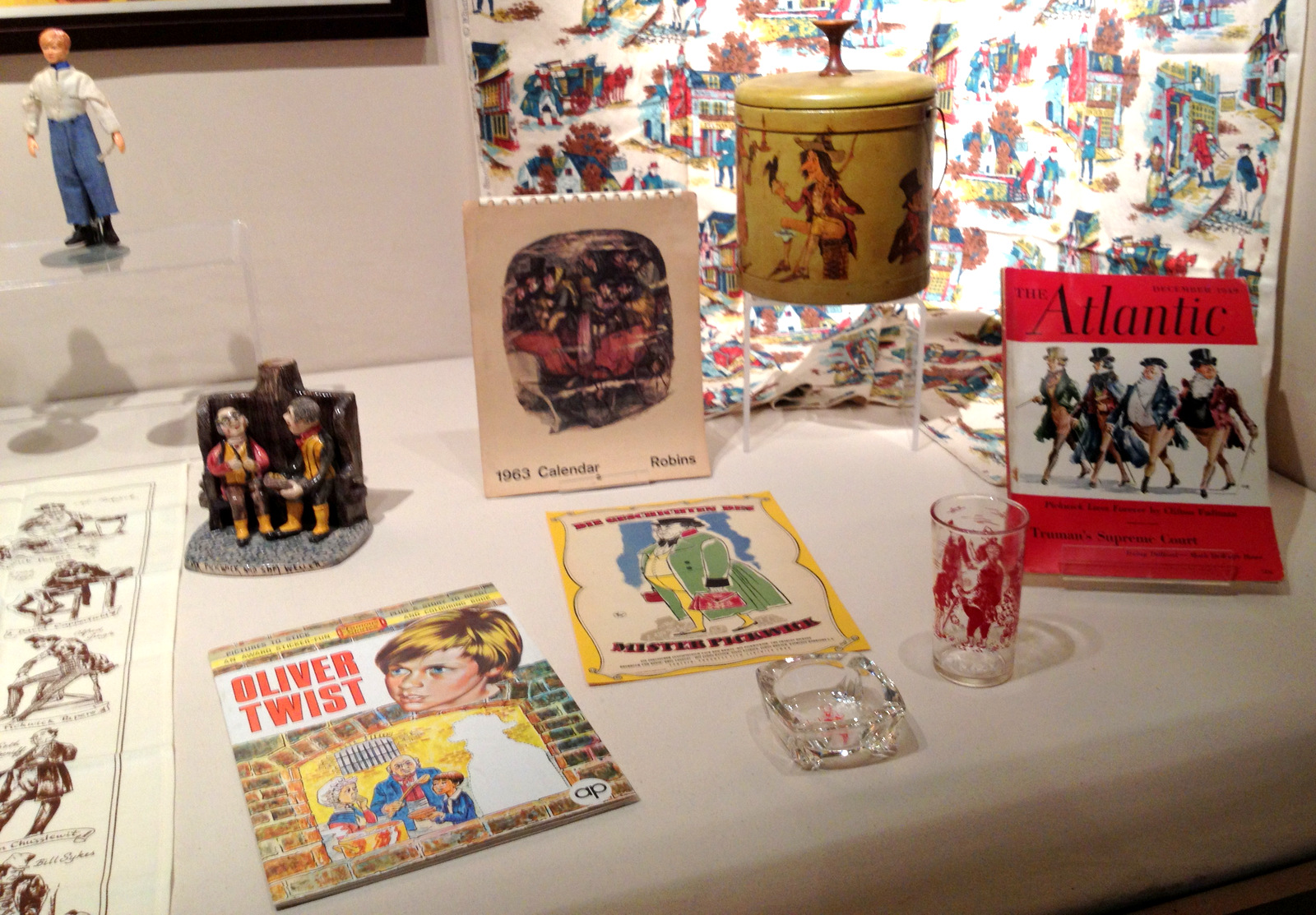
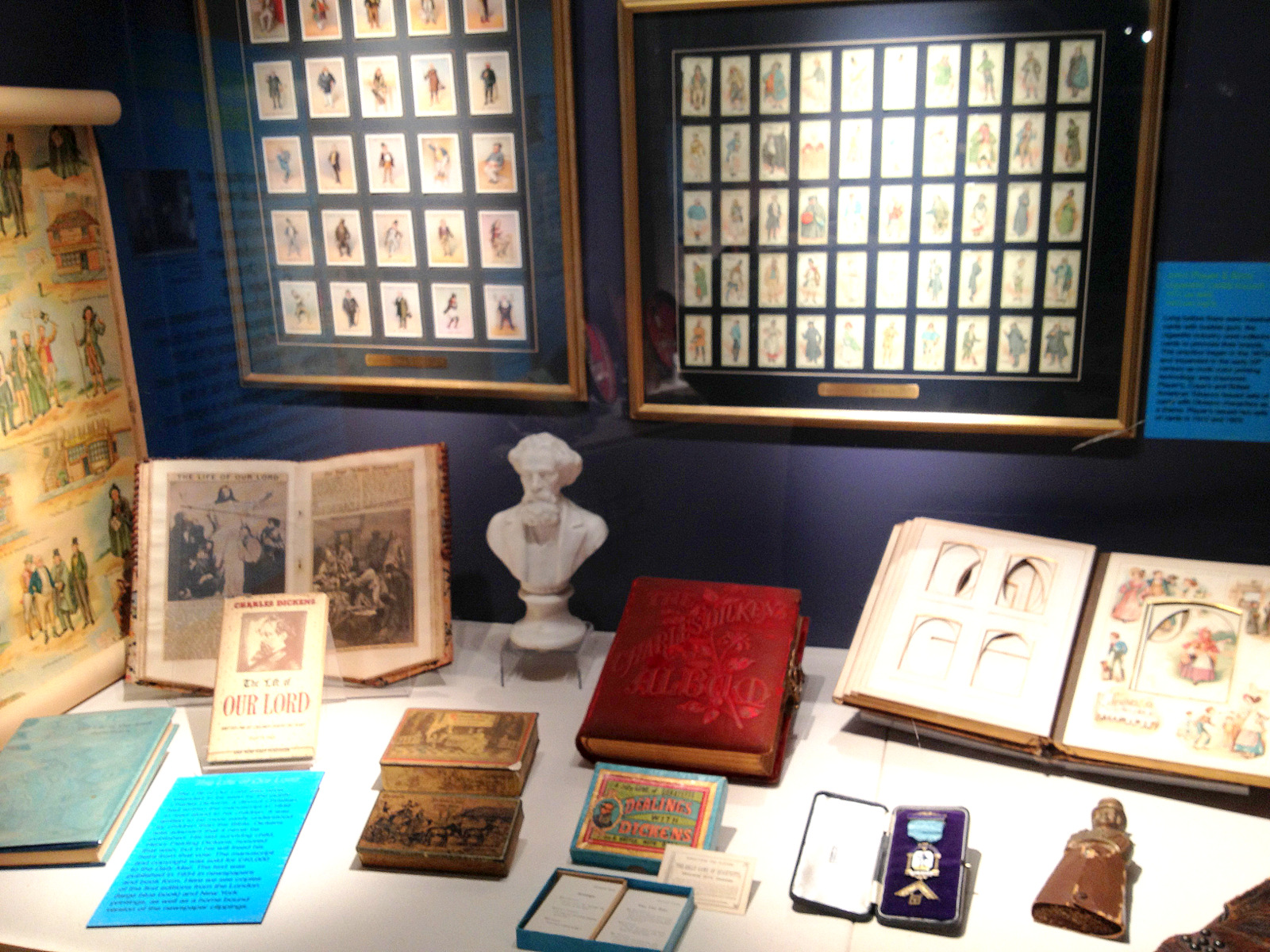
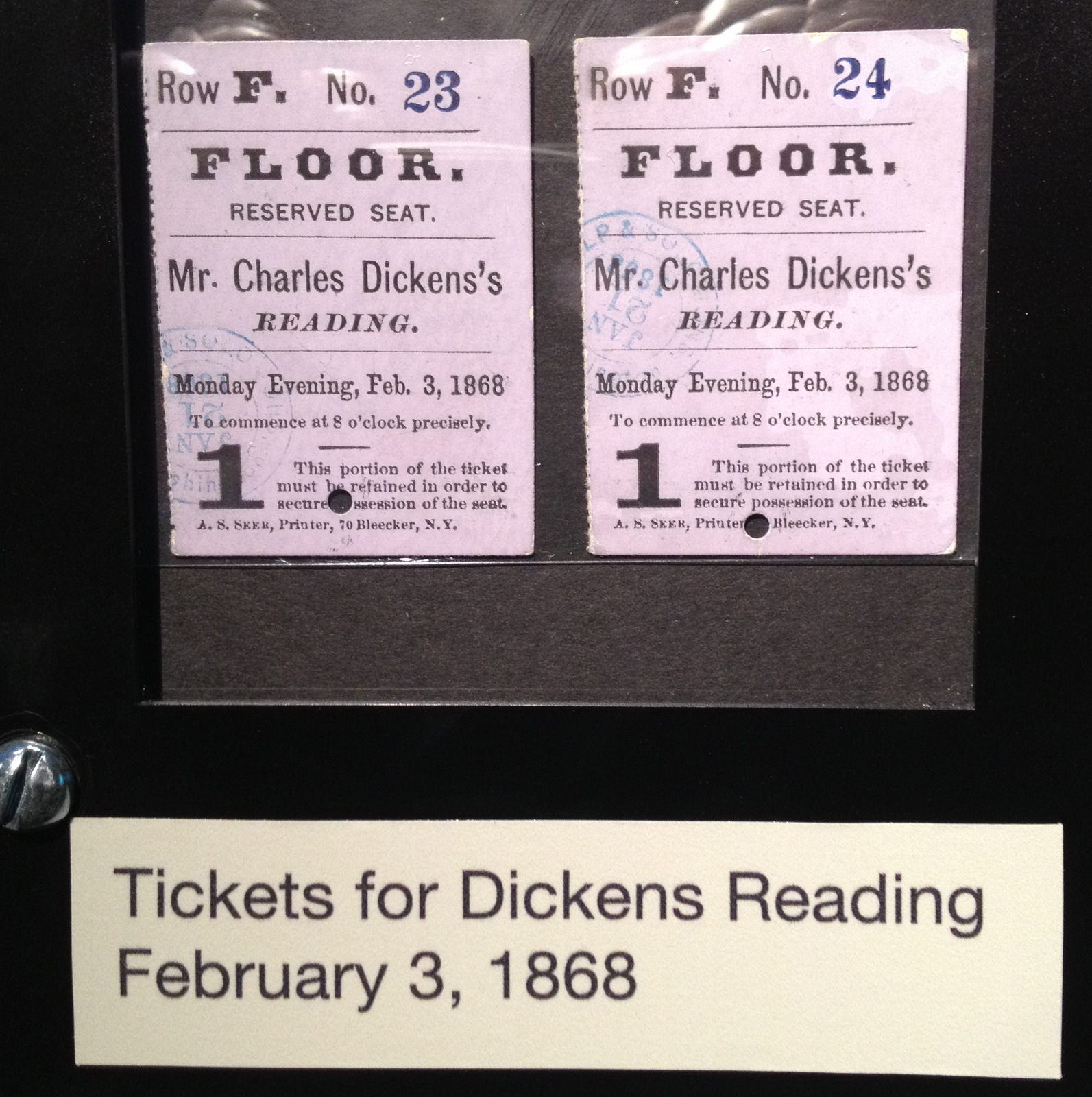
The items were interesting to look at, but the descriptions were apparently written by fifth graders for third graders.
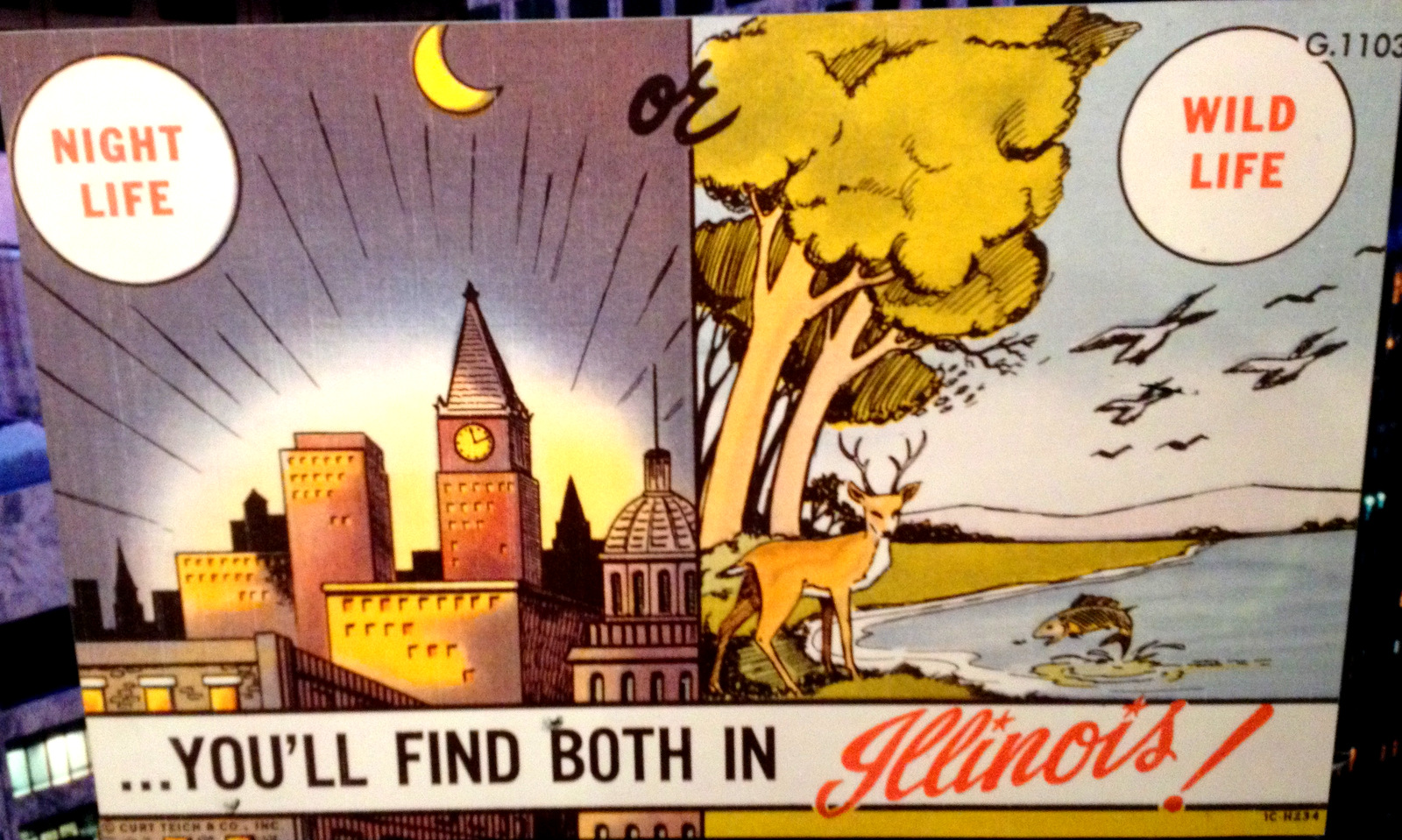
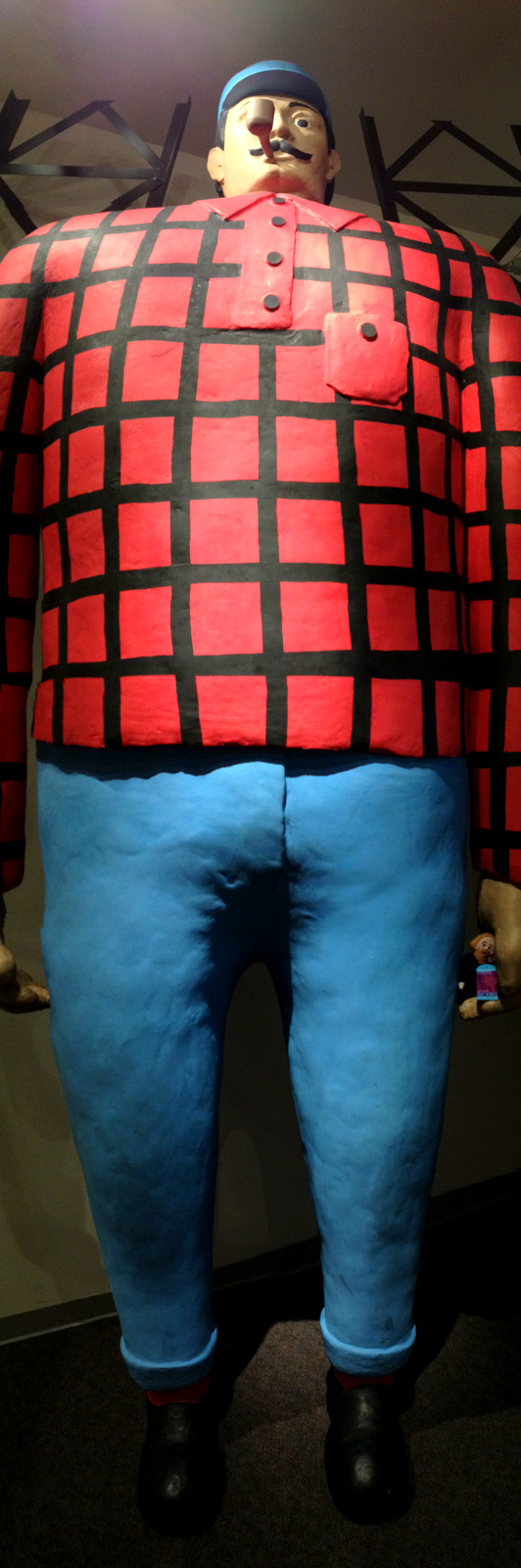
The museum is home to the world’s largest collection of postcards and related items. The entrance to this part of the museum passes a large model of Paul Bunyan standing under the Eiffel Tower naturally, because postcards about the tower and the Bunyan statue in Bemidji, Minnesota were the first to gain popularity for postcards in general.
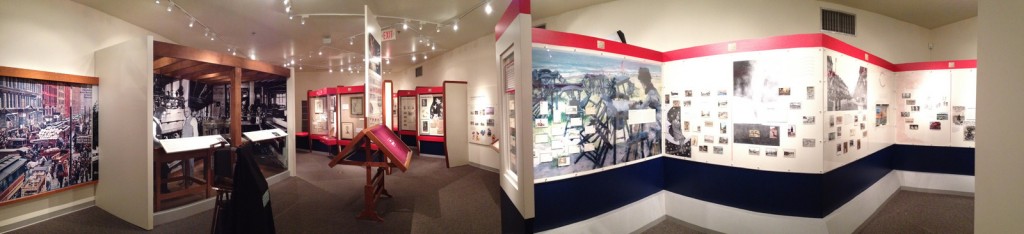
About half the room explained how postcards have been photographed, designed and produced.
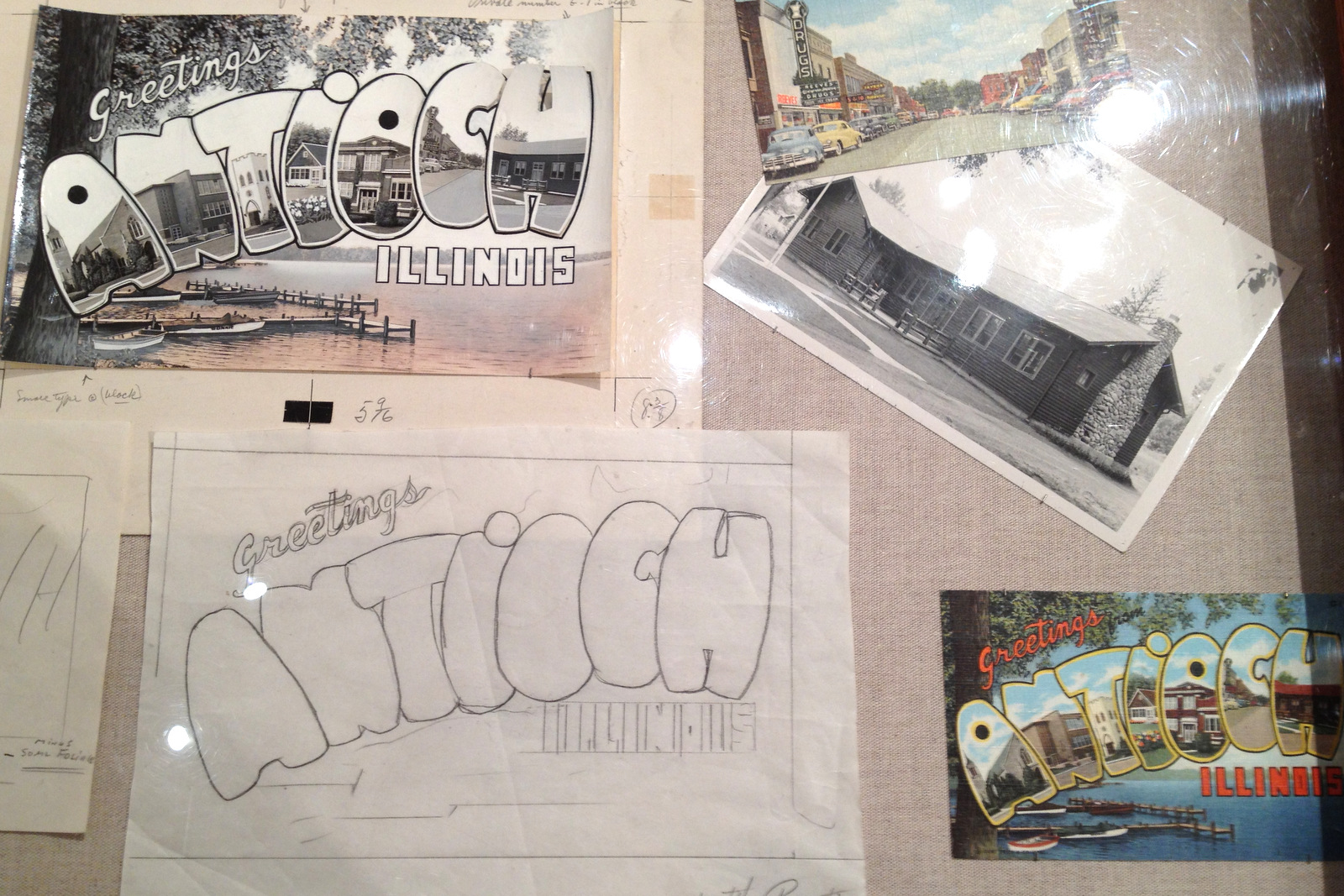
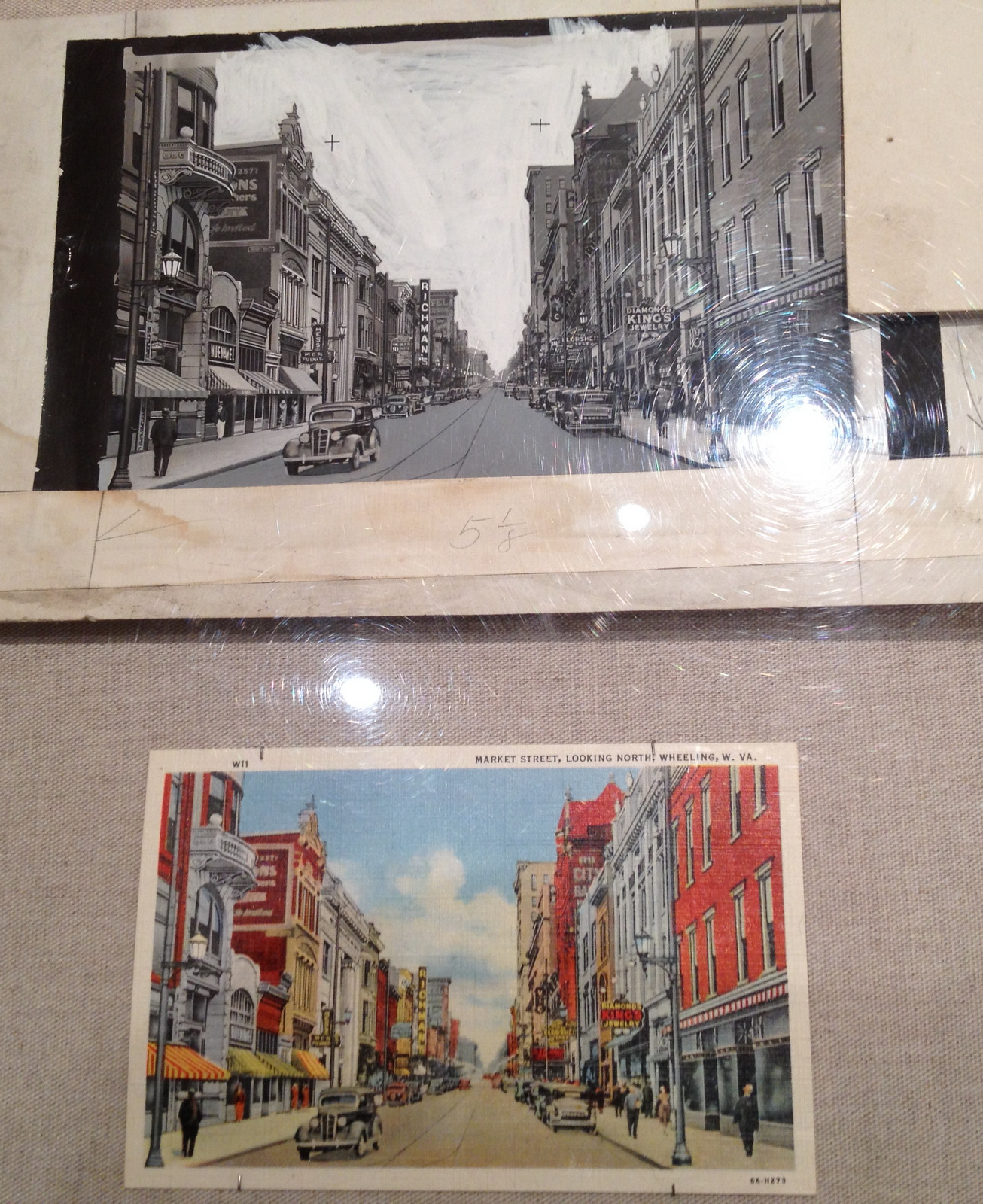
And the other half displayed different sorts of postcards that have been produced over the years.
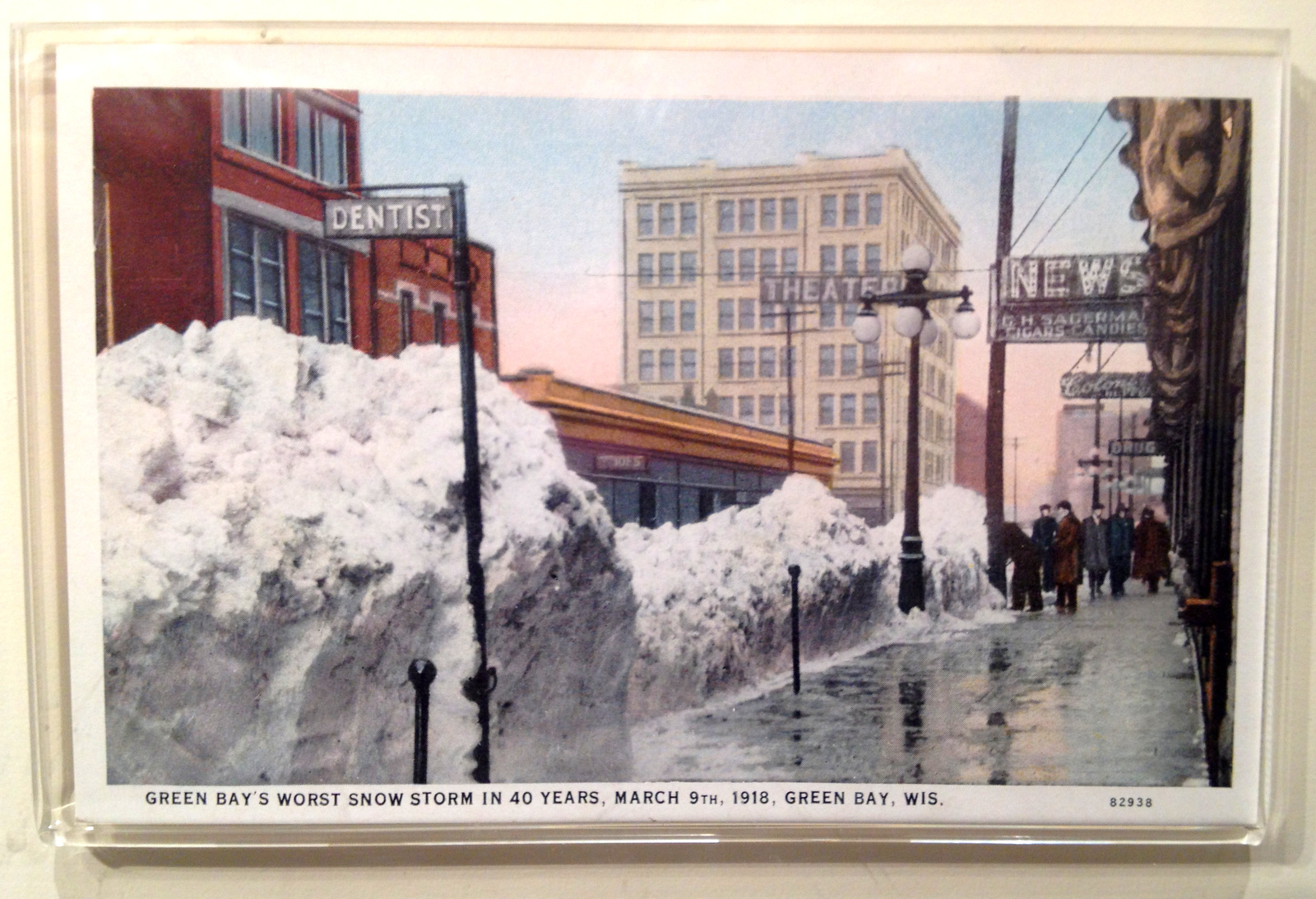
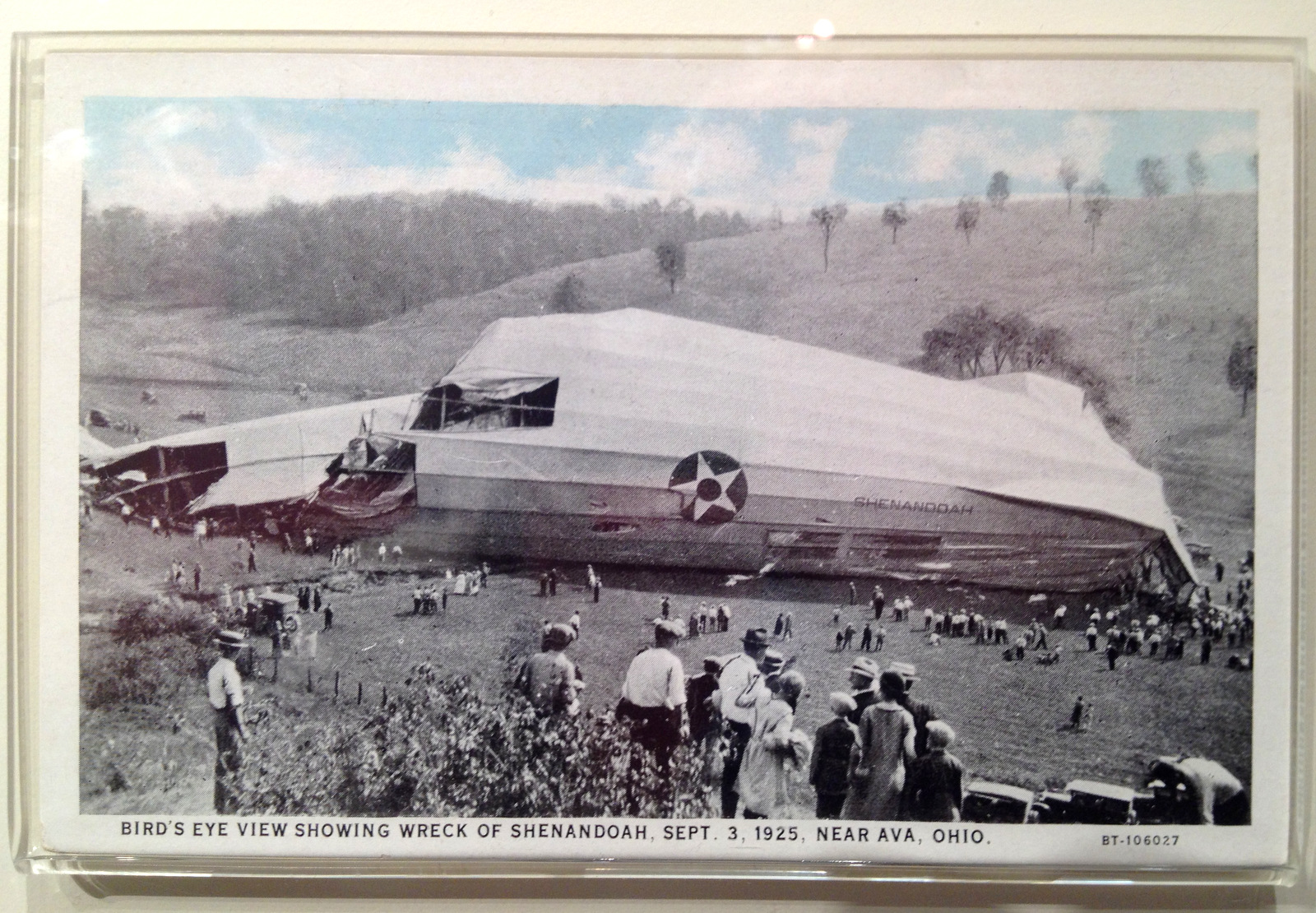
Before radio, postcards were used to send news of major events.
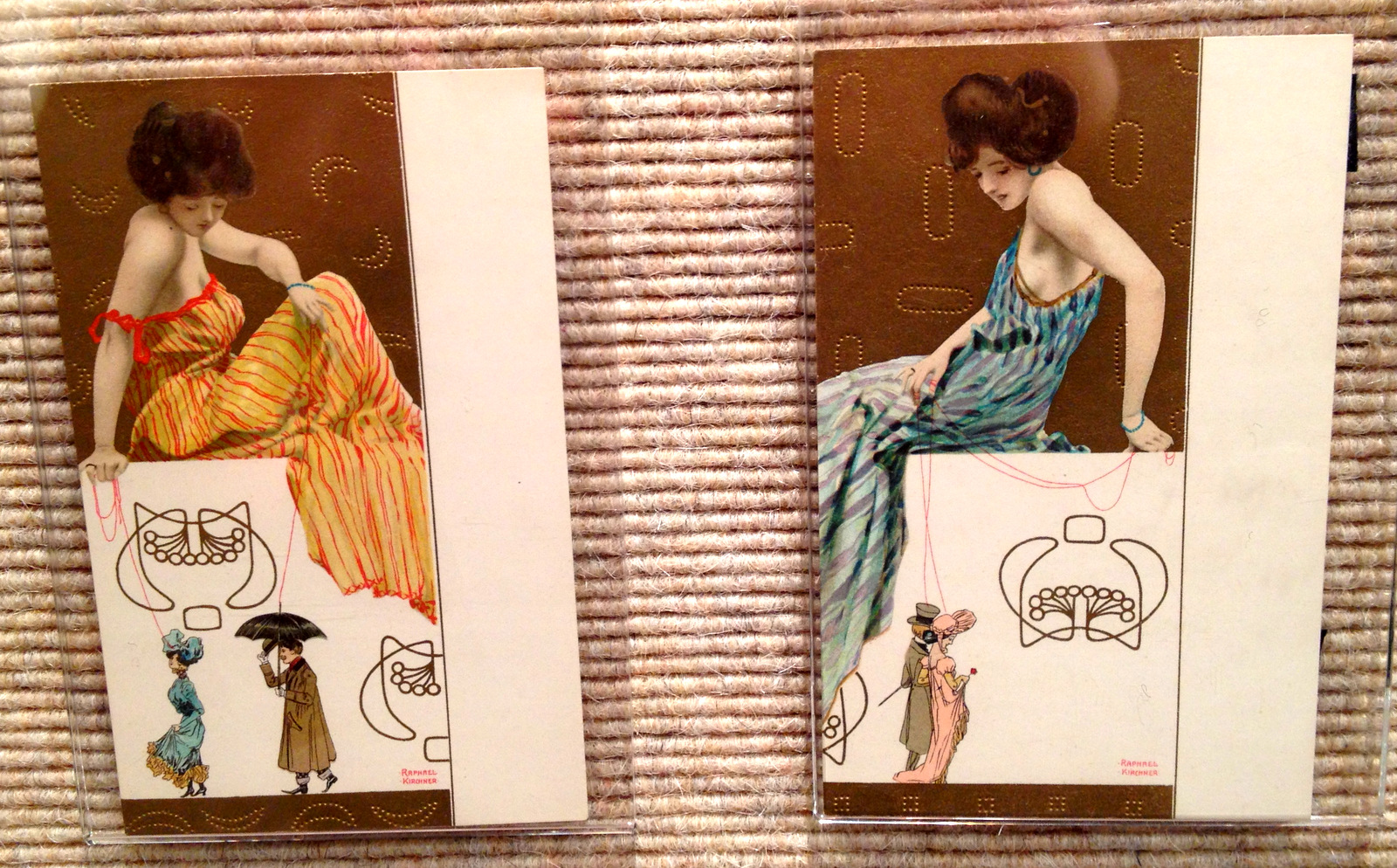
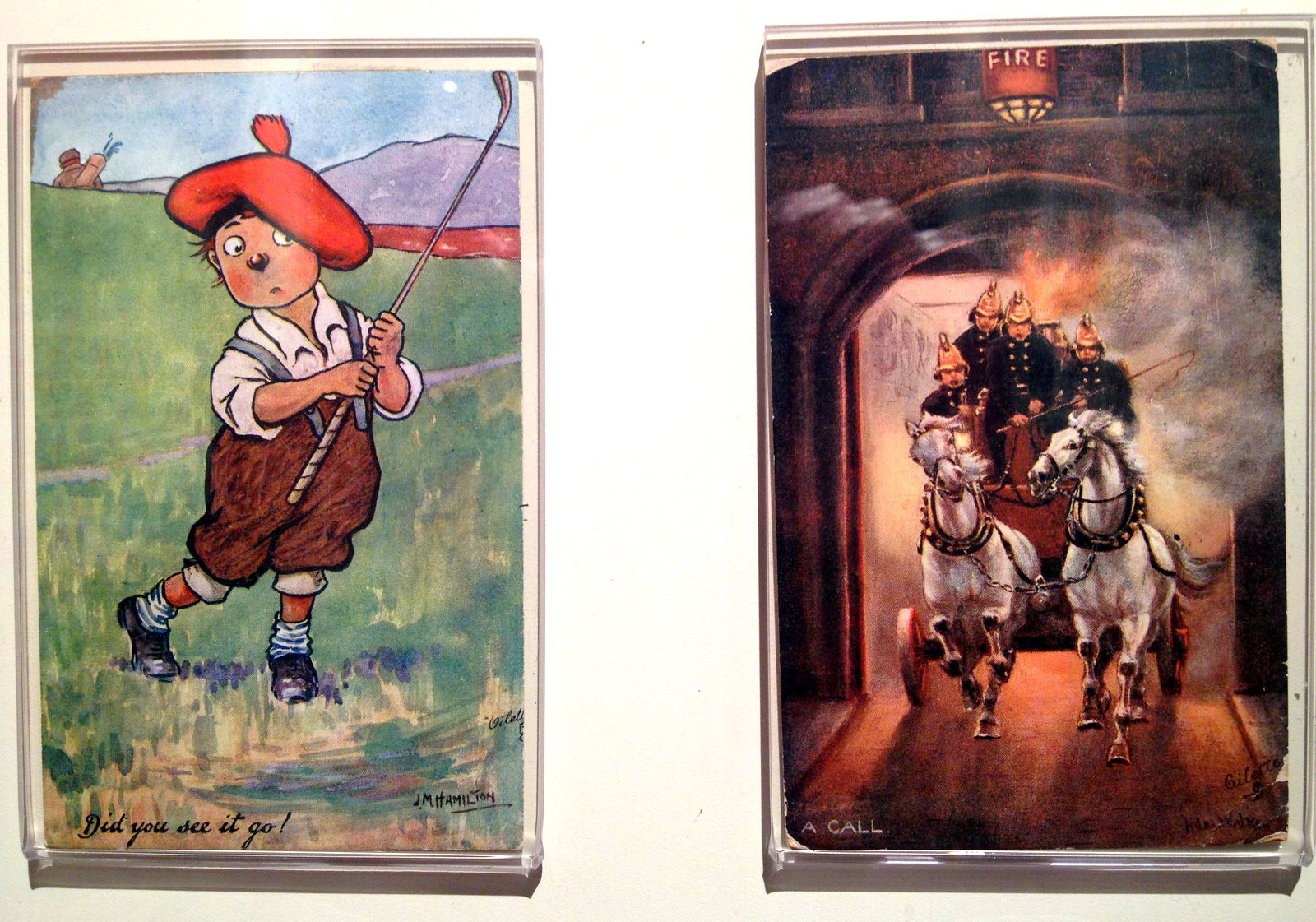
Artsy postcards
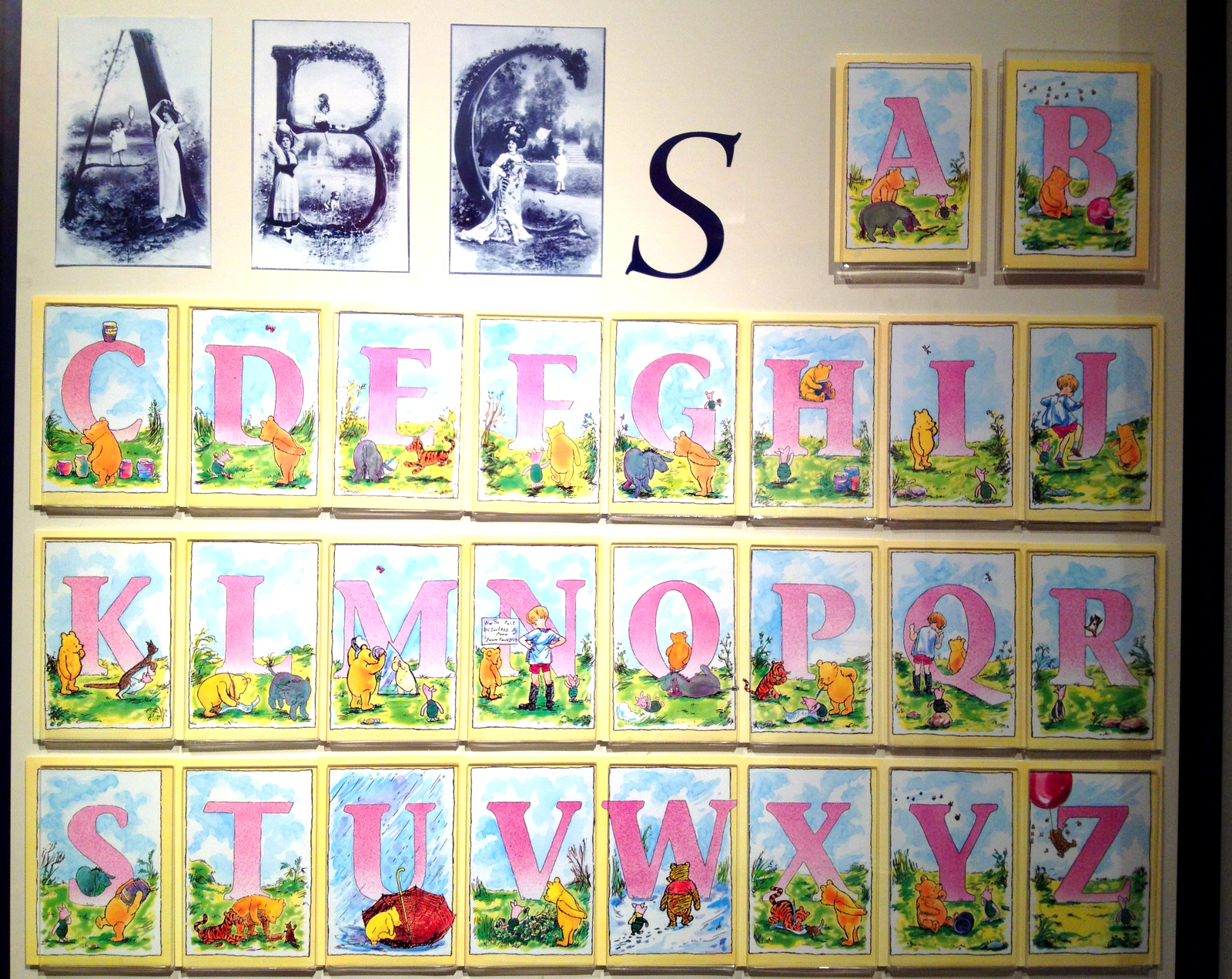
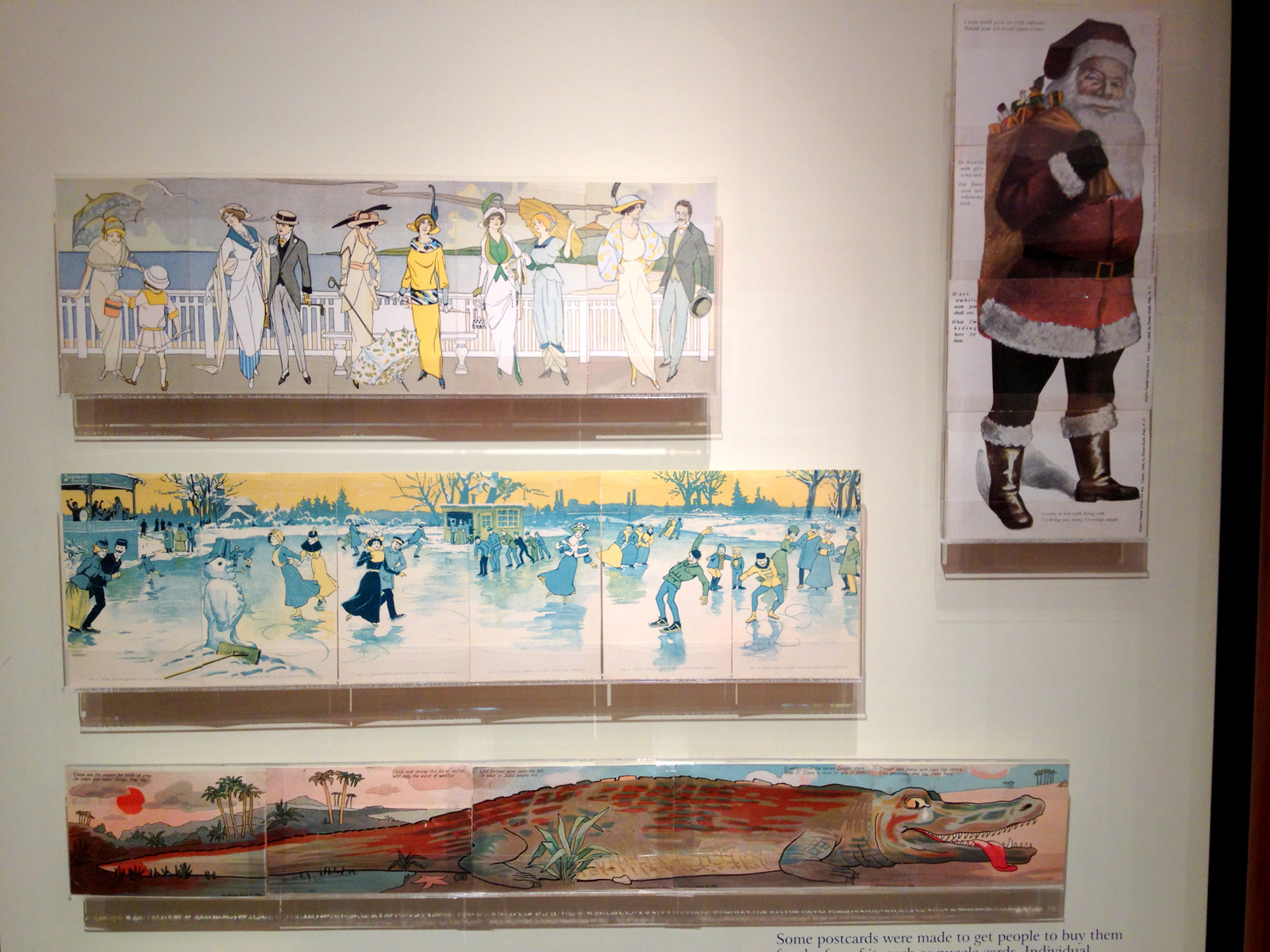
Alphabet postcards and installment postcards on which the complete picture extended over several cards.
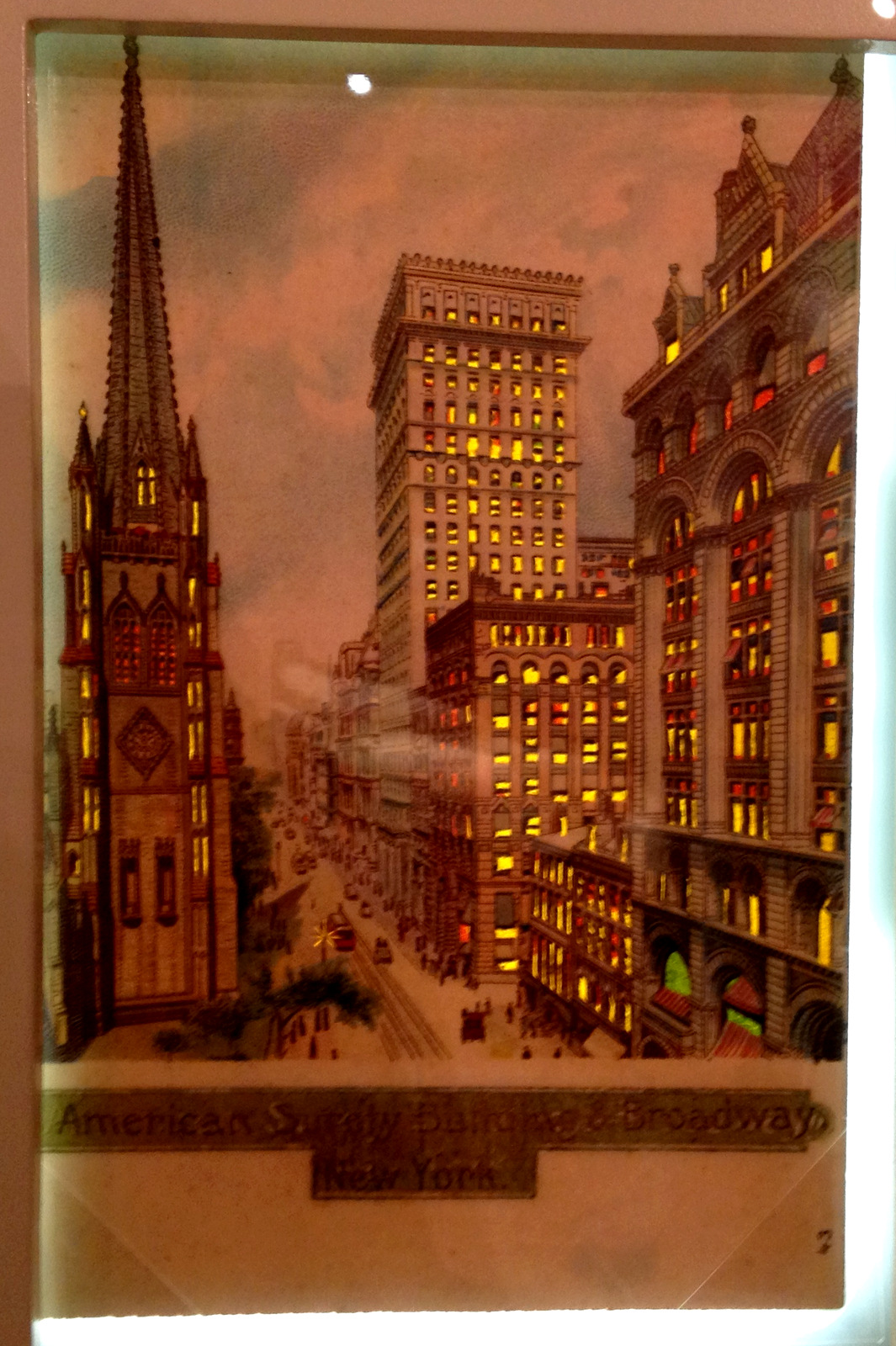
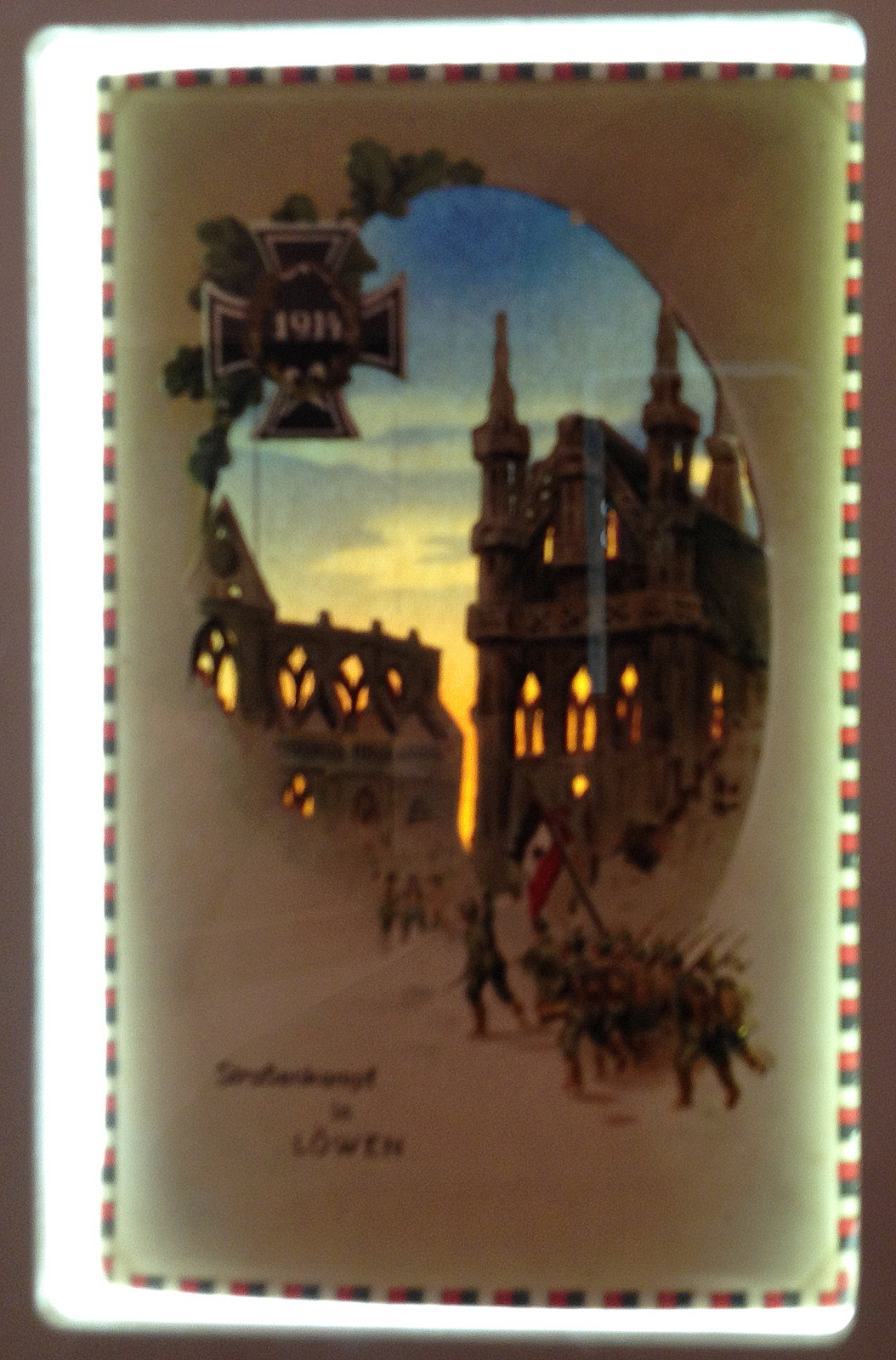
These were meant to be held up to a light source.
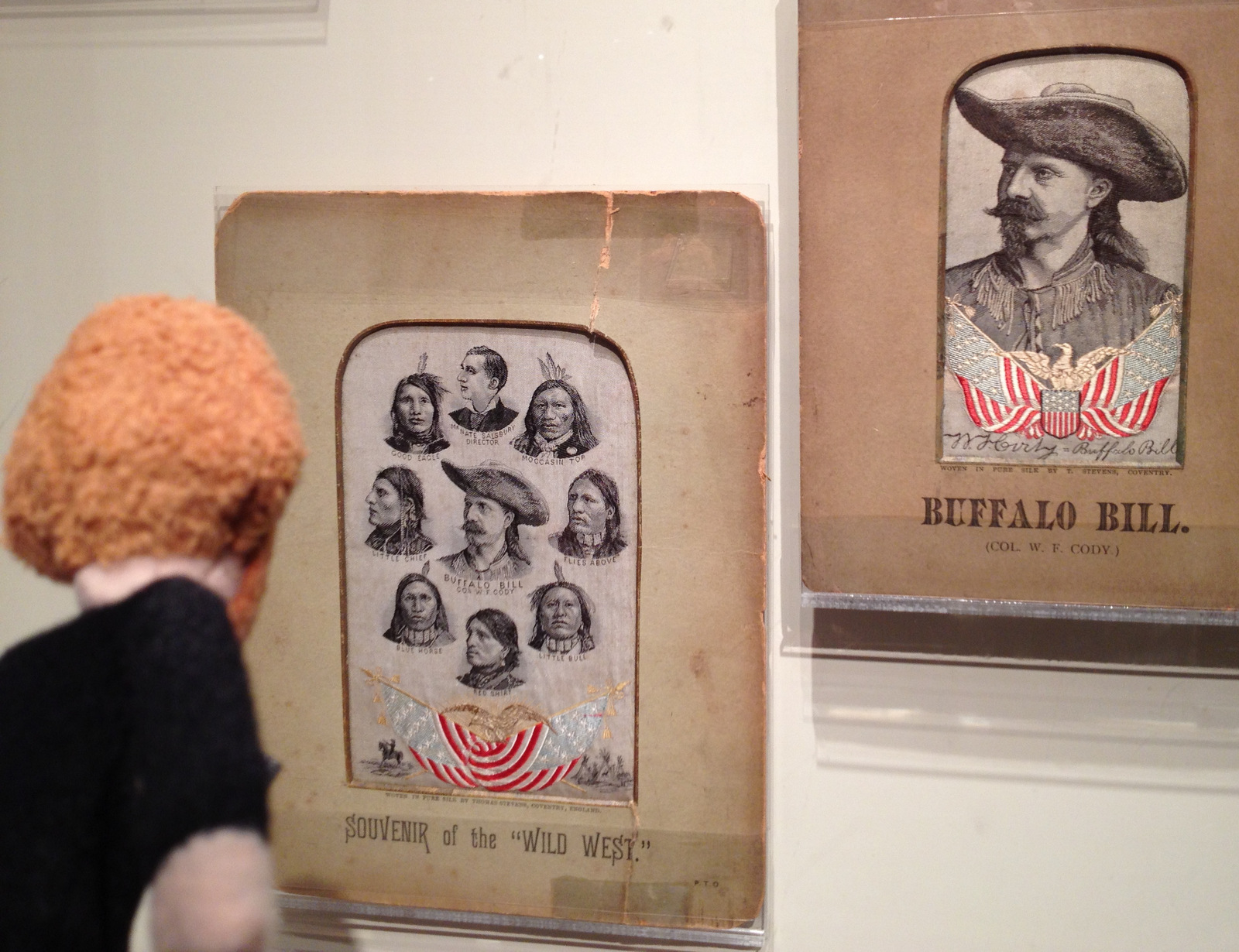
Silk Postcards
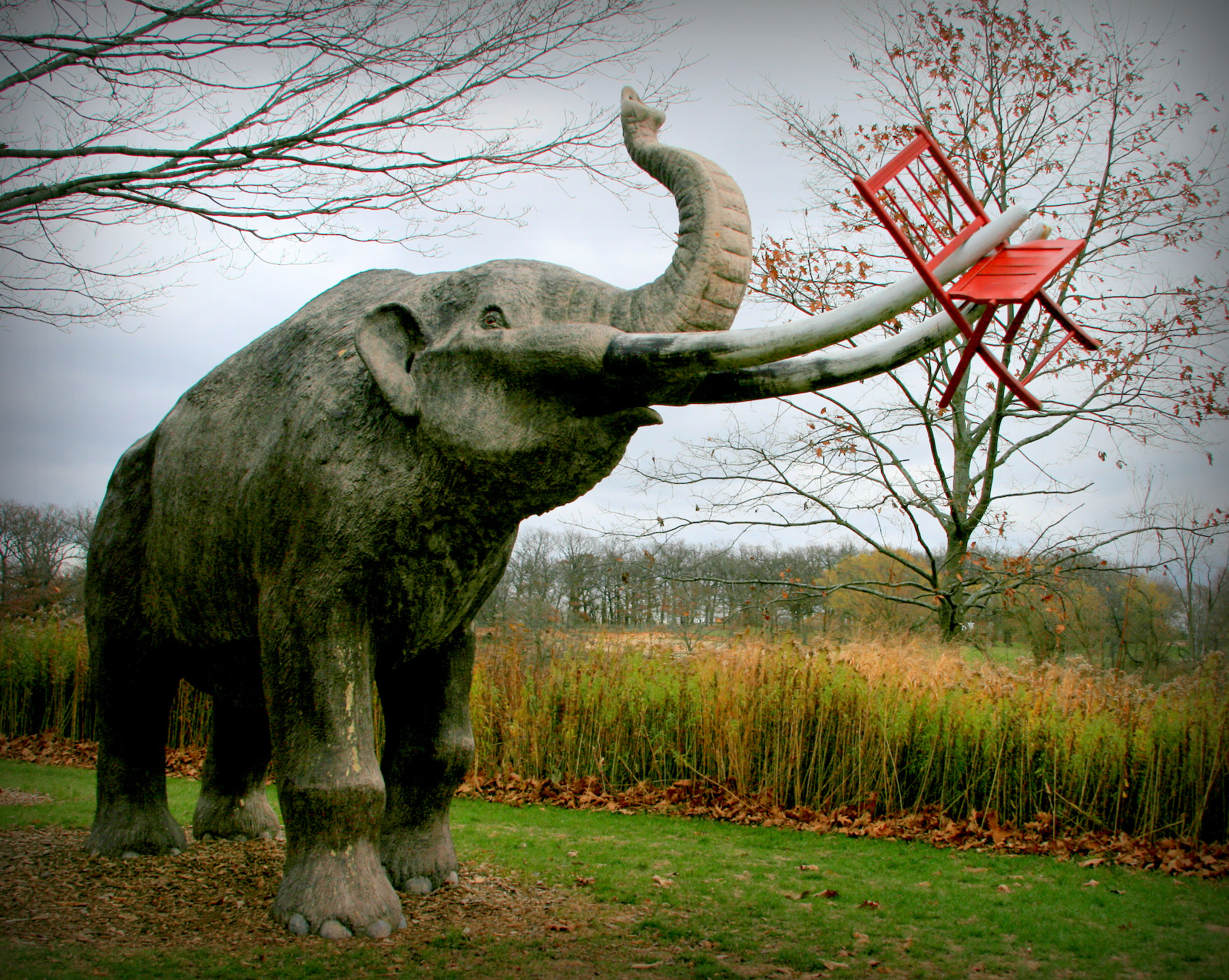
Somebody took a look at this eclectic mix of a museum and decided it wouldn’t be complete without a life-size mastodon statue out front. And I decided the mastodon statue wasn’t complete without a red chair shot.