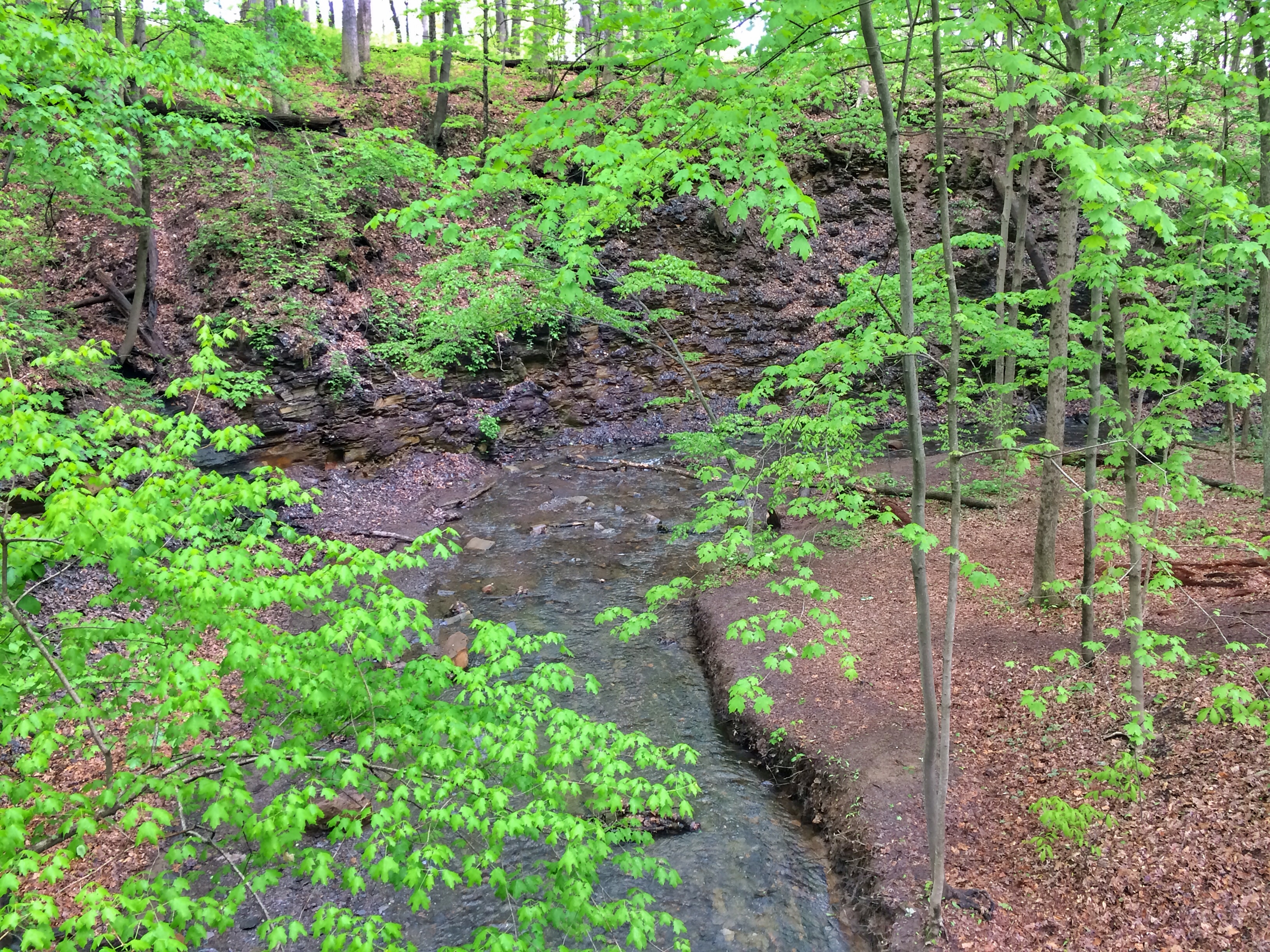
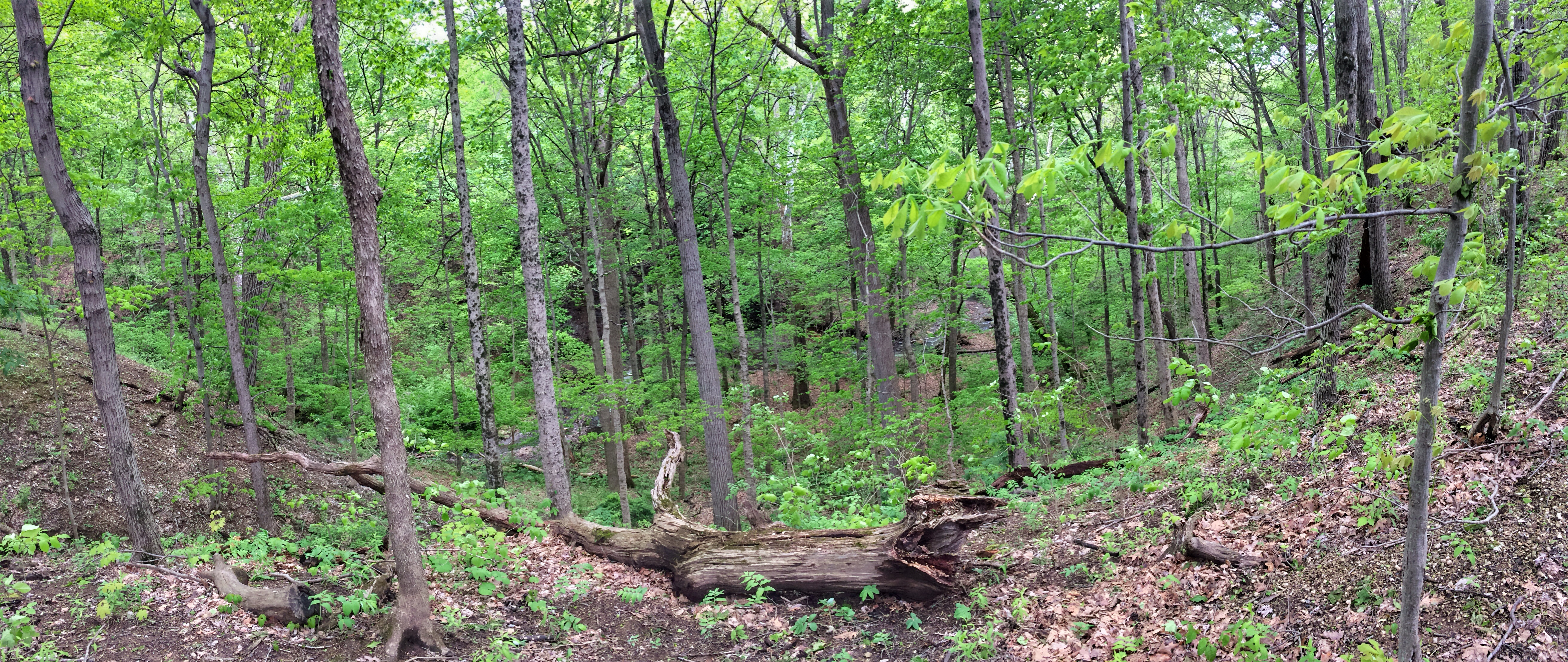
Hocking Hills State Park

I thought this would be a good place to get away from the crowds in Columbus and do some birding while welooked at waterfalls.

We did look at waterfalls.

The park, which I just picked off a map with very little research, turned out to be stunningly beautiful and very crowded. And I only saw a handful of common birds.

We managed to find a spot in the huge, full lot. We spent about three minutes in the visitor center, then walked down to the Old Man’s Cave.

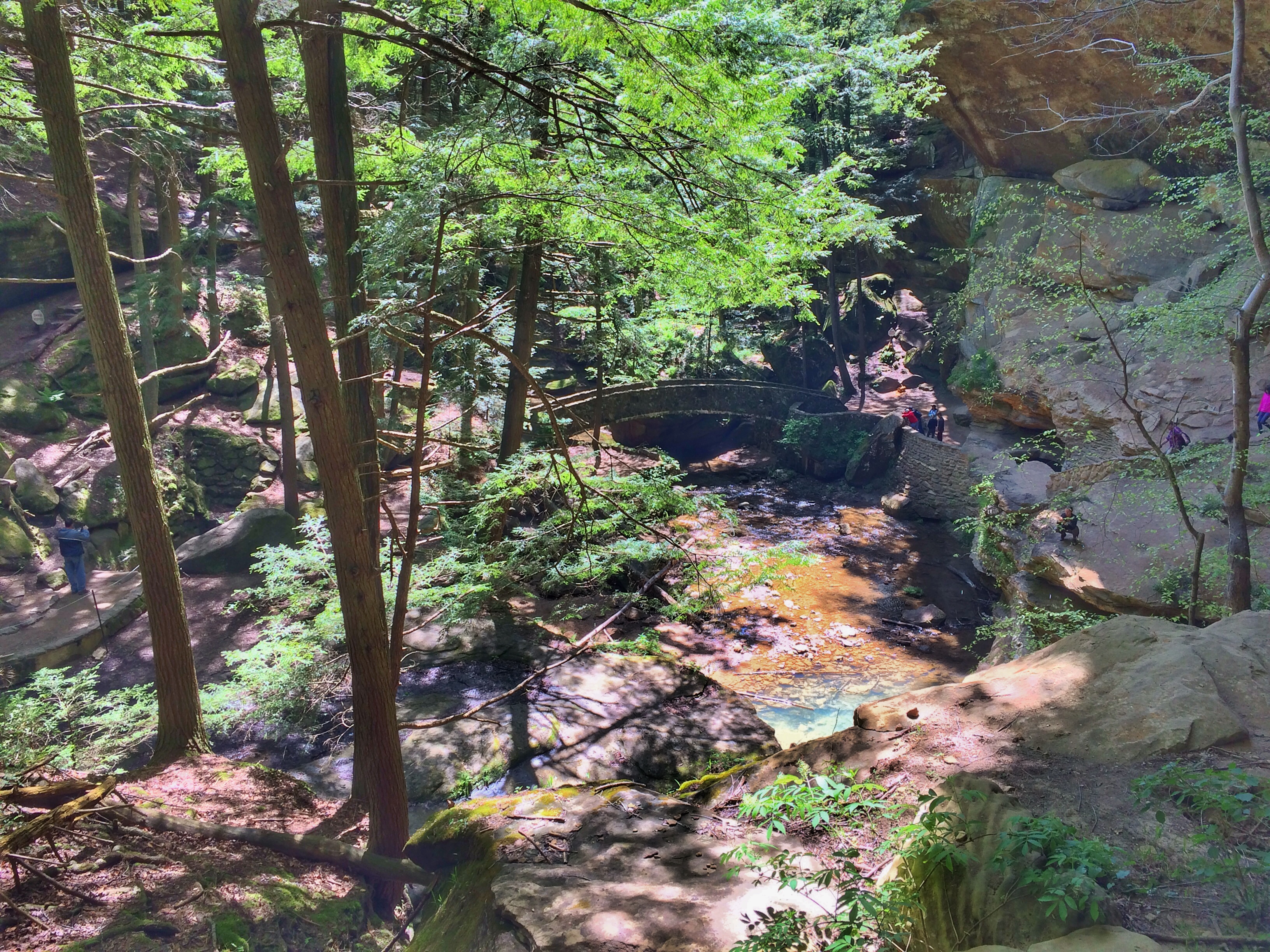
IMG_7232

IMG_7233

IMG_7234

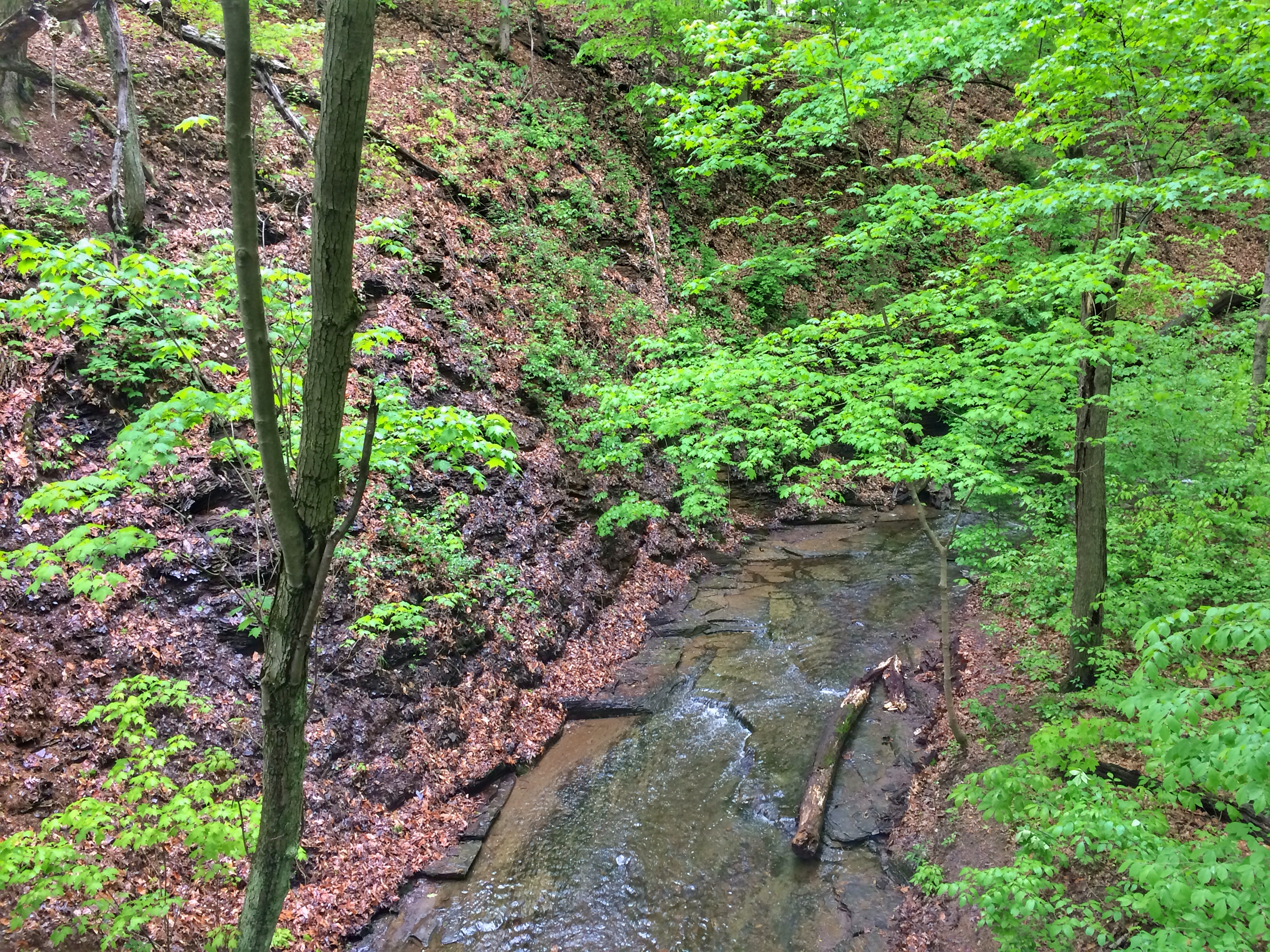
A second falls was behind me when I took the above photo from the bridge. We climbed down and found a huge mob of people enjoying it. I stood at the very edge of the water and managed to get a crowd-less shot.

IMG_7244

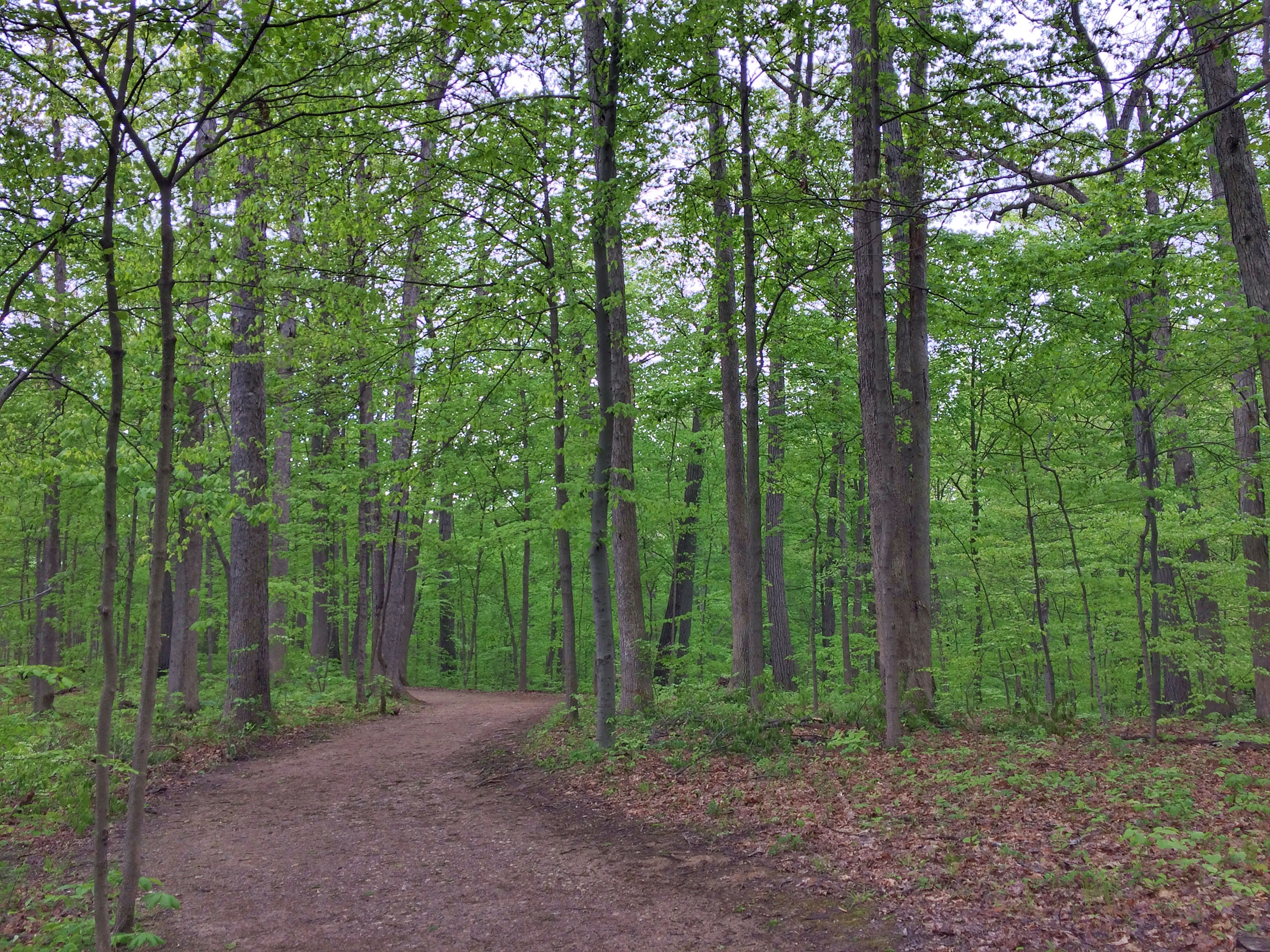
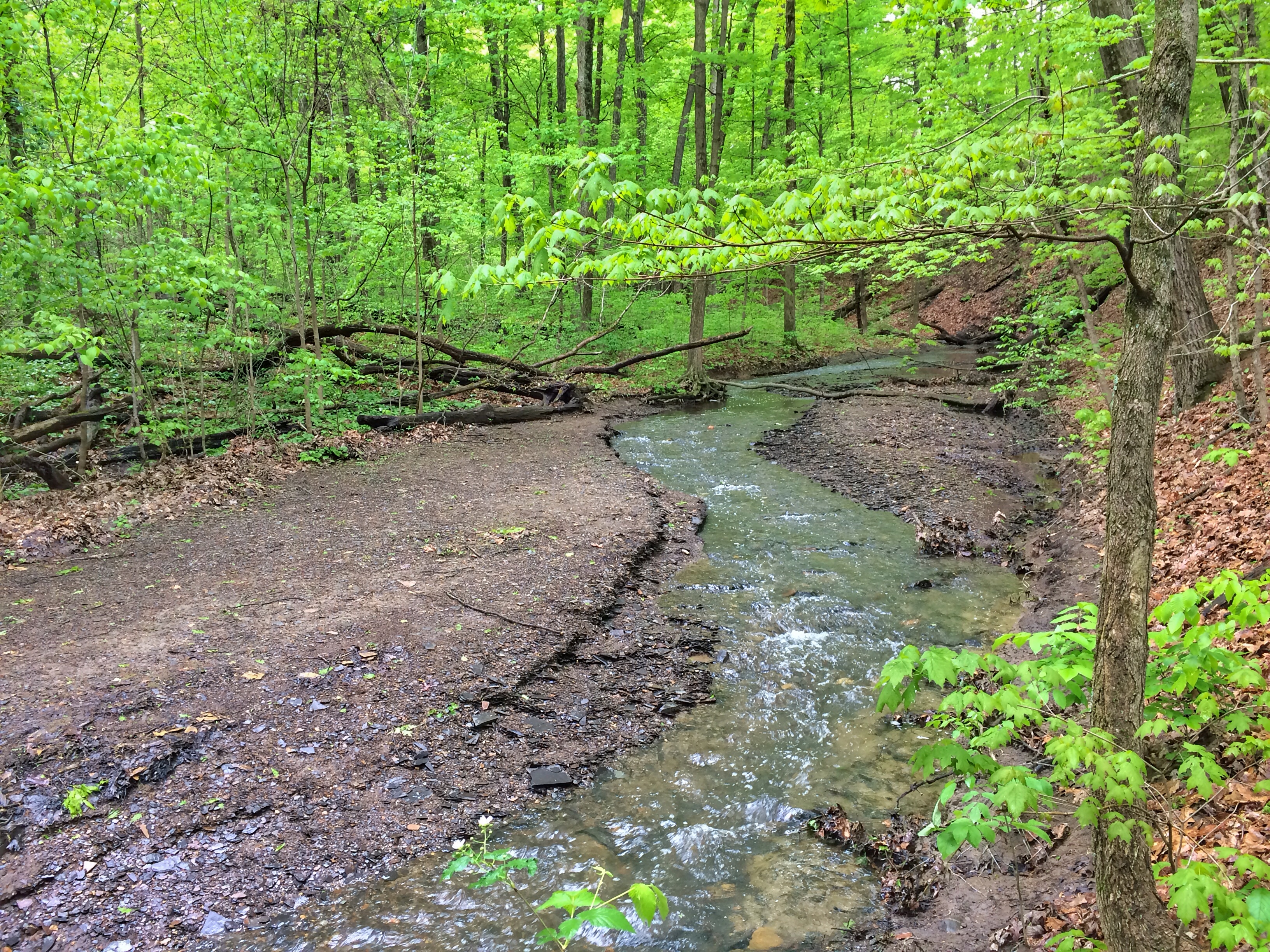
My wife pointed to a trail that led down along the creek and said that it seemed less crowded in that direction. We started walking and ended up going three miles along the gorge past some beautiful scenery. And there were fewer people most of the time.

IMG_7245

IMG_7247

IMG_7249

It wasn’t an easy trail. There were a lot of steps up and down and quite a bit of mud and some places where we had to clamber over rocks.

IMG_7251

We were getting further away from the car and we hadn’t brought any water. I suggested we go back, but we kept seeing signs for Cedar Falls, and my wife decided we should go for it. When we finally arrived, we found another crowd. But it was still a pretty place.

IMG_7258

There was a second falls nearby.

IMG_7259

We were now approximately three miles from our car. I suggested we climb out of the gorge and walk back on the rim trail. This was flatter and easier, and much less crowded, but still a hike. The trail took us past Rose Lake.

IMG_7260

When we finished, we were tired and thirsty, but we’d had a very good time.

Posted in Ohio | 1 Comment

Sherman House Museum

We drove to Lancaster, Ohio, to tour the birthplace of William T. Sherman, the Civil War general. It was also the birthplace of his brother, Senator John Sherman, mostly known these days as the author of the Sherman Antitrust Act; but he was also Secretary of State and Secretary of Treasury.

IMG_7223

We arrived right at noon, when it opened. There was a key on the front door that we turned to ring the doorbell. Just as we did, the noon chimes went off in a nearby church and threw us for a second. An old guy let us in and had us pay his wife. She processed it on carbon paper, like it was 1970. The old guy started the tour, but had only gotten a minute or so into it when the chime rang again. We had to stand around while the woman wrote out another carbon-paper receipt. We started the tour again. About three rooms into it, another couple came, but fortunately, they just caught up from where we were.

Sherman only lived in the house from 1821 until 1829 when his father died. He was then brought up with the Ewings, a neighboring family. After graduating from West Point in 1840, he married one of the Ewing’s daughters, Ellen.

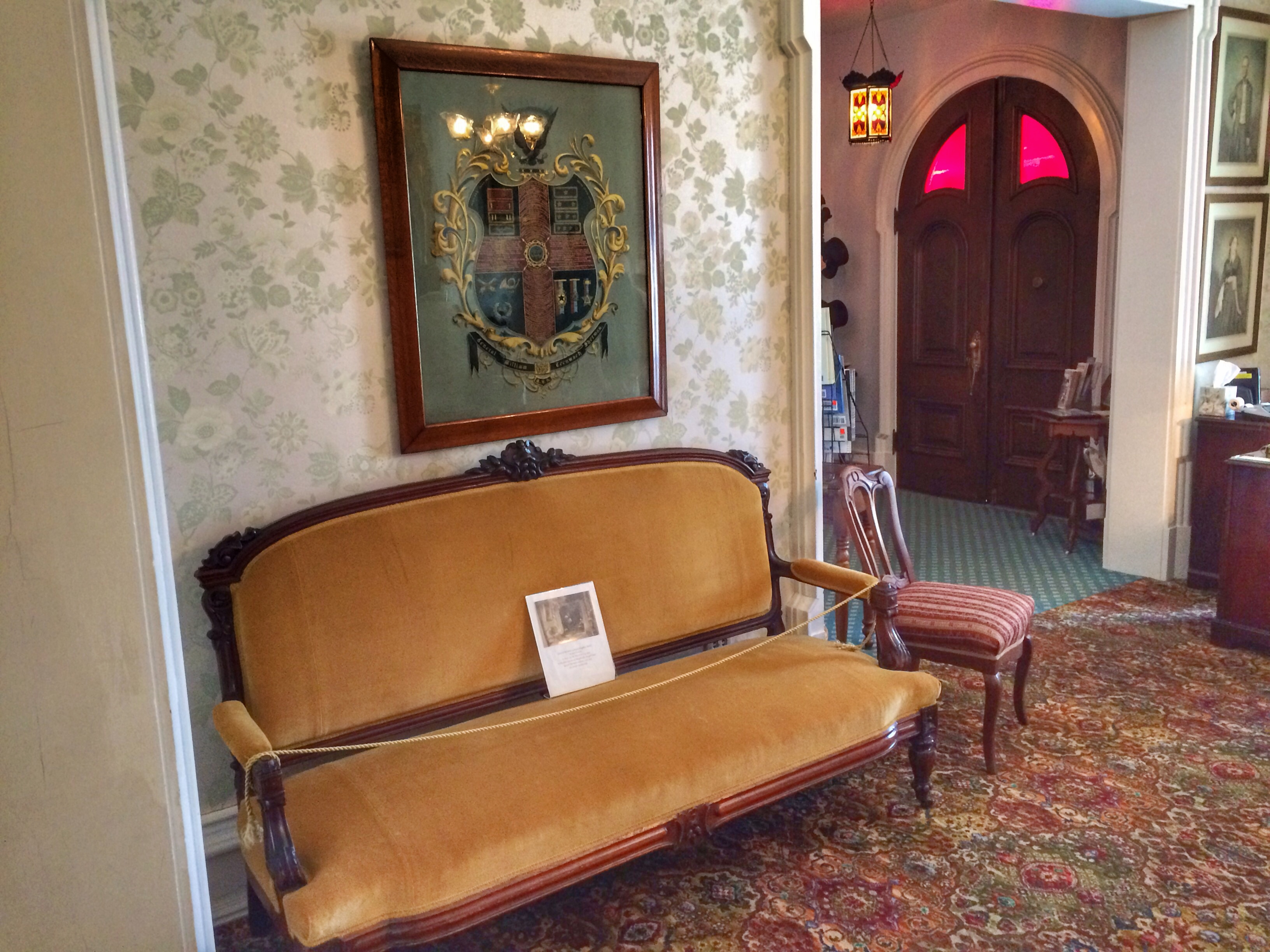
The house contains quite a bit of furniture that belonged to Sherman at one point or another in his life. The gold-padded furniture belonged to Ulysses Grant before Sherman obtained it.

IMG_7198

IMG_7218

The chairs have scenes from Shakespeare.

IMG_7221

We were told that the sculptor informed Sherman that his tie was crooked. He supposedly replied, “I’m general of the army. I can wear my tie however I want.”

IMG_7220

IMG_7219

Sherman’s father was an attorney. This was his office in the house. Although it’s on the side, it was off the main entrance. Houses often had their front doors off the street to avoid the dust.

IMG_7217

The dining room. I think all the furniture in this room was just period pieces, but it was the nicest room in the house.

IMG_7216

IMG_7213

The cradle in the upstairs bedroom was the Sherman’s and supposedly held William.

IMG_7212

The other upstairs rooms were used for displays on the Sherman family and the Civil War.

IMG_7211

Two of the pieces, the trunk with his name on it and the writing desk on the table, belonged to Sherman.

IMG_7210

For a local historical association, the curators do a pretty good job. I’ve been in a lot less interesting, informative historic homes. Our guide knew his stuff, although he wasn’t a great communicator.

IMG_7222

Posted in Ohio | Comments Off on Sherman House Museum

Highbanks Metro Park

There’s not a lot I miss about the midwest, but I do miss spring migration. I haven’t found reliable spots in Colorado yet. So when I had a chance for a couple of hours of birding in central Ohio, I grabbed it. The closest place to our hotel was Highbanks Metro Park. I wasn’t expecting much — just some wood lots and picnic areas and ball fields. But what I found was a beautiful stretch of tall woods along a creek that ran through a ravine. It was cool and overcast and raining off-and-on, which limited the migrants, I’m sure. But I saw several of my old friends, including a Black-throated Blue Warbler.

IMG_7174

IMG_7175

IMG_7176

IMG_7177

IMG_7157

I stopped at Chipotle on the way back to the hotel and arrived in time to see this out our window.

IMG_7181

Posted in Ohio | Comments Off on Highbanks Metro Park

Sharp-shinned Hawk

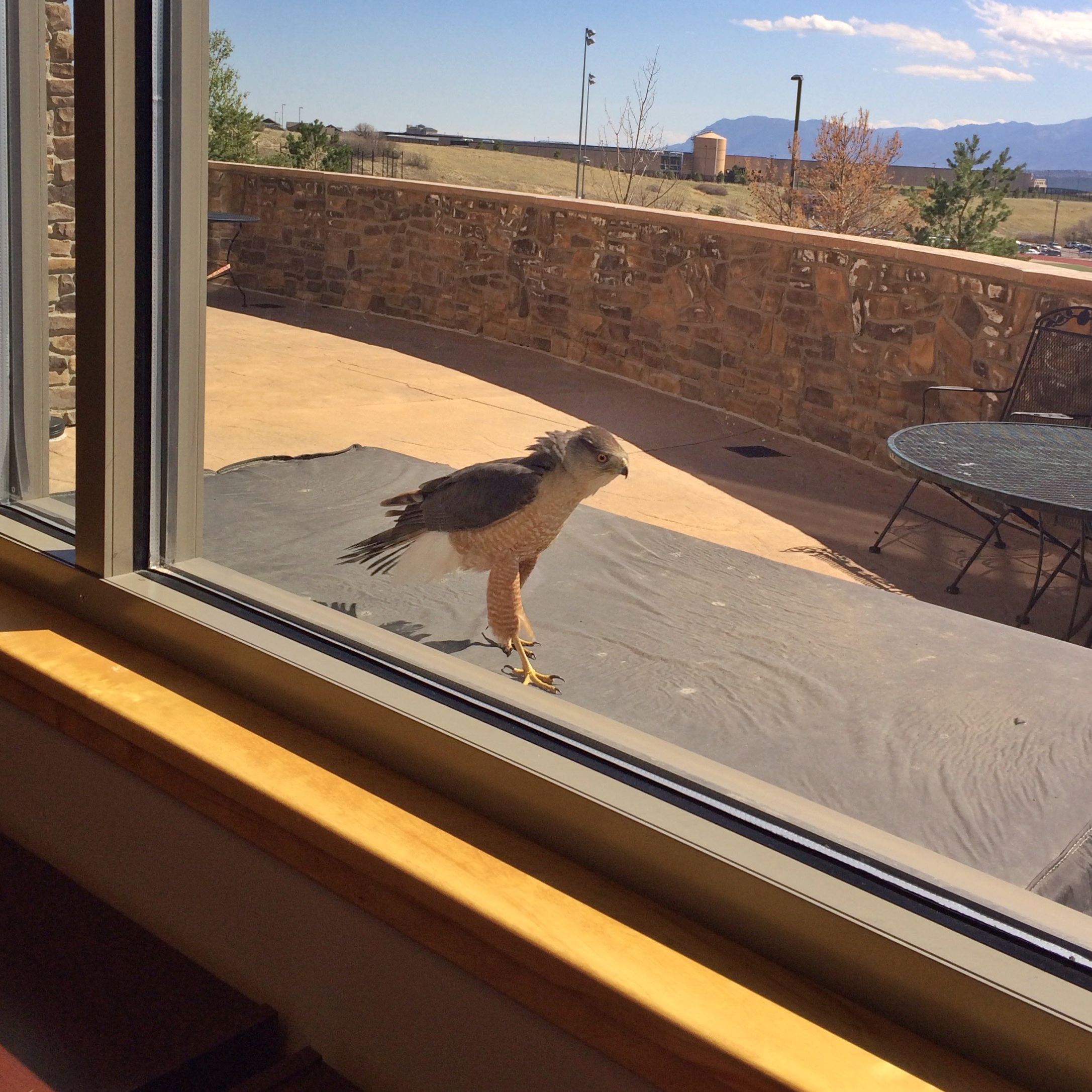
For several days in early May, a Sharp-shinned Hawk was hanging around the office. At times we saw it perched on cars or in the ponderosa pines. Occasionally it would flash past a window. But mostly it worked its way around the building attempting to chase its own reflection out of the territory. It still remains to be seen if it succeeded.

IMG_7165

IMG_7145

IMG_7143

It fooled me at first because it seemed large, but female Sharp-shins can be as large as male Cooper’s. I decided it’s a Sharp-shin because of the squared-off tail with a narrow terminal band, the small head and the lack of contrast between the crown and back colors.

Posted in Wildlife | Comments Off on Sharp-shinned Hawk

Manitou Springs Cliff Dwellings

It’s hard to know exactly what’s what at this place. The cliff dwelling isn’t an original, but the story goes that much of the material was scrounged from actual cliff dwelling ruins elsewhere in the state. The bricks were brought here and assembled to look like a representational cliff dwelling. It’s all held together by cement.

IMG_7084

I was surprised to discover that some of the structure was built in 1898 and that it’s been a tourist spot since 1907. Until 1984, Indians lived in it, or at least pretended to.

IMG_7069

The holes are doorways into rooms that are maybe five feet by five feet. Each room housed a family (or would have if it had been real). The round tower is thought to be for grain storage “because it looks like a silo.”

IMG_7073

Here’s a view into someone’s home.

IMG_7071

One thing I learned. The dwellings were built under overhanging cliffs, but they weren’t attached to the rock. I always figured the back wall was the hill, but there is a space between the back walls and the rock where stuff was stored or tossed and where bodies were kept until they mummified, which in the dry air didn’t take long.

IMG_7072

This is a cliff-top hut used as a lookout post.

IMG_7074

There was also a pueblo built to resemble the structures the Indians built after they gave up cliff dwelling. The pueblo was built in 1898, I believe.

IMG_7075

The inside was 20% museum and 80% gift shop. I wasn’t even sure if the artifacts in the museum were authentic.

IMG_7076

There were also displays on the history of the site as a tourist attraction.

IMG_7077

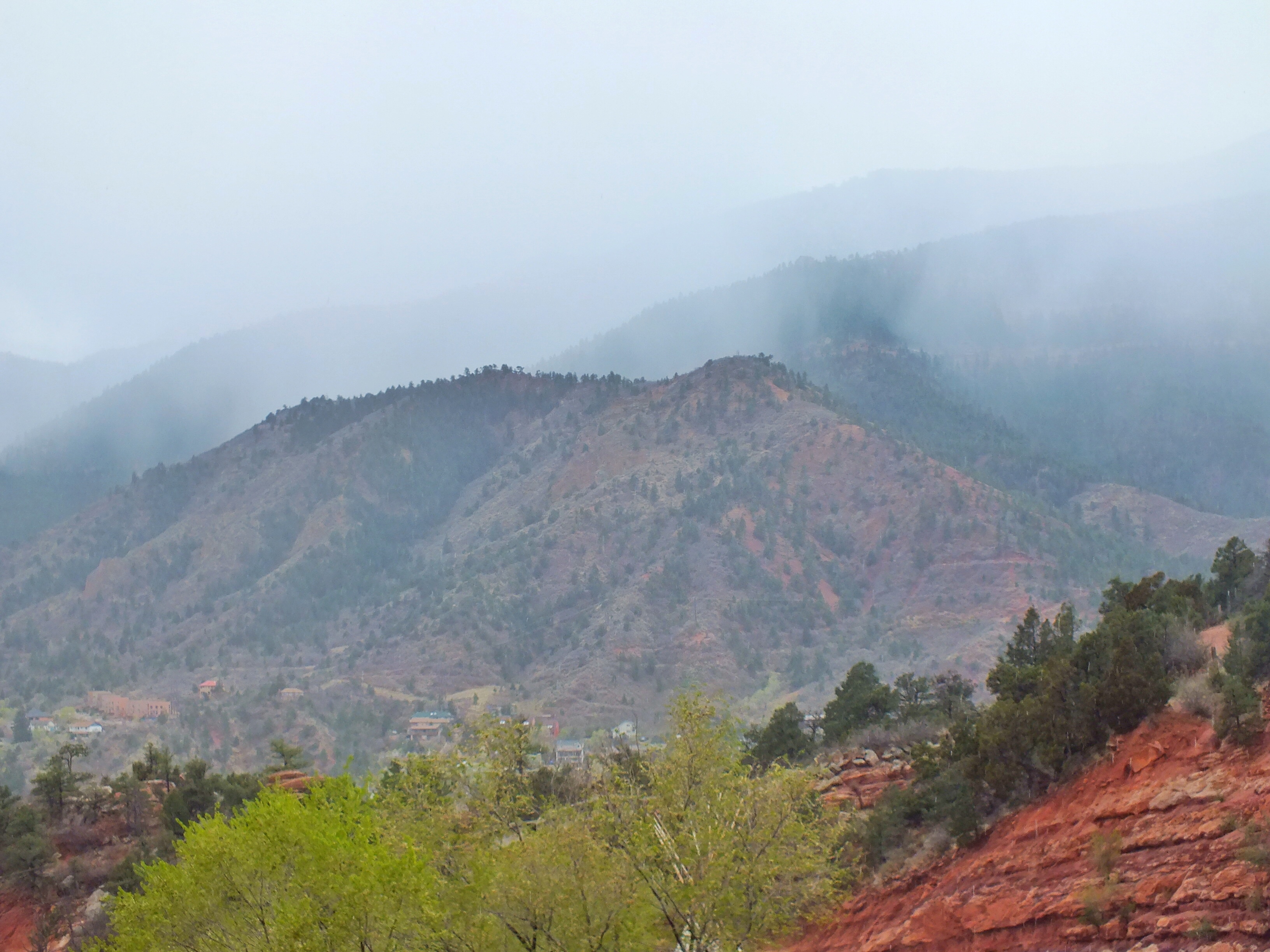
It rained off an on while we were there, and the view of the mountains across Ute Pass was a lot more beautiful than this photo makes it look.

IMG_7070

I went because I’m doing posts on the attractions in the area. But because we didn’t have high expectations, it was actually fairly enjoyable. Having said that, I don’t need to go back again.

Posted in Colorado | Comments Off on Manitou Springs Cliff Dwellings