
While my wife shopped in downtown Shipshewana, I searched for something more to my taste. I discovered an antique auto museum tucked into a corner of an event center. When I arrived, it was only 45 minutes to closing, but I was just passing the time anyway, so it didn’t matter. As it turned out, it was one of the most enjoyable museums I’ve ever visited.
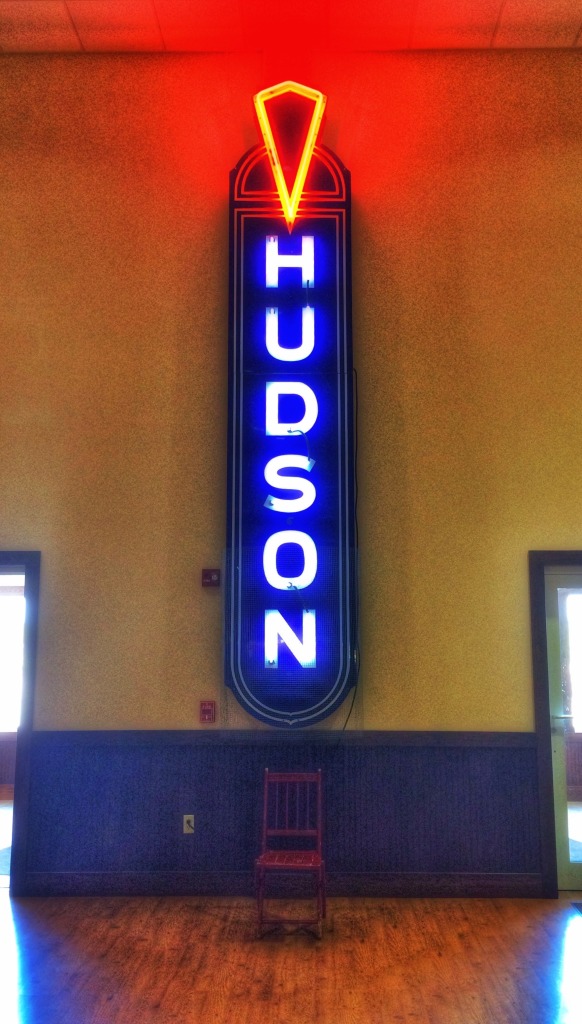


The cars were stunning. I took photos of almost every one, but I’ll only post my favorites. Even so, this will be a long post if you’re not into old cars.
1910 Hudson Touring Car.

1915 Hudson Six-40. Blue was the only color available.

1928 Hudson 4-Door Town Car. It was custom built for the wife of a patent medicine maker in Columbus, Ohio and was only driven by a chauffeur.


1929 Hudson Essex Speedabout, Boat-tail. This is one of my favorites in the museum. The body is aluminum and only five were made.
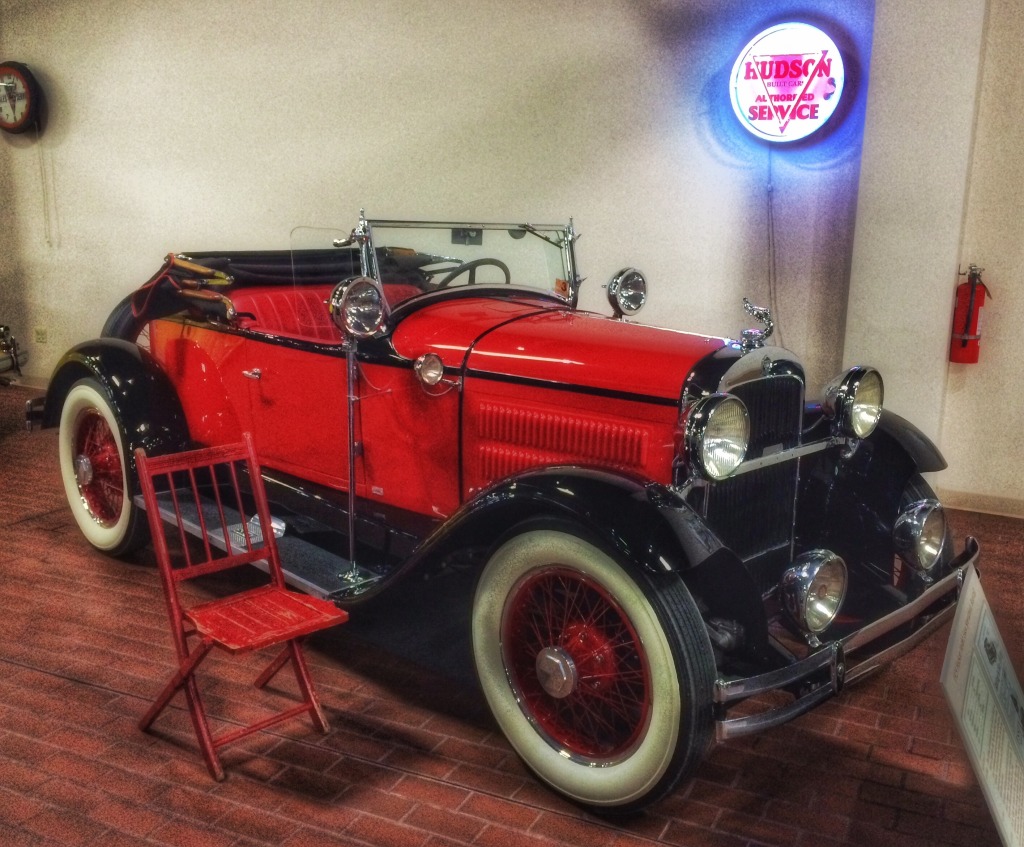

1929 Hudson R Convertible Coupe.

1929 Hudson Dual Cowl, Four Door, Sport Phaeton. I’m not a big fan of of the color scheme, but the lines are beautiful. Only seventeen were produced and only seven are left.


1929 Hudson L Club Sedan. This is the longest and heaviest car Hudson ever made. The company that built the body, Biddle & Smart, specialized in horse-drawn hearses.


1931 Hudson. This is another of my favorites. This particular car was given to President Herbert Hoover by Hudson president Roy Chafin (who was Secretary of Commerce at the time) to use in Panama during a conference with Latin American leaders. The car was left in Panama and used as a taxi for several years before being returned to the United States and restored.


1931 Hudson T Sports Roadster. Another boat-tail model with a rumble seat.


1933 Hudson Terraplane Convertible. This model set several hill-climbing records.


1933 Hudson Terraplane Flower Car.


1936 Hudson Series 65 Convertible Coupe. I hate the color but found the styling impressive. The front-opening doors were called “suicide doors.” I’m not sure why.


1937 Hudson Terraplane Four Door Sedan. This model got 21.08 miles per gallon at an average speed of 86.54 mph. And it had a “bubble trunk.”


1937 Hudson Custom Eight.


1937 Railton with a Hudson Eight-Cylinder Chassis. Railton was a distributor of Hudson cars in England. The body was made by Ranalah Coachworks in Wimble, England.

1937 Hudson Terraplane Pick-Up Express. The bed would hold a 4’x8′ sheet of plywood.


1940 Hudson Traveler Business Coupe. Another of my favorites. Note the truck body that slides out of the trunk.


1942 Hudson Wood-bodied Station Wagon. This particular car was discovered moldering on a mountain top above Death Valley, California. A bulldozer had to be used to cut a path to bring it down. It needed extensive restoration.


An unrestored Woody Wagon for comparison.

1946 Hudson Super Six Brougham Convertible.


1947 Hudson Super Six Two-Door.

1948 Hudson Super Six Four Door. It featured a “step down” design which means that the car was built inside the frame instead of on top of it. All cars are now built this way. This car was featured in one of the earliest TV advertisement campaigns.


1951 Hudson Broughman Convertible Parade Car. I think they got a little carried away with the hood ornament and the rear bumper.


1951 Hudson Convertible. Only 550 of these cars were manufactured.

1953 Hudson Super Wasp Hollywood.


1956 Hudson Hornet Sedan. In 1953, Hudson and Nash combined to form American Motors. The Hudson name was dropped in 1957.
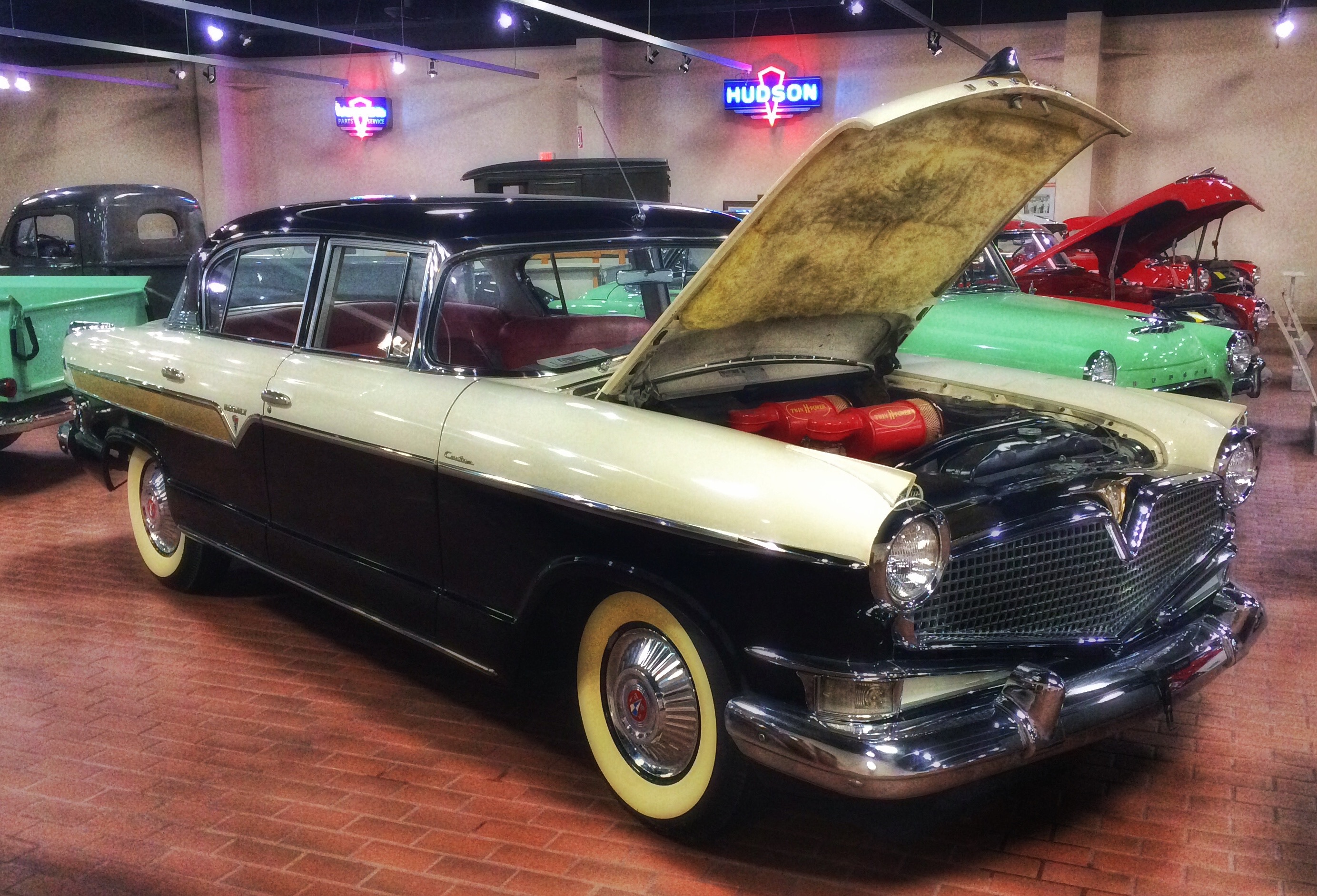
An overview of the museum. The three vehicles closest to the camera are a 1947 Hudson Pickup Long Boy, a 1952 Hudson Hornet Pickup and a 1927 Hudson Fire Engine built on a limousine chassis.

For most of my visit, I had the museum to myself. Another couple came in shortly before closing time. When I left, the doors were locked, but the woman behind the counter graciously allowed me to go back in with the red chair and take a few more photos.