
I headed back downtown. After a quick lunch at Panera, I walked to the Art Museum, then through Millennium Park to Navy Pier, then down the River Walk to the train station.

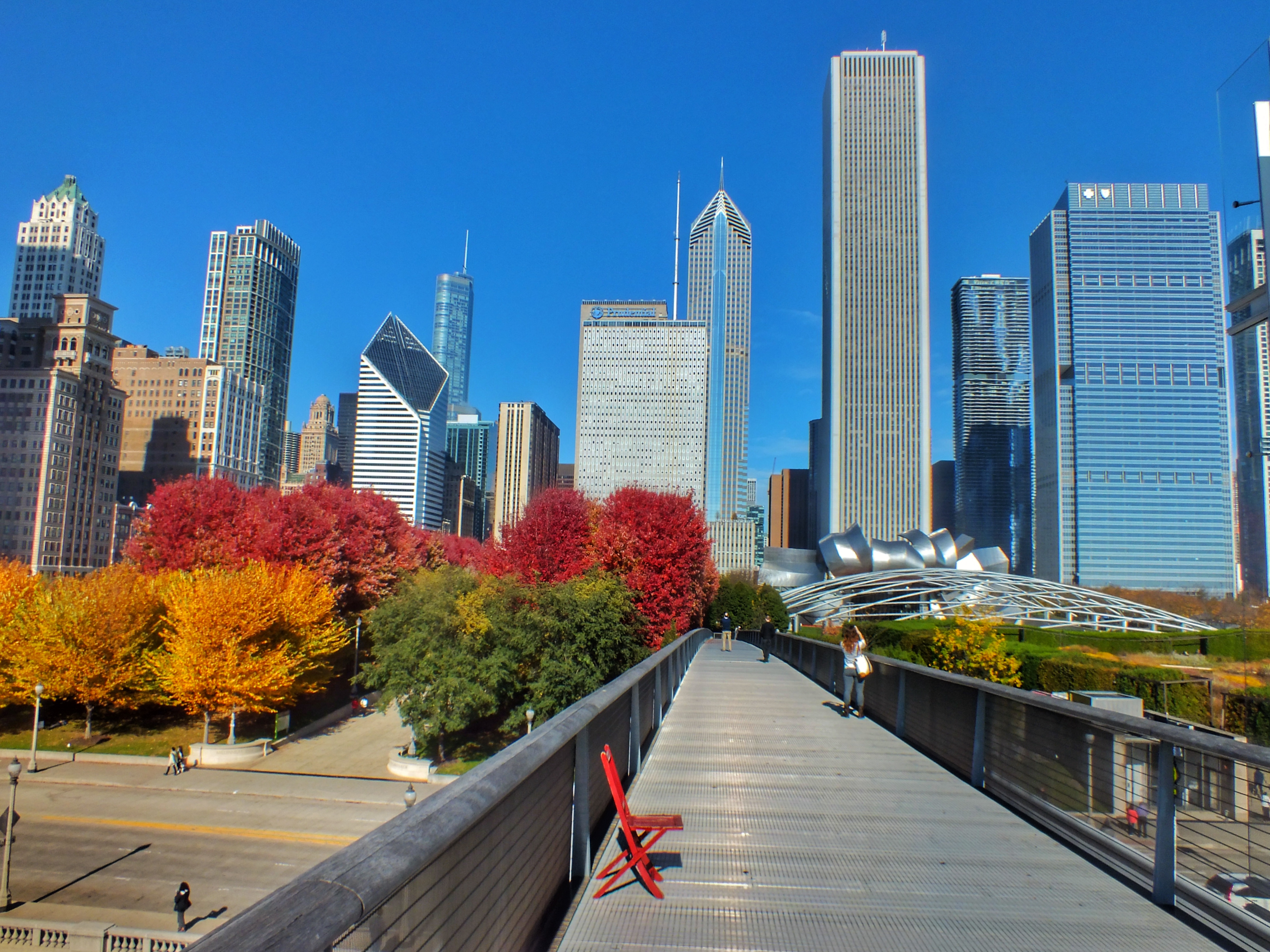
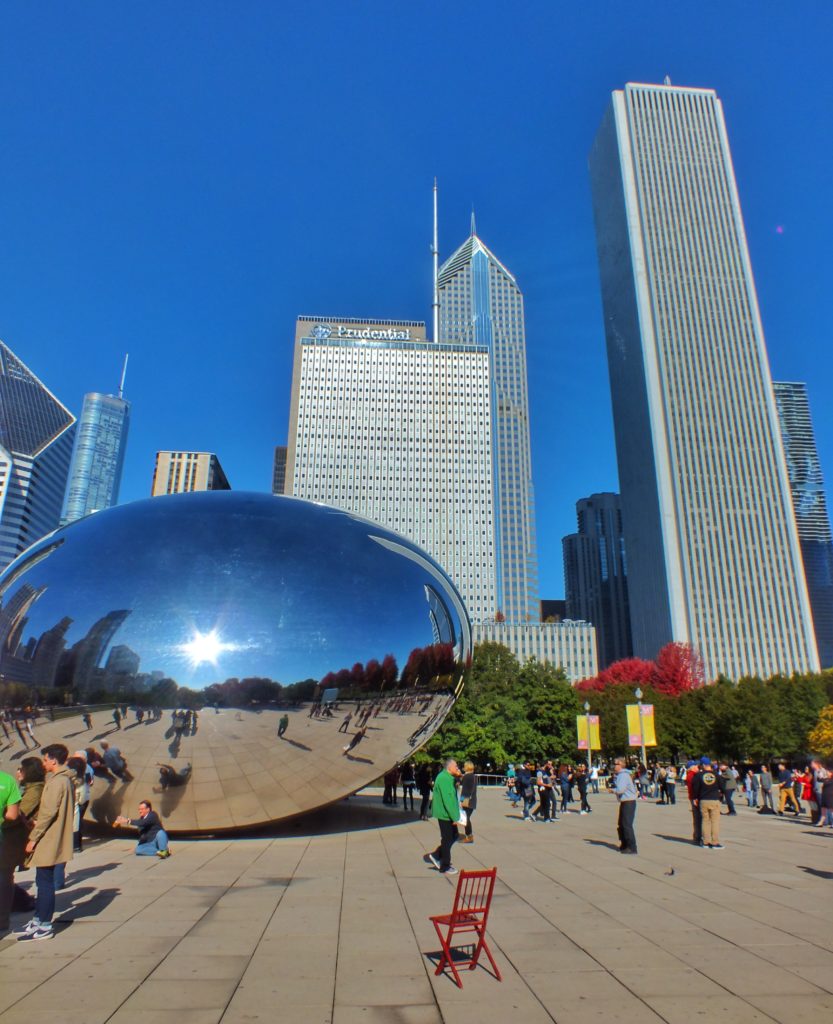
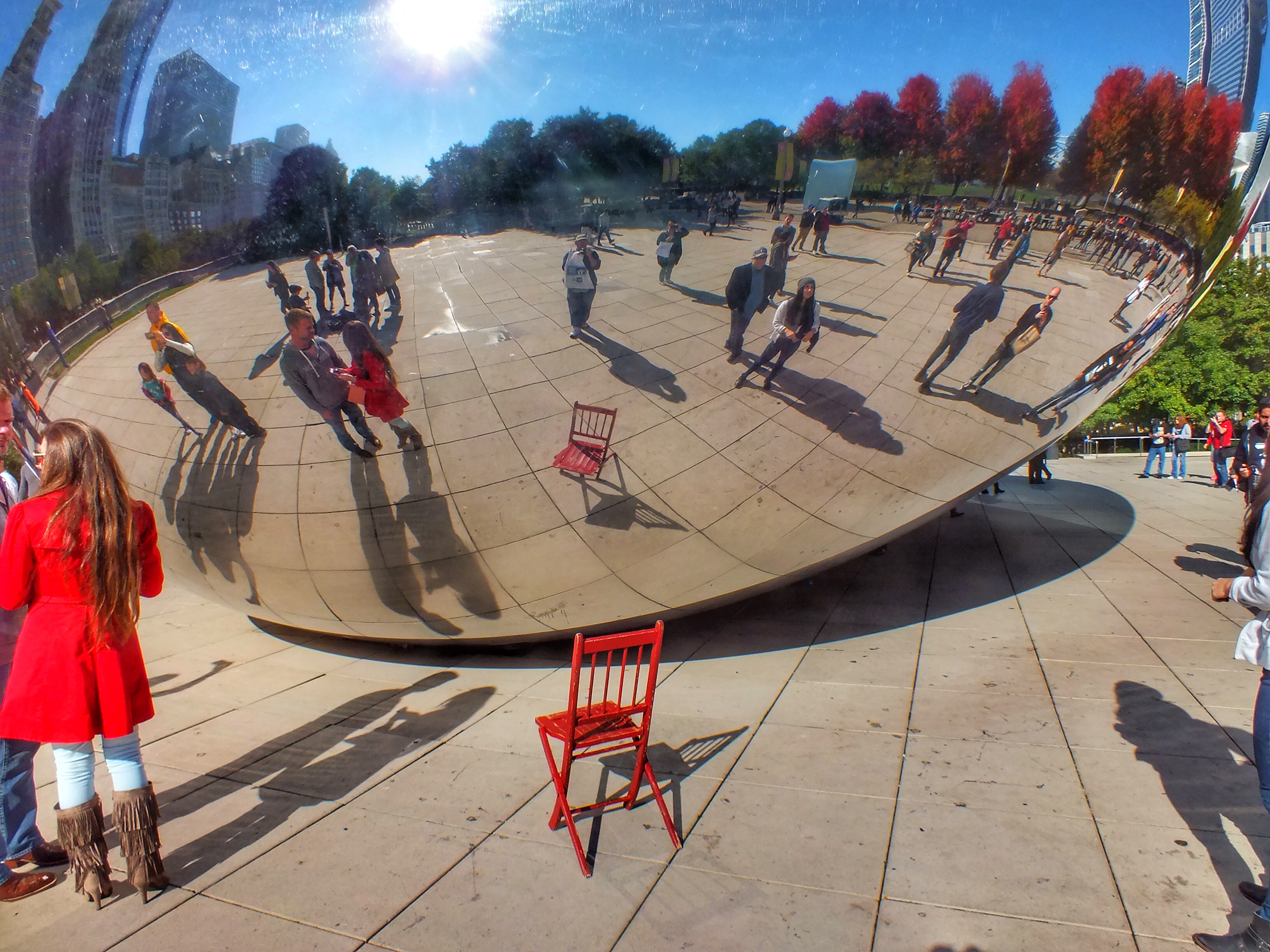
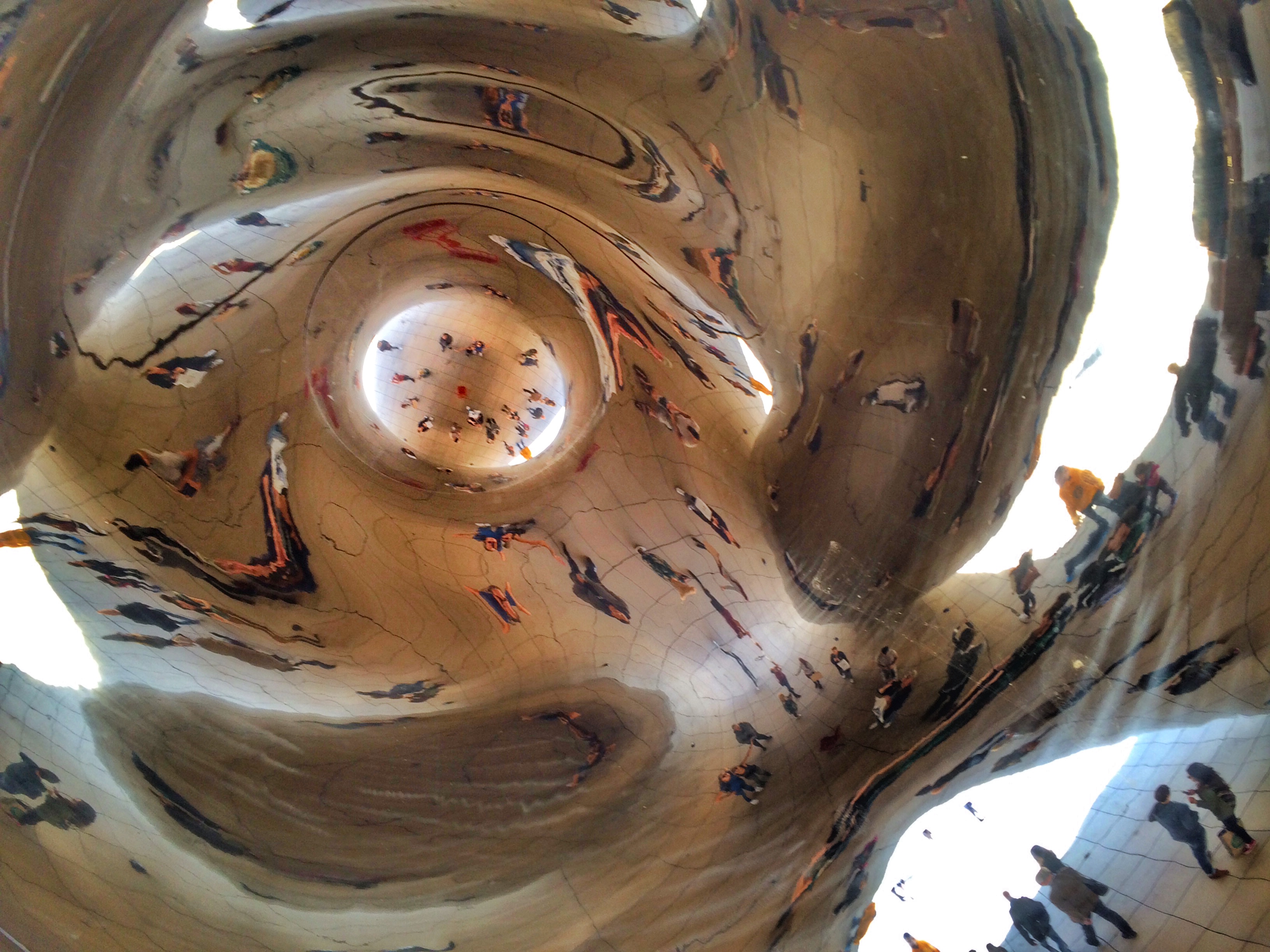
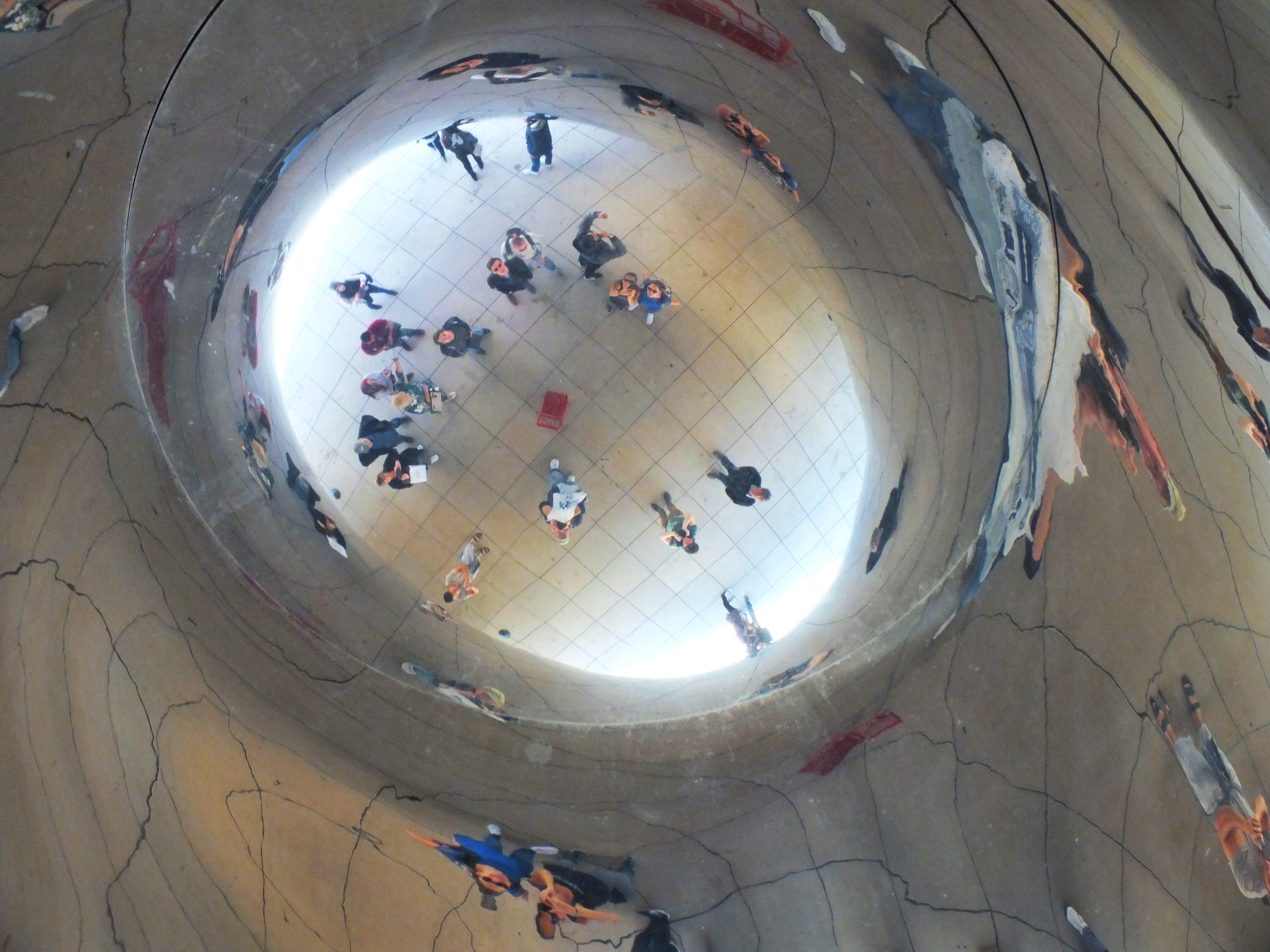
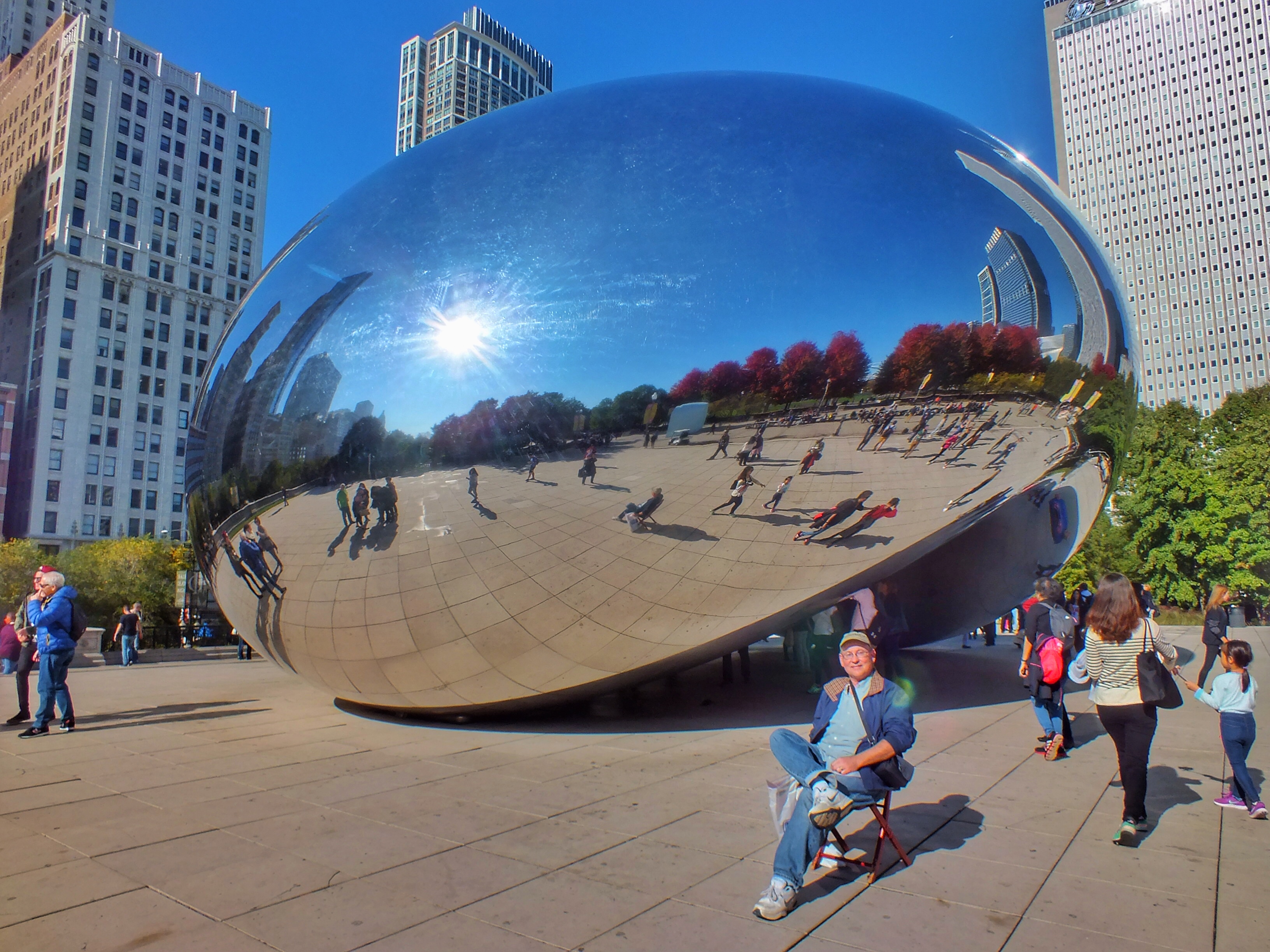
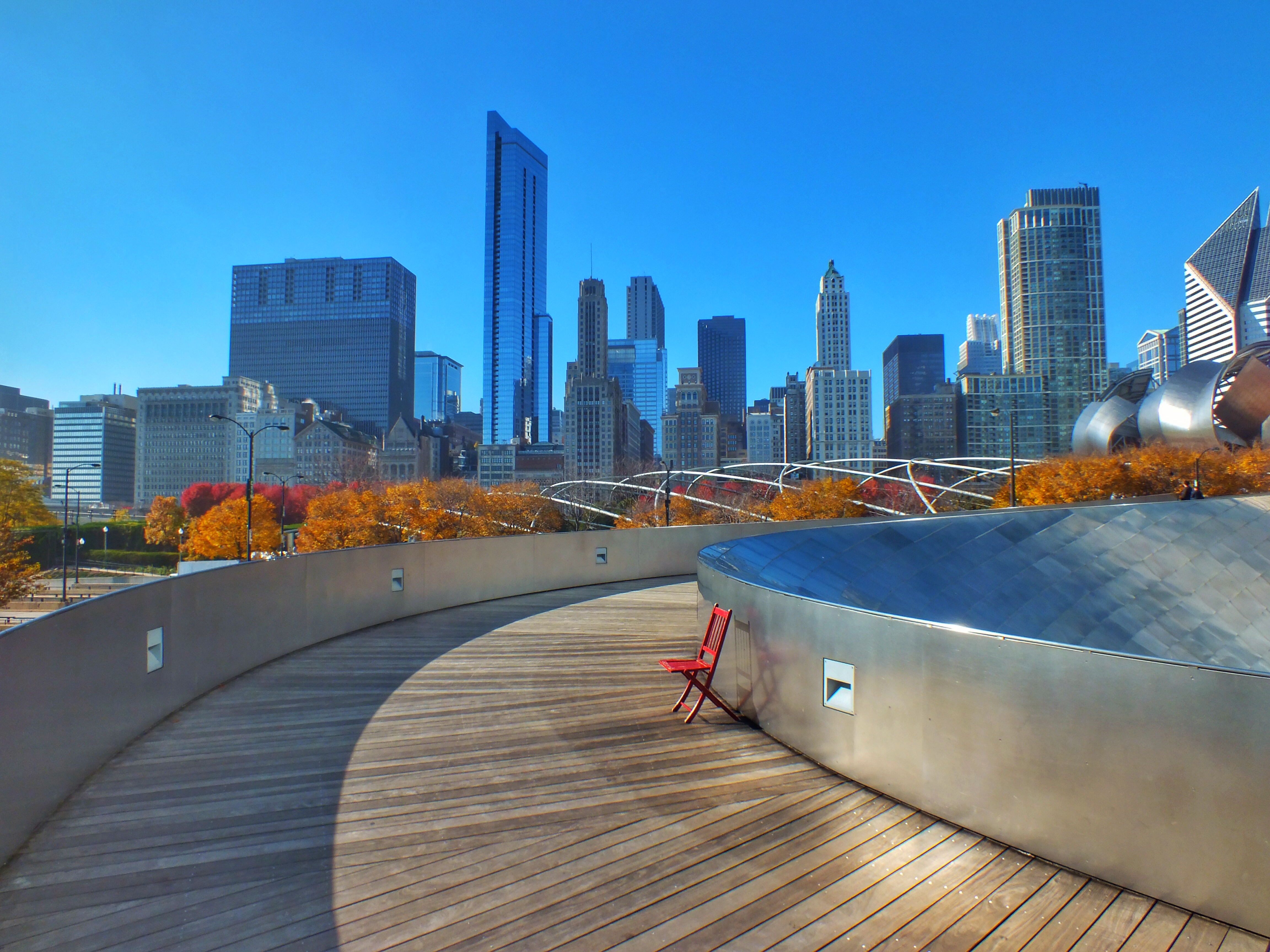

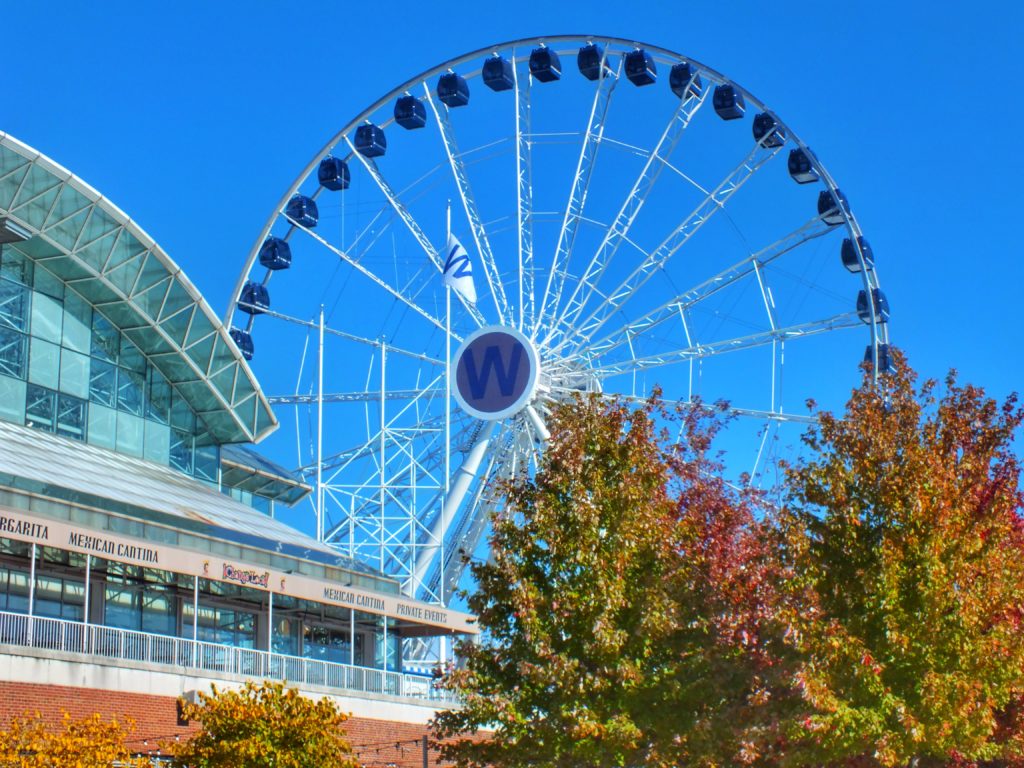


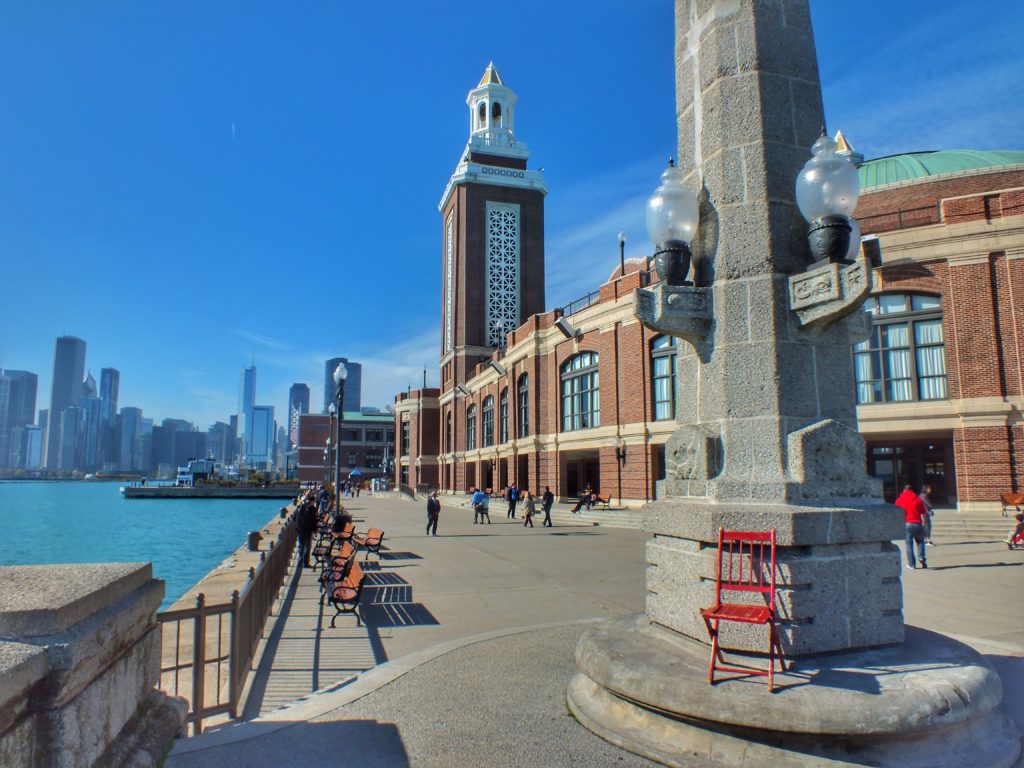
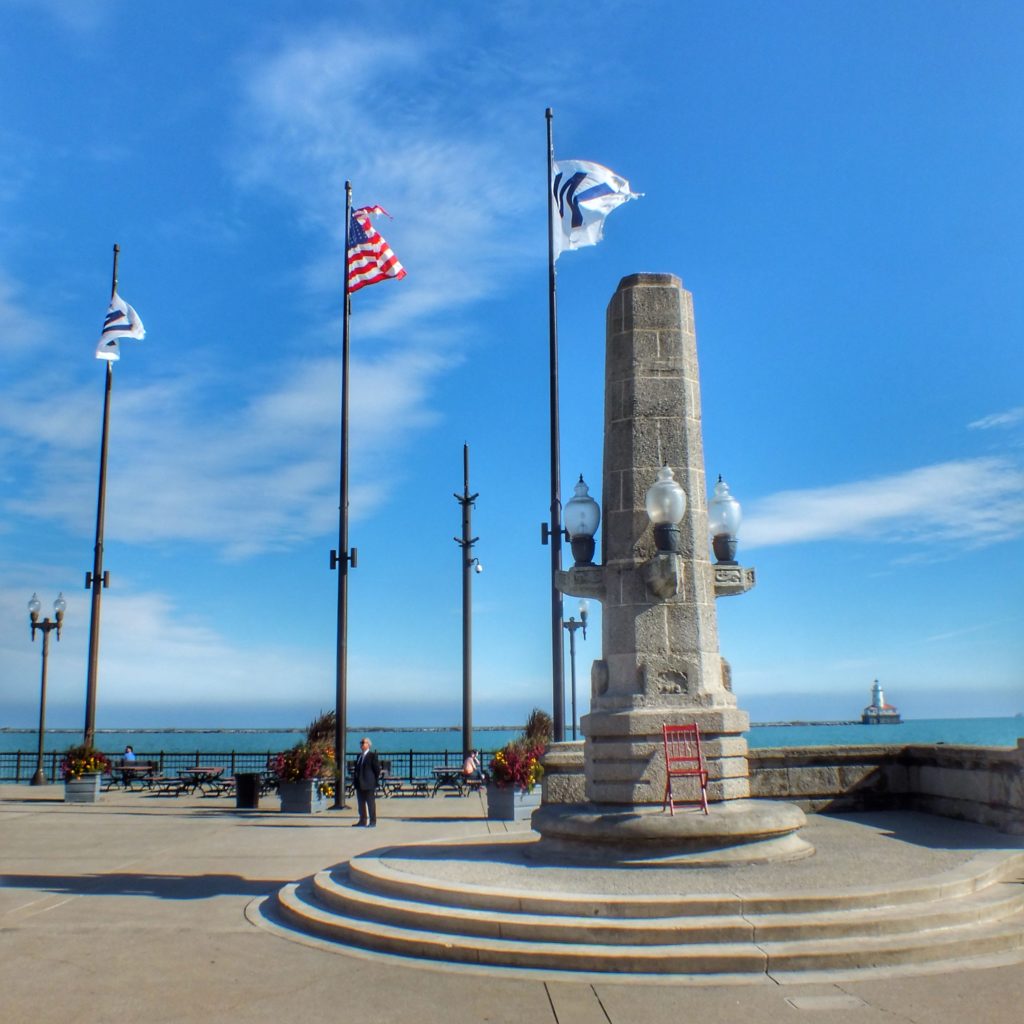
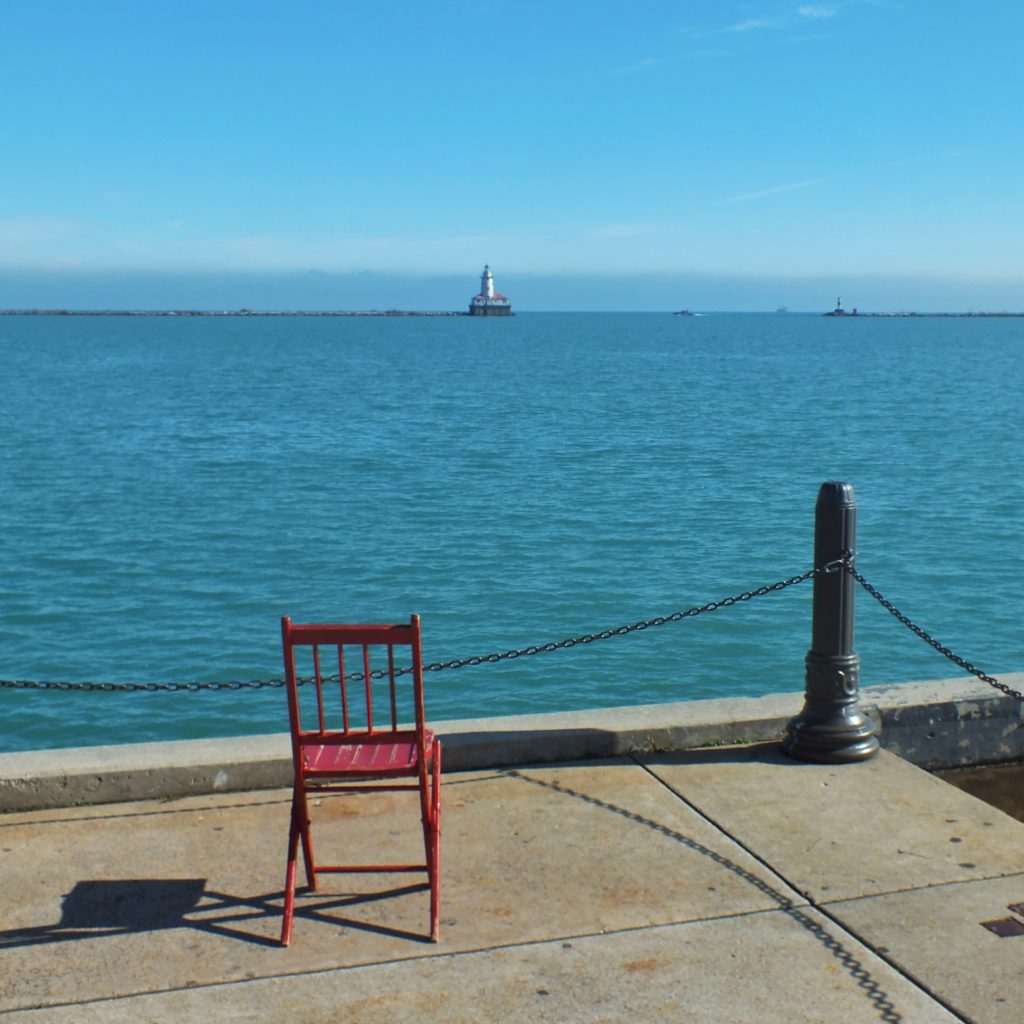


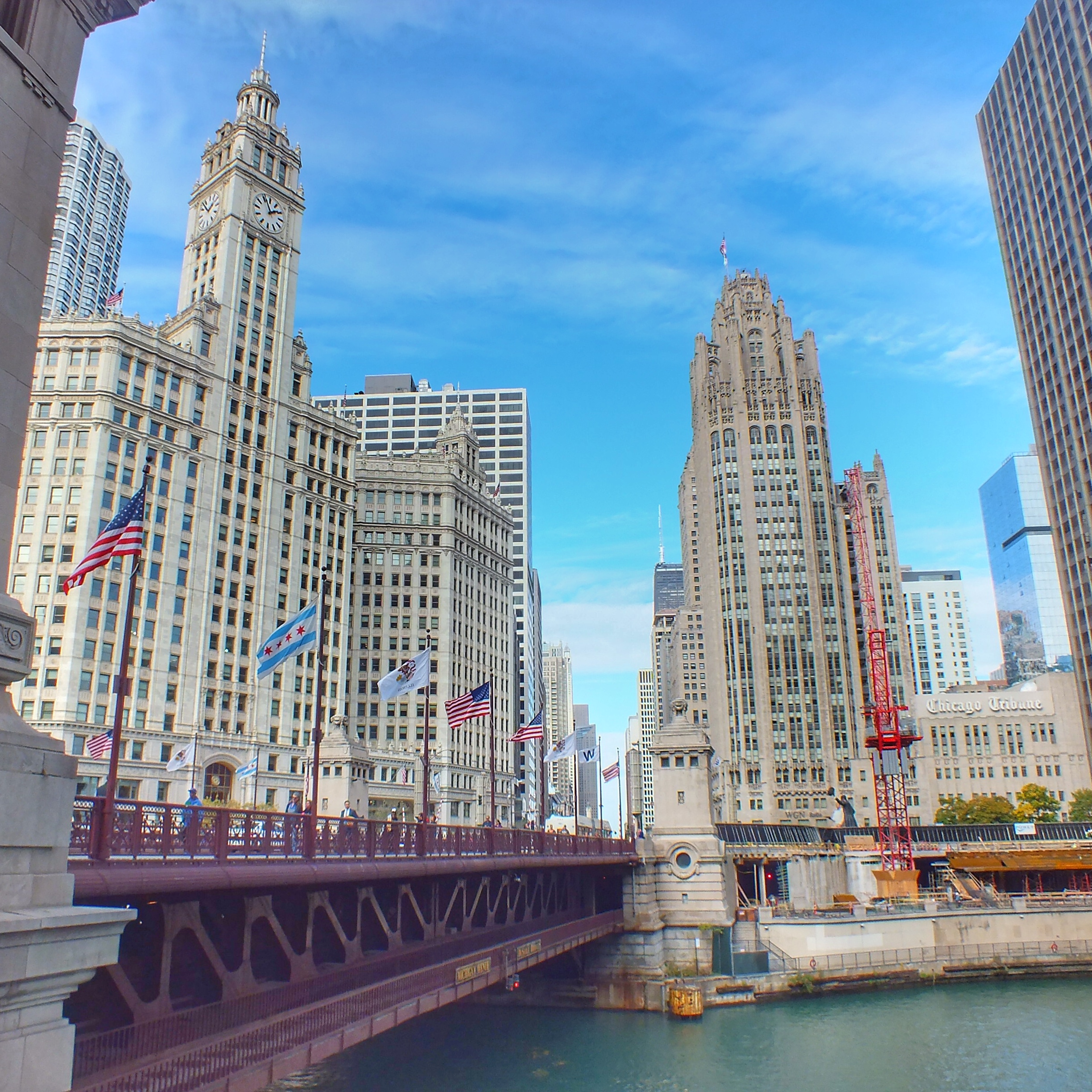
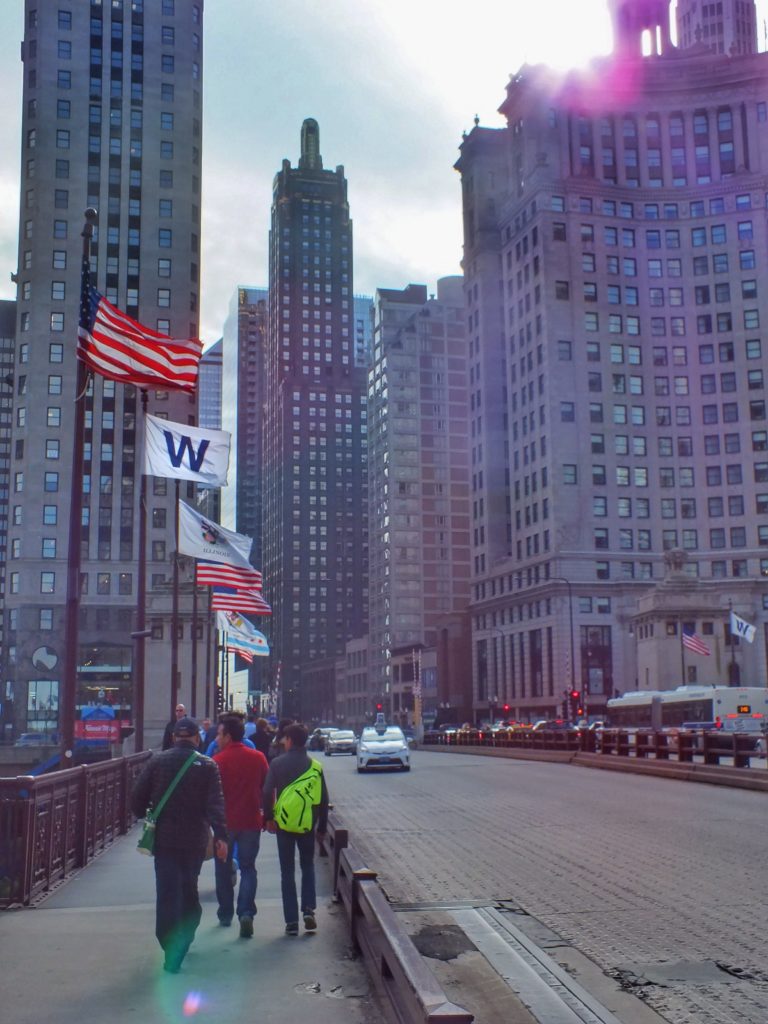
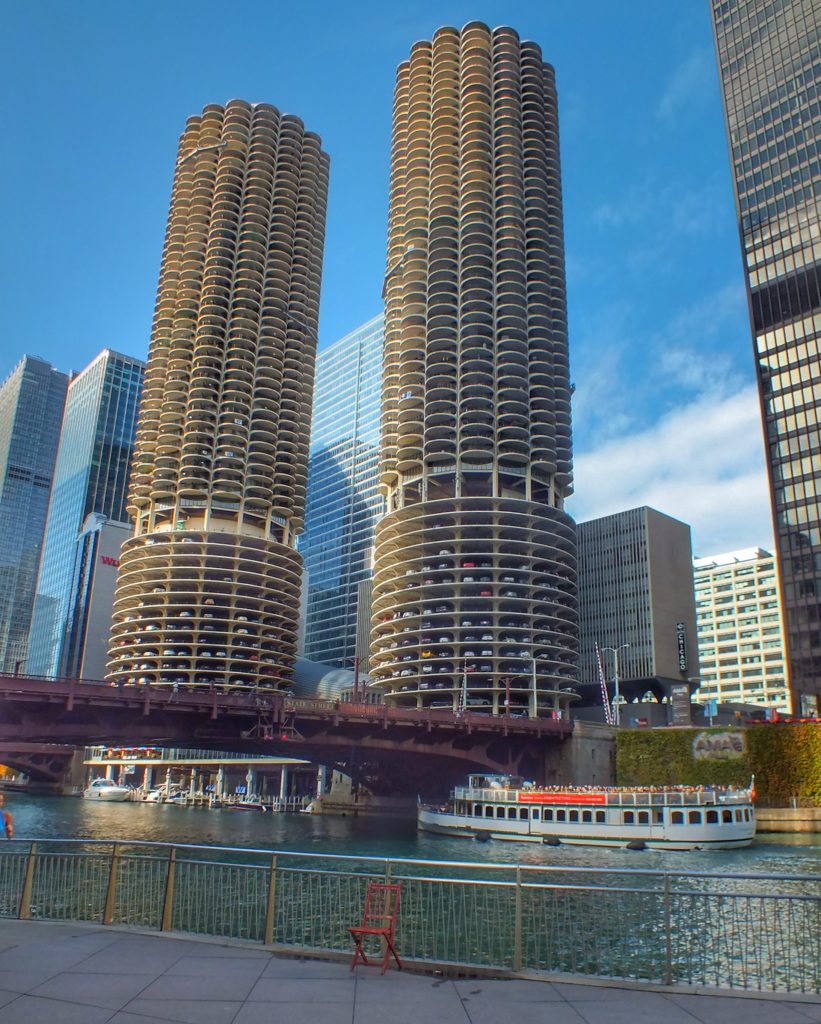


I headed back downtown. After a quick lunch at Panera, I walked to the Art Museum, then through Millennium Park to Navy Pier, then down the River Walk to the train station.
There were a couple thousand fans around Wrigley, just being happy. Nobody was really doing anything in particular. I exchanged smiles with a a lot of people, got into a couple conversations and got high fives from random strangers.
Over the last couple days, people began writing on the Wrigley Field walls with chalk. It began as a tribute to Cub fans who died before this season, but soon expanded to anyone who wanted to be part of things.
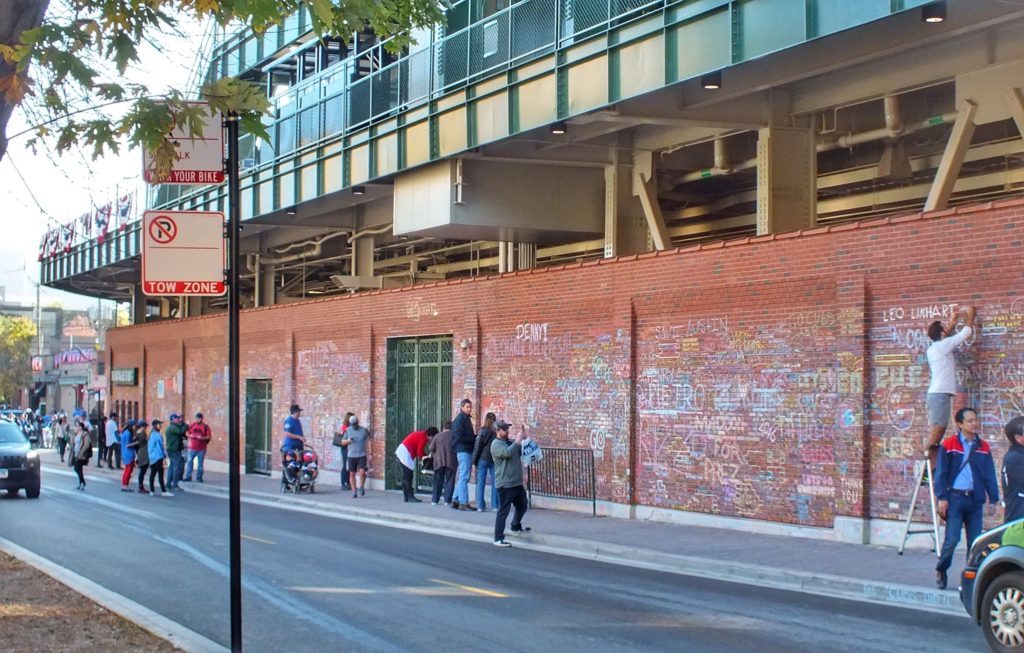
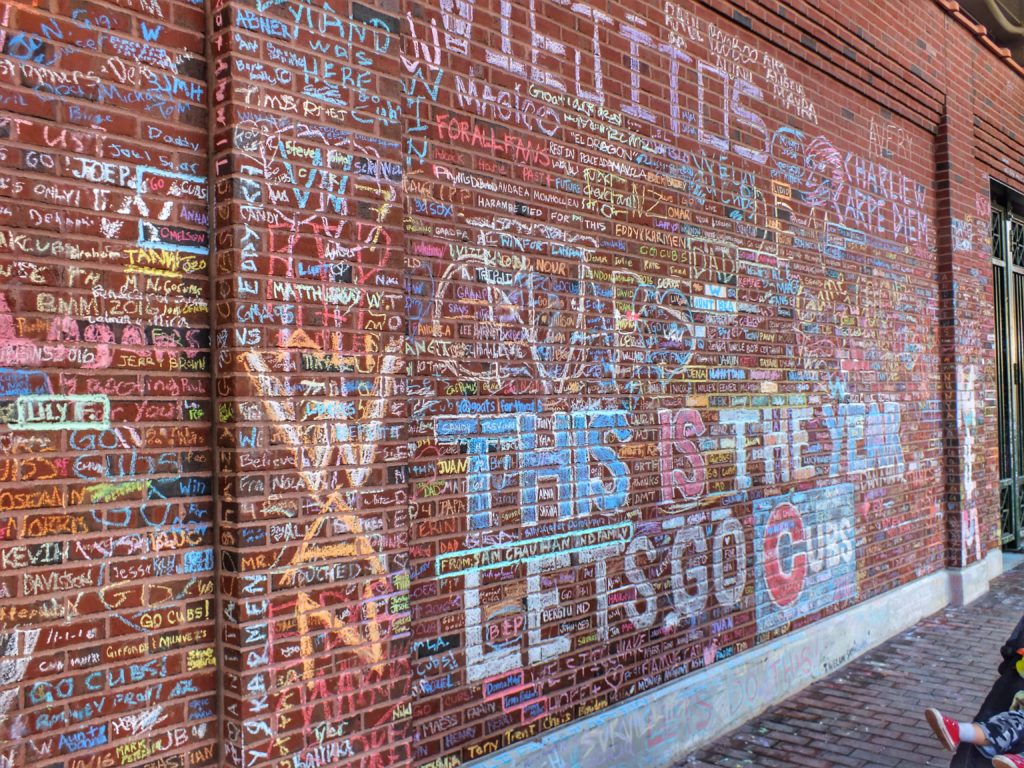

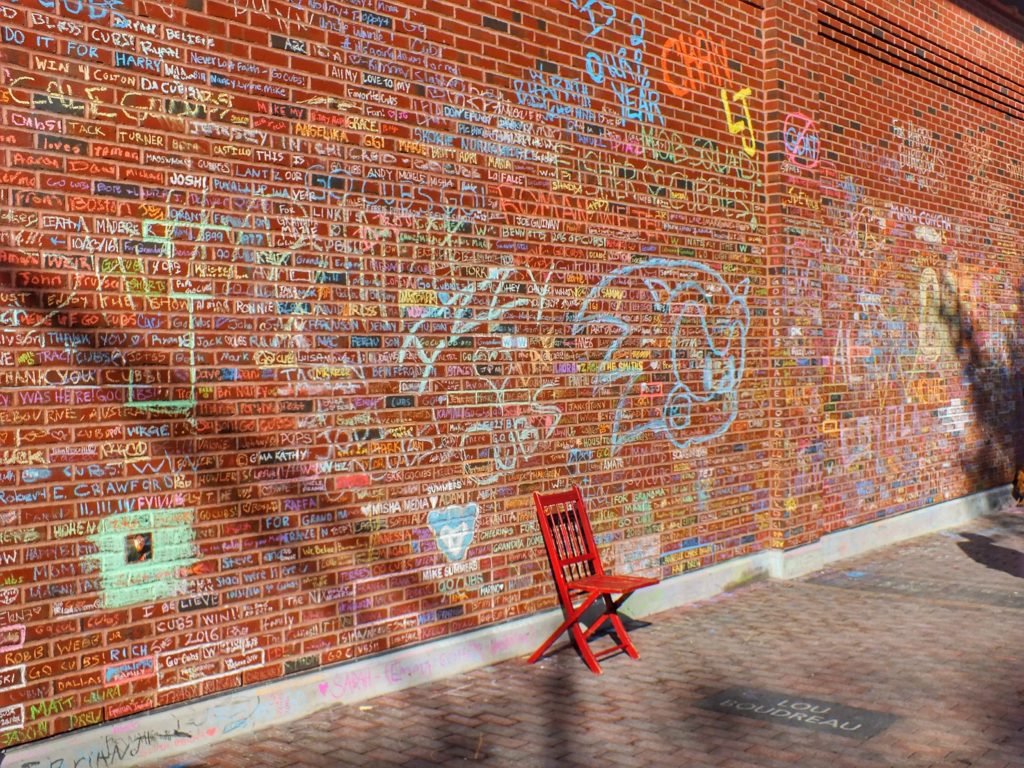
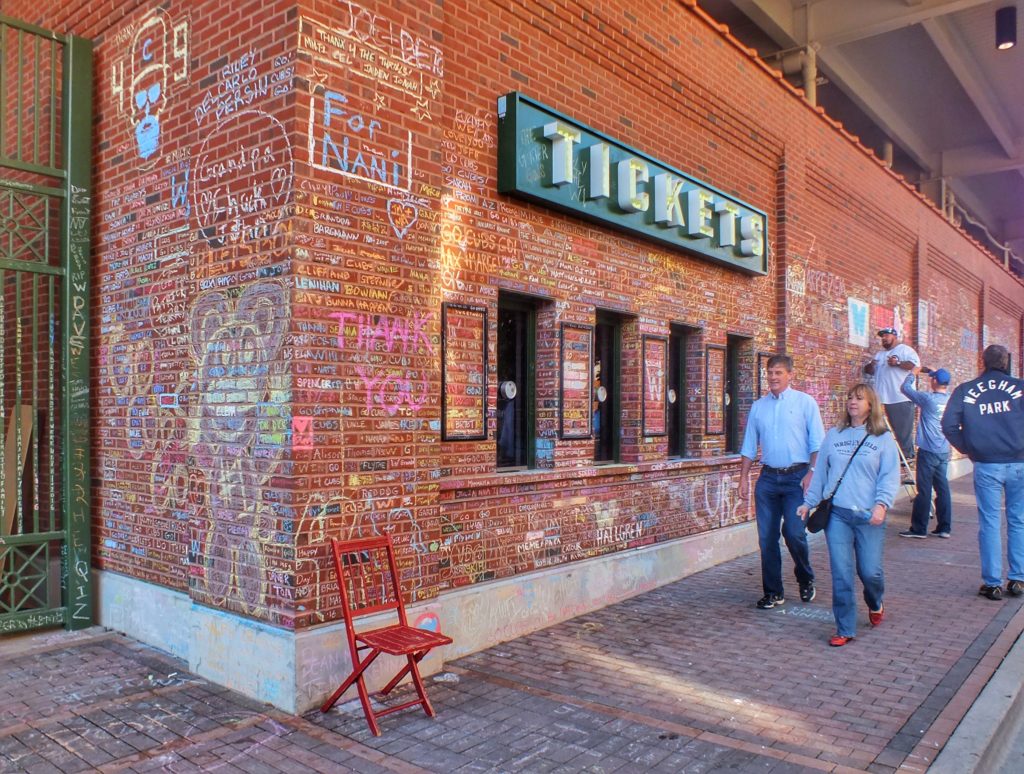
I found a tiny fragment of red chalk and a small blank space. My chalk disintegrated halfway through my message, so I grabbed a green piece and kept going.

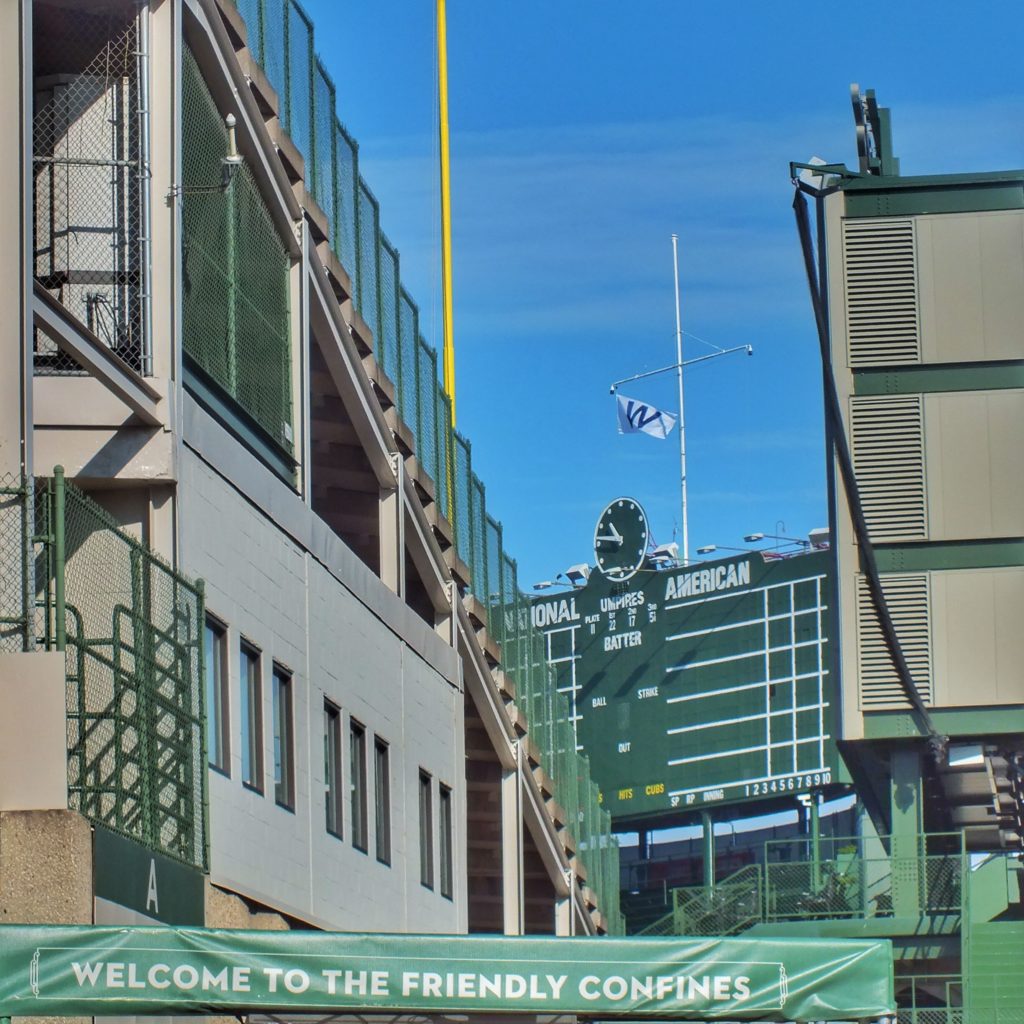
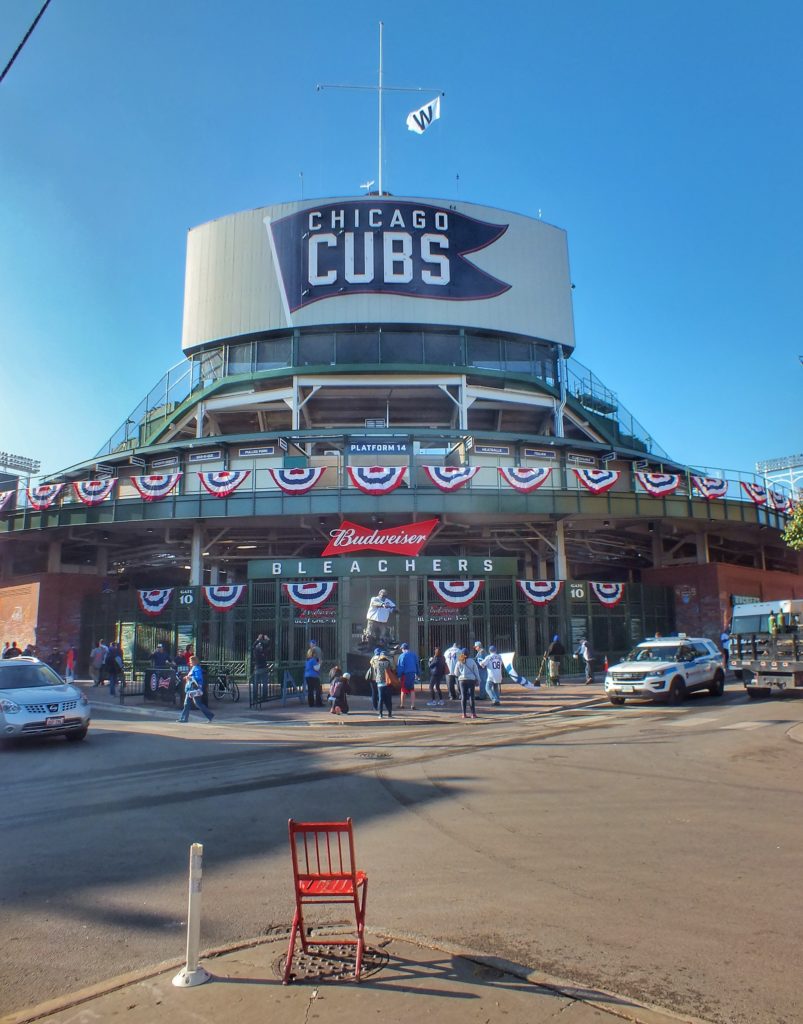
I walked all the way around the park, taking pictures and just being happy.
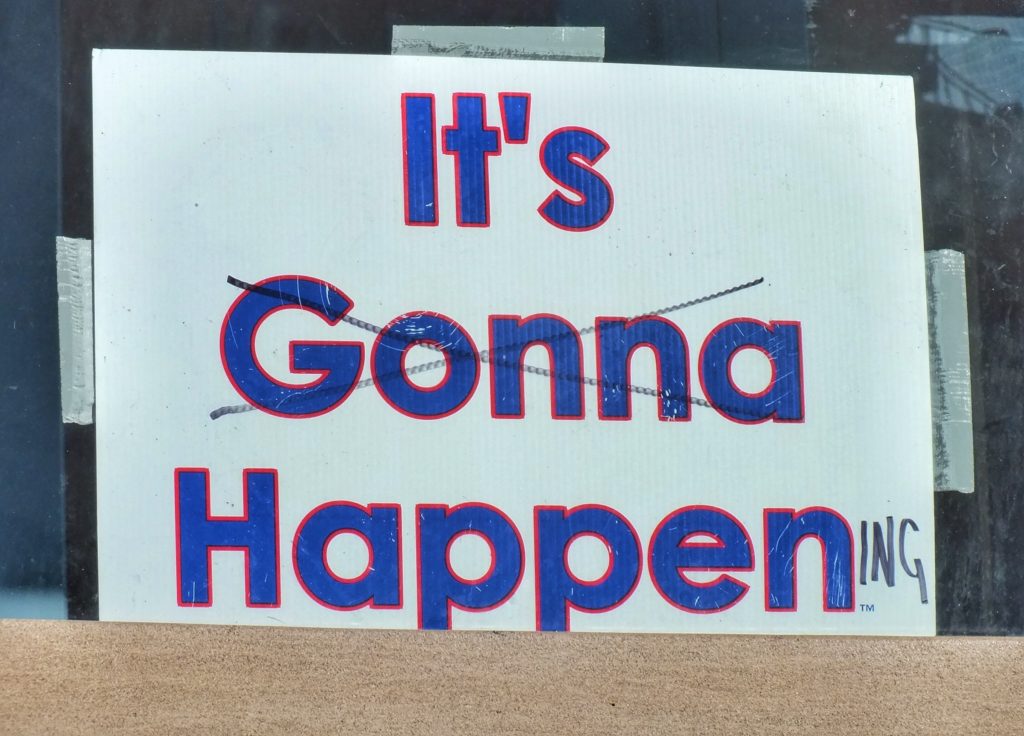
This is Randy, the captain of the fire station across the street from Wrigley.


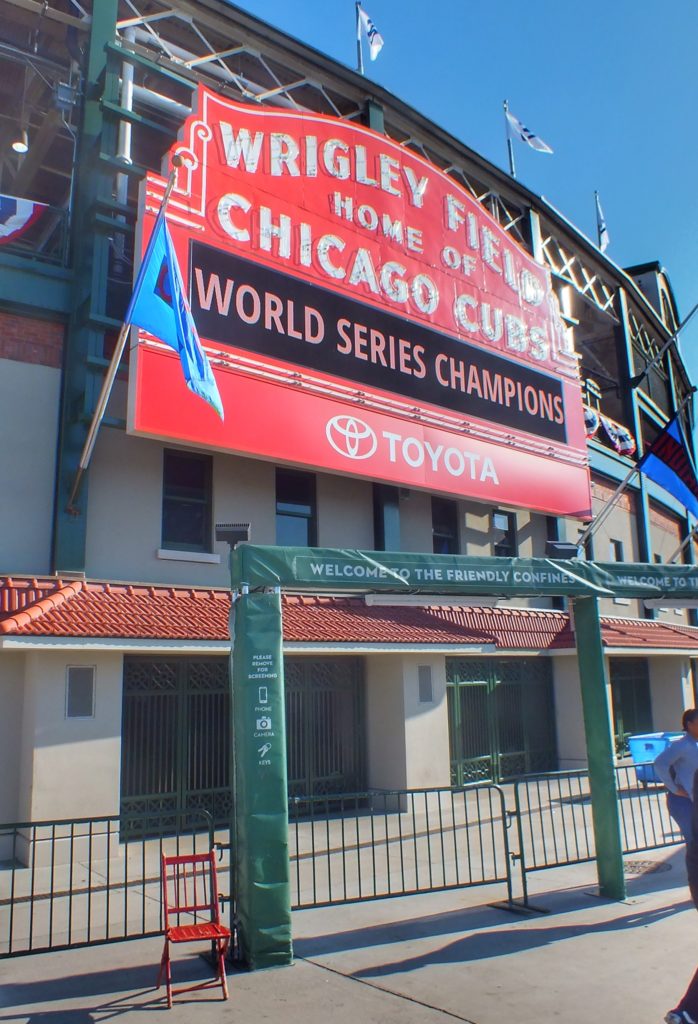

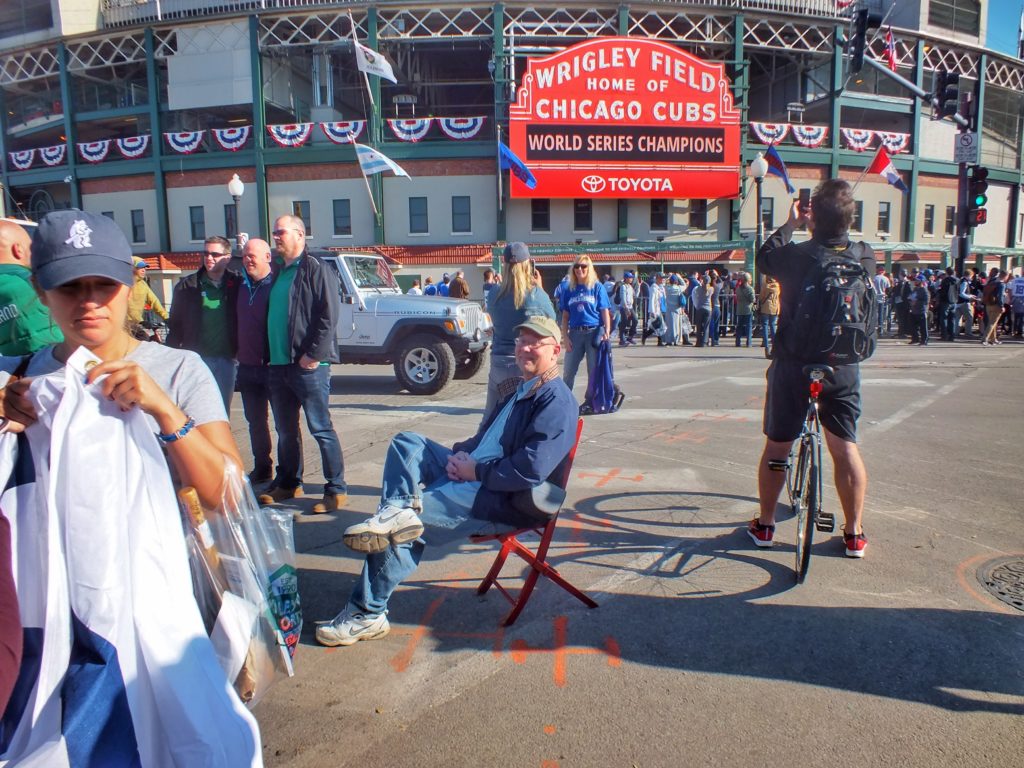
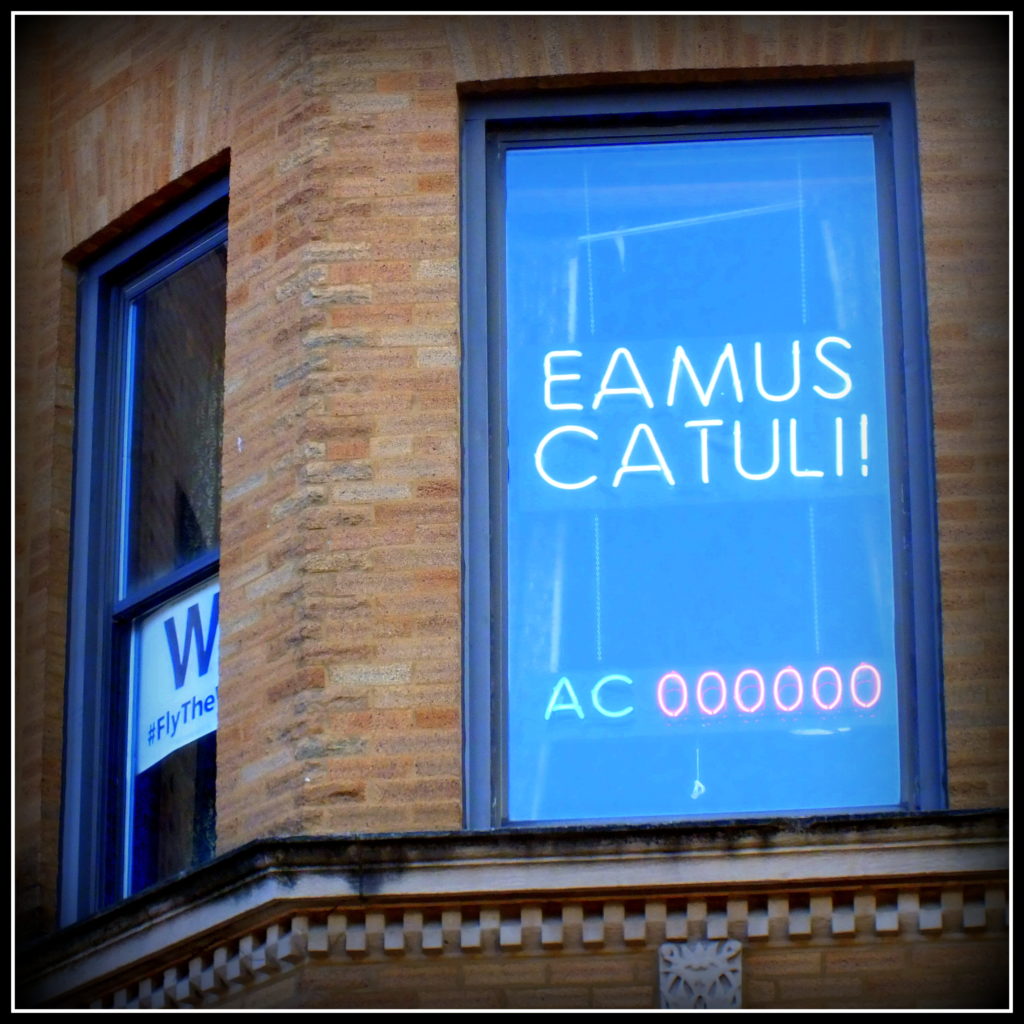
I bought a hat and pennant.
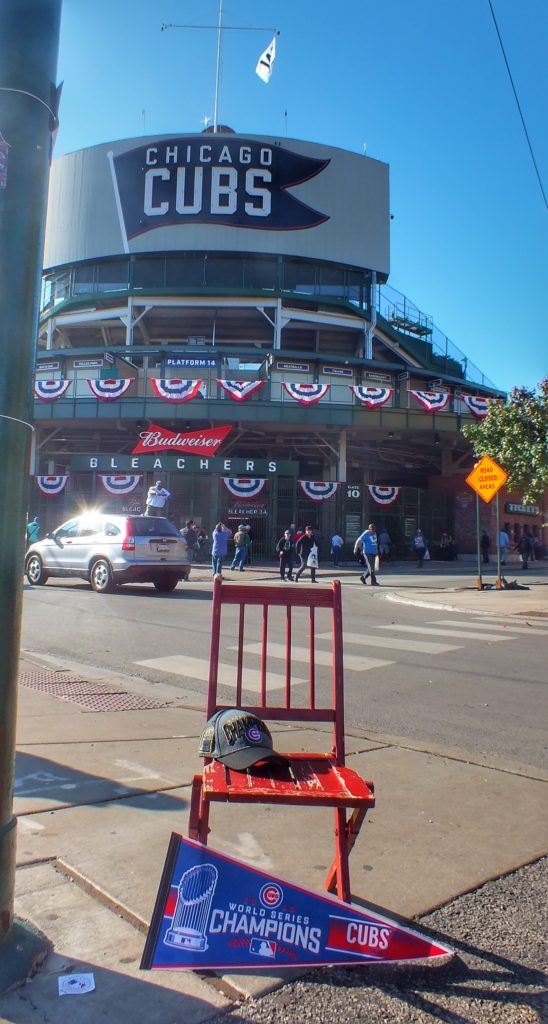
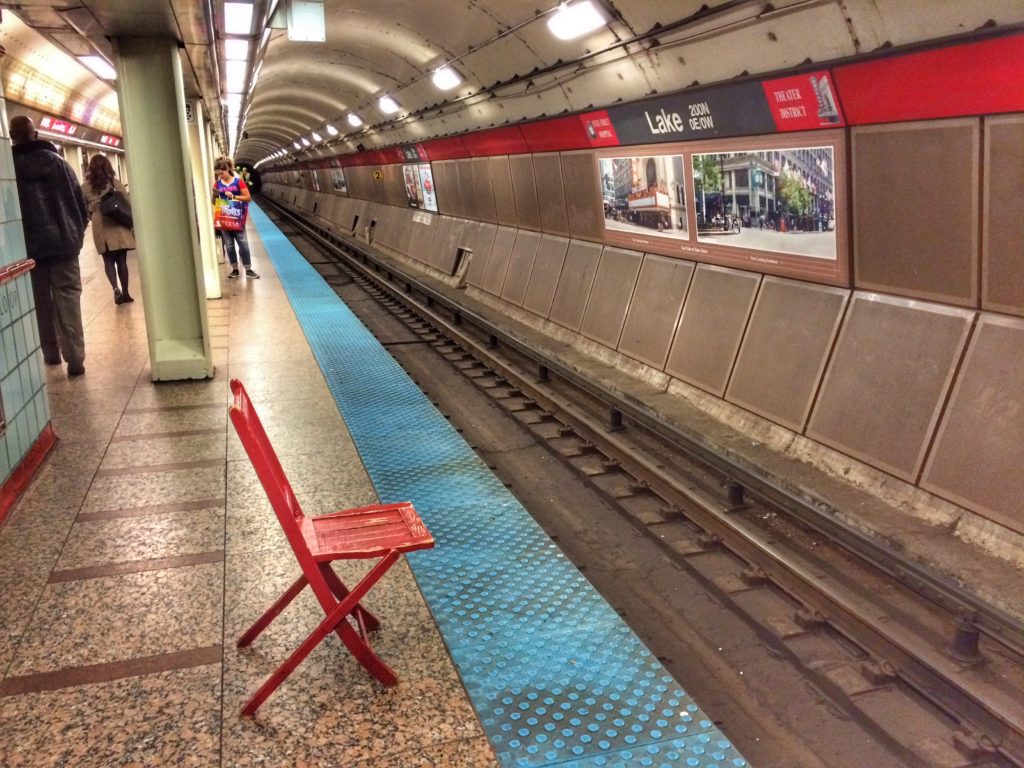
I’ve rooted for the Cubs my whole life and I will continue to do so. But I’m moving out of state. In my head, I kinda feel like the Cubs won this for me as a going-away present. To return the favor, the red chair and I headed into the city … Just because.
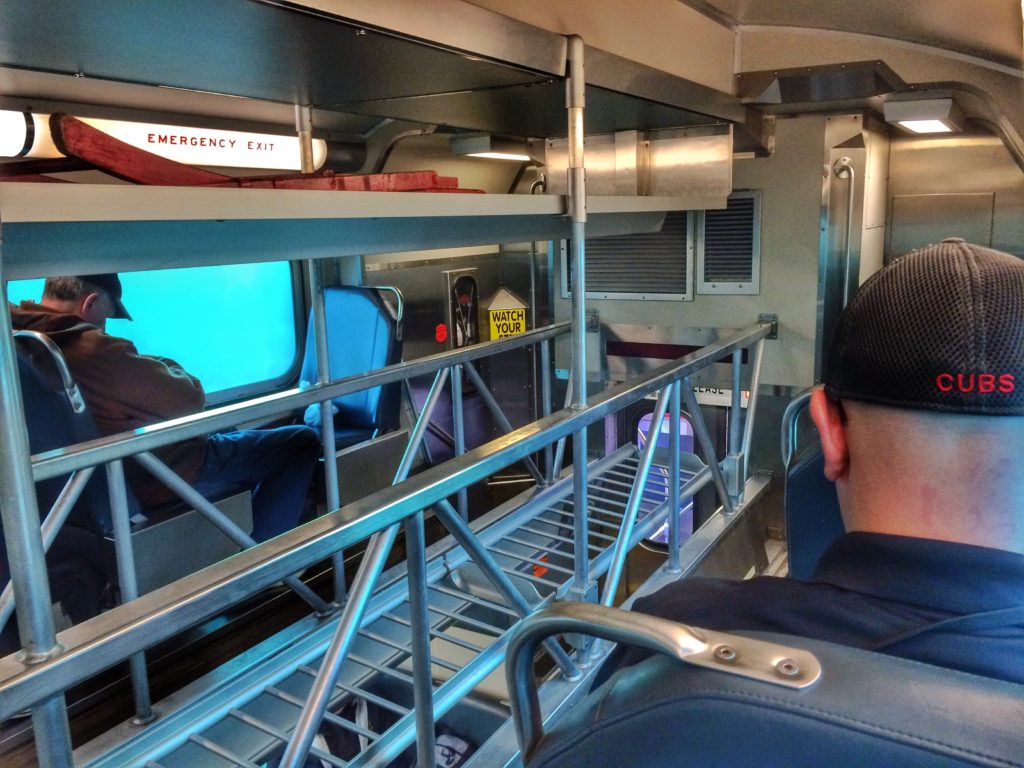
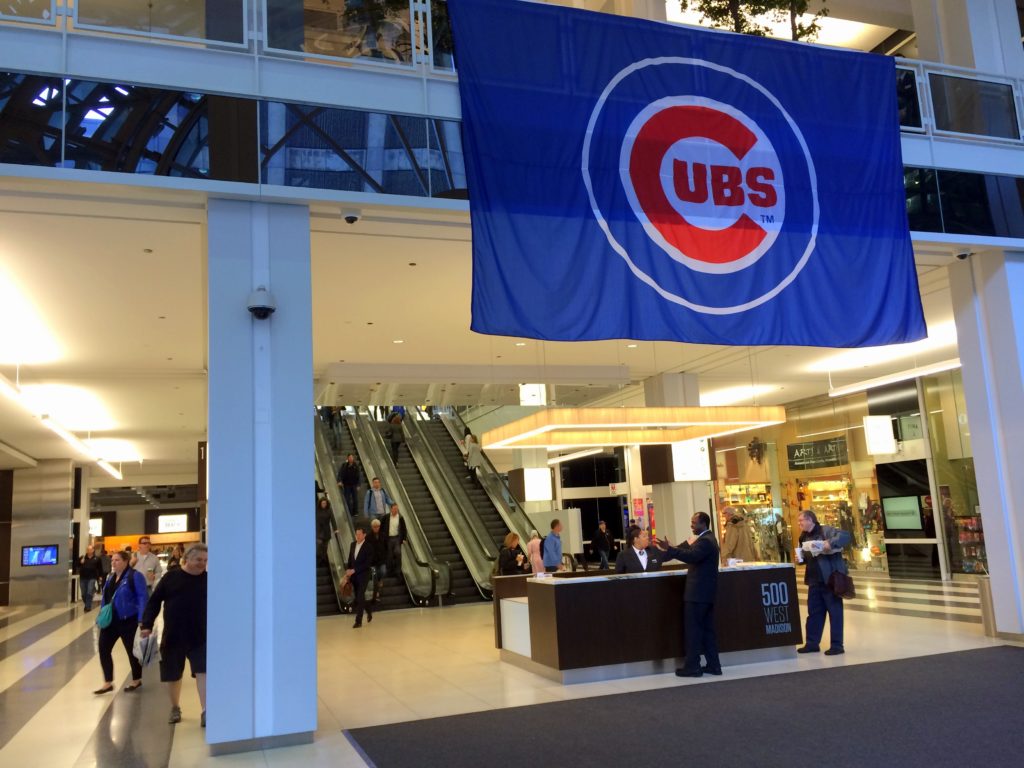
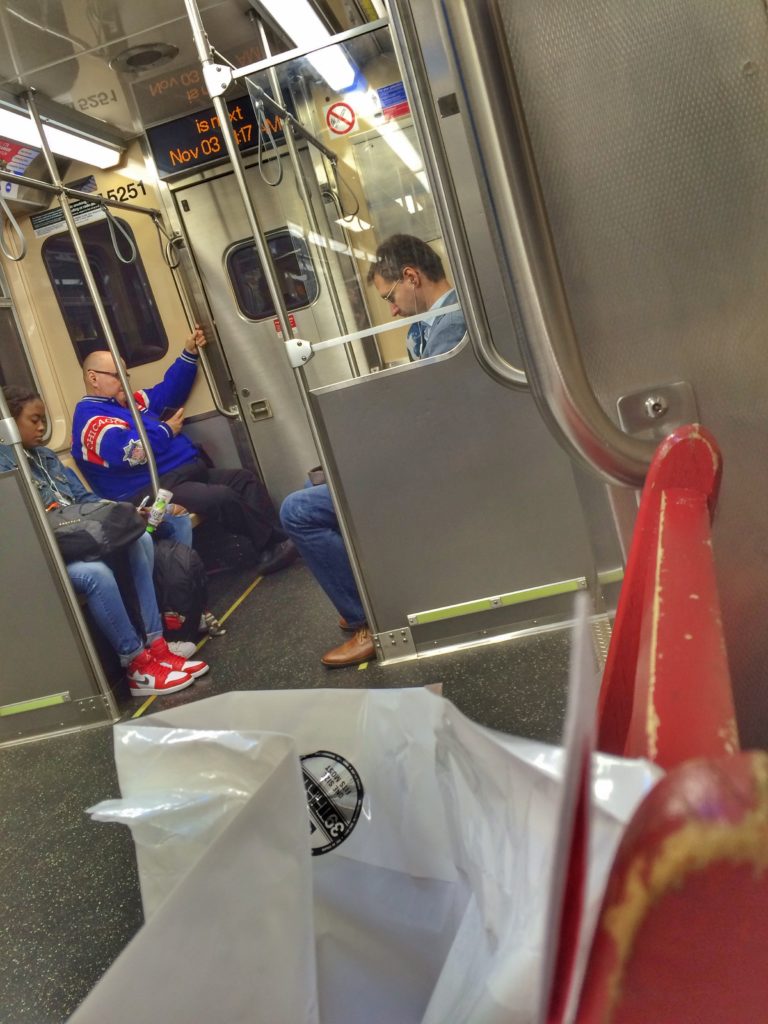
About a third of the people on the train had Cubs shirts or hats on. The celebration began in the Ogilvie Transportation Center.
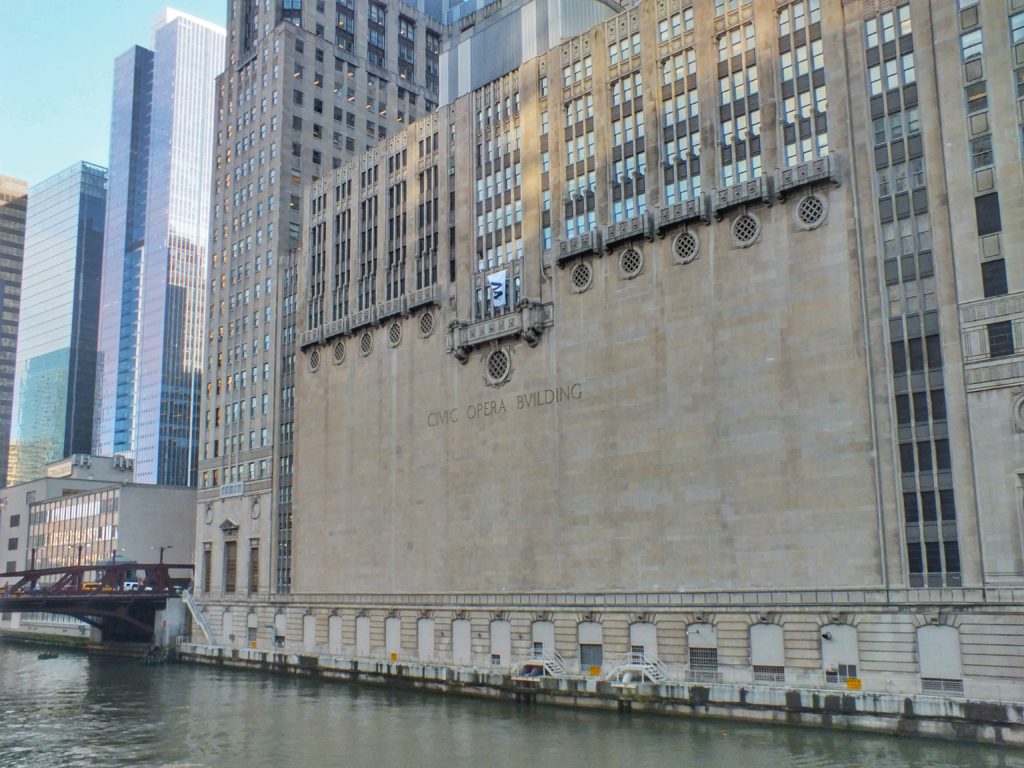
The Civic Opera was flying the W and put a message on the marquee.

Macy’s
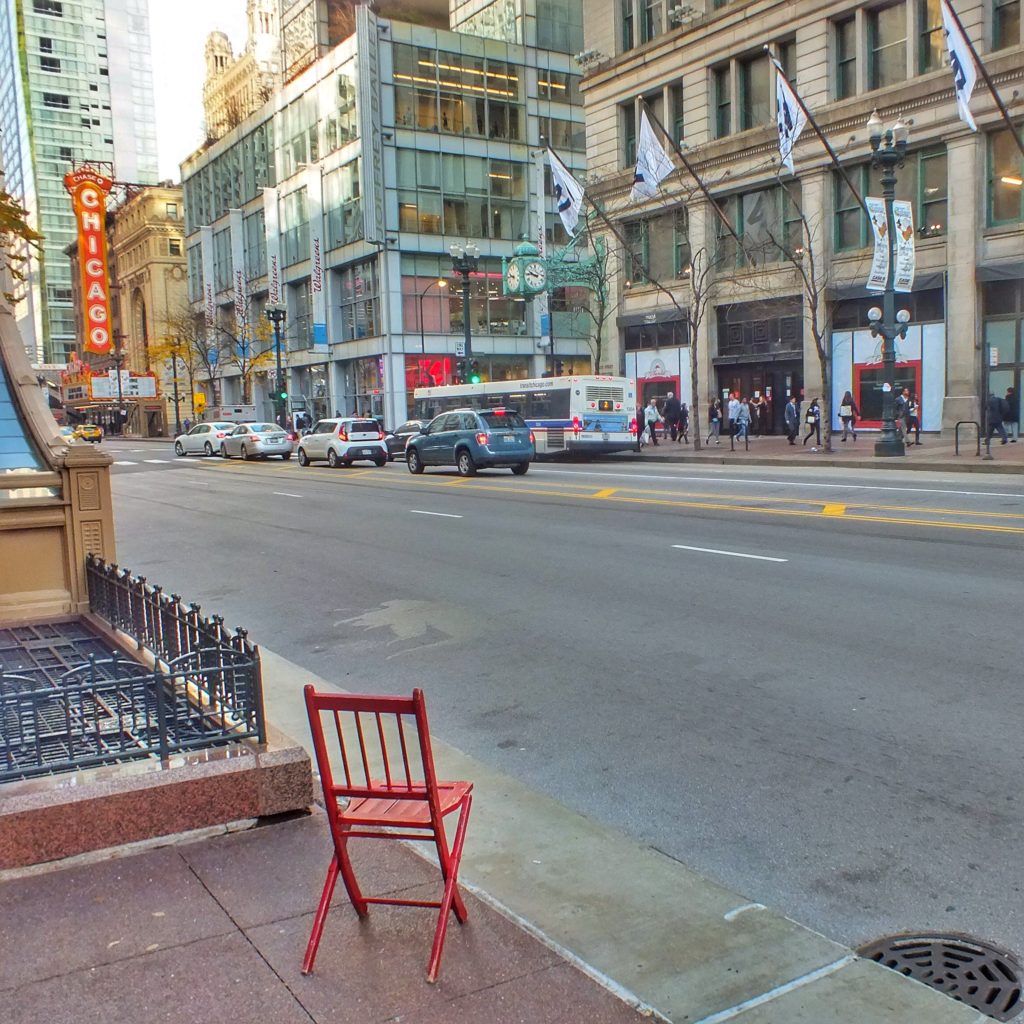
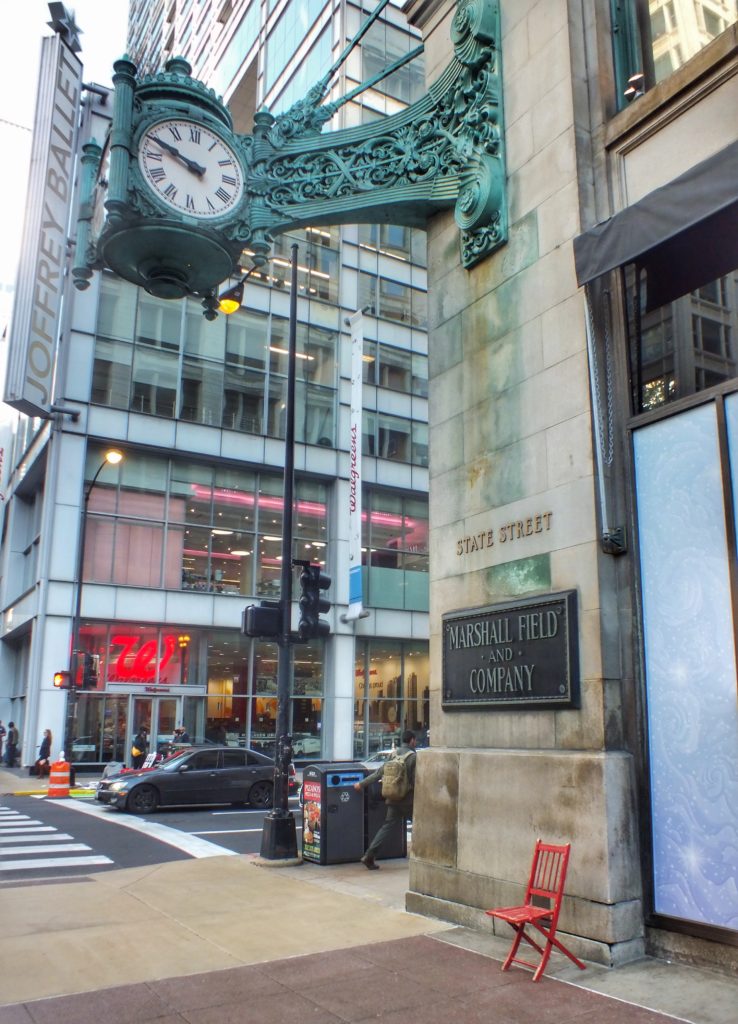
I hopped on the Red Line and headed north.

I’ve always known that it would happen sometime in my lifetime. It’s one of the reasons I never stopped rooting for them. How depressing would it be to have it happen the year after I gave up?
The Cubs played the San Francisco Giants in the National League Divisional Series. I don’t have cable or dish or MLB network, so I was reduced to following them on the radio while watching the stats online. Usually I could see replays of great plays about half an hour after they happened.
I stayed up until nearly 2:00 to hear the Cubs lose game three in 13 innings. Cub fans were stressing. I posted this on Facebook.
Joe Maddon tells his players, “Never let the pressure exceed the pleasure.” I think that’s pretty good advice for fans too. Baseball is, after all, “entertainment.”
Game four wasn’t going well. The Giants were winning 5-2 in the top of the 9th and about to tie the series at 2-2. I actually went to bed — it was 11:00, and I was tired. But I couldn’t bring myself to stop checking my phone. Bryant and Rizzo reached base to start the 9th and then Zobrist doubled. I got up and listened to the rest of the comeback and victory in my study. The Cubs won 6-5 to move on to the NLCS against the Los Angeles Dodgers.
I wasn’t able to listen closely to a couple of the games in this series because we were getting things ready for our garage sale, but I checked in as often as I could. After falling asleep and losing games 2 and 3, the Cubs came on strong and won the series in six games. The Cubs were in the World Series for the first time in my lifetime — for the first time since 1945. They were playing the Cleveland Indians.
The World Series was on Fox, so I was able to watch it! After the first game, I posted this on Facebook.
Two observations: 1) I look forward to the day I can listen to a Cubs’ World Series broadcast in which every sentence doesn’t end with, “for the first time since 1945.” 2) I like statistics and odd records as much as the next guy. Maybe more. But COME ON Fox. “He is the first Puerto Rican shortstop with a wife and two daughters and a Z in his last name to ever get two hits off a 6’5″ lefty with halitosis” isn’t a record. It’s just a coincidence.
The series didn’t start out great. The Indians won games 1, 3 and 4. The Cubs won game 2 by a score of 5-1, but they could have won 15-1 if they ever hit the ball with men on base.
We watched part of game 3 at my mom’s place where we, and my sister, were celebrating her 95th birthday. I saw the end of the game at home. I just want to say this — the guy who scored Cleveland’s run was picked off third base. The call was safe and the replay review confirmed it. But he was really out. He had long dreadlocks, and you can clearly see that Kris Bryant’s glove tagged the runner’s hair before his hand touched the bag. If I guy wants to wear his hair like that, I’m OK with it. But it’s part of his body. He was out. He scored moments later for the only run of the game.
We watched the depressing game 4 at a friend’s house. As the game got out of hand, I posted this:
Please exit the Cubs bandwagon to the left. (To the LEFT, M’am!) Proceed in an orderly fashion. (No pushing and shoving Sir!) There’s plenty of time for everyone to get off. Thank you for joining us, and we hope to see you again next October.
If the Cubs lost game 5, the series would be over. I decided I needed a Red Chair photo to commemorate the fact that the Cubs were in the World Series, a significant moment even if they lost. Again, due to circumstances, this was all I could come up with.

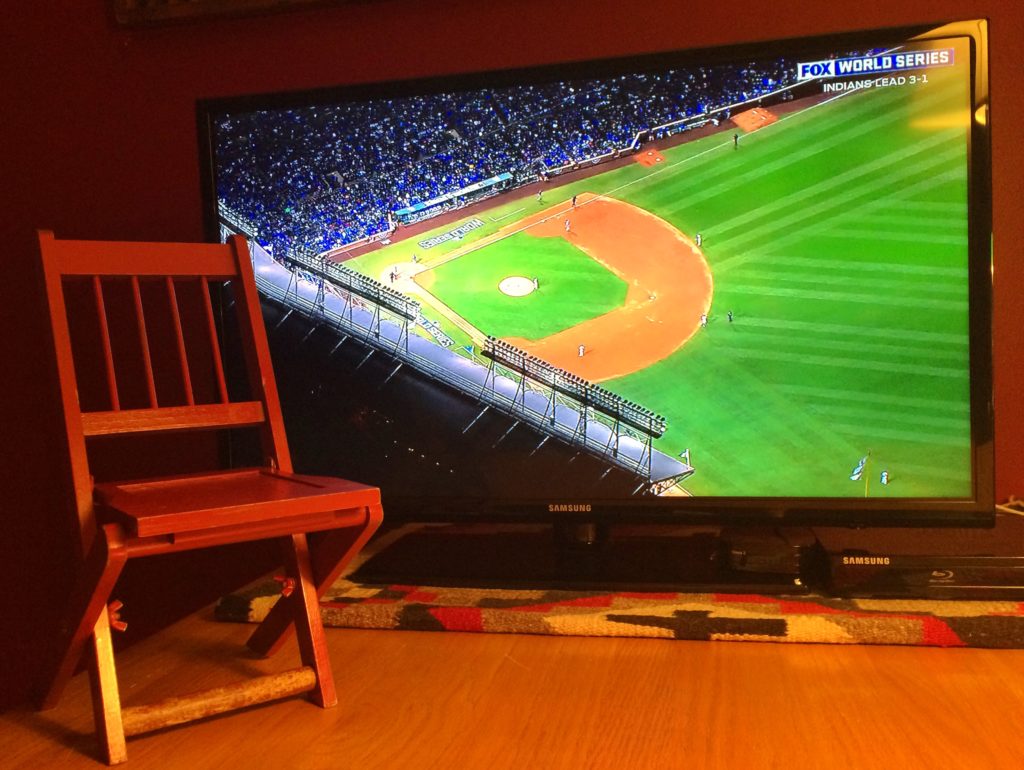
As I write this, the Cubs are down 3 games to 2 and headed back to Cleveland. Do I want them to win the next two games and the Championship. Of course. But, win or lose, this has been an entertaining year to be a Cubs fan. And after all, it is just entertainment.
UPDATE
The Cubs won game 6 fairly easily, 9-3. And then came this.

It was a long, stressful game, complete with errors and heroics and awful ball and strike calls by the umpire. The Indians tied the game in the 8th. At the end of the 9th, there was a brief rain delay. The Cubs came out afterwards and scored two in the top of the 10th and gave one up in the bottom of the inning until the Cubs finally closed it out 8-7. I watched alone at home. I can deal with the stress of an exciting game or I can be sociable. I can’t do both.

The game ended around 11:30. I got to bed about two hours later. Just fun.
Once in a while I feel the need to step away from the pressures of life, to escape the lists of things I have to do, to tune out the noise and busyness.
When that happens, I go here. Its a small knoll in a prairie/savannah about three miles from our house. It isn’t the garden spot of the world, but it’s pleasant enough. The noise of civilization is generally distant. And I’m almost always the only one around.
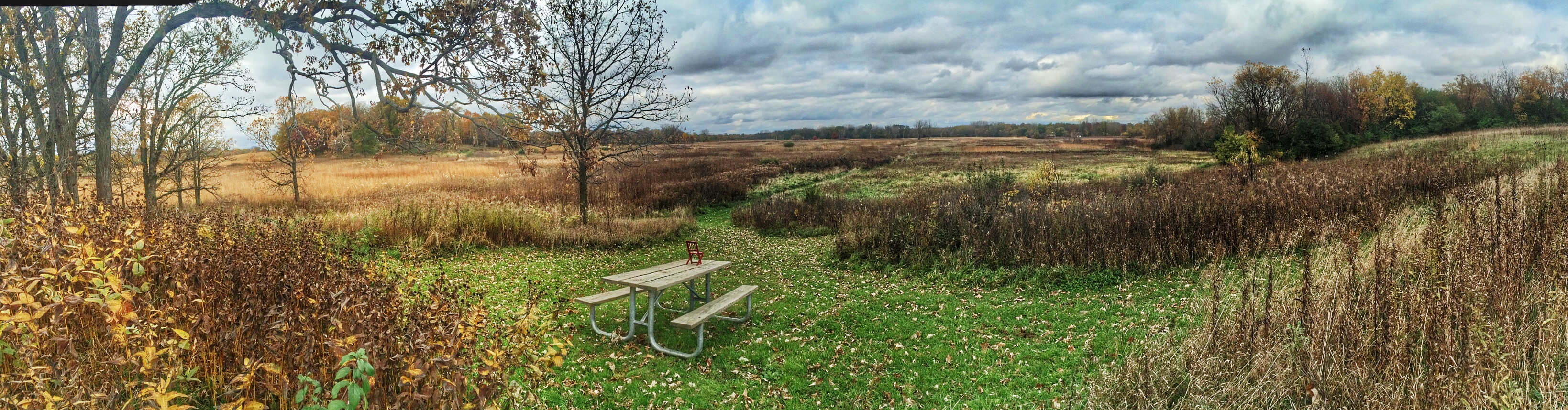
I lie back on the picnic table and look up at the sky through the leaves of an oak. Sometimes there are hawks or Sandhill Cranes or Great Blue Herons flying over. This spring I watched a Bald Eagle circling high above. One October afternoon, I sat for an hour and watched a parade of Monarch butterflies migrating south through a brisk cross wind.
Sometimes I close my eyes and just listen. I once identified the songs and calls of 18 species of birds in an hour.
One more than one occasion, I’ve fallen asleep for I have no idea how long.
I make it a point when I go here not to worry or think about anything in particular. No planning or writing. Just listening. I’ve probably made it there about six or eight times a year for the past 15 years or so. It’s one of the few things about Illinois I’ll miss.