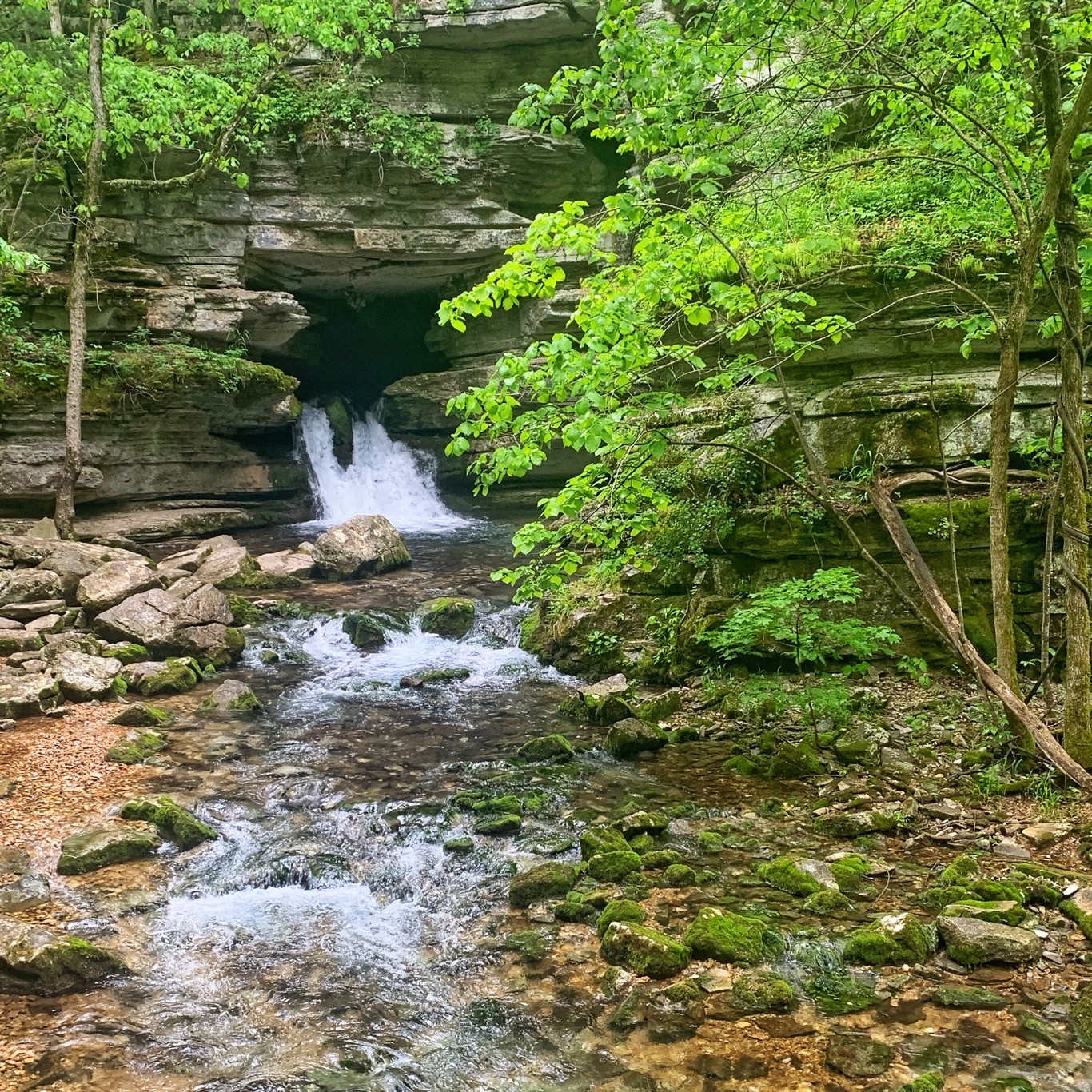
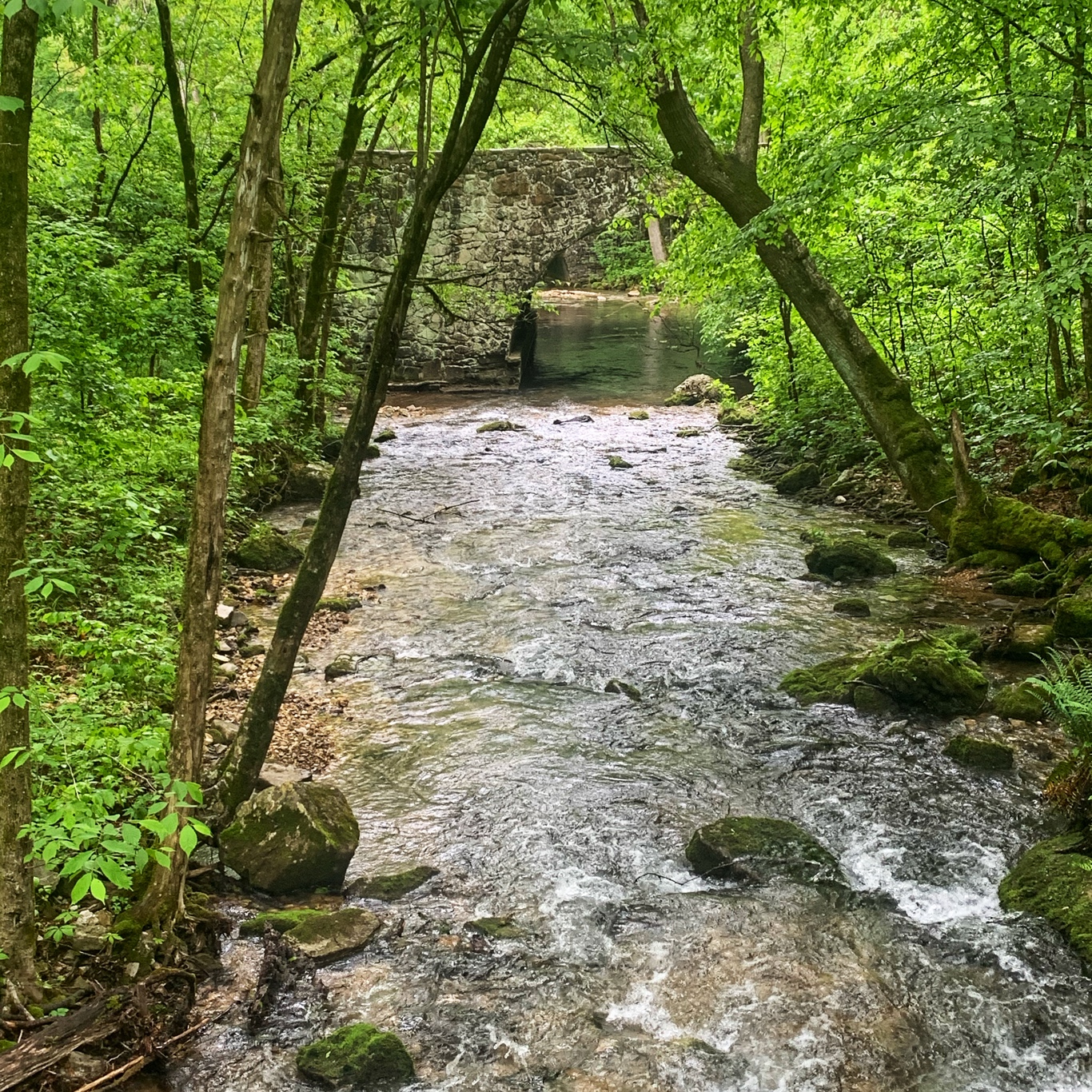
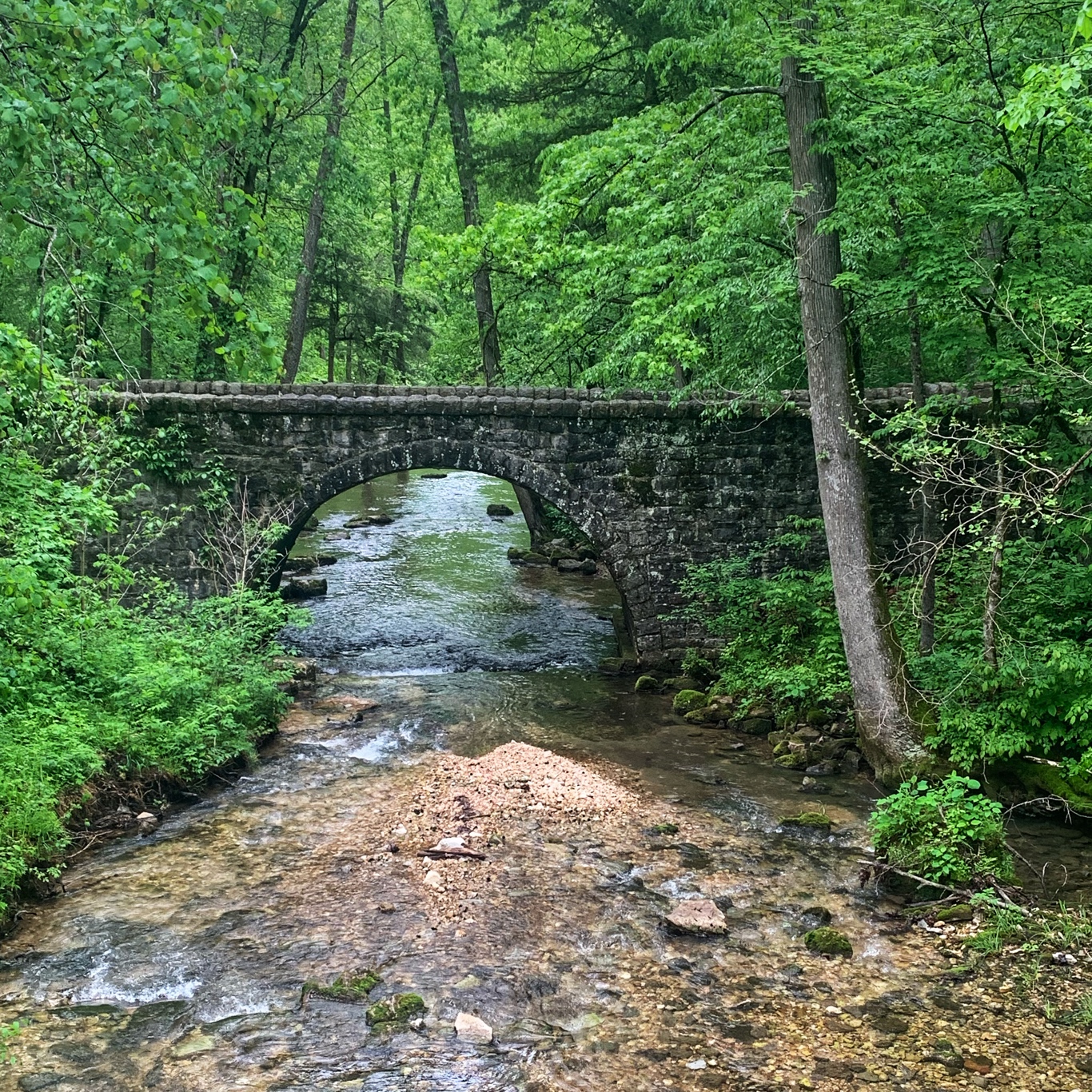
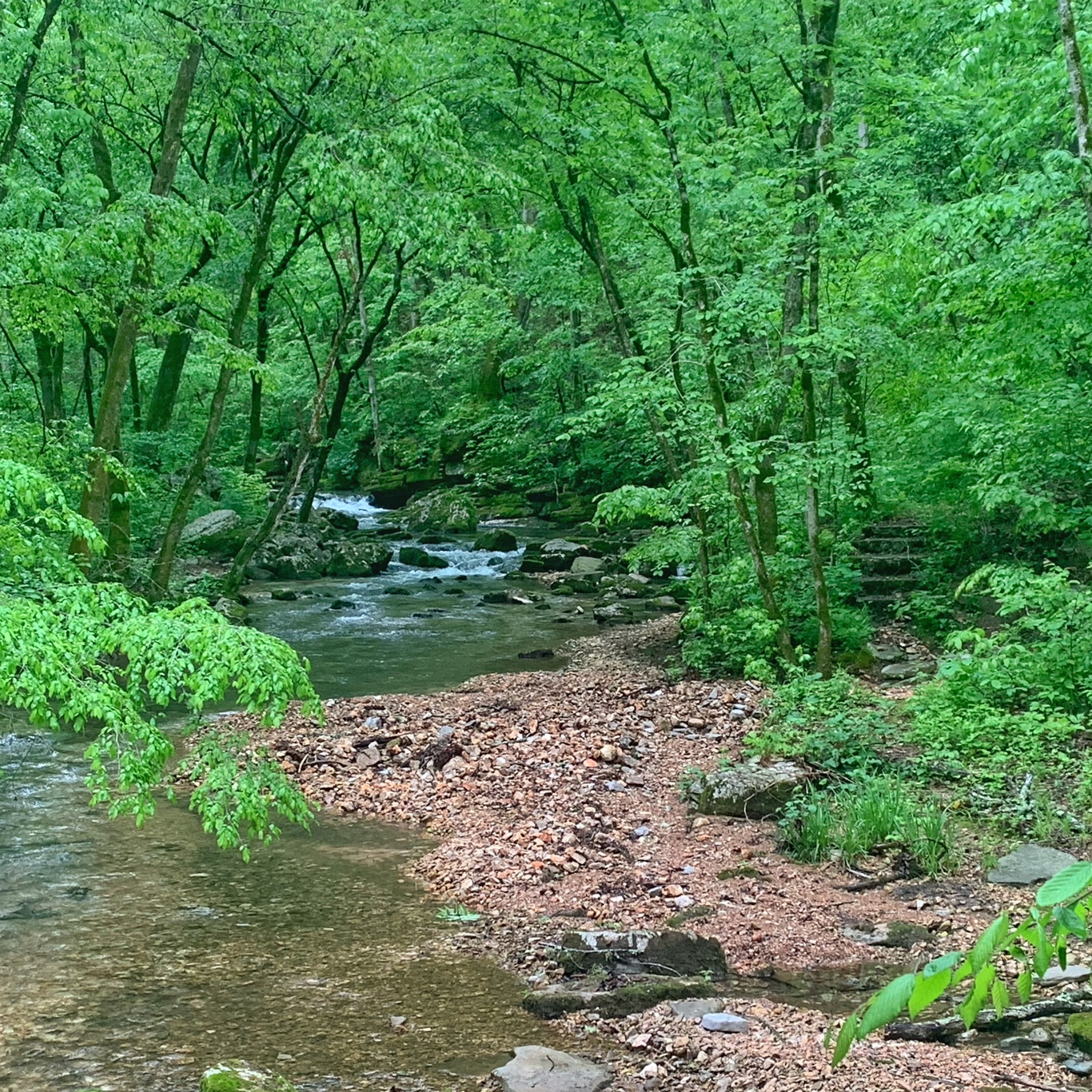
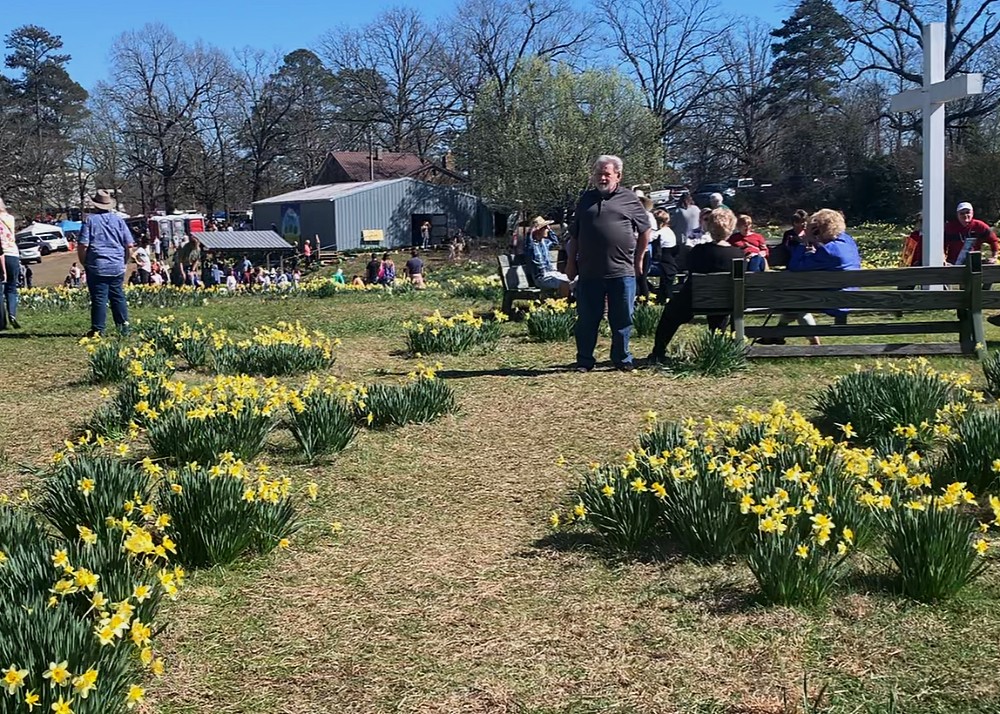
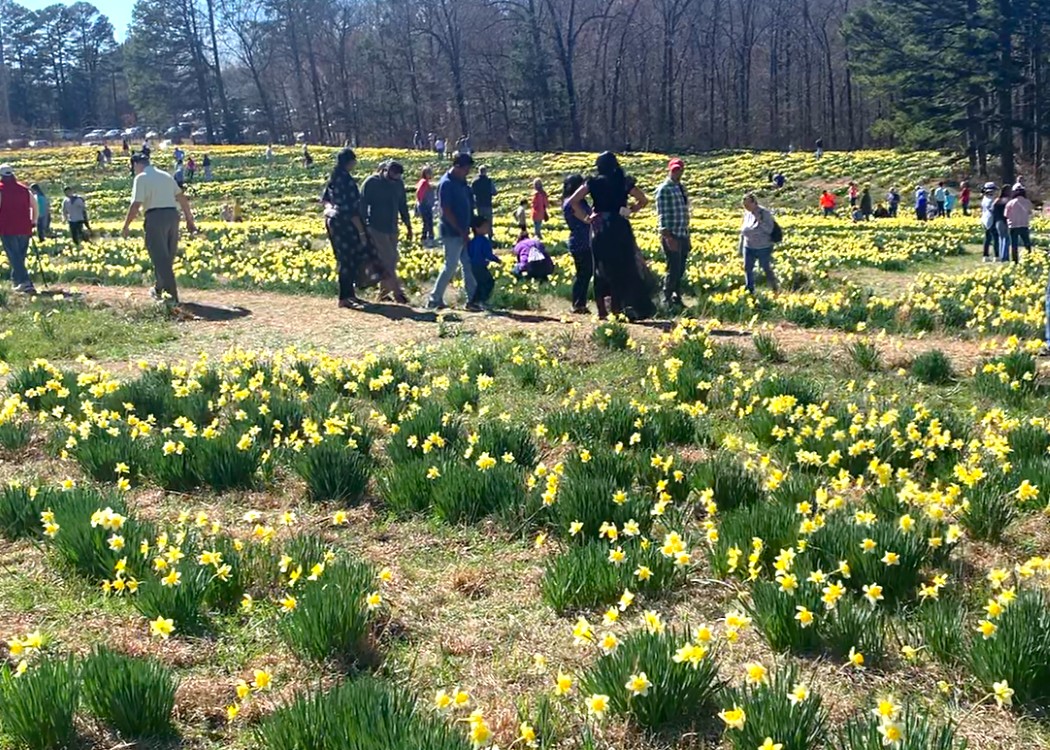
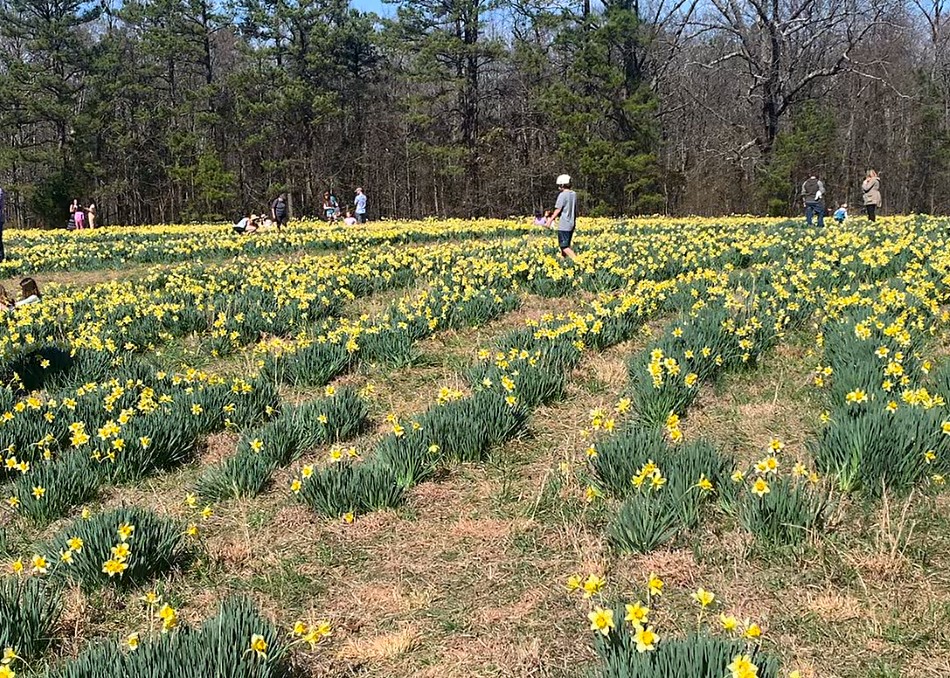
Bridge at Clear Spring Ranch

Posted in Transportation | Comments Off on Bridge at Clear Spring Ranch

Highlights from Recent Reading — Retirement

(Somewhat) coincidentally, a month after retiring, I read Learn to Grow Old, by Swiss psychologist Paul Tournier. All of the quotes in this post are from that book. It was written in 1972 and displays some unfounded optimism about the future betterment of society, but still, it includes a lot of good stuff. Much of it I’m not dealing with — yet. But it’s always good to be prepared.

The general social atmosphere in which we are immersed from childhood and which influences us without even our thinking clearly about it, teaches us the superior importance of work. It has taught us to look upon work as a duty, unlike the pleasurable activities of leisure. Work, as a duty, is seen to be full of dignity, even if it is tedious or inhuman; in fact it is considered especially meritorious in this latter case. Whereas leisure is constantly undervalued, despite its attractiveness and its ability to develop the personality. It is thought of merely as a concession to man’s guilty passions, to his lust for pleasure and his idleness. What confers dignity upon man is the fulfillment of his duty — his work, his productivity, his function in society, his professional occupation. If your work is interesting, you are lucky, but its only true value lies in its being a duty, not in its being a pleasure.

__________

One can understand … in connection with the status of the old in our society, that what matters most is to rediscover the notion of the indefeasible dignity of the human being. That, I believe, is the core of the problem of retirement since retirement is by definition the end of occupational work; and modern man does not feel that anyone is interested in him as a person. He is considered merely as an instrument of production.

__________

In our society everything points to the primacy of utilitarian work over other activities which are chosen not out of duty, but from inclination. Our modern outlook is dominated by this idea. … There is no question of turning man away from action. Action is his very nature. Quite, but what action? The utilitarian toil imposed by authority? Or the action that is freely chosen by pleasure? That is where the great social prejudice comes in. It is activity, not work, which is fundamental to living. The notorious advice to “work first, play later,” which we meet in various forms, suggests a false distinction between work-activity and leisure-activity. In particular it suggests that work is more important than leisure.

There is a certain association of ideas between leisure, idleness, laziness, pleasure, depravity and sin. We find it very strongly in the mind of many of our patients who suffer from an “enjoyment forbidden” complex. But it floats vaguely at the back of the minds of many others as well.  Hence the guilt that lies heavy on leisure. Leisure still has something solitary and shameful about it. The time one devotes to it is stolen from work-time, as a result of weakness, selfishness, or an unholy desire for pleasure. Retired people still retain something of this feeling of guilt about leisure, even though they no longer have a duty to work at their jobs.

__________

To prize leisure to the detriment of work would be to fall into the opposite error. In reality the value is in the man, not in the activity. Everything that contributes towards the lifelong harmonious development of the person derives its value from the performance of that function. Viewed in this light, work and leisure are two complementary factors. Work brings development in depth because of the specialization it requires. leisure counterbalances it with development in breadth because of the diversity of the interests it cultivates.

__________

I have said enough about the pleasure I have always had in manual work, in reading, and in all kinds of leisure activities, for me not to be suspected of underestimating their attraction. But if such activities have to occupy the whole of every day throughout the year, they will no longer be leisure occupations, but means of filling in time. The word “leisure” always suggests, to my mind, relaxation, rest, do-as-you-please, spontaneity and the inalienable right to do nothing. At least it means the right to do what one likes, without having a bad conscience about it, for no other reason than that one enjoys it. But at the same time it implies doing the thing for a proper and limited period of time. One relaxes from some other activity, one seeks distraction and rest from something else. If leisure lasts all the time, then it loses the sharp tang of pleasure, and takes on the stale smell of emptiness.

__________

Routine! There you have public enemy number one. … One ages prematurely in a routine existence. There are people who are already little old men at thirty or forty, because their lives are restricted by routine. What will become of them when retirement comes and deprives them of their sole motive force — professional duty? They will sink into boredom and passivity. We can see a vicious circle here, as in all domains of life: routine causes aging, and this premature ageing buries the individual all the deeper in routine. On the other hand, to stay open throughout our lives to a multiplicity of interests is to prepare for ourselves a lasting youth and a retirement free from boredom.

__________

Life is a task to be accomplished. But who can claim that he has accomplished his task, that he has finished his task? The task always remains unfinished. The particular acceptance I am referring to here is perhaps one of the most difficult to achieve: it is acceptance of fulfillment, acceptance of the unfulfilled.

__________

It is the very idea of success which gradually loses its straightforward aspect. There are many successes, and at the time we appreciate them as if they were definitive. But success retreats, and escapes us. It itself is limited, unfulfilled. When one comes to the end … a man’s life, it’s nothing much. … In order to know the joy of growing old, one must be able to accept the unfulfilled.

__________

When one is young one dreams of being able someday to do all that one has not yet been able to do. The older one gets, the deeper lies the immeasurable gulf between that dream and reality.

__________

Accepting one’s life, one’s age, one’s body, one’s sex, accepting as they are one’s parents, one’s marriage partner, one’s children: accepting afflictions, illness, infirmity, bereavements; accepting one’s self, one’s own character, one’s failures and one’s faults. All that filled my first book.

A friend had devoted a benevolent article to it, but cunningly slipped in at the end a question which disturbed me: “Must we really accept everything? Are there not many people who are too passive, and who ought to be urged to break a yoke that is weighing them down?

My country, Switzerland, in love with liberty, was born out of the rebellion of the first Confederates against a foreign tyranny, symbolized by the legend of William Tell. What, then, could I say? That man reveals his greatness in rebellion, and his wisdom in acceptance? That would be absurd! Is there not often wisdom in rebellion and greatness in acceptance? Where, then, was the dividing line to be drawn, between legitimate revolt and fruitful acceptance? …

It is only with caution and reserve that I can attempt to formulate a reply, since my answer will necessarily be an over-simplification. Life always overflows and confounds our simple formulae. Nevertheless, I must say where I stand. What revolts me is the injustice and constraint that originate in men; what imposes respect upon me is Nature. Thus, among the ills of the aged, there are some that come from men, from their prejudices, from their lack of love, from their contempt, from the way society is organized and its inequity. Against all this I shall fight without respite. But there are others which come from Nature, and fighting against the laws of Nature only brings fresh suffering.

__________

There are always two movements: first, a natural, spontaneous, necessary rebellion against what affects us. The glance is averted. But there may be a second movement, a movement of acceptance, a sort of reconciliation with ourselves, when we perceive that rebellion involves a divorce between our reality and us. In prayer … we see what we would not, or could not see; we can look it in the face and accept it. Otherwise, a terrible vicious circle is set up. Rebellion brings more rebellion, the fiction is consolidated and return to reality becomes increasingly difficult. Thus the dilemma is accentuated until old age and its afflictions come — and old age is no matter of chance, it is natural and inevitable, and its afflictions not small.

__________

Old age is indeed hard for the majority of people, and very hard for some. it must be said in all honesty. It is in fact one of those realities which must be looked at in the face.

__________

It is the whole of life which is a preparation for death, and I do not see how I can prepare myself any differently today than at any other time. Death is not a project, and it is not my reality. What concerns me today, for the meaning of life seems to me to always be the same, from one end to the other — to allow oneself to be led by God. Detach myself from the world? That would be to run away from my own reality. To empty this time that God still gives me in this world in order to fill it with meditation on death, would for me, be to give up the belief that my life as it is today has a meaning.

__________

Many people make a contrast between the world and God, between the attraction of the world and attachment to God, as if it were necessary to lose interest in the world and in life in order to be interested in God. … It is because of God that I am interested in the world, because He made it, and put me in it. I do not see why I should be any less interested in it now than when I was young. One can life for God from one’s youth up, and that, I have no doubt, is the best preparation for old age.

__________

A sentence from St. Paul will help me define my thoughts. It is well-known: “Though this outer man our ours may be falling into decay, the inner man is renewed day by day (2 Corinthians 4:16). That is indeed a message for us old folk. There is indeed something which is destroyed, and which must be accepted — our physical strength, our aptitude for action in the world outside. But St. Paul’s inner man is not at all a disembodied being which indulges in ecstasies and has no interest in the world. That would be to understand and interpret him quite wrongly. He experienced ecstasies all right, and when he was young! And they certainly did not turn him away from the world — they thrust him into it. That engagement in the world characterizes his “inner man” which is renewed day by day. He does not disengage himself, he does not resign. His inner self is not withdrawn into indifference — on the contrary, it is a presence in the world.

__________

I used to do many things a few years ago which I cannot or must not do now; and I do things now which I shall no longer be able to do in a few years’ time. It is true, there is a diminution in old age, a “minus.”

But this limitation of life does not in the least imply resignation. All the renunciations demanded by old age are in the field of action, not in that of the heart and mind. They belong to the order of “doing,” not that of “being.” I live differently, but not less. Life is different, but it is still fully life — even fuller, if that were possible. My interest and participation in the world is not diminishing, but increasing.

__________

What is the significance of this in practical terms? It signifies a redirection of ambition. To renounce all ambition would not be sublimation but repression; it would be a sort of premature death, but ambition is one of the essential characteristics of life. Ambition, however, can be redirected from one object on to another. Instead of having an ambition to be powerful through the rank or office one occupies, through the right to give orders or make judgments which it confers, one may have an ambition to be powerful in oneself, through one’s own person, through the spontaneous and infectious quality that emanates from what one is in oneself. This is no longer an ambition for hierarchical authority, but ambition for a quite personal moral authority, no longer constraining, but open-hearted and free.

__________

The sublimation of the instinct or power brings about a radical change in the scale of human values. From then on a man’s value is judged not by what he does, but by what he is, not by the position he occupies or by his titles, but by his personal maturity, by his breadth of mind, by his inner life, by the quality of his love for others, and by the intrinsic, and not the market, value of what he brings into the world.

__________

Living [for the Lord] means living every detail of my daily life in that light. It does not mean detaching myself from the world and from those immediate concerns which give a meaning to my life. I do not have to deny or oppose these provisional meanings of my life, but I shall be able to distinguish the transcendent meaning in every provisional meaning. Where is God leading me in these daily events, in this ardour to achieve a goal that He has implanted in my heart, in this success, in this failure, in this joy or this sorrow, in this affliction or this healing, this friendship or this rebellion, this light or this darkness? [I now seek] the divine meaning in everything that happens to me, a familiarity with God which brings Him into my life at every moment. It asks what is God expecting of me, here and now.

__________

That is the detachment necessary to a happy old age. It means the liberation of one’s will … We are always going back to our old ways; but God seizes us anew in His powerful hand, and constrains us to surrender. This surrender, incomplete though it may be, prepares us for old age, in which our capacity for action declines.

What I was giving up was my claim to act in accordance with my own will, in order to allow myself to be led as much as possible by God. This decision brings considerable relaxation of tension, especially in the case of anyone as anxious by nature as I am. And this relaxation is greater still when God, through old age, relieves me of various responsibilities which He had laid upon me. It is also the answer to the problem of the “unfulfilled” … We can surrender to God all the worry about the things we have left uncompleted.

__________

Who can deny that the meaning of life is death, since it is a journey whose final destination is death?

Now the meaning of death is the religious question par exellence. Does there exist something other than the visible world in which we are enclosed from birth to death? Something which transcends death, which sets beyond death the destination of the journey of life? My old age has meaning, I can live through it with my gaze still fixed before me, and not behind me, because I am on my way to a destination beyond death.

__________

[We can achieve] a quite different type [of victory] through the faith that is grafted onto [our] anxiety. I must explain what I mean by this quite different kind of victory. It means accepting anxiety as an inescapable constituent element in our human nature, instead of imaging that we can every free ourselves from it. Idealist philosophies such as that of Plato, or cynical philosophies like that of the Stoics, or again, naturalist philosophies like that of the Epicureans and that of the Freudians, are all to some extent a response to this utopian desire to eliminate anxiety. Christianity is much more realistic. Christ Himself experienced the anxiety of death, so that He sweated blood and cried out from the Cross: “My God, My God, why have you deserted me?” (Matthew 27:46). So far did He share our human nature.

__________

Christian faith … does not involve repressing one’s anxiety in order to appear strong. On the contrary, it means recognizing one’s weakness, accepting the inward truth about oneself, confessing one’s anxiety, and still to believe; that is to say that the Christian puts his trust not in his own strength, but in the grace of God.

__________

Some anxiety will remain, conscious or not, especially in the face of death. … I believe that there is more peace to be found in the acceptance of human anxiety than in the hope for a life or an old age freed from anxiety. Death remains a fearful and cruel monster. The Bible says that it will be the last enemy to be overcome (1 Corinthians 15:26). Jesus Himself overcame it only by accepting it and accepting its anxiety.

__________

Old age is often spoken of as a school of detachment which ought to prepare us for death. For all that, we must distinguish between detachment from things and detachment from persons. … This turning-point means a detachment from things only in favor of a wider, deeper, and more welcoming opening of the heart to people. However detached we may be from things, death remains a harsh wrench because it brutally ruptures the bonds that attach us to people, bonds which become stronger in old age.

__________

The whole of the Bible … in fact shows us man as journeying in the shadow of death, as suffering from a disease, or, as the New Testament prefers to put it, suffering from a weakness which is already an anticipation of death. Death does not come upon man like a natural disaster. It is bound up with his most intimate existence, his existence before God. … It remains so, in a certain sense, even after his justification, for though by faith in Christ, a new being … is born in him and escapes from death (John 11:25), the old man … continues to lead its mortal existence, to be, in St. Paul’s words, a “body of death” (Romans 7:24).

__________

[This is] is as it were a provisional world in which God has placed me for the sake of my personal training. My home is in heaven. And the more I have advanced in age, the more has earthly life seemed to me like an apprenticeship in the love and the knowledge of God.

__________

The Bible is realistic in its treatment of old age, and does not try to hide its sufferings. But the Bible also shows the total contrast between old age without God and old age with God. It is the personal bond with God established by faith which transfigures old age.

__________

Eternal life does not begin after death but … we start living it now; only it is masked by our daily cares, and it is only on contact with death, perhaps, that we discover it. God is not a God of the dead, but of the living, since for Him they are all living. Which … fills me with joy, despite the sadness.

Eternal life does indeed begin on this earth. To live with God is to share in His everlastingness. He who has one foot in the infinite can accept his finiteness. And this decisive step, this birth into eternal life, can be made well before old age and the approach of death.

__________

The anxiety of death is not about going to sleep; it is rather about not waking up again. On this point the gospel is clear and categorical. Our resurrection is promises, and the resurrection of Jesus Christ is the pledge of it. St. Paul made no mistake about it when he exclaimed in the face of his contradictors: “If Christ has not been raised then our preaching is useless and your believing it is useless” (1 Corinthians 15:14).

Posted in Books and Literature | Comments Off on Highlights from Recent Reading — Retirement

Highlights from Recent Reading

Olfactory information is processed in the left hemisphere of the pigeon brain, which connects more strongly to the right nostril, so it makes sense that the right side of their noses would be critical if the birds used smell to navigate. This connection isn’t limited to birds, either; though humans, on average, can smell better with the left nostril than the right, we tend to find odors more pleasant when inhaled through the right nostril.

from The Thing with Feathers, by Noah Strycker

__________

God created war so that Americans would learn geography.

Mark Twain

__________

If you ever marry, Mr. Magee, and I suppose you will, take my advice. Marry a sense of humor first, and a woman incidental-like.

from Seven Keys to Baldpate, by Earl Derr Biggers

__________

During this period a nurse stood guard over the brood, a sinister gargoyle with the temper of a wasp and a face hewn out of Indiana limestone. Miss Bramble had lived on some of the finest estates at Newport and had certain standards, even if she was working for poor white trash. Every afternoon she dressed her charges in Eton jackets, starched muslin, and velvet ribbons, which seemed rather formal wear for the manure pile. By skillful suggestion, she built up the notion of snakes in the greenery to the point where screams rang out when a salad was placed on the table.

from The Most of S.J. Perelman, by S.J. Perelman

__________

A native Angeleno and graduate of the Hollywood High School, she had never been anywhere but Palm Springs, Lake Arrowhead, Tiajuana, and similar local flytraps. One rainy day, on a bearskin rug before a glowing fire, she confessed her profound discontent, her overwhelming Weltschmerz. I suggested that she take a trip around the world.

“Oh, I know,” returned the lady, yawning with ennui, ” but there’s so many other places I want to see first.”

from The Most of S.J. Perelman, by S.J. Perelman

__________

Well I remember the Traveling preacher, Brother Burnett, who visited our community twice a month. Brother Burness were a fine old fellow and one of the best chicken-eaters I ever knew. He could not read or write. His wife done all the reading to him, and he would memorize his sermons from what his wife read out of the Bible. Sometimes he got his quotations pretty badly mixed up, but he meant well even if he couldn’t remember things straight.  …

Sunday was a dreadful time. All day long our folks made us listen to that long-whiskered man with the split-tail coat pray and preach — most of the morning and again in the afternoon, and between the two sermons he ate all our chicken.

from Cow by the Tail, by Jesse James Benton

__________

Old Tom, for example. He were a dandy lead steer. His horns had a spread of near seven foot, and he were a big critter all over. He were branded with Odem’s home ranch brand at Buffalo Gap in Colman County. He wore forty dollars’ worth of gold on his horns. The boys in our outfit had bought from the Injuns two solid gold rings made from twenty-dollar gold pieces. These gold rings was screwed down on the horns about one inch from the tip, and the way he stepped along you could almost figure he was proud of them rings.

When a herd of steers were sold and he were cut from them, and they would be driv away, he would always low as if to say good-bye. That was after he had led all the steers into the loading pens.

On the trail he would step along twenty or thirty yards in front, a natural-born leader, just the way there are leaders among men. The herd of steers sure would follow him through streams of water, over hills and broken ground, through heavy brush, wherever you wanted them to go. All you had to do was to point the way and he would step out like a saddle horse, with all the rest after him. You could holler to him gee or haw, and he would turn right or left; and he would stop when you hollered whoa at him. And he would come to you when you called him. You could talk to him just like you would to a man.

from Cow by the Tail, by Jesse James Benton

__________

My father had been a pioneer air traveller on Imperial Airways until on one occasion the machine in which he had been travelling had got into an air pocket and fallen vertically a hundred feet before regaining its equilibrium. The shock had been so great that my father’s head had gone clean through the roof and he had found himself in a screaming wind looking straight into the monocled eye of Sir Sefton Brancker, the Director of  Civil Aviation, who had suffered a similar indignity. After the forced landing in a field near Romney Marsh, Sir Sefton had stood my father a bottle of Champagne, but he had had enough of aeroplanes and his subsequent journeys were made by more conventional means.

from Something Wholesale: My Life and Times in the Rag Trade, by Eric Newby

__________

It was Jesus Christ Himself in the Sermon on the Mount who told us to be bird-watchers! “Behold the fowls of the air” is how the King James Version renders His command (Matthew 6:26). Translated into basic English, however, His instruction becomes “watch birds!” So we have the highest possible authority for this activity. Moreover, He meant more than that we should notice them. For the Greek verb employed here means to fix the eyes on or take a good look at.”

from The Birds Our Teachers, by John Stott

__________

Nor could he [the author’s father] match the endless stories that my mother told me in the years before I could read, or the many songs. The only song I ever heard him sing was this one:

Rain forty days
Rain forty nights
Sauerkraut sticking out the smokestack.

Apparently there were additional words, but if so he never sang them.

from Happy Days, by H.L. Mencken

__________

Many other eatables, in those days, were thought to be injurious to the young, or even fatal. One of them was cheese. When a boy was allowed to eat it at all it was a sign that he was almost well enough along to be entrusted with horses, edged tools and firearms, and even so he was always introduced to it by slow stages, with many cautious halts. His first dose was a very thin slice, and he was watched carefully for symptoms of spasms. If he appeared to turn a shade pale he was at once given a jigger of ipecac and put to bed, with the blankets piled a foot high, Winter or Summer. My brother and I had little confidence in such notions, and one day we made off with a heel of cheese that had been laid aside by the hired girl for her mouse traps. We divided it evenly and ate it boldly, defying Jahveh, Dr. Wiley or anyone else it might concern to do his worst. Once more, nothing much happened. The taste was dreadful — indeed, so dreadful that we pitied the poor mice. But apart from a few sharp twinges in the gastric region, maybe of psychic origin, we suffered no damage.

from Happy Days, by H.L. Mencken

__________

It was his theory that all reformers were either frauds or idiots, and that some of them were both. He believed that practical politicians, taking one with another, made the safest and most competent public officials, if only because they were intelligent. He granted somewhat grudgingly that there were occasional thieves among them, but he argues that their worst corruptions were cheaper to the taxpayer than the insane wastes of the uplifters.

from Heathen Days, by H.L. Mencken

__________

As a follower of Jim Busey, the Democratic boss of the ward for many years, he took an active hand in the ruffianism that Busey always staged on Election Day. Opposition voters were jabbed with shoemakers’ awls as they stood at the windows of the polling places, or otherwise mauled and intimidated. A favorite device was to bespatter one of them with blood obtained from a slaughter-house and then chase him through the ward. Usually he was a Negro, which is to say, a Republican. The other Negroes, seeing him bloody and assuming that he had been stabbed and was about to be killed, kept away from the polls.

from Heathen Days, by H.L. Mencken

Posted in Books and Literature | Comments Off on Highlights from Recent Reading

Manitou Incline

I’ve been aware of the Incline since we moved to Colorado. Almost everyone I talked to had hiked it at least once. I figured it was something I needed to do sometime, but I hadn’t gotten around to it. I was reminded of it every time I looked up at Pikes Peak from the south end of town. Here’s a shot from the Siamese Twins at Garden of the Gods. The Incline is that slash through the trees on the mountain in front of Pikes Peak.

The Incline was built as a railroad to take supplies up Pikes Peak, then converted to a tourist attraction. After a rock slide damaged part of the track in 1990, the railroad was shut down. Locals began climbing the old rails, which was technically illegal until 2013, when it became a Colorado Springs attraction.

I happened to mention it to my great-nieces when they visited last summer, and they mentioned it to their parents. So when their family came for Thanksgiving, they said they wanted to do it. I made the reservations — necessary because Manitou Springs wants to control how many people climb it (but mostly because they want to force everyone to pay for parking). We drove over the day before Thanksgiving. My daughter and son-in-law came along. We took a shuttle bus to the base of the Incline.

This is not a hike for wimps. Since we’ve lived in Colorado, I’ve heard of several people who have died of heart attacks on the way up.

I knew I wasn’t going to set any records — probably not even for slowest ascent. Within the first few feet, most of my family was out ahead of me. My daughter stuck with me. At first, we were resting every 80 steps, but even that became ambitious when we came to the steeper part.

It snowed for a while as we were climbing, but it didn’t amount to much.

This shot looking down on Manitou Springs gives a good idea of how steep it was.

Looking up and down from the false summit. There were still 300 steps to go.

My great-nephew and son-in-law both made it up in about 36 minutes. My nephew was a few minutes behind them. The rest got to the top around the hour mark. My daughter and I were still far below. I was having my usual problems with exerting myself at altitude — dizziness and the feeling that I was carrying a 20-pound rock in my stomach. But I knew I only had to do this once to be able to say I did it, so I kept going. One thing that made it difficult was the unevenness of the steps. They were slanted in all directions, varying distances apart, and of unequal height. I was unable to get any rhythm going. On the few stretches where they were even — even on a steep bit toward the top — I did much better.

My son-in-law actually came back down to meet us at the false summit and walked back up with us. That was a huge encouragement. When we got about 12 steps from the top, with the family cheering us on, we “sprinted” to the top step. I was feeling fine soon afterward. We’d hiked it in almost exactly 90 minutes.

We descended on Barr Trail, a hike of three or four miles, depending on where you look for your information.

I can’t say I enjoyed the climb, and my ascent certainly wasn’t pretty or swift (I’m not even sure if we spent more time climbing or resting), but I’m glad I did it — once.

I took this shot on the way down.

Posted in Hikes | 2 Comments

Argo Mill and Tunnel

The Argo Mill operated from 1913 to 1943, milling gold brought in from mines in the region. The tunnel was bored straight back into the hillside for four+ miles and connected along the way with several of the mines. The ore was assessed and purchased by Argo before it was milled. The mill building is largely intact, although much of the heavy equipment was removed during WWII and used for the war effort.

We arrived 45 minutes early for the 11:00 tour, parked, and wandered along Clear Creek for a bit. There were maybe 15 people on our tour. The guide did a good job, although I had a tough time not laughing at his hair — basically a crew cut with a triangle patch of longer hair that originated in the center of his skull and hung forward like bangs. We saw the process backwards. When operating, the ore was brought in at the top, just below where the word “gold” is on the top section of the building. It started as chunks about the size of a loaf of bread. It was fed through presses like this one (the original ones were much larger and no longer exist). The canister-looking things on the bottom of each post crushed the ore to the size of ping-pong balls.

Here’s where the original stamp mills were located.

I’m not as clear about the rest of the process. The smaller chunks were worked down through the mill, using gravity (which is why the building was built on a slope). Part of the process was chemical, using mercury and other stuff to separate the gold from other minerals.

The ore dust was finally sifted on four tables like this. When the tables were shaken, the gold actually went uphill and collected at the top.

The mill made a lot of money, as did the workers. But for them there was a cost. The stamp mill was so loud, they all went deaf within months. Supposedly, the noise could be heard in Golden, 25 miles away.

Various drills can be seen on the wall in the background. Our guide explained how they were used in gold mines to bore into the rock. The process created tons of dust that would coat the miners’ lungs and cause fatal silicosis. Many died withing 6 months. Others, particularly smokers whose lungs were coated with tar, lasted 3 years. Doctors would prescribe cigarettes to miners to prolong their lives. One couple on the tour were wearing masks. The guy (in a way that I perceived to be smug but maybe wasn’t) asked if the miners wore masks. The guide said no, because masks didn’t do any good. The dust simply went in from the sides. By the time we got to the tunnel, the couple had removed their masks and never put them back on.

The tunnel entrance was about 200 yards from the top section of the mill. Here’s a map of all the mines that emptied into it. Idaho Springs and the mill are at the far left. Construction of the tunnel began in 1893. It took 16 years to drill 4.16 miles back into the mountain to connect with close to 100 mines. At the Central City end, the tunnel was 1,300 feet below the surface. Ore was carried out in carts pulled by small electric locomotives. The tunnel sloped down slightly to allow for drainage.

It all ended in 1943 when four miners tried to bore through the tunnel wall to access a flooded mine. The water pressure burst through the wall, killing the four men immediately. Water burst down the tunnel, sweeping away equipment and flooding the town. For seven hours, a massive flume of water burst out of the tunnel, destroying houses and anything else in its way. The tunnel and mill never reopened. Most of the tunnel is now filled with four feet of toxic sludge. About 50 yards of it have been drained so tours can enter. A vault door keeps the gunk back.

Another great attraction in Idaho Springs is a statue of cartoon character Steve Canyon.

Here’s the plaque at the base of the monument, and you now know as much as I do.

We ate a delicious lunch at Smokin Yards BBQ. It’s my third time eating there and I like their sauce about as well as any I’ve had. We then attempted to wander the streets of downtown, but couldn’t find a parking space and so gave up and went home. The open spots were posted for residents only. All other spots were filled— and cost money. It seems odd to charge people money to shop in your town, but apparently it’s working.

Posted in Historic Buildings, Interesting Buildings, Museums, Tours | Comments Off on Argo Mill and Tunnel