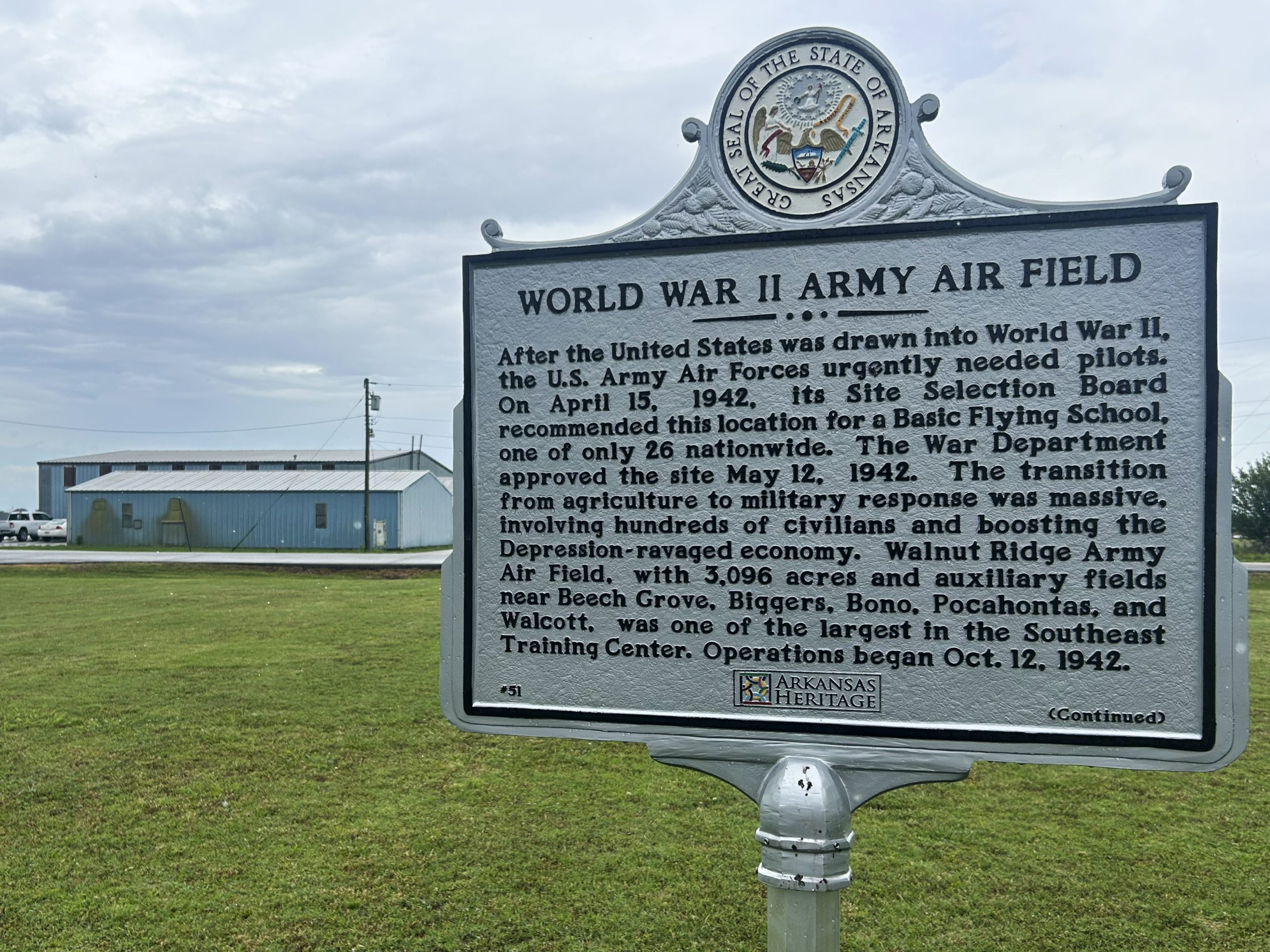
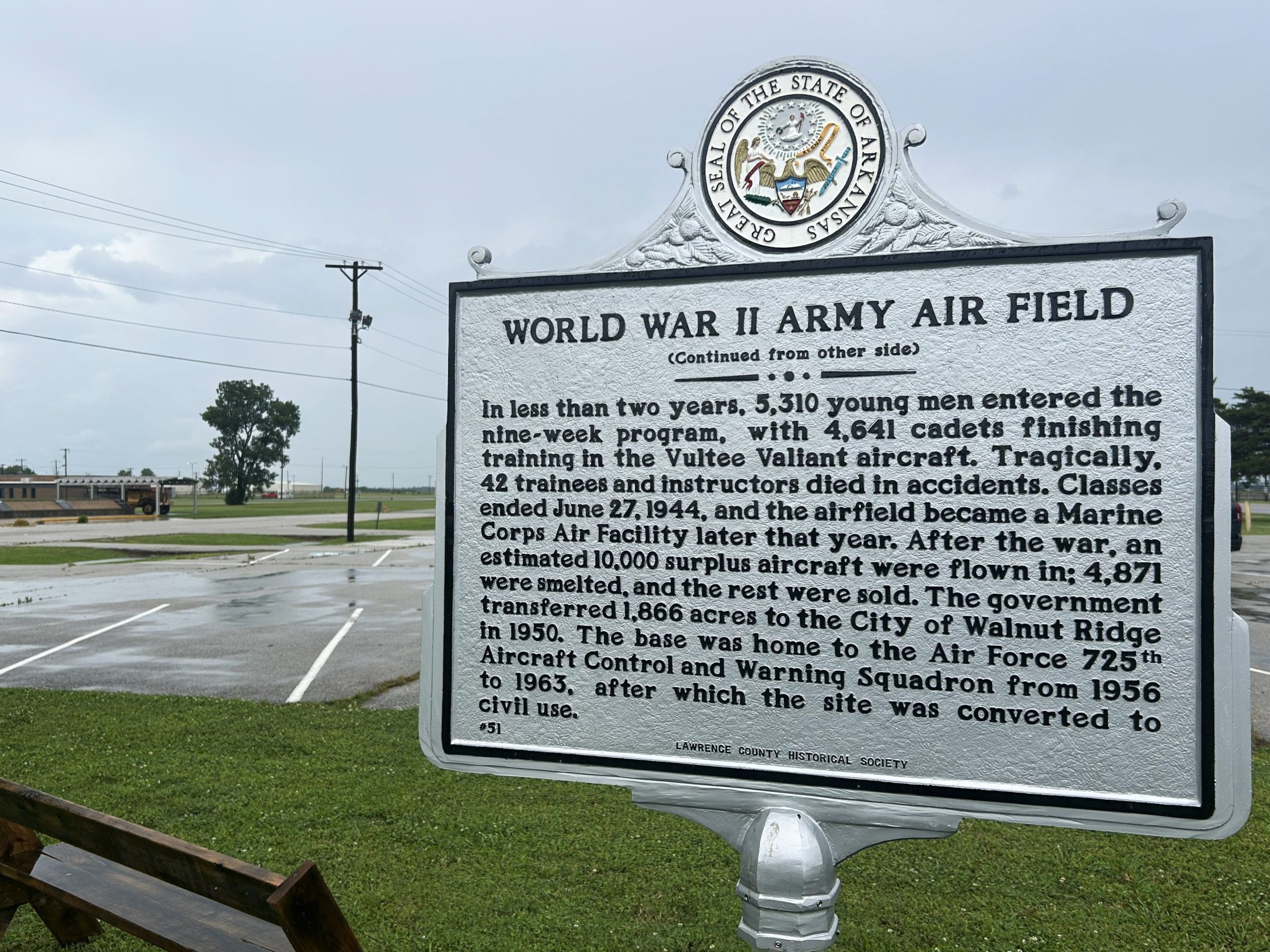
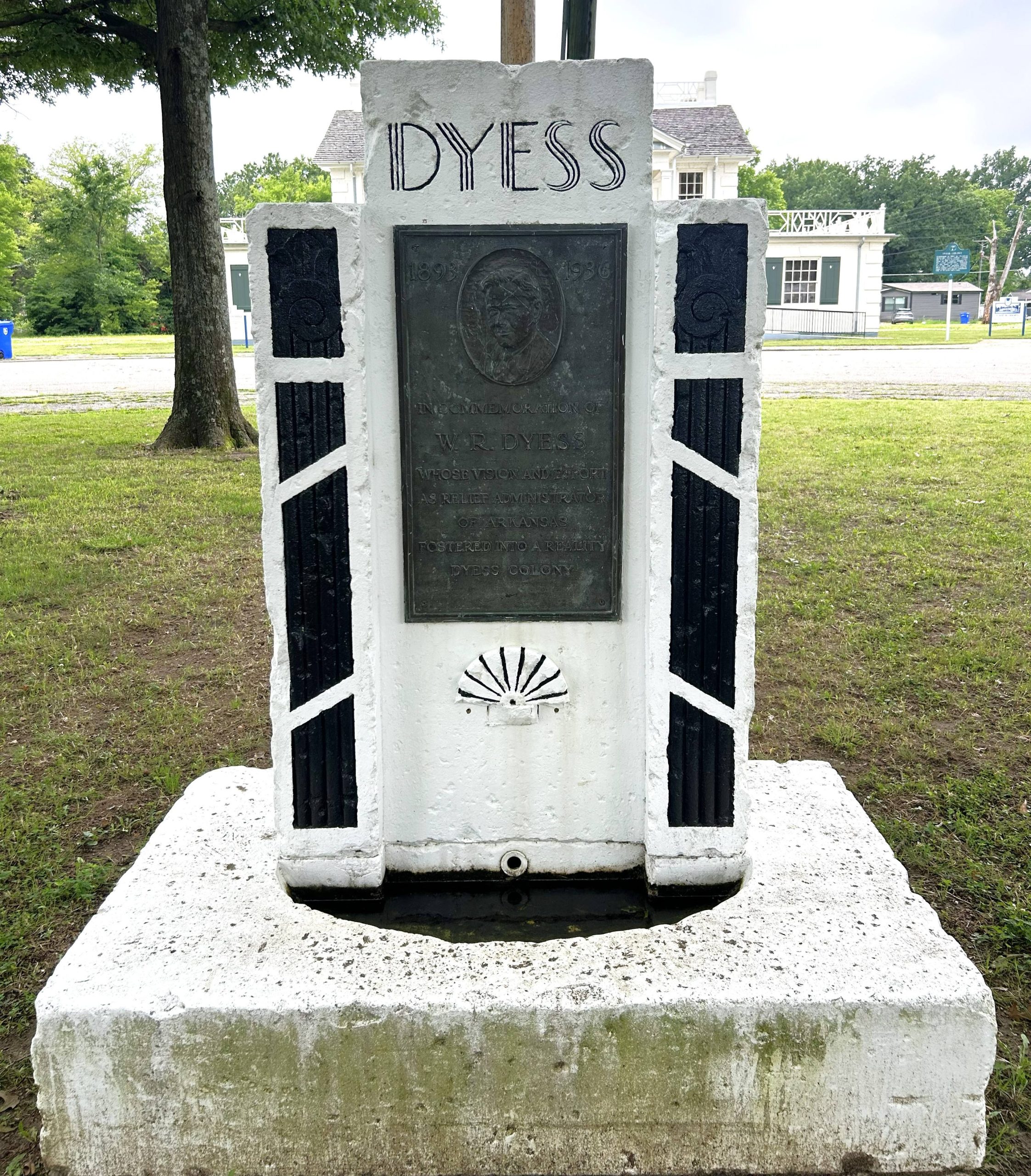
During the Great Depression of the 1930’s, the federal government established nearly 100 resettlement communities around the country (12 in Arkansas). Resettlement Colony No. 1, in northeast Arkansas, was the largest, with about 500 families. When William Dyess, Arkansas administrator for the WPA (Works Progress Administration) was killed in a plane crash, the settlement was renamed to honor him.
16,000 acres of Arkansas swamp were drained by 125 miles of ditches. 68 miles of gravel road constructed, with 24 major bridges and smaller bridges across drainage ditches in front of every house. A house and farm out buildings were erected on each site, but the work of clearing the trees, brush, and snakes off of the property was left to the individual homeowners. Once eligible farmers passed an extensive evaluation and physical exam to prove they could be productive, they were given a house and an interest-free mortgage ($100/year). They were on probation for one year.
Johnny Cash was born in Kingsland, Arkansas in 1932. His father Ray was a sharecropper, and when he heard that he could own his own land in the Dyess Colony, he moved there with his family in 1935. Their house was wired for electricity and had plumbing fixtures, but while the Cashes lived there, they had neither electricity or indoor plumbing.
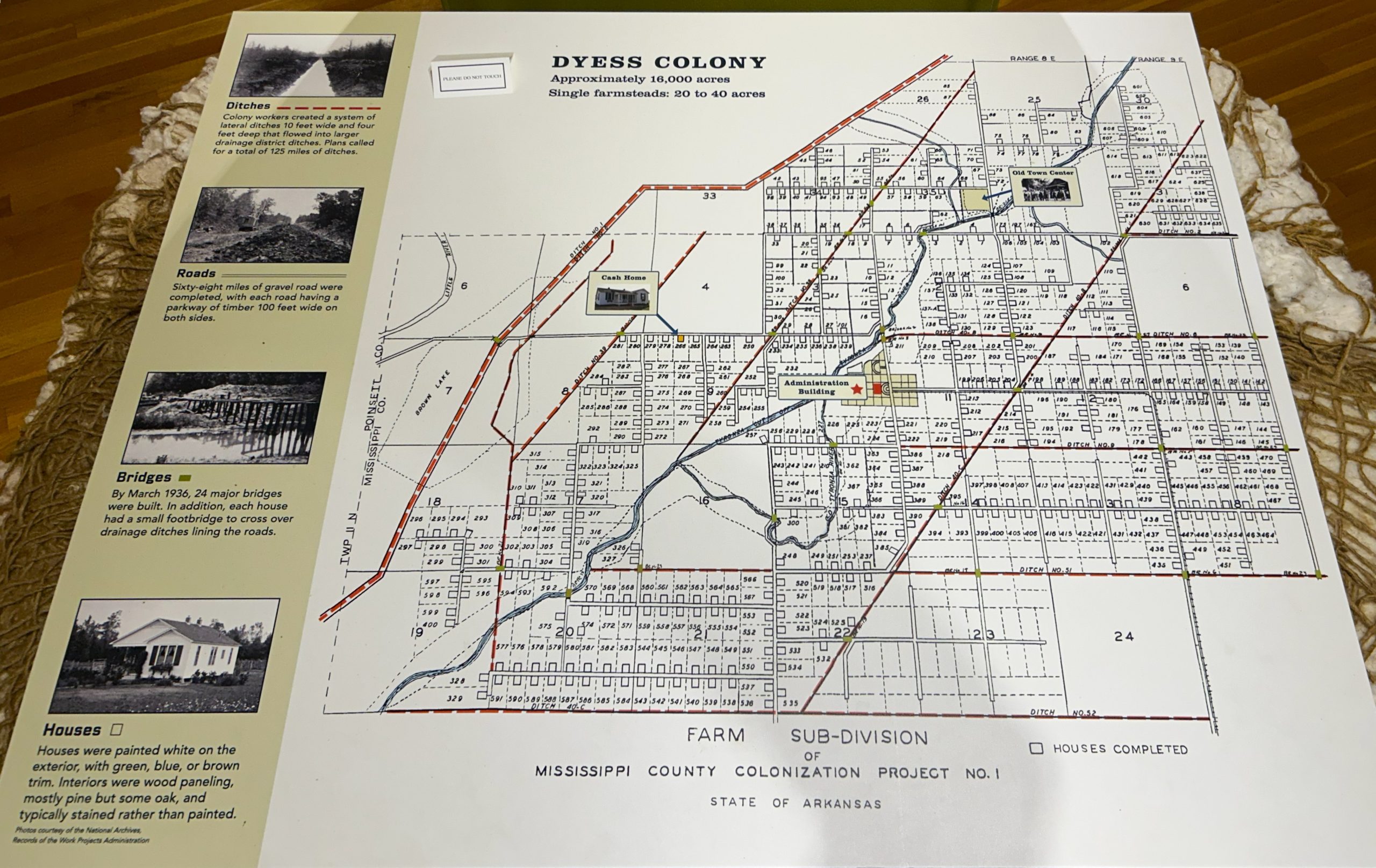
A two center was located a little more than two miles by road from the Cash’s house, with a community center, schools, a hospital, a cotton gin, coop store, and cafe. The administration building is still there and now housed a museum on the colony. The coop store and cafe on either side of it burned down. On the site of the cafe, a theater and pop shop was built, which now houses the visitor center.
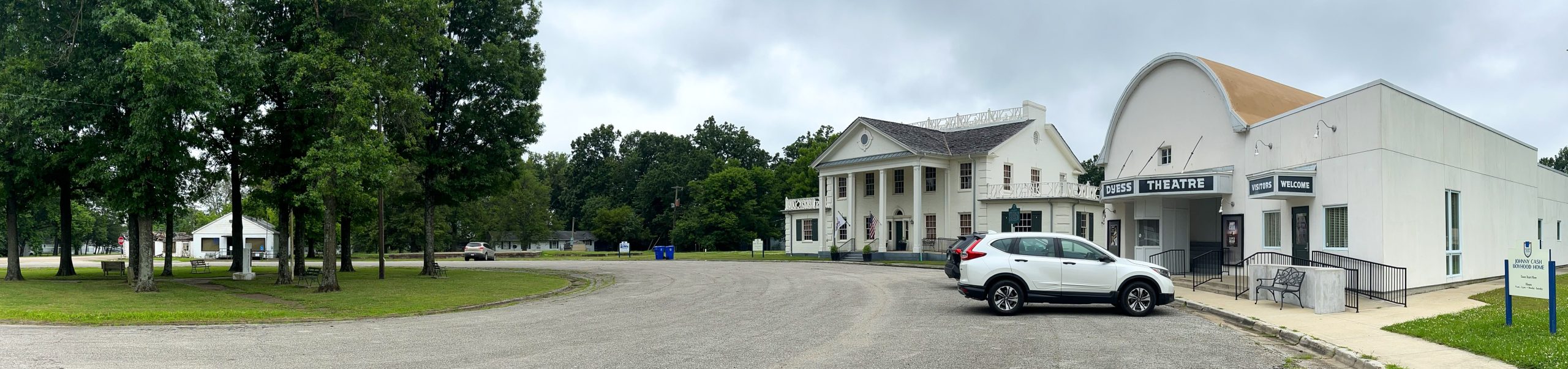
We arrived a few minutes too late for the 10:00 tour, but that gave us the better part of an hour to tour the visitor center and museum.
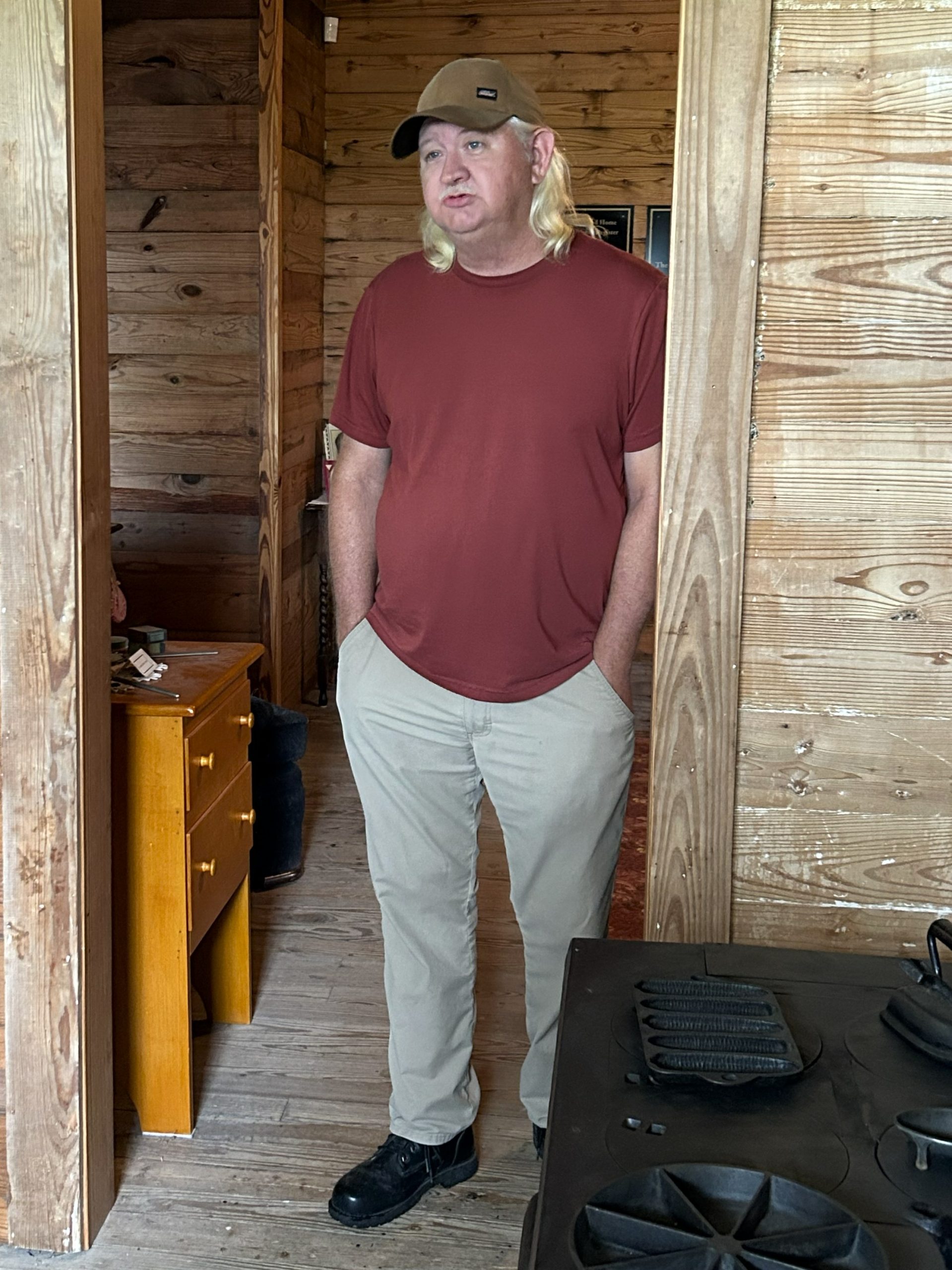
At 11:00, we followed our guide out to the Cash house. Our guide was a Dyess native whose grandfather was one of the original colonists. He was a nice guy and knew his stuff about the colony and about Johnny Cash, but his Arkansas accent took some getting used to.
The house is one of only five still in existence. Other people lived there after the Cashes, but it then fell into disrepair until Arkansas State University bought it in 2011 and restored it. Johnny’s sister Joanne served as a consultant on the project.
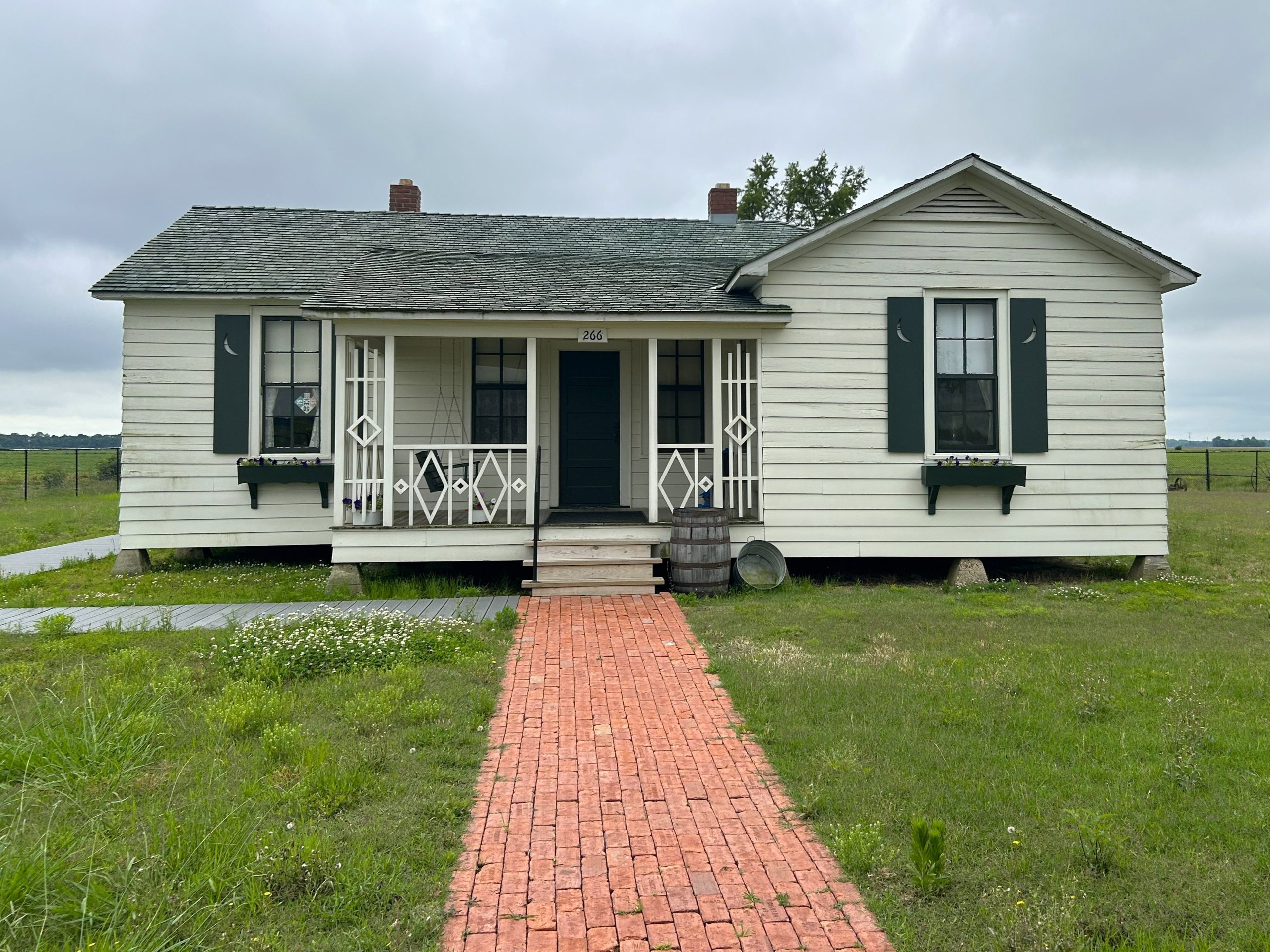
The house had five rooms for seven people.
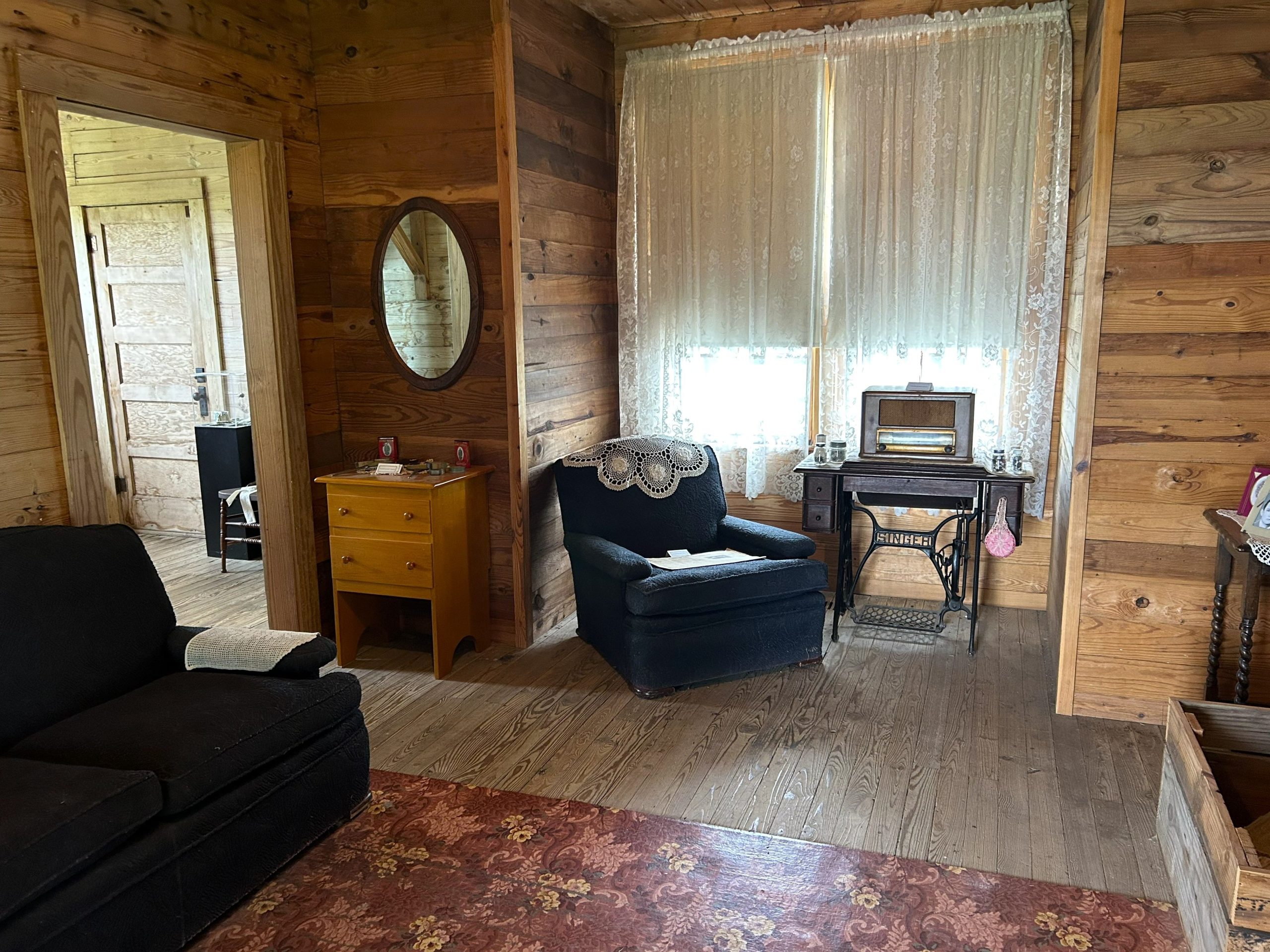
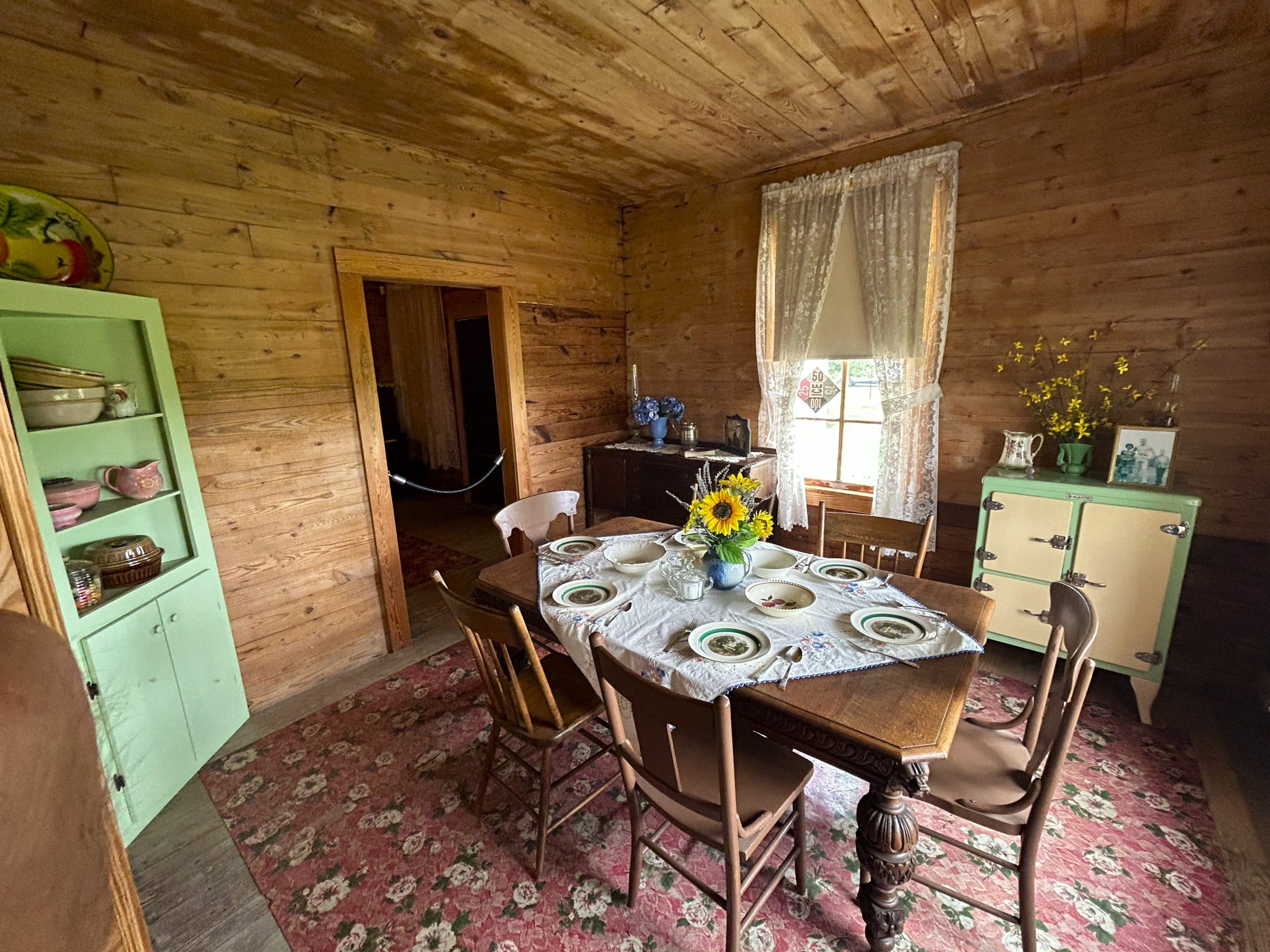
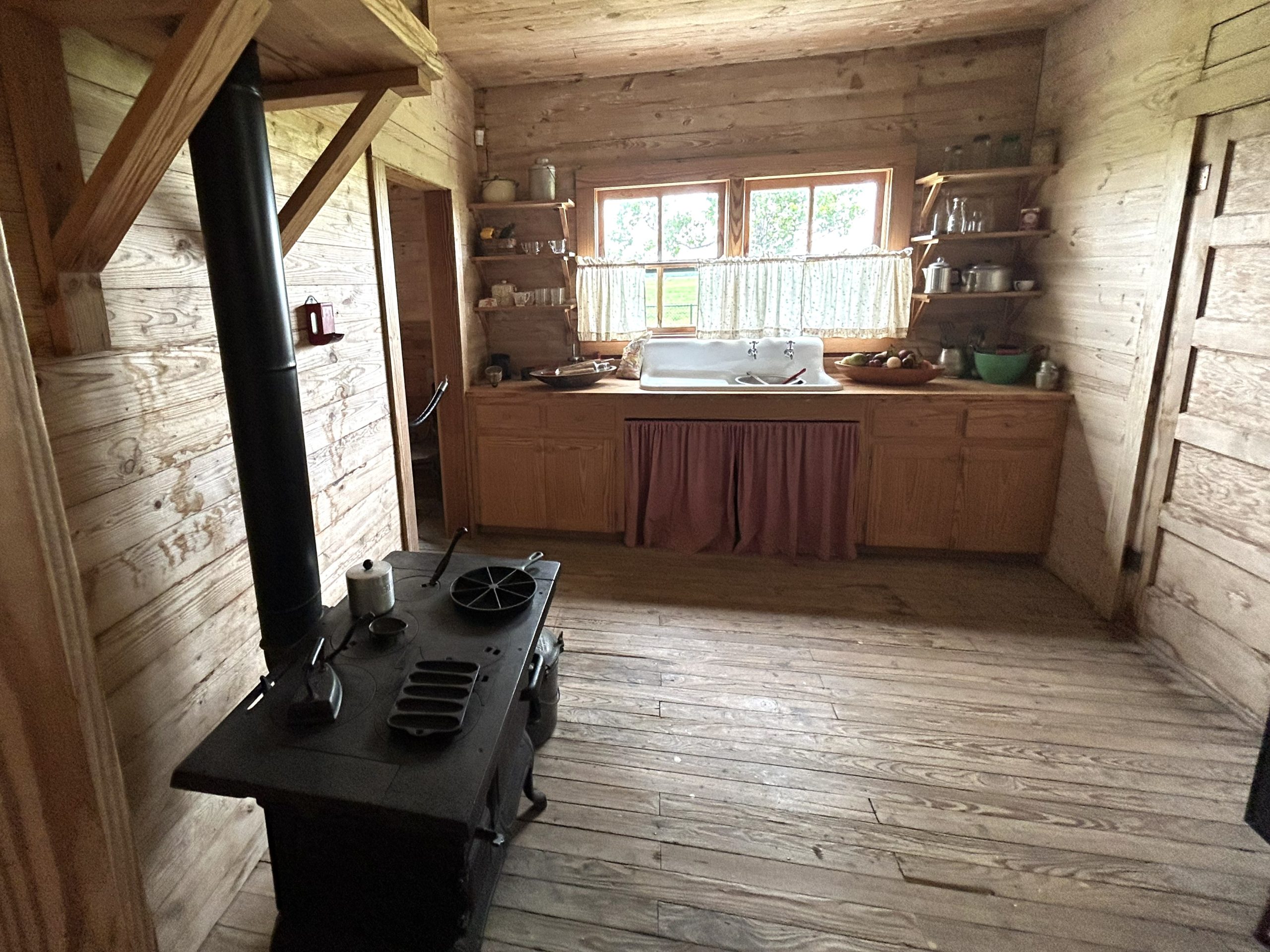
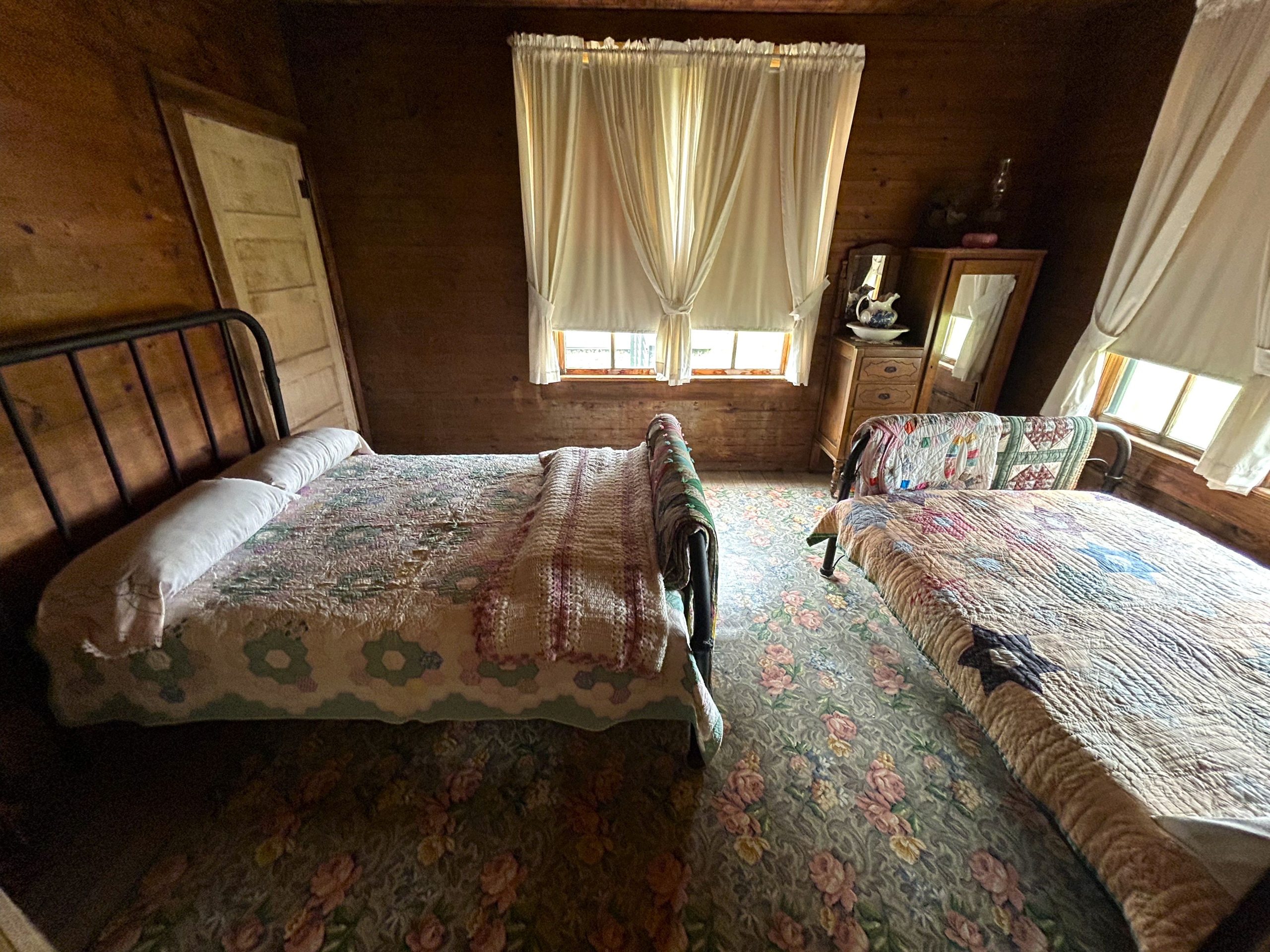
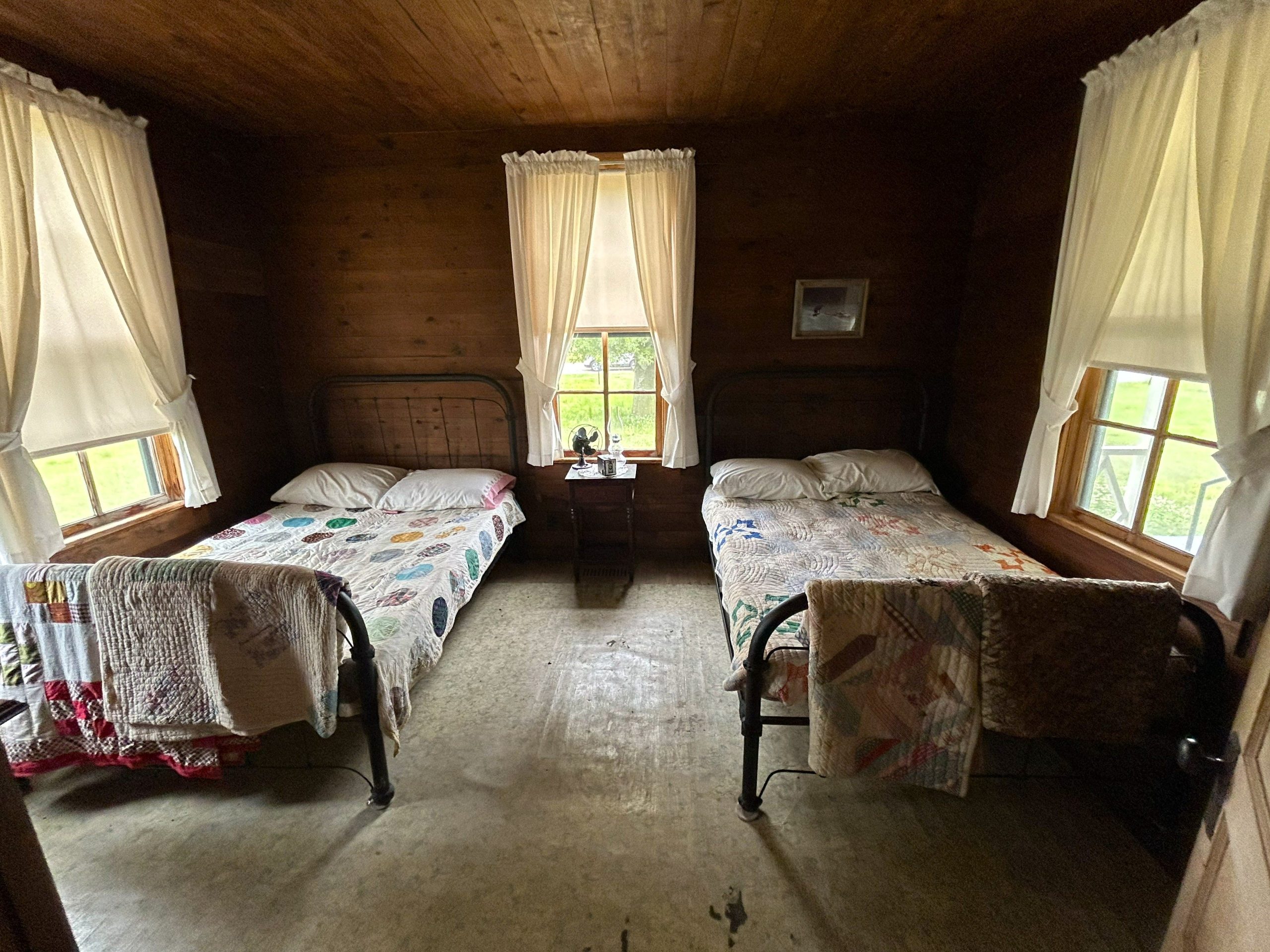
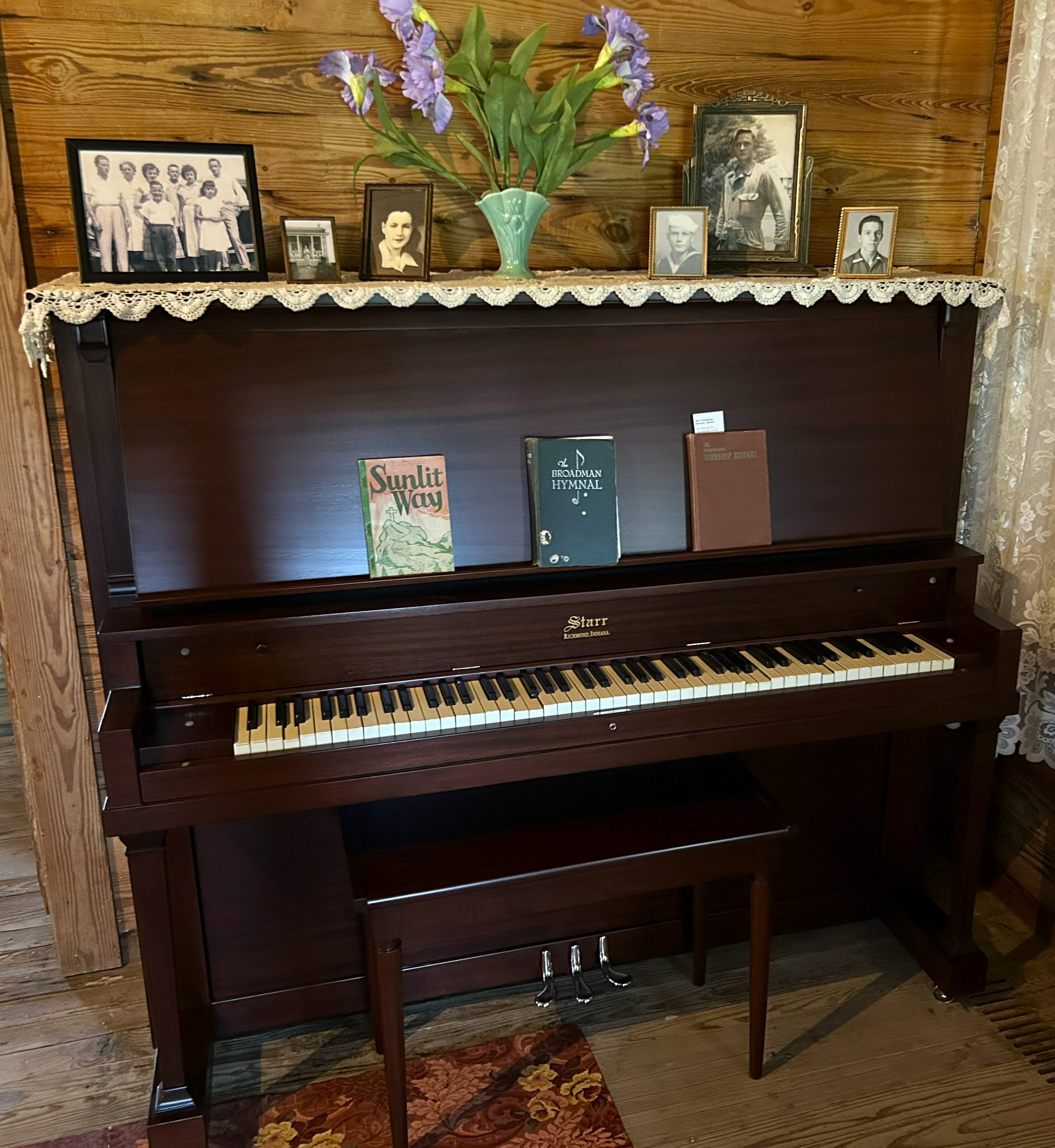
Much of the furniture in the dining room, the quilts on the beds, and other pieces belonged to the Cashes while they lived here. The piano in the front room was Johnny’s mother’s. The whole family would gather around and sing gospel songs.
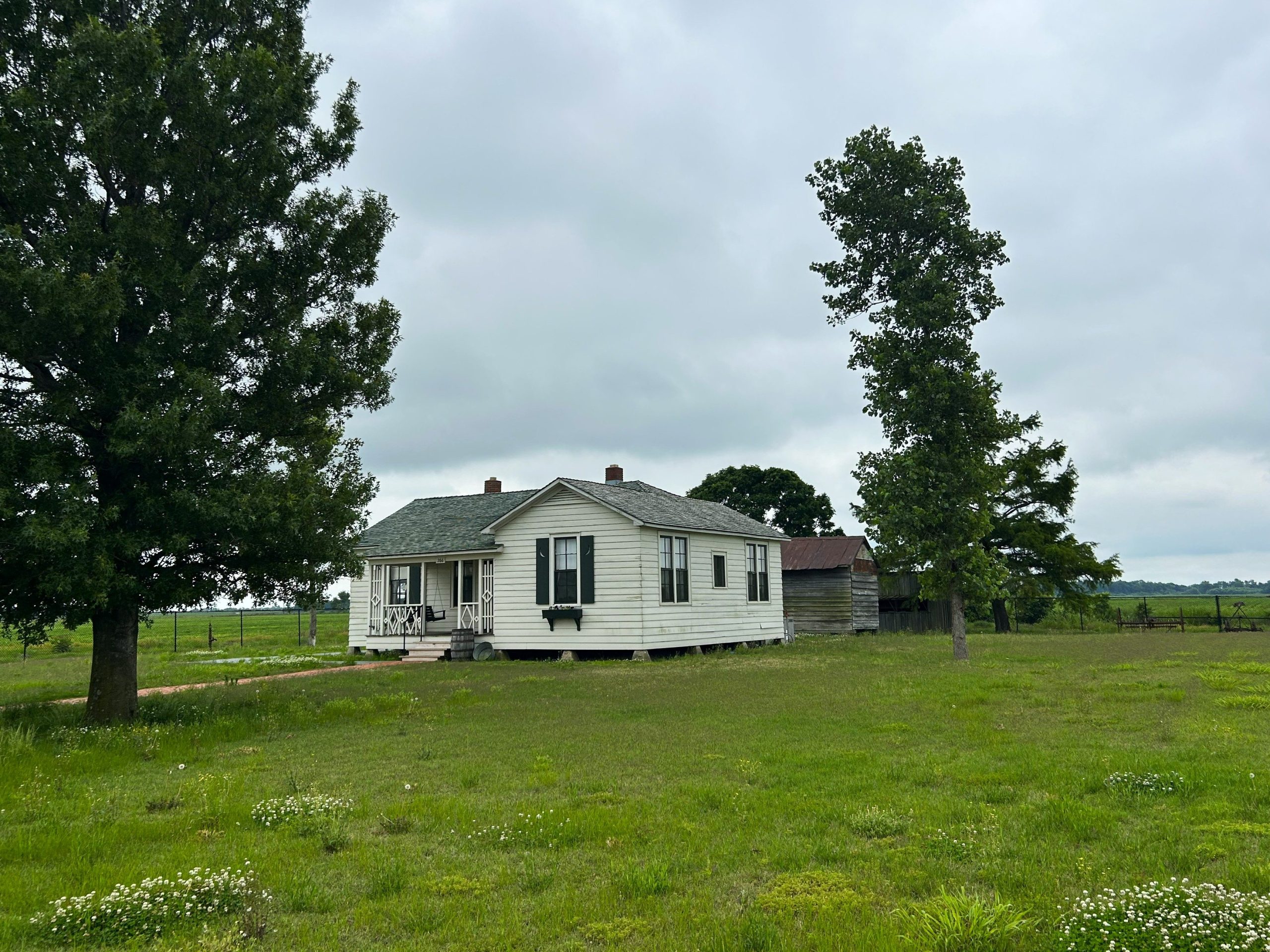
We were at the house maybe 40 minutes and enjoyed it thoroughly. We found the information about the Dyess Colony every bit as interesting as the stuff about Johnny Cash.