There are only a few birds that breed in Colorado that I don’t have on my life list. One of these is the Baird’s Sparrow. Normally, this sparrow nests in northern Montana and North Dakota. But for the past seven years, a few have been found on Soapstone Prairie in extreme north-central Colorado. The problem is that the birds are generally seen early in the morning, the prairie is three hours north of my house, and there’s a three-mile hike to the spot after you get to the prairie.
But I decided to make the try. I got a hotel in Windsor, about 45 minutes south of the prairie. I woke up at 4:30 and took off in the dark. It was just first light when I pulled into the parking lot. There’s tons of smoke in the air from fires in California, and that cast an odd color and fuzziness on the prairie. I was disappointed to discover that the wind was blowing hard — at times I’m sure it reached 20 mph or more.
There was nobody else in the park as I set off along the trail. It was a narrow track through treeless desert, and I kept my eyes open for rattlesnakes. There were scattered Lark Buntings, Western Meadowlarks, and Horned Larks around, but nothing else — except cows.
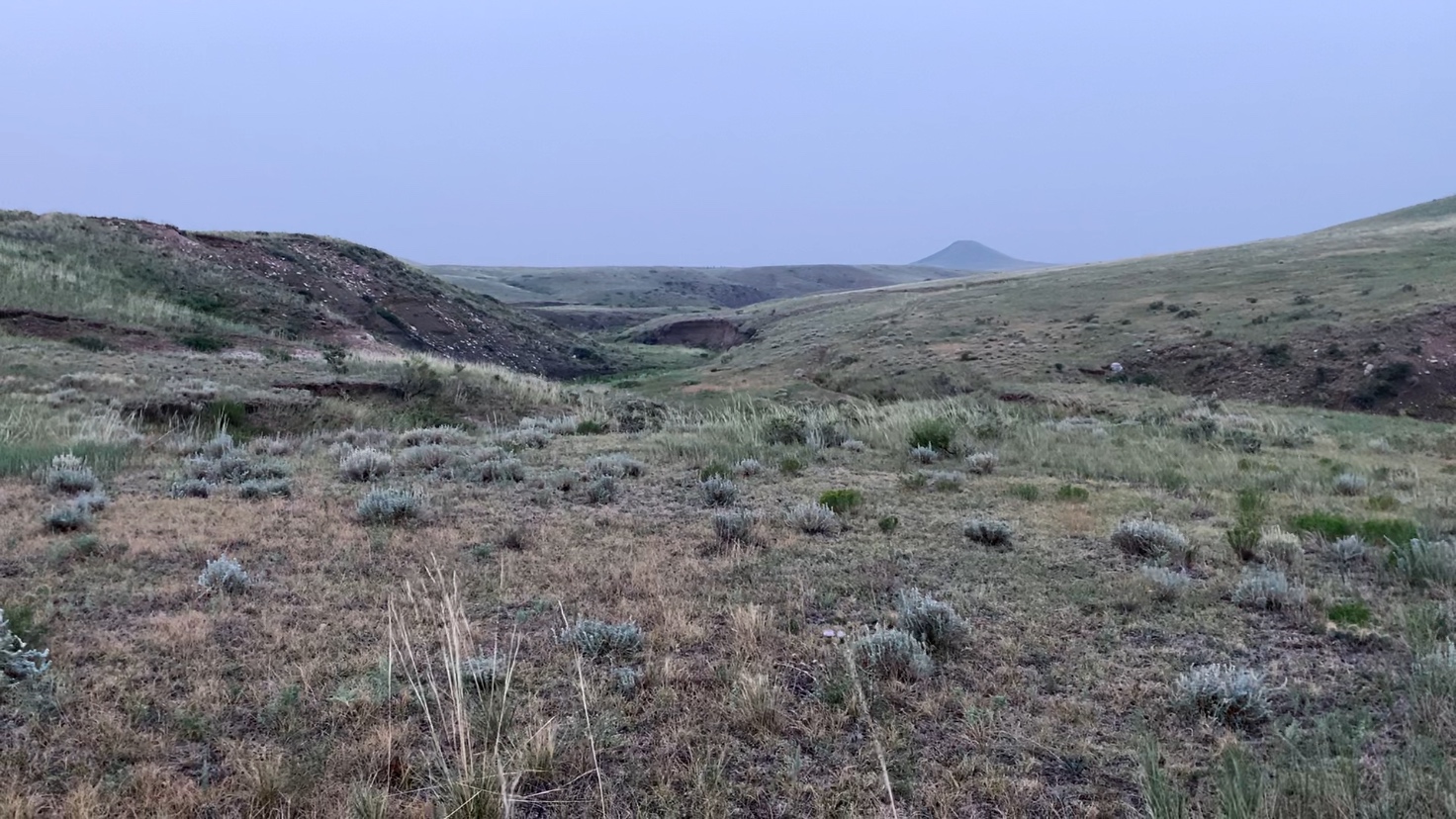
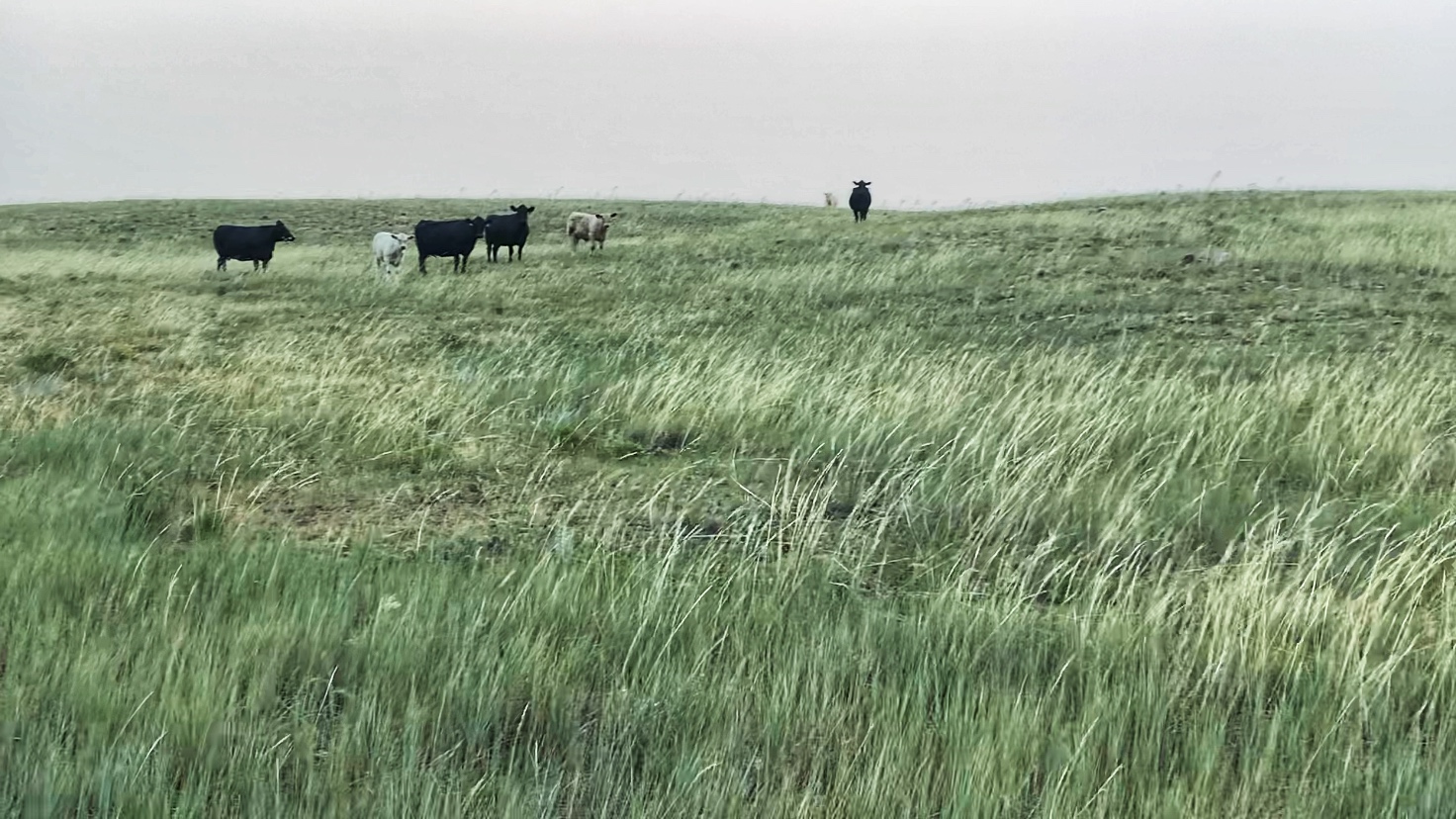
I’m pretty sure that for most of the next two or three hours, I was at least three miles from another human. It didn’t bother me, but I was aware that I was on my own.
When I got to the spot where the Baird’s Sparrows have been seen, the sun was an orange spot in a smoky sky.
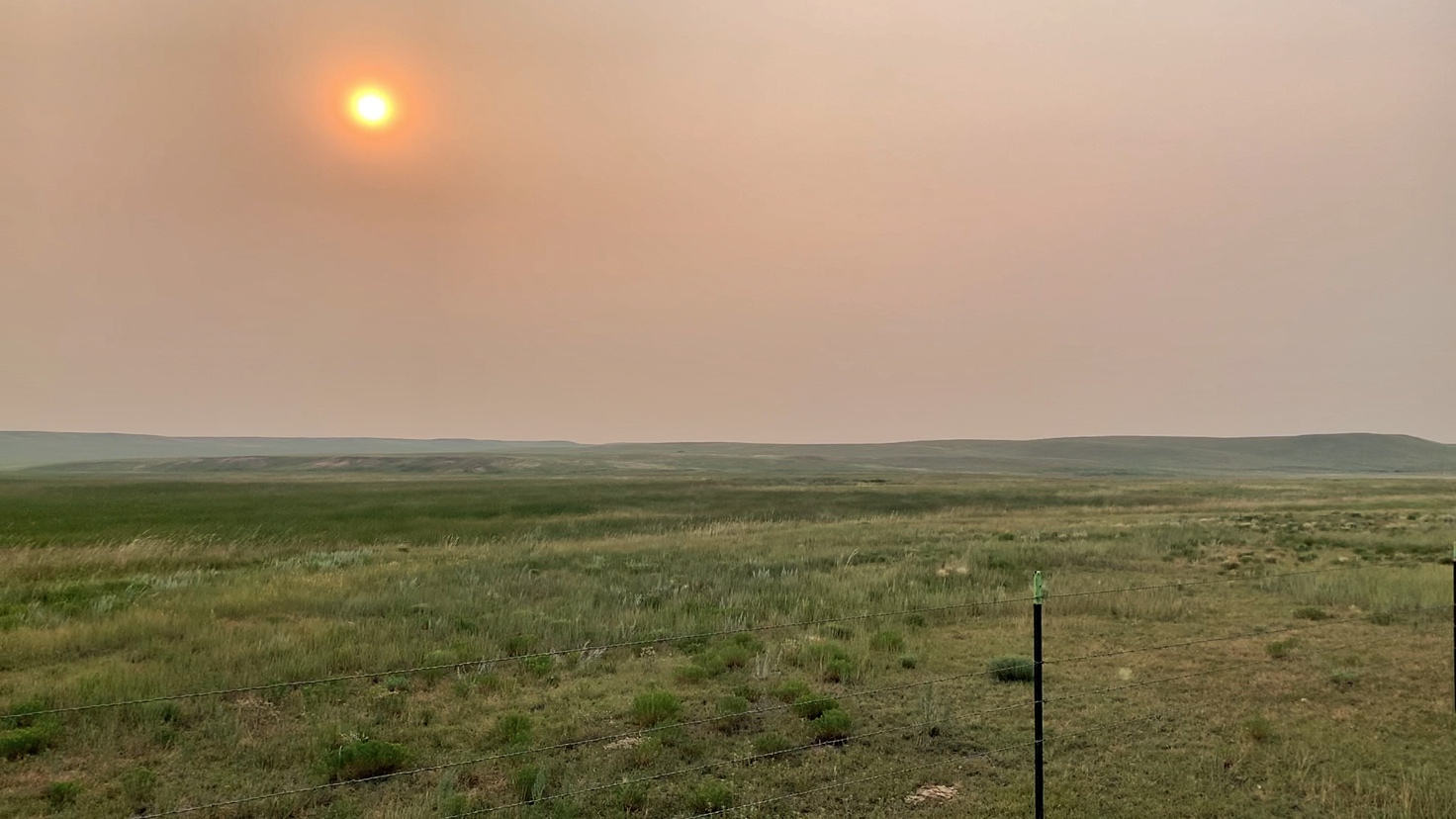
The wind was howling, and I figured my odds of seeing the bird were low. I played its song a few times, but didn’t expect to see anything. But I did.
A sparrow flew low for maybe 20 feet across a patch of thicker, greener grass on the east side of the trail. A few minutes later, I saw it make another short flight. It was exactly where people have reported the Baird’s Sparrow. I played the song again, and the bird flew to the fence and landed on a low strand of wire. My scope was useless in the wind, so I grabbed my camera and started taking photos. The bird was small and about 30 yards away, so I had trouble focusing. After maybe a minute and a half, it disappeared.
I looked at the photos that I got and convinced myself that I’d seen a Baird’s Sparrow. I hung around a few more minutes, but I felt like I’d accomplished my goal. I knew I had a long hike ahead of me and then a long drive after that, so I headed back to my car.
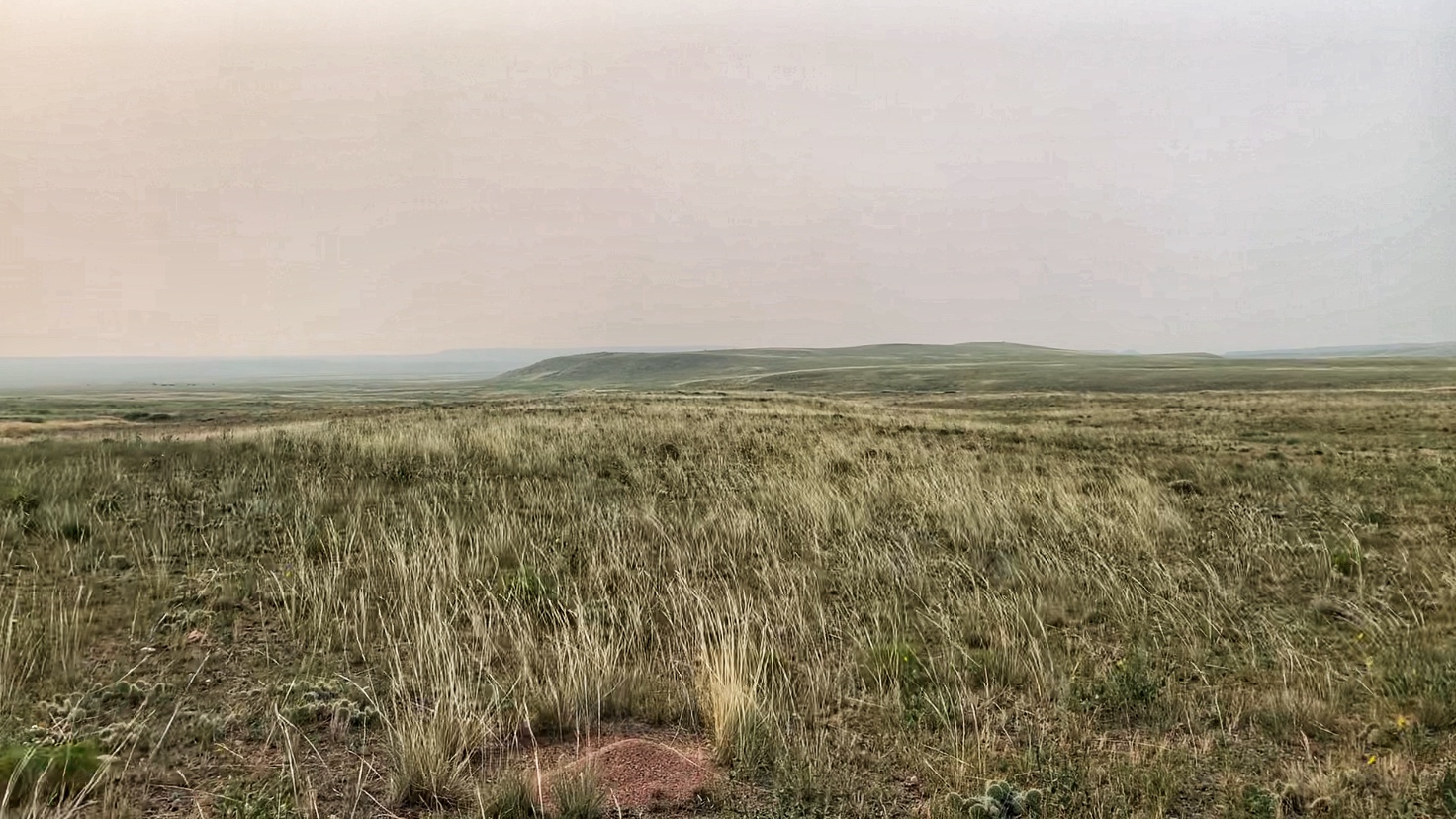
I didn’t run into anyone else on the trail, although there were a few cars in the lot and a guy in the entrance booth. He was lonely and came out to chat with me for five minutes or so.
I drove out of the park a mile or so and suddenly began having doubts. I pulled out my camera and a field guide and looked at my pictures again. This time I thought the bird I’d seen looked a lot more like a Grasshopper Sparrow, especially in this photo.
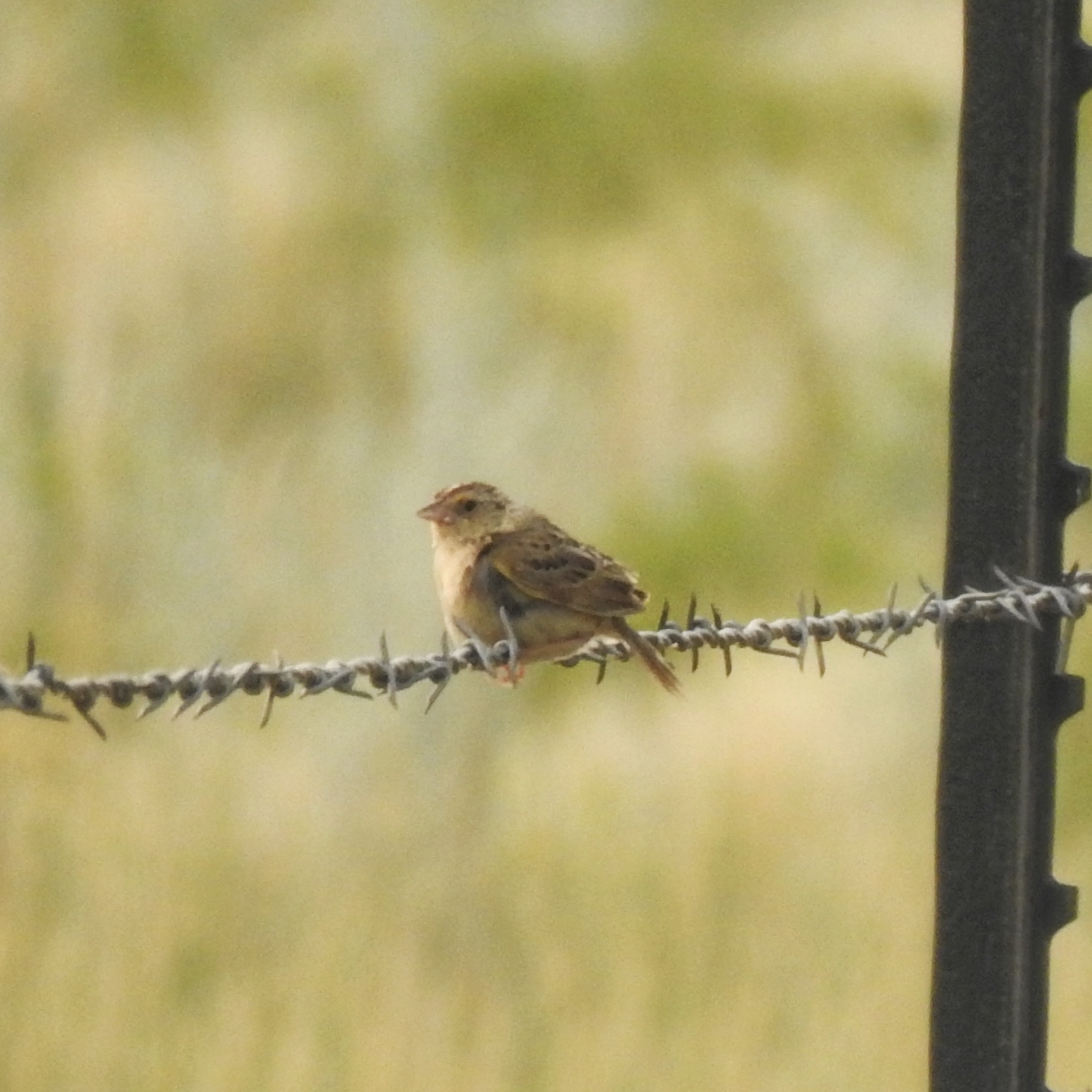
This one’s a little more ambiguous. It does seem to have a black necklace and some marks on the shoulder and face consistent with a Baird’s Sparrow. Could it be an immature Baird’s? But it’s the same bird as the one in the first photo that doesn’t show those marks.
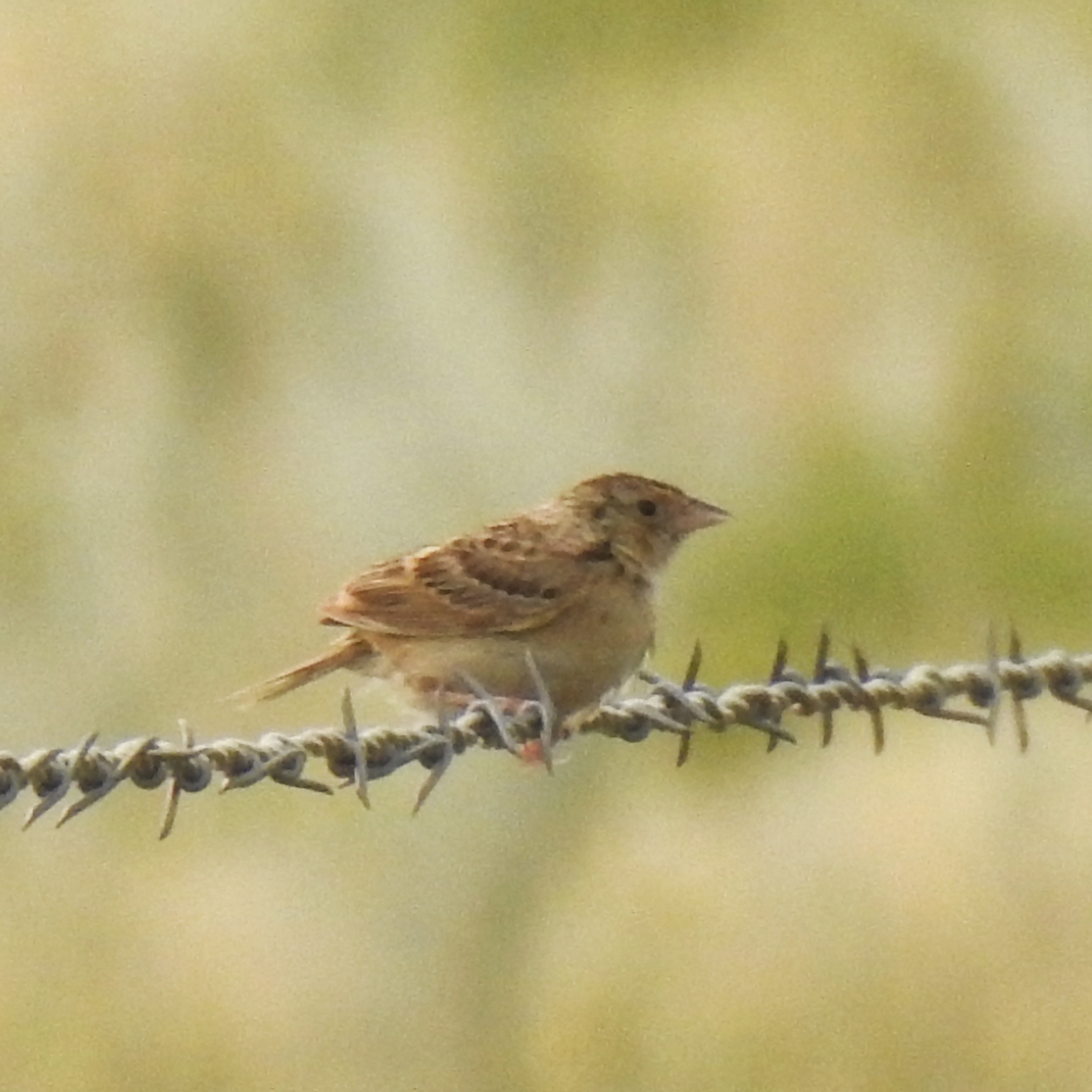
My initial excitement was due, I think, to the fact that I was in the right spot and the bird responded to a Baird’s recording. But I just couldn’t bring myself to pull the trigger and count it.
I headed home despondent. That feeling increased when I saw that a Baird’s Sparrow had been seen at another location at Soapstone Prairie about the same time I was looking at this bird. That location, however, would have entailed a 14-mile round-trip hike instead of the 7.6 mile hike I took. The birders who saw the Baird’s had biked to the location.
And then I saw that other birders had found a Baird’s Sparrow at Sharptail Ridge Open Space, near Chatfield State Park, just an hour north of my house. If it was worth getting up at 4:30 to see a Baird’s Sparrow one morning, it was worth it the next morning. I got up, drove up, and arrived right at first light again. This time the hike to the spot was just 2.4 miles. I found three other birders at the spot when I arrived. They hadn’t seen the bird. Then two more birders arrived. We stood around and looked for a half hour without seeing any birds.
Then the other birders decided to spread out and walk across the field in hopes of flushing the Baird’s Sparrow. I thought this was odd because the initial report asked birders not to play recordings there since the birds were rare and we wouldn’t want to stress them. It seemed to me that the guy who asked that was kinda being selfish, since he’d played the recording. It also seemed to me that hiking through the grass and flushing it would be at least as disruptive as playing a recording. But what do I know?
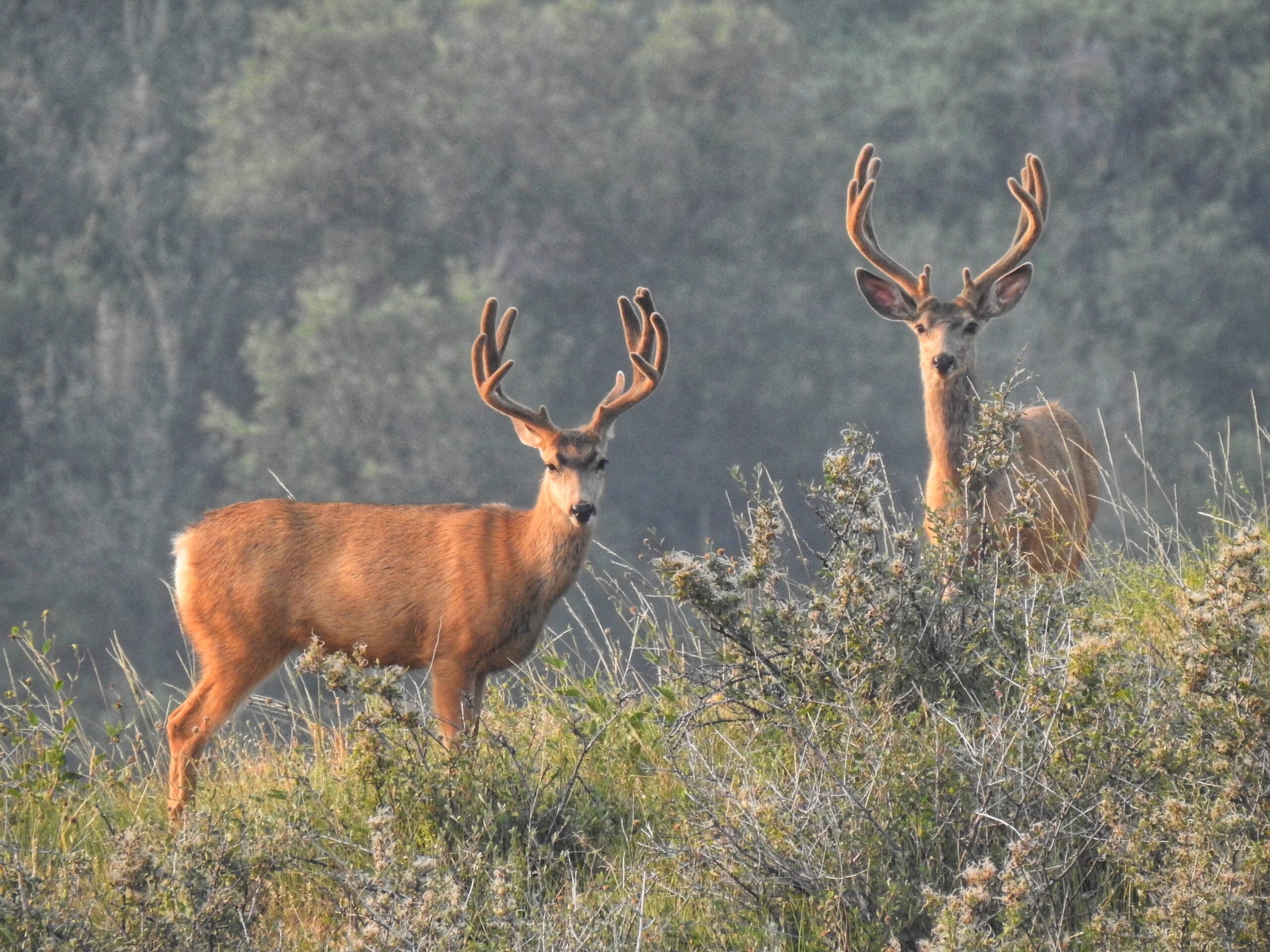
We spread out and walked across the field and flushed absolutely nothing. When we’d finished, I kept going to see what was over a rise. I found this.
Meanwhile, the rest of the birders headed back the other way and were joined by a sixth guy. I caught back up to them just as they flushed a couple birds along a ravine. Me and the new guy were downhill of everyone else and followed a bird that flew along the ravine. We flushed it a few more times but never got a good look. At one point it flew from right in front of me, and I saw its back was streaked in black and tan and white. That’s it.
Then I saw the uphill birders waving at me. I headed in their direction, but it was a third of a mile uphill and it took me a couple minutes. They told me their bird had landed on a fence post and it was definitely a Baird’s. It had flown down into the grass right in front of where they were standing. Had I been by myself, I would have pished or played its song, but they decided to flush it again. It darted 100 yards downhill into the ravine. We followed and flushed it again. This time it headed up over a ridge and out of sight. That’s the last I saw of it.
I looked at a photo of the bird another guy took when it was on the fence post. It was definitely a Baird’s Sparrow. I saw a Baird’s Sparrow. But I only identified it from a photo. I never saw an actual bird well enough to identify. Here’s the very bird I saw, five minutes before I saw it flying. I stole this off the internet.
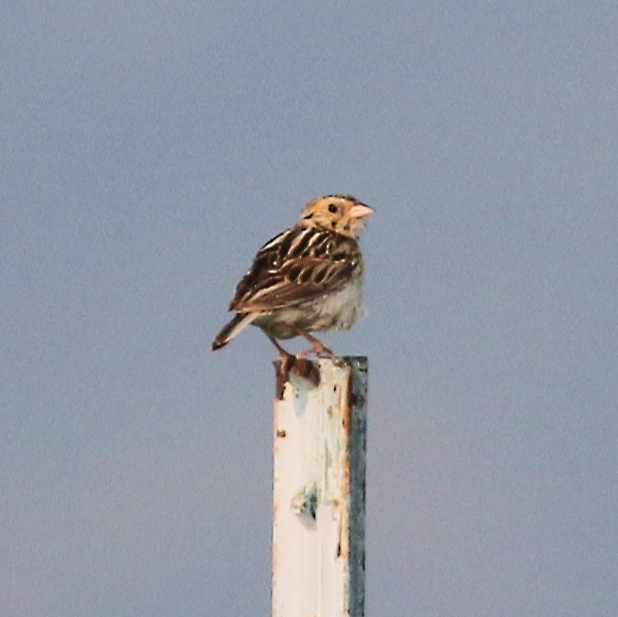
I know other birders counted it as a Baird’s based on nothing more than what I’d seen, but I can’t bring myself to add it to my life list. I sent the photos of the bird I saw at Soapstone to an eBird moderator and asked for his opinion. About a year later, he got back to me and said it was a Grasshopper Sparrow. I guess I’ll have to make a trip to Montana.
Two very early mornings, hikes of 7.6 and 6.2 miles, and actually seeing other birders seeing the bird while not seeing it myself was all very frustrating.
I find myself struggling with a birding ethics question. If you see a bird, but only identify it from a photo taken by someone you were birding with, is that any different from taking a photo yourself and identifying it later from that? As of now, I’m not counting it.